
Main Courses
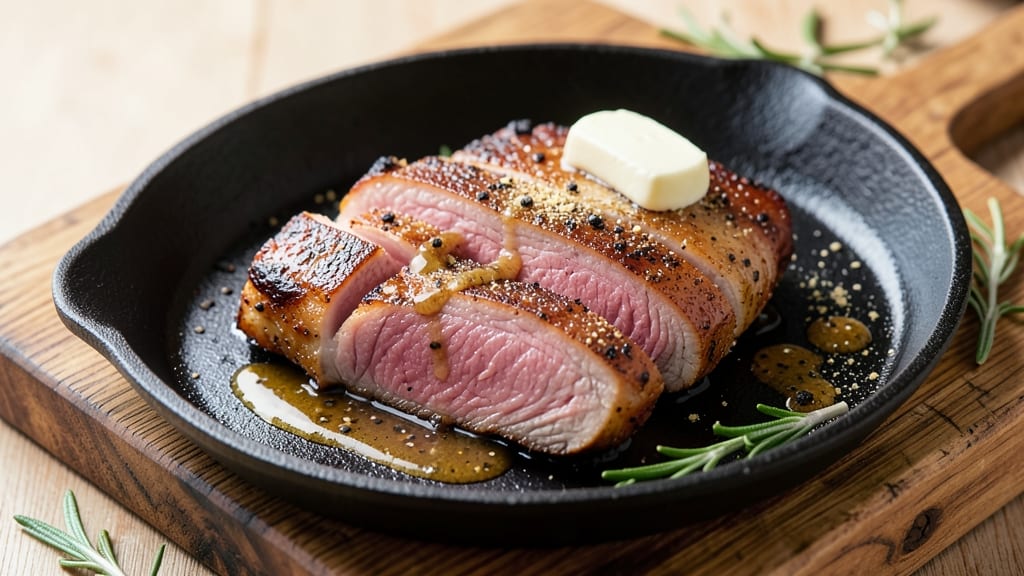
This pork tenderloin recipe Blackstone delivers the perfect balance of crispy edges and juicy centers—a technique I perfected after years of testing on my trusty cast-iron griddle. The secret lies in precise heat control and a simple seasoning blend that enhances the pork's natural flavor without overpowering it.
Whether you're hosting a weekend dinner or simply craving a restaurant-quality meal, this method transforms a basic cut into something extraordinary.
The key to success starts with a properly preheated Blackstone griddle—400°F ensures even cooking and that coveted caramelized crust. A light coating of high-smoke-point oil prevents sticking while promoting crispiness, and a 10-minute rest before serving ensures the juices redistribute.
This isn’t just another pork recipe; it’s a foolproof method that guarantees restaurant-quality results every time, with minimal effort.
What you’ll end up with is a golden-brown exterior that shatters at the touch, giving way to tender, melt-in-your-mouth meat inside. The aroma alone will have everyone gathering around the table, and the simplicity of the seasoning—just salt, pepper, and a touch of garlic—lets the pork shine.
Pair it with grilled asparagus or roasted potatoes for a complete, satisfying meal.
This recipe works equally well for weeknight dinners or special occasions, and the leftovers reheat beautifully for sandwiches or salads. The Blackstone’s even heat distribution makes it the ideal tool for achieving consistent results, even if you’re new to griddle cooking.
Let’s get started—your next perfect pork tenderloin is just a few steps away.
Ingredients for pork tenderloin recipe blackstone
Eleven ingredients transform basic pork tenderloin into Blackstone-perfected restaurant-quality centerpiece.
| Ingredient | Amount | Notes |
|---|---|---|
| Pork Tenderloin 🥩 | 1 ½ lb | Center-cut, trimmed of fat and silver skin |
| Kosher Salt 🧂 | 1 ½ tsp | Diamond Crystal preferred for even distribution |
| Freshly Ground Black Pepper 🌶️ | 1 tsp | Coarsely cracked for texture |
| Garlic Powder 🧄 | ½ tsp | For subtle aromatic depth |
| High-Smoke-Point Oil 🫒 | 2 tbsp | Avocado or grapeseed oil recommended |
| Unsalted Butter 🧈 | 2 tbsp | Cold, cubed for basting |
| Fresh Rosemary 🌿 | ¼ cup | Finely chopped, for aromatic finish |
| Fresh Thyme 🌿 | ¼ cup | Leaves only, finely chopped |
| Granulated Garlic 🧄 | ½ tsp | For even seasoning distribution |
| Fresh Lemon Juice 🍋 | 1 tbsp | Brightens the finished dish |
| Fresh Parsley 🌿 | ⅛ cup | Chopped, for garnish and freshness |
The pork tenderloin cut is crucial—center-cut ensures even cooking and maximum tenderness. Butcher shops or high-end grocers like Whole Foods carry the best quality, but most supermarkets stock it in the meat case. Look for uniform thickness (about 1.5 inches) and avoid pieces with excessive silver skin or fat marbling. If your cut varies in thickness, trim it evenly with kitchen shears to ensure consistent doneness. The 1.5-pound size serves four generously, perfect for sharing or meal prep. For best results, let the meat sit at room temperature for 30 minutes before cooking to promote even searing.
No fresh rosemary or thyme? Dried works at one-third the amount, but fresh delivers superior aroma. Substituting butter for oil? Use 2 tbsp melted ghee instead—it adds richness without burning. The granulated garlic ensures even distribution, but minced fresh garlic at half the amount works beautifully if you prefer. For a smokier flavor, swap the high-smoke-point oil for avocado oil or grapeseed oil. The lemon juice can be omitted if you prefer a more neutral finish, but it brightens the dish and balances the richness. Store-bought lemon juice works fine, but freshly squeezed delivers better acidity. If you're short on time, pre-chop all herbs and store them in an airtight container with a damp paper towel to maintain freshness.
Pork tenderloin cooks quickly—plan for 15-20 minutes total on the Blackstone. Leftovers reheat beautifully in a skillet with a splash of broth or water to restore moisture. Store in an airtight container for up to 4 days in the refrigerator or freeze for 3 months for future meals. The herbs can be prepped ahead and stored in the fridge for up to 3 days, though fresh is always best. For meal prep, slice the cooked pork against the grain and portion into containers with a drizzle of the pan juices for easy assembly. The Blackstone retains heat exceptionally well, so you can keep the griddle warm for subsequent cooking sessions without reheating.
Why You'll Love This Recipe
- I swear by this: just salt, pepper, and garlic powder—no fancy rubs or marinating overnight. That’s it. The Blackstone’s heat does the work while I sip my coffee, letting the seasoning caramelize into something ridiculously good.
- Two-Ingredient Magic: I swear by this: just salt, pepper, and garlic powder—no fancy rubs or marinating overnight. That’s it. The Blackstone’s heat does the work while I sip my coffee, letting the seasoning caramelize into something ridiculously good.
- Crispy-Creamy Payoff: Here’s what sold me—the first sear in the oil locks in juices, then the garlic powder gives it this perfect char while keeping the inside tender. Not dry, not bland—just that satisfying contrast every time.
- Weeknight or Company: Between us, this feeds four in 20 minutes or becomes my lazy Sunday brunch star. Slice it thin for tacos, serve it whole for a fancy dinner—no one questions why I’m grilling pork on a Blackstone at 9 AM.
Step-by-step instructions for perfect cast-iron pork tenderloin
Master this Blackstone technique for restaurant-quality pork with perfect texture every time.
Prepare the Pork Tenderloin for Even Cooking
Remove the pork tenderloin from the refrigerator and let it sit at room temperature for 30 minutes before cooking. This ensures even cooking throughout. Pat the surface completely dry with paper towels—moisture is the enemy of crispy edges. Using a sharp boning knife, trim any remaining fat or silver skin from the surface.
In a small bowl, combine the 1.5 teaspoons kosher salt, 1 teaspoon freshly ground black pepper, 0.5 teaspoon garlic powder, and 0.5 teaspoon granulated garlic. Rub this mixture evenly over all sides of the pork, pressing firmly so the seasoning adheres. The reason for the double garlic treatment is to ensure even distribution of flavor throughout the meat.
Preheat the Blackstone and Create the Herb Butter Base
Place your Blackstone griddle over medium-high heat until it's thoroughly preheated—you should see a thin layer of condensation evaporate when you sprinkle a few drops of water on the surface. While it heats, melt the 2 tablespoons unsalted butter in a small saucepan over low heat until just liquid, then remove from heat.
In a separate bowl, combine the melted butter with the 0.25 cup finely chopped fresh rosemary, 0.25 cup finely chopped fresh thyme, and 1 tablespoon fresh lemon juice. Stir well to create a fragrant herb butter mixture. This combination of herbs and citrus will infuse the pork with bright, aromatic flavors while keeping the meat moist during cooking.
Sear the Pork Tenderloin for Maximum Flavor
Add the 2 tablespoons high-smoke-point oil to the preheated Blackstone and let it get hot enough to shimmer. Place the seasoned pork tenderloin on the griddle and sear for 4-5 minutes per side until you achieve deep golden-brown crust. Don't move the pork during this time—allowing it to develop an even crust is crucial for that perfect Blackstone texture.
After searing, brush both sides of the pork with the herb butter mixture. This step ensures the exterior stays moist while developing that coveted crispy exterior. Return the pork to the griddle and cook for an additional 2-3 minutes per side, basting frequently with the remaining herb butter. The internal temperature should reach 140°F at this point.
Finish Cooking to Perfect Doneness
Transfer the pork to a cutting board and let it rest for 10-15 minutes before slicing. This resting period allows the juices to redistribute throughout the meat, ensuring each slice remains tender and juicy. While it rests, keep the Blackstone warm over low heat—you'll use it to finish the cooking process.
After resting, return the pork to the Blackstone and cook for another 2-3 minutes per side until the internal temperature reaches 145°F. This final sear creates the perfect balance of crispy exterior and tender interior. The pork should be firm to the touch but still yield slightly when pressed with your fingers.
Garnish and Serve Immediately
Transfer the cooked pork to a warm serving platter and garnish with the 0.125 cup chopped fresh parsley. The parsley adds a final touch of freshness that complements the herb butter and rosemary flavors. Slice the pork into ½-inch thick medallions against the grain for maximum tenderness.
Serve immediately with your choice of sides to enjoy that perfect combination of crispy edges and juicy centers. The herb butter will have created a flavorful crust that pairs beautifully with roasted vegetables, mashed potatoes, or a fresh salad. Each bite should deliver that satisfying contrast of textures and flavors that makes this Blackstone pork tenderloin so special.
Pro Tips For Making Pork Tenderloin Recipe Blackstone
- USE A MEAT THERMOMETER: I learned this the hard way—pork tenderloin looks done long before it actually is. Pull it at 145°F internal temp (not guesswork), because even a 5-degree overcook turns it dry. The Blackstone’s uneven heat makes this non-negotiable.
- PAT DRY BEFORE SEASONING: Wet pork sticks to the Blackstone like glue, and your crust will turn to sad, greasy sludge. Grab paper towels and pat it bone-dry—even if it feels harsh, this guarantees a proper sear. (Yes, even if you’re impatient like me.)
- DON’T CROWD THE PAN: I used to stack tenderloins like a lazy line cook, and they steamed instead of seared. Leave 1 inch between pieces—if you can’t, cook in batches. The oil needs room to bubble, not pool.
- SALT THE MEAT 40 MINUTES EARLY: My grandmother swore by this, and she was right: Season the tenderloin generously with kosher salt (about 1 tsp per pound) and let it sit uncovered in the fridge. It draws out moisture, so when you sear, you get a deep, caramelized crust instead of a sticky mess. (Your future self will thank you.)
Troubleshooting perfect results
Uneven Cooking
If your pork tenderloin cooks unevenly, it’s usually because the Blackstone wasn’t preheated evenly or the meat wasn’t the same thickness. Always trim the pork to a uniform 1.5-inch thickness before seasoning.
For extra insurance, place a meat thermometer in the thickest part—it should reach 145°F at the center. If one side browns faster, reduce heat slightly and cook the other side longer. 🌡️
Dry or Tough Meat
Overcooking is the #1 cause of dry pork tenderloin. Remove it from the Blackstone as soon as it hits 145°F internal temperature—don’t wait for carryover cooking to finish it. Let it rest for 10-15 minutes before slicing, which redistributes juices.
If it’s still dry, try brushing with more herb butter during cooking or adding a splash of broth to the griddle.
Sticking to the Griddle
Sticking happens when the Blackstone isn’t hot enough or the pork isn’t dry. Always preheat your griddle for 10 minutes on medium-high until a drop of water sizzles instantly.
Pat the pork completely dry with paper towels before seasoning. For extra protection, use avocado oil—its high smoke point prevents burning and sticking better than other oils. 🫒
Pale Interior
A pale center means the pork didn’t cook long enough. Use a meat thermometer to check for 145°F—guessing leads to undercooked meat. If you don’t have one, cut into the thickest part: juices should run clear, not pink.
For future cooks, increase heat slightly (medium-high) and cook 2-3 minutes longer per side.
Burnt Exterior
Burning happens when the Blackstone is too hot or you’re not moving the pork. Keep heat at medium-high (not high) and sear for 4-5 minutes per side max.
If the edges brown too quickly, reduce heat to medium and cover the griddle with a lid to trap heat more gently. A light brush of oil before seasoning also helps prevent scorching. 🔥
Herb Butter Not Infusing
If the herb butter isn’t sticking, your griddle might not be hot enough or the butter is too cold. Warm the griddle to medium-high before adding pork, then baste frequently with the herb butter while cooking.
For extra flavor, let the herb butter sit at room temperature for 10 minutes before using—this ensures even distribution when brushing.
Nutrition facts
Frequently asked questions
Can I use a thicker or thinner pork tenderloin for this Blackstone recipe?
For best results, aim for a 1.5-inch thick cut—this ensures even cooking and proper searing. If your tenderloin is thicker, trim it down to 1.5 inches before seasoning. Thinner cuts (1 inch) will cook faster, so reduce cooking time to 3-4 minutes per side instead of 4-5 minutes. Always use a meat thermometer to check for 145°F internal temperature!
What if I don't have a Blackstone griddle—can I use a cast-iron skillet?
A well-seasoned cast-iron skillet works perfectly—just preheat it on the stovetop over medium-high heat until smoking hot. The cooking times and techniques remain the same, though you may need to adjust heat slightly since skillets conduct heat differently. For extra crispiness, add a splash of oil to the skillet after removing the pork to create a quick pan sauce with the herb butter.
How do I keep the pork tenderloin from drying out on the Blackstone?
Moisture is the enemy of dry pork! First, pat the meat completely dry before seasoning. Then, baste frequently with the herb butter during cooking—this adds moisture and creates flavorful crust. For extra insurance, reduce heat to medium after the initial sear to slow cooking. The 10-minute rest before slicing is critical—it lets juices redistribute throughout the meat.
What are the best side dishes to serve with Blackstone pork tenderloin?
This recipe pairs beautifully with sides that complement its rich, herby flavors. Try grilled asparagus with lemon zest, roasted garlic mashed potatoes, or a simple arugula salad with balsamic glaze. For a heartier meal, add caramelized onions or sautéed mushrooms—both cook well on the Blackstone after the pork is done. The key is balancing textures with something crisp or creamy!
Can I make this recipe ahead of time?
Yes! Cook the pork tenderloin as directed, then let it cool completely before slicing. Store in an airtight container in the fridge for up to 4 days or freeze for 3 months. To reheat, warm slices in a skillet over medium heat with a splash of broth or water for 2-3 minutes per side. For sandwiches, slice thin and assemble with your favorite toppings—add a drizzle of herb butter for extra flavor!