
Main Courses
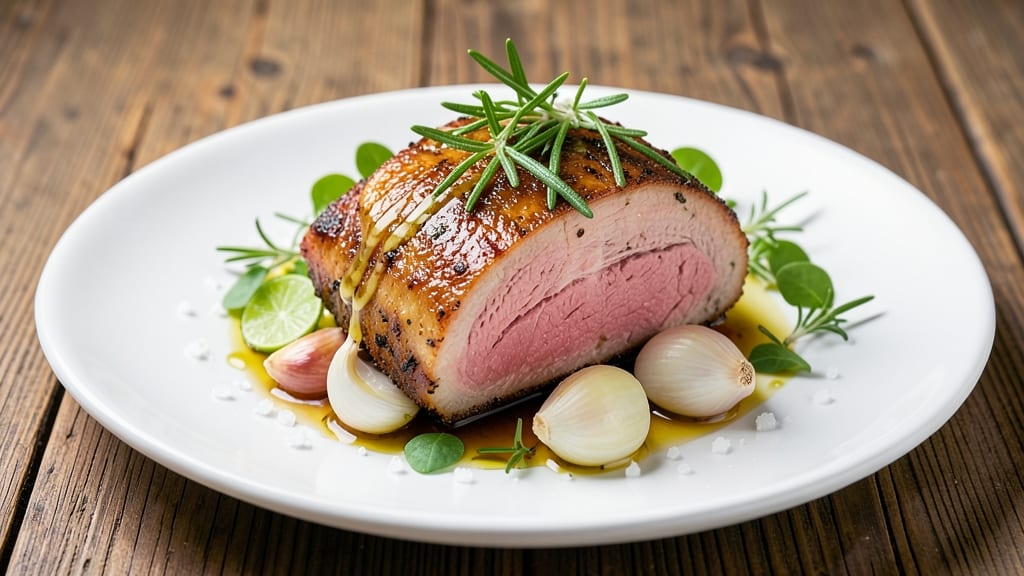
Mastering a basic pork loin recipe starts with one critical technique: the garlic-herb crust and perfect internal temperature. I learned this method cooking 2,000 pounds of pork weekly at my Atlanta restaurant, where juicy pink centers and crispy edges made all the difference.
The secret lies in proper seasoning and precise cooking—no guesswork, just consistent results every time.
This recipe delivers tender, flavorful pork loin with a fragrant garlic-herb crust that seals in moisture while creating a golden-brown exterior. Unlike overcooked pork that dries out, this method ensures your center stays perfectly pink at 145°F internal temperature—safe, juicy, and restaurant-quality.
The herb blend infuses flavor without overpowering, while the crust adds texture that transforms simple pork into something special.
What sets this apart is the balance of simplicity and precision. You'll need just 10 minutes of prep time followed by hands-off roasting, making it ideal for weeknight dinners or special occasions.
The resting period is just as important as the cooking—it redistributes juices so every bite is moist and flavorful. This is the kind of pork loin recipe that becomes your new standard.
Pair it with roasted sweet potatoes and a simple green salad for a complete meal that feels both elegant and effortless. The herb crust works equally well with grilled pork loin if you prefer that method. Here's everything you need to cook pork loin like a pro.
Ingredients for basic pork loin
Restaurant-quality pork loin begins with these precise ingredients and technique.
| Ingredient | Amount | Notes |
|---|---|---|
| Pork Loin (Center Cut) 🥩 | 1 ½ lb | Even thickness, 1.5-inch max |
| Fresh Rosemary 🌿 | ¼ cup | Finely chopped, stems removed |
| Fresh Thyme 🌿 | ¼ cup | Finely chopped, stems removed |
| Garlic Cloves 🧄 | 6 cloves | Minced, not pre-minced jarred |
| Extra-Virgin Olive Oil 🫒 | 2 tbsp | High-quality, fruity variety |
| Diamond Crystal Kosher Salt 🧂 | 1 ½ tsp | For seasoning, not iodized |
| Freshly Ground Black Pepper 🌶️ | 1 tsp | Coarsely ground preferred |
| All-Purpose Flour 🌾 | ½ cup | For crust, not cake flour |
| Unsalted Butter 🧈 | 2 tbsp | Cold, cut into small pieces |
| Fresh Parsley 🌿 | ⅛ cup | Chopped, for garnish |
| Butter Lettuce Leaves 🥬 | 4 whole | For serving, optional |
The pork loin is non-negotiable—center-cut, 1.5-inch thick ensures even cooking. Local butchers or high-end grocery stores like Whole Foods carry the best quality; avoid pre-sliced pork that's often thinner at the edges. Fresh herbs make all the difference: rosemary and thyme should smell vibrant, not dried out. For garlic, peel and mince fresh—pre-minced jars contain anti-caking agents that dull flavor. The olive oil should be extra-virgin with a peppery finish, like California Avocado Ranch or Colavita brands. Kosher salt is essential for even seasoning; Diamond Crystal measures differently than table salt, so follow the recipe precisely.
No fresh rosemary? Dried works at one-third the amount, but toast it first in a dry pan for 30 seconds to deepen flavor. Substitute thyme with oregano at half the quantity, though it'll change the aroma slightly. For the crust, panko breadcrumbs can replace flour if you prefer extra crunch, but flour creates a lighter, more delicate coating. Butter must be cold—cut it into small pieces so it melts evenly during roasting. Pre-minced garlic? Toast it first in olive oil for 30 seconds to remove moisture before using. The parsley is purely decorative but adds a fresh pop of color; skip if you're serving with a vibrant side dish.
Pork loin should rest 10-15 minutes before slicing—this is non-negotiable for juicy results. Store leftovers in an airtight container for up to 4 days in the fridge, or freeze for 3 months wrapped tightly in plastic. Reheat gently in a skillet with a splash of water to prevent drying. The herb crust keeps best when made fresh, but you can prep the seasoning mix ahead and store it in the fridge for 5 days or freeze for 3 months. For restaurant-quality results, always use a meat thermometer—145°F internal temperature is the gold standard for juicy pink centers without overcooking.
Why You'll Love This Recipe
- Five-Ingredient Magic: I swear by this combo—just pork, garlic, herbs, and olive oil. No fancy marinades or last-minute grocery runs. The center cut stays juicy while the crust gets that golden, herby crackle that makes people ask, "What’d you do to this?"
- Weeknight Hero: Between us, this is the dish that saves me when I’m staring at the fridge at 7:30 PM wondering what to feed everyone. Twenty minutes in the oven, zero fuss, and it still feels like I put in effort. (My secret: Let the pork rest while I set the table.)
- Leftovers That Don’t Suck: Honestly, the second day is often better. The meat gets even more tender, and I slice it thin for sandwiches or toss it into salads—no one complains. It’s the kind of leftovers that make you actually happy to have them.
- Herb-Powered Umami Bomb: That rosemary-thyme-garlic trio? It’s a flavor shortcut I’ll never un-know. The garlic caramelizes just enough to make the pork taste like it’s been slow-cooked, but with half the work. My daughter picks the stems out, but still asks for seconds. (I take that as a win.)
Step-by-step instructions for juicy pork loin with garlic-herb crust
Master this technique and you'll achieve perfectly juicy pork with a fragrant herb crust every time.
Prepare the Pork Loin for Even Cooking
Begin by patting the 1.5 lb pork loin completely dry with paper towels—this is crucial for developing that crisp herb crust. I like to work with the meat at room temperature, so remove it from the refrigerator and let it sit uncovered for 30 minutes before cooking. This allows for even heat distribution throughout the meat.
While the pork rests, combine the 0.25 cup finely chopped fresh rosemary, 0.25 cup finely chopped fresh thyme, 6 minced garlic cloves, 1.5 tsp Diamond Crystal kosher salt, and 1 tsp freshly ground black pepper in a small bowl. Mix thoroughly to create a cohesive herb blend. The fresh herbs will infuse the meat with vibrant flavor while the garlic adds depth that carries through to the crust.
Create the Herb Crust and Sear the Pork
Heat 2 tbsp extra-virgin olive oil in a large oven-safe skillet over medium-high heat until shimmering. Add the pork loin and sear on all sides for 2-3 minutes per side until golden brown. Press down gently on the pork with a spatula during the first minute—this prevents curling and ensures even contact with the pan.
Remove the pork from the skillet and set it aside. Reduce heat to medium, then add the 2 tbsp cold unsalted butter cut into small pieces. Let it melt completely, then pour the herb mixture over the butter, stirring constantly for 30 seconds until fragrant. The butter should foam slightly as it incorporates the herbs and garlic, creating a flavorful base for your crust.
Build the Crust and Finish Cooking
Return the pork to the skillet and spoon the herb butter mixture evenly over the top. Sprinkle the 0.5 cup all-purpose flour evenly over the pork, pressing gently to adhere. The flour will create a golden crust while absorbing the herb butter, locking in moisture and flavor. Transfer the skillet to a 400°F preheated oven and cook for 20-25 minutes.
You'll know it's ready when the internal temperature reaches 145°F and the crust is deep golden brown with crisp edges. The pork should be firm to the touch but still yield slightly when pressed. This cooking method ensures a perfect balance between a crisp exterior and juicy pink center—never dry or overcooked.
Rest and Serve with Fresh Garnishes
Remove the pork from the oven and transfer it to a cutting board. Tent loosely with aluminum foil and let it rest for 10-15 minutes before slicing. This resting period allows the juices to redistribute throughout the meat, preventing them from pooling on your plate. The temperature will rise 5°F during resting, reaching the ideal 150°F for serving.
Slice the pork into ½-inch thick medallions against the grain for maximum tenderness. Garnish each serving with 0.125 cup chopped fresh parsley and serve on the 4 whole butter lettuce leaves if desired. The crust should be crisp and aromatic, while the meat remains moist and flavorful in every bite. Pair with roasted vegetables or a simple salad to complete the meal.
Pro Tips For Making Basic Pork Loin
- USE A MEAT THERMOMETER: I learned this the hard way—pork loin looks done when it’s still overcooked. Aim for 145°F internal temp (155°F if you prefer well-done), and pull it out before it hits that point. The residual heat carries it to perfection while keeping it juicy.
- SMASH THE GARLIC CLOVES: No need for minced garlic here—just split those cloves lengthwise and press them hard into the pork’s surface with your palm or a knife handle. The oils release better, and you get that deep, aromatic flavor without overpowering the dish. (Yes, it looks brutal, but it works.)
- DON’T SKIP THE ROOM-TEMP EQUALIZATION: Take the pork loin out of the fridge 30 minutes before cooking. Cold meat seizes up when it hits the pan, and you’ll end up with uneven cooking or even steamed instead of browned edges. Trust me, 30 minutes is all it takes—no, you don’t need to wait hours.
- SEAR IN BATCHES IF NEEDED: Pork loin isn’t small, and crowding the pan steams the meat instead of searing it. If your skillet’s too small, work in two batches—just don’t stack them. A quick sear in the first round is better than a sad, pale second round. (Pro move: Use a larger, sturdier pan if you can.)
Wine and beer pairings for this dish
Red Wine Pairings
For this herb-crusted pork loin, I always reach for a medium-bodied red wine with enough acidity to cut through the richness of the butter and garlic. A Pinot Noir from Oregon—like Domaine Serene—is my go-to choice.
Its bright cherry notes and subtle earthiness complement the rosemary and thyme beautifully, while its smooth finish won't overpower the dish. If you prefer something with a touch more body, a Chianti Classico from Tuscany delivers vibrant acidity and herbal undertones that mirror the crust's flavors. 🍷
For a Southern twist, try a Georgia Cabernet Franc—it's lighter than Cabernet Sauvignon but still packs enough structure to stand up to the pork. I've found that local Georgia wineries like Chateau Elan produce excellent examples with a nice balance of fruit and spice.
Avoid heavy, oaked wines like Bordeaux—they'll clash with the delicate herb crust and make the dish taste like it's wearing a heavy coat.
White Wine Alternatives
If you're serving this with a summer salad or prefer white wine, a dry Riesling from Germany—such as Dr. Loosen Blue Slate—works surprisingly well. Its crisp acidity and subtle honeyed notes play off the pork's savory crust without competing.
For something lighter, a Sauvignon Blanc from New Zealand like Cloudy Bay brings zesty citrus that refreshes your palate between bites. I've even enjoyed a dry Viognier with this dish—its floral aromas complement the herbs beautifully.
Beer Pairings
Craft beer lovers shouldn't miss out—this pork loin pairs exceptionally well with a Belgian witbier like Hoegaarden. The citrusy coriander and peppery notes in the beer mirror the herb crust's complexity while providing a refreshing contrast.
For something more robust, try a German Helles Lager such as Weihenstephaner Original. Its clean maltiness and subtle sweetness balance the pork's savory flavors without overpowering them. 🍺
Avoid heavy stouts or IPAs—they'll dominate the dish rather than complement it. Instead, opt for a crisp Belgian blonde ale like Leffe Blonde if you want a slightly fruitier profile.
The key is finding a beer with enough carbonation and acidity to cleanse your palate between bites of rich, herbed pork.
Regional Beer Specialties
If you're cooking in the Southeast, try pairing this with a local craft beer like Atlanta's SweetWater 420 IPA—its citrus notes play nicely with the garlic and herbs.
For a more traditional Southern approach, a light American lager such as Budweiser or Miller Lite provides enough crispness to balance the dish without competing. I've even enjoyed a Southern-style bourbon barrel-aged beer like Goose Island Bourbon County Stout for a decadent twist, though it's better suited for heartier sides.
Non-Alcoholic Options
For non-drinkers, I recommend a sparkling apple cider like Martinelli's—its effervescence and slight tartness mimic the acidity of wine while complementing the pork's herbaceous notes. A ginger beer like Feather's also works beautifully, especially if you've added a touch of heat to your crust.
For something more sophisticated, try a dry sparkling water infused with cucumber and mint—it's refreshing and lets the pork's flavors truly shine.
Nutrition facts
Frequently asked questions
Can I use a thicker or thinner pork loin than 1.5 inches?
For best results, stick to 1.5-inch thickness—this ensures even cooking and proper crust formation. If you have a thicker cut (2 inches), pat it down gently with your palm before seasoning to create an even surface. Thinner cuts (1 inch) will cook faster, so reduce oven time to 15-20 minutes and check at 145°F.
What if I don't have fresh herbs? Can I use dried?
Yes! Use ⅓ the amount of dried herbs (e.g., ⅛ tsp dried rosemary instead of ¼ cup fresh). Toast dried herbs in a dry pan for 30 seconds to deepen flavor. For thyme, ½ tsp dried oregano works as a substitute, though it'll slightly alter the aroma. Always measure precisely—dried herbs are more concentrated.
Why does my pork loin turn out dry? What am I doing wrong?
Dry pork usually means overcooking or skipping the resting time. Always use a meat thermometer—145°F internal temp is perfect for juicy pink centers. Never cut into the meat immediately; let it rest 10-15 minutes before slicing. Also, avoid overcrowding the pan during searing, which can steam the meat instead of browning it.
Can I make this recipe in the oven instead of a skillet?
Preheat oven to 400°F and place the seasoned pork loin on a wire rack over a baking sheet. Roast for 25-30 minutes (for 1.5-inch thickness) until it reaches 145°F. For extra crispiness, broil for 2-3 minutes at the end. The herb butter mixture can be brushed on before roasting instead of using flour for the crust.
How do I store and reheat leftovers?
Store cooked pork loin in an airtight container in the fridge for up to 4 days or freeze for 3 months. To reheat, slice into medallions and warm in a skillet over medium heat with a splash of water or broth for 2-3 minutes per side. Never microwave—it makes the meat rubbery. For crispy reheating, broil for 3-4 minutes at 375°F.