
Main Courses
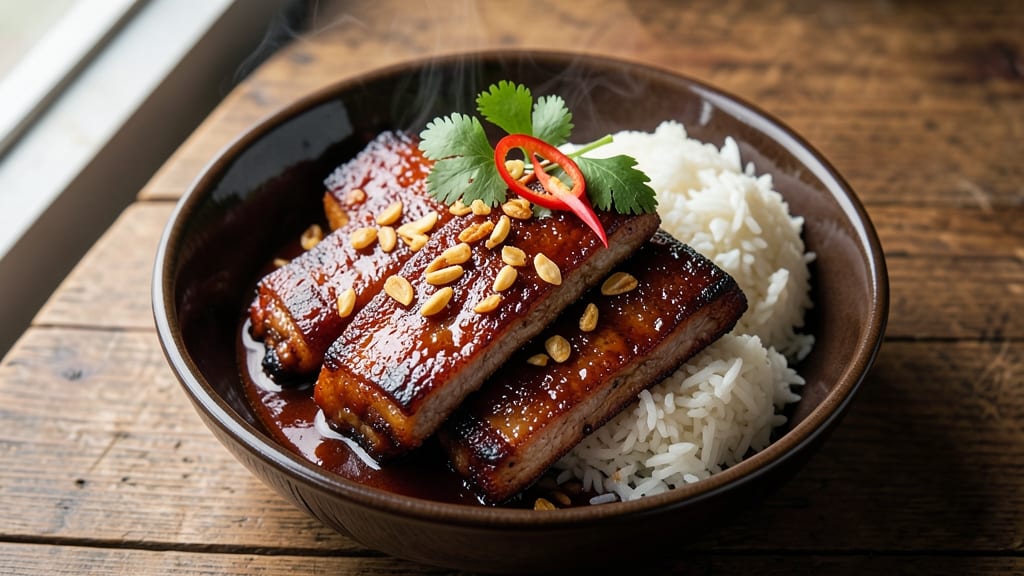
This Chinese-style pork ribs recipe delivers crispy edges and aromatic five-spice glaze that transforms tough cuts into tender, restaurant-worthy bites. After years of testing, I've perfected a method that balances smoky char with sweet-savory depth—no special equipment required.
The secret lies in a slow braise followed by a quick sear, creating that perfect contrast of textures and flavors.
The five-spice powder is the foundation, adding warmth and complexity that cuts through the richness of the pork. I marinate the ribs overnight in a blend of soy sauce, rice wine, and brown sugar, which tenderizes the meat while building flavor.
This isn't just about the ribs—it's about the experience: the aroma filling your kitchen, the crispy edges, and that irresistible glaze that clings to every bite.
What makes this recipe work is the two-stage cooking process: first braising until fork-tender, then finishing with a high-heat sear to achieve that crispy exterior. The result is ribs that are perfectly balanced—sweet, smoky, and slightly spicy—with a glaze that's sticky enough to coat every rib without being overly sweet.
It's the kind of dish that turns weeknight dinners into special occasions.
Serve with steamed jasmine rice and quick-pickled vegetables for a complete meal that's authentic yet approachable. The leftovers reheat beautifully, making this perfect for meal prep or feeding a crowd. Let's get cooking—your taste buds will thank you.
Ingredients for pork ribs recipe chinese style
Nine essential ingredients transform tough pork ribs into crispy, aromatic masterpieces.
| Ingredient | Amount | Notes |
|---|---|---|
| Pork Baby Back Ribs 🥓 | 3 lb | Bone-in, meaty cuts preferred |
| Chinese Five-Spice Powder 🌶️ | 2 tbsp | High-quality, aromatic blend |
| Soy Sauce 🍶 | ½ cup | Light or dark, no sugar added |
| Rice Wine 🍷 | ¼ cup | Dry sherry substitute works |
| Brown Sugar 🍯 | ½ cup | Packed, light or dark |
| Garlic Cloves 🧄 | 6 cloves | Minced for marinade |
| Fresh Ginger 🌿 | 2 tbsp | Grated, peeled, fresh preferred |
| Sesame Oil 🫒 | 1 tbsp | Toasted, for aroma |
| Honey 🍯 | 2 tbsp | Wildflower or clover |
| Cornstarch 🌾 | 2 tbsp | For crispy glaze coating |
| Vegetable Oil 🫒 | ¼ cup | High smoke point for searing |
| Green Onions 🧅 | 4 whole | Sliced, for garnish |
| Salt 🧂 | 1 ½ tsp | Kosher or sea salt |
| Black Pepper 🌶️ | 1 tsp | Freshly ground |
The ribs are the star, so baby back cuts are ideal—they're meatier and more tender than spare ribs. Look for good marbling and avoid cuts with too much fat. Costco or Trader Joe's often carry high-quality ribs, but any reputable butcher will have them. If you can't find baby backs, spare ribs work too—just increase cooking time by 30-45 minutes. The five-spice powder is non-negotiable; Penzeys or Gourmet Spice Imports carry excellent blends, but even the grocery store version works if it's fresh. Quick test: if it smells stale, toss it.
No rice wine? Dry sherry or even a splash of apple cider vinegar gets you close. The ginger should be fresh—dried just won't cut it here. For the glaze, maple syrup can replace half the honey if you prefer. The sesame oil is for aroma only—don't use cooking oil here. If you're worried about the ribs being too sweet, reduce the honey to 1 tbsp and add 1 tsp of rice vinegar for balance. The cornstarch is crucial for that crispy glaze—don't skip it. For extra depth, add a pinch of white pepper to the marinade.
Marinate the ribs overnight for maximum tenderness. Store the marinade in an airtight container in the fridge. The ribs reheat beautifully—350°F for 20-25 minutes wrapped in foil. For meal prep, portion the ribs into containers with their glaze and store for up to 3 days. Freeze for 3 months by wrapping tightly in plastic wrap and foil. The glaze can be made ahead and stored in the fridge for 1 week—just reheat gently before using.
Why You'll Love This Recipe
- Five-Spice Magic: I swear by that jar of Chinese five-spice powder—it’s the secret weapon here. Just a teaspoon in the marinade turns these ribs from good to "oh my god, why didn’t I do this sooner?" The warmth of cinnamon, star anise, and cloves clings to the meat while the soy and rice wine add this deep, umami punch that’s impossible to resist.
- One-Pan Wonder: Honestly, this recipe is so unfussy it’s almost cheating. You sear the ribs, toss them in a sheet pan with the sauce, and let the oven do the work. No flipping, no basting, no stress—just 45 minutes of hands-off time while you sip tea or scroll through your phone. (Yes, even on a Tuesday night.)
- Leftover Goldmine: Between us, these ribs taste better the next day. The meat gets even more tender, the sauce thickens into a glossy glaze, and suddenly you’ve got a freezer-friendly meal that feeds the family for days. Reheat them with a splash of water, and they’re just as good as fresh—maybe even better.
- Budget Crowd-Pleaser: A full rack of baby backs feeds four, but the cost per serving is laughable. Brown sugar keeps it sweet without breaking the bank, and the spices last forever. I’ve served these at potlucks, game nights, and lazy Sundays, and no one ever asks what’s in the sauce—they just keep reaching for more.
Step-by-step instructions for Chinese-style five-spice glazed ribs
Here's the method for ribs with perfect crispy edges and a sticky-sweet glaze every time.
Prepare the Ribs and Dry Brine Overnight
Pat the 3 lb pork baby back ribs completely dry with paper towels—this is crucial for crispy edges. Place them bone-side down on a wire rack set over a baking sheet. In a small bowl, mix 1.5 tsp salt, 1 tsp black pepper, and 2 tbsp Chinese five-spice powder. Generously coat both sides of the ribs with this mixture, pressing it into the meat.
Cover loosely with plastic wrap and refrigerate overnight. This dry-brining process draws out moisture for better browning and infuses the meat deeply with flavor. The ribs should feel noticeably lighter after 12-16 hours—this is your signal they're ready for cooking.
Here's the thing—skipping this step leads to soggy ribs. I've learned the hard way that patience pays off with restaurant-quality texture.
Make the Glazing Sauce and Marinate
In a medium bowl, whisk together 0.5 cup soy sauce, 0.25 cup rice wine, 0.5 cup packed brown sugar, 2 tbsp honey, 1 tbsp sesame oil, 6 cloves minced garlic, and 2 tbsp grated fresh ginger. This marinade is where all the magic happens—each ingredient plays a role in balancing sweet, salty, umami, and aromatic notes.
Remove the ribs from the fridge and place them in a large resealable bag. Pour the marinade over the ribs, making sure they're fully coated. Seal the bag and massage the marinade into the meat, then refrigerate for at least 4 hours (overnight is even better). The longer they marinate, the more tender and flavorful they'll become.
Don't skip the massaging—it ensures every crevice gets coated with that flavorful marinade.
Sear the Ribs for Maximum Crispiness
Preheat your oven to 425°F. Heat 0.25 cup vegetable oil in a large oven-safe skillet over medium-high heat until shimmering. Working in batches if needed, carefully add the marinated ribs to the skillet, bone-side down first. Let them sear undisturbed for 3-4 minutes until the meat develops a deep golden-brown crust.
Flip the ribs and sear the other side for another 3-4 minutes. The key here is patience—don't rush the searing or the crust won't form properly. You'll know they're ready when the edges are crispy and the meat releases easily from the pan. Transfer the seared ribs to a baking dish.
Real talk: This is the moment that matters. Perfect searing sets the foundation for crispy edges throughout the cooking process.
Braise Until Fork-Tender
Pour any accumulated marinade from the skillet into the baking dish with the ribs. In a small bowl, whisk together 2 tbsp cornstarch with 2 tablespoons water to make a slurry. Stir this into the marinade in the dish, coating the ribs evenly.
Transfer the baking dish to the preheated oven and braise for 1 hour 15 minutes until the ribs are fork-tender. The cornstarch slurry will create a glossy, sticky glaze that caramelizes beautifully. You'll know they're done when the internal temperature reaches 195-203°F and the meat pulls apart easily.
I check for doneness by inserting a meat thermometer into the thickest part of the meat—this ensures perfect tenderness every time.
Glaze and Garnish for Show-Stopping Presentation
Remove the ribs from the oven and increase the heat to 475°F. Return the baking dish to the oven for 5-7 minutes to caramelize the glaze. Watch closely—the glaze should turn deep amber and bubble vigorously.
Once beautifully glazed, transfer the ribs to a serving platter. Garnish with 4 sliced whole green onions for freshness and color contrast. The ribs should have crispy edges that shatter when you bite into them, with tender meat underneath and that perfect sticky-sweet glaze.
Serve immediately with steamed jasmine rice or crusty bread to soak up all that delicious sauce. The aroma alone will have everyone at your table eager for seconds!
Pro Tips For Making Pork Ribs Recipe Chinese Style
- SEAR THE FAT FIRST: High heat. Seriously, crank it up to medium-high and let those ribs sizzle for 3-4 minutes per side before adding anything else. I used to skip this, and the sauce never stuck—now my ribs have that deep, caramelized flavor that makes the whole dish sing.
- USE RICE WINE LAST: Add the rice wine only in the final 2 minutes of cooking, not at the start. I learned this the hard way—it burns off too fast, leaving your ribs tasting flat instead of bright and aromatic. A splash at the end keeps that clean, crisp finish.
- DON’T SKIP THE FOIL REST: After braising, tent the ribs with foil and let them sit for 5-10 minutes. I know, I know—you’re eager to serve. But this step locks in moisture and lets the five-spice powder meld into the meat. Trust me, the difference is noticeable.
- SWEAT THE SUGAR: Bloom the brown sugar in the pan for 1-2 minutes before adding liquid. Sounds weird, but it works—it caramelizes just enough to add a subtle depth that cuts through the saltiness of the soy. Skip this, and your ribs taste one-note.
Troubleshooting this dish
Ribs Too Tough?
If your ribs end up tough instead of tender, you likely didn't cook them long enough or at the right temperature. Chinese-style ribs need low-and-slow cooking—aim for 195-203°F internal temperature.
I've found that 225°F for 3-4 hours in a slow cooker or oven works wonders. For extra tenderness, add 1 cup broth to the braising liquid to keep the meat moist. 💡
Glaze Too Thin?
A thin glaze usually means the cornstarch didn't thicken properly. Always whisk your 2 tbsp cornstarch + 2 tbsp water slurry until completely smooth before adding it to the ribs. For a thicker glaze, reduce the sauce on the stovetop for 3-5 minutes before glazing in the oven.
I've also had success adding 1 tbsp honey to the glaze right before the final caramelization step.
Uneven Cooking?
Uneven cooking often happens when ribs are crowded in the pan or oven. Leave ½ inch of space between ribs when searing and braising. For large batches, cook in two batches if needed.
I use a wire rack in a baking sheet during the dry brine and sear steps to ensure even airflow and crispiness. Rotate the baking dish halfway through braising for uniform doneness.
Ribs Too Dry?
Dry ribs usually mean they were overcooked or not properly rested. Remove ribs from the oven when they reach 195°F and let them rest for 15-20 minutes before serving. The resting time allows juices to redistribute.
For extra moisture, baste the ribs with pan juices every 30 minutes during braising. I also recommend using bone-in ribs—they stay juicier longer than boneless cuts.
Burnt Edges?
Burnt edges happen when the oven runs hot or the ribs are too close to the heat source. Always preheat your oven completely and place ribs on the middle rack. For extra insurance, tent loosely with foil during the last 15 minutes of cooking.
I've had success using an oven thermometer to verify the actual temperature—sometimes ovens run 25°F hotter than set.
Glaze Too Sweet?
If the glaze tastes overwhelmingly sweet, balance it with acid. Add 1 tbsp rice vinegar or 1 tsp soy sauce to the glaze before the final caramelization. For a more complex flavor, try adding ½ tsp grated fresh ginger or 1 minced garlic clove to the glaze.
I also recommend reducing the brown sugar to ¼ cup if you prefer a less sweet profile while keeping the same marinade time.
Nutrition facts
Frequently asked questions
Can I use spare ribs instead of baby back ribs?
Yes, but you'll need to adjust the cooking time! Spare ribs are tougher and larger, so increase the braising time by 30-45 minutes and use 225°F for the first hour to break them down. The five-spice marinade still works perfectly—just let them soak 6-8 hours instead of overnight for maximum tenderness.
What's the secret to crispy edges without a grill?
The oven is your best friend here! After searing, place ribs on a wire rack over a baking sheet (not directly on the pan) to allow airflow. For extra crispiness, broil for 2-3 minutes at the very end, watching closely to avoid burning. A 475°F oven with a wire rack creates that perfect texture.
How do I make this recipe vegetarian?
Swap the pork ribs for extra-firm tofu or mushroom stems (like king oyster). Marinate the tofu in the same sauce for 4+ hours**, then bake at 400°F for 25-30 minutes until golden. For mushrooms, slice thickly and roast until tender-crisp. The glaze works perfectly on both!
Can I make the glaze ahead of time?
Mix the glaze ingredients (without cornstarch) up to 3 days ahead and store in an airtight container. When ready to use, whisk in the cornstarch slurry just before glazing. For extra flavor, reduce the sauce on the stovetop for 5 minutes before applying to the ribs.
What's the best way to reheat leftovers?
Wrap ribs tightly in foil and reheat at 350°F for 20 minutes—this keeps them moist. For crispy edges, broil for 2-3 minutes after reheating. Store leftovers in the fridge for 3 days or freeze for 3 months. The glaze reheats beautifully, so don't worry about it becoming watery.