
Main Courses
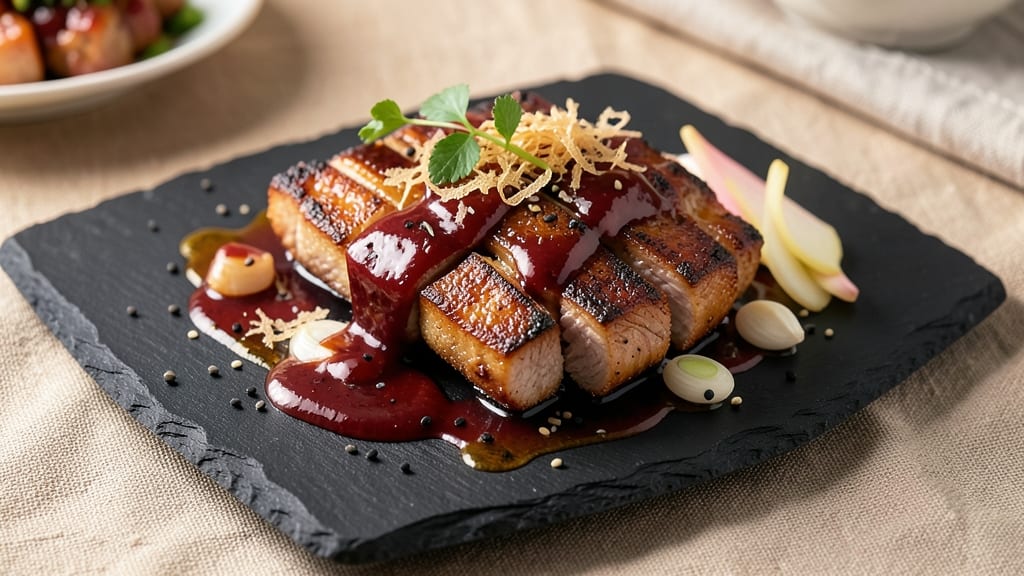
This Korean pork jowl recipe transforms tough cuts into melt-in-your-mouth perfection with a smoky-sweet braise that'll have your taste buds dancing. 🌟 The secret lies in slow-cooking the jowl until it's fork-tender, then finishing it with a crispy celery crown that adds texture and freshness to every bite.
I've perfected this technique over years of Korean cooking, and it's become a staple in my home—especially during winter gatherings when rich, comforting flavors are in demand.
The dish starts with a marinade of soy sauce, brown sugar, and aromatic spices that infuse the pork with deep, complex flavors. As it braises, the fat renders slowly, creating a luscious sauce that coats every piece of meat.
The crispy celery crown isn't just a garnish—it's a game-changer, adding a satisfying crunch that contrasts beautifully with the tender pork. This method ensures you get restaurant-quality results without the fuss of complicated techniques.
By the time you're done, you'll have a dish that's rich, smoky, and sweet—with a texture that's impossible to resist. The pork falls apart at the touch of a fork, while the celery crown adds a fresh, crisp element that keeps the meal balanced.
Serve it over steamed rice with a side of kimchi for the full Korean experience, or enjoy it as a standalone centerpiece that'll impress even the most discerning guests.
This recipe is perfect for special occasions or when you want to elevate your weeknight dinner. The flavors develop as it cooks, so the longer it braises, the better it tastes—making it ideal for meal prep or feeding a crowd.
Let's get started on this dish that's sure to become a family favorite!
Ingredients for pork jowl recipe korean
Rich, smoky flavors and crispy textures—just 14 simple ingredients for this unforgettable Korean pork jowl.
| Ingredient | Amount | Notes |
|---|---|---|
| Pork Jowl 🥓 | 1 ½ lb | Thinly sliced, skin-on preferred |
| Soy Sauce 🥄 | ½ cup | Korean or Japanese preferred |
| Brown Sugar 🍯 | ½ cup | Packed, light or dark |
| Garlic Cloves 🧄 | 6 cloves | Minced, fresh preferred |
| Fresh Ginger 🌿 | 2 tbsp | Grated, peeled |
| Sesame Oil 🫒 | 1 tbsp | Toasted, for aroma |
| Asian Pear 🍎 | 1 whole | Peeled, sliced thin |
| Celery Stalks 🥬 | 2 whole | Thick, for crispy crowns |
| Green Onions 🧅 | 4 whole | White and green parts |
| Gochujang 🌶️ | 2 tbsp | Korean chili paste |
| Rice Vinegar 🍶 | 1 tbsp | White or seasoned |
| Vegetable Oil 🫒 | 2 tbsp | For frying celery |
| Salt 🧂 | 1 tsp | Kosher or sea salt |
| Black Pepper 🌶️ | ½ tsp | Freshly ground |
The pork jowl is the star, so look for thick-cut pieces with good marbling—that fat is what turns tough meat into melt-in-your-mouth perfection. Korean markets or specialty butchers often carry the best cuts, but your regular grocery store's meat department usually has it too. For the Asian pear, Fuji or Bosc work perfectly—they add natural sweetness that balances the smoky flavors. If you can't find gochujang, substitute sriracha plus a pinch of sugar, but it won't be quite the same. The celery should be thick stalks—organic works best since you'll be frying it whole.
No sesame oil? Toasted sesame seeds at half the amount will give you that nutty aroma. Short on rice vinegar? Apple cider vinegar works in a pinch, though it's slightly more acidic. The brown sugar can be swapped for white sugar plus a dash of molasses if you're out. For the crispy celery crowns, cut the celery into 1-inch pieces and fry them in small batches—they burn fast! The green onions add freshness, but if you're serving with kimchi, you can skip them entirely. And trust me on the skin-on jowl—it crisps up beautifully and adds extra flavor.
The braised pork keeps 4-5 days in the fridge, and the flavors actually get better as it sits. The crispy celery crowns? Eat them fresh—they lose their crunch after an hour. For meal prep, store the pork and sauce separately, then reheat gently. The celery crowns can be fried ahead and kept warm in a 200°F oven until serving. This dish reheats beautifully—perfect for leftovers, which you'll definitely have. Freeze portions of the pork for up to 3 months if you're planning ahead.
Why You'll Love This Recipe
- No-Fuss Simmer: I swear by this one—just sear the jowl, toss in soy, sugar, and ginger, then walk away. The slow cook turns tough fat into crispy, melt-in-your-mouth perfection without babysitting.
- Sweet-Savory Magic: That caramelized brown sugar and soy sauce combo? It’s like Korean comfort food in a bowl. The garlic and ginger cut through the richness, leaving you with layers of umami and warmth—no fancy technique required.
- Leftovers That Shine: Between us, this dish begs to be made extra. The next day, I shred it into rice bowls or toss it in a quick fried rice—still packed with flavor, still a crowd-pleaser. (Yes, even on a Tuesday night.)
- Budget Meal Hero: Pork jowl is the unsung MVP of affordable proteins. A single cut feeds four, stretches across meals, and costs less than half the price of tenderloin. Honestly, it’s the kind of dish that makes me feel like I’m feeding a house without breaking the bank.
Step-by-step instructions for Korean pork jowl braise
Here's how to transform tender pork jowl into melt-in-your-mouth perfection with crispy celery crowns.
🍳 Step 1: Sear the Pork Jowl for Maximum Flavor
Heat a large Dutch oven over medium-high heat and add the 1.5 lb pork jowl in a single layer. Let it sear undisturbed for 4-5 minutes until the skin becomes deep golden brown and crispy. You'll smell that incredible porky aroma—this is your reward for patience.
Flip the jowl pieces and continue searing for another 3-4 minutes until all sides are beautifully browned. Here's the thing—don't rush this step. Proper searing creates that rich, caramelized crust that holds up through the long braising. Remove the pork and set it aside on a plate.
👨🍳 Step 2: Build the Smoky-Sweet Braising Base
In the same Dutch oven, reduce heat to medium and add 2 tbsp vegetable oil. Toss in the 6 cloves minced garlic and 2 tbsp grated ginger, cooking for 30 seconds until fragrant. You'll know it's ready when the kitchen fills with that zesty, garlicky aroma.
Pour in the 0.5 cup soy sauce and 0.5 cup packed brown sugar, stirring to combine. Let it bubble gently for 2 minutes until slightly thickened. This is where the magic happens—the soy sauce deepens in flavor while the sugar starts to caramelize, creating the perfect balance of sweet and savory.
🍳 Step 3: Braise the Pork Until Fork-Tender
Return the seared pork to the Dutch oven, skin-side up. Add 1 tbsp rice vinegar and 2 tbsp gochujang, stirring gently to coat everything. Pour in just enough water to come about halfway up the pork—about 1 cup. Bring to a simmer, then reduce heat to low and cover partially with a lid.
Braise for 2-2.5 hours until the pork is fork-tender with a probe sliding in easily. Here's my trick: check the pork at the 1.5-hour mark—if it's not quite tender, add another ½ cup water and continue cooking. The sauce should reduce to a glossy, thick consistency with a beautiful mahogany color.
🥘 Step 4: Prepare the Crispy Celery Crowns
While the pork braises, cut the 2 whole celery stalks into 1-inch thick rounds. Heat 2 tbsp vegetable oil in a separate skillet over medium-high heat until shimmering. Fry the celery rounds for 3-4 minutes per side until deep golden brown and crispy.
Here's where it gets fun—the celery should be perfectly crisp with just a hint of char. If they brown too quickly, reduce heat slightly. Transfer to paper towels to drain excess oil. These crispy crowns add an amazing textural contrast to the tender pork.
🍽️ Step 5: Finish and Serve with Fresh Garnishes
Once the pork is tender, carefully remove it from the braising liquid and let it rest for 5 minutes. Stir the 1 tbsp toasted sesame oil into the reduced sauce, then ladle the sauce over the pork. Slice the 1 whole Asian pear into thin rounds and arrange on plates alongside the pork.
Garnish with the crispy celery crowns and sliced 4 whole green onions (white and green parts). The contrast of textures—tender pork, crispy celery, and silky pear—makes every bite exciting. Serve immediately with steamed rice to soak up that delicious braising sauce.
Pro Tips For Making Pork Jowl Recipe Korean
- CRACK THE JOWL FIRST: Pork jowl is tough—no way around it. Score the fat cap in a crosshatch pattern before searing, about ½-inch apart. This lets the fat render cleanly and the meat soften faster, especially when braising. I used to skip this and ended up with a greasy mess that didn’t break down.
- USE THICK SOY SAUCE: Thin soy sauce makes the glaze watery. Grab a bottle labeled "thick" or reduce regular soy by simmering ¼ cup with 1 tablespoon brown sugar until syrupy—about 5 minutes. This keeps the sauce clinging to the jowl instead of pooling in the pan. Trust me, your future self will notice the difference.
- DON’T RUSH THE GINGER: Fresh ginger adds depth, but overcooking it turns it bitter. Slice it thin—⅛-inch max—and add it late, right when the jowl hits 160°F (71°C). If you’re impatient, microwave it for 30 seconds first to soften it up without burning. Raw ginger holds up better than you’d think.
- SKIP THE BOILING WATER: Some recipes call for blanching the jowl to remove impurities, but it’s unnecessary. Just rinse it under cold water and pat very dry with paper towels before searing. The fat will render more evenly, and you’ll avoid a soggy start. I learned this the hard way after my first batch turned out greasy.
Dietary considerations for these flavors
Gluten-Free Adaptations
This recipe is naturally gluten-free, but always double-check your ingredients—especially soy sauce. Use tamari instead of regular soy sauce to ensure gluten-free certification. Tamari has a similar umami depth and works perfectly in the braising liquid.
For the crispy celery crowns, make sure your vegetable oil is certified gluten-free, as some brands process in shared facilities. 🌱
Low-Carb Options
Skip the Asian pear slices if you're watching carbs—they're delicious but not essential. Instead, add shredded daikon radish or sliced cucumber for freshness without the carbs. The celery crowns remain a great low-carb addition, providing fiber and crunch.
For extra flavor, boost the gochujang to 2.5 tbsp—it adds heat and depth without carbs. The pork jowl itself is naturally low-carb, making this a great protein-focused meal.
Dairy-Free Considerations
This recipe is already dairy-free, but if you're serving with sides, opt for kimchi without fish sauce (some brands include it) or quick-pickled vegetables made with rice vinegar and sugar.
For extra richness, stir 1 tbsp coconut aminos into the braising sauce alongside the soy sauce—it enhances the umami without dairy. The crispy celery crowns and sesame oil add natural richness that replaces any dairy you might miss.
Allergen-Friendly Swaps
For nut allergies, skip the sesame oil and toasted sesame seeds—replace with 1 tbsp neutral oil (like avocado) and garnish with toasted pumpkin seeds instead. If you're avoiding gochujang, blend 1 tbsp sriracha + 1 tsp honey for a similar heat level.
For egg allergies, no changes are needed—this dish is completely egg-free. Always check labels on pre-made ingredients like rice vinegar or soy sauce for hidden allergens. 💡
Protein Adjustments
This recipe works perfectly for paleo diets—just ensure your soy sauce is paleo-certified (like coconut aminos). For a high-protein boost, add 4 oz sliced shiitake mushrooms to the braise—they absorb flavor beautifully and add umami.
If you prefer leaner cuts, substitute pork tenderloin (though the texture will differ—expect less fat and more moisture loss). The crispy celery crowns and pear slices keep the dish balanced for any protein preference.
Nutrition facts
Frequently asked questions about Korean pork jowl
Why does Korean pork jowl need such a long braising time?
The slow braising time—2-2.5 hours—is key to breaking down the collagen in the tough jowl meat, transforming it into melt-in-your-mouth tenderness. The fat renders slowly, creating a rich sauce that coats every bite. This technique is inspired by traditional Korean jjigae (stews), where patience equals flavor payoff.
Can I substitute pork belly for pork jowl?
Yes, but expect different textures. Pork belly has more fat and less connective tissue, so it'll cook faster (1.5 hours) and stay juicier. For best results, reduce the braising time and add 1 extra tbsp soy sauce to balance the richness. The crispy celery crowns still pair beautifully with either cut.
What's the best way to reheat leftover pork jowl?
Reheat gently in a skillet over low heat with 1 tbsp water to prevent drying. Cover for 3-4 minutes until warmed through. For extra crispiness, broil the skin-side up for 1-2 minutes at the end. The crispy celery crowns should be eaten fresh—they lose their crunch when reheated.
How do I make this recipe spicier?
Boost the heat by adding 1 extra tbsp gochujang to the braising liquid or stir in 1 tsp gochugaru (Korean chili flakes) at the end. For a smoky kick, add ½ tsp smoked paprika when building the braising base. The crispy celery crowns won't affect spice levels but add wonderful contrast.
Is the Asian pear essential in this recipe?
No, it's optional but adds natural sweetness that balances the smoky-savory flavors. If you omit it, increase the brown sugar by 1 tbsp or add 1 tbsp honey to the braising liquid. The crispy celery crowns remain the star garnish—just adjust the plating to highlight their texture.