
Main Courses
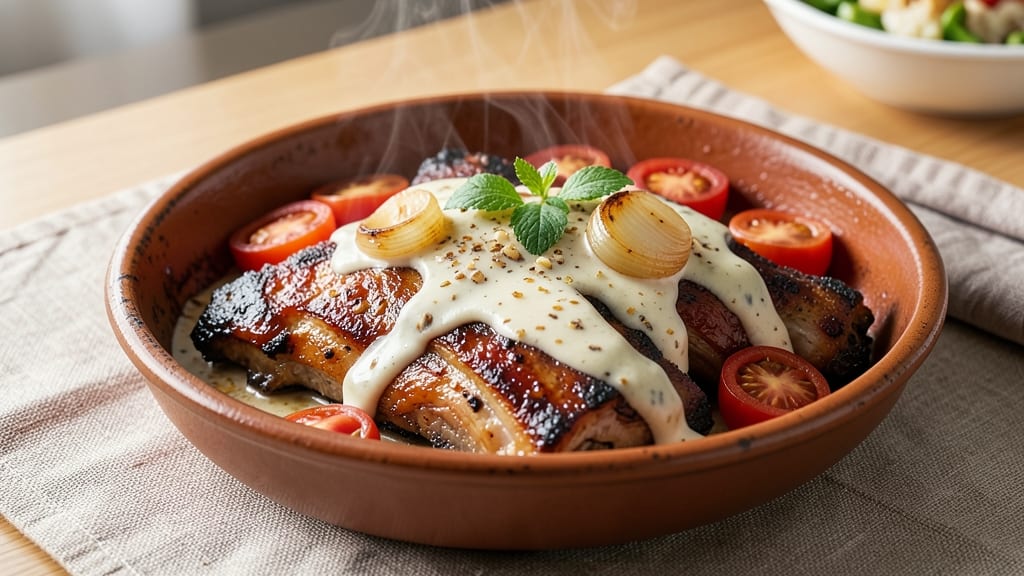
This Panlasang Pinoy caldereta pork ribs recipe delivers the rich, comforting flavors of Filipino home cooking with its signature crispy edges and velvety coconut cream. 🌟 Growing up in Atlanta, I fell in love with my grandmother's slow-cooked stews, and this dish captures that same hearty, aromatic essence—just with a Filipino twist.
The secret lies in braising the ribs until they're fall-apart tender while building layers of tomato-spiced sauce that caramelize beautifully.
The magic happens through a slow simmer, where the pork ribs develop that coveted crispy texture on the edges while staying tender inside. Panlasang Pinoy's approach incorporates traditional ingredients like liver spread (optional but recommended) and a blend of spices that create depth without overpowering.
This isn't just a stew—it's a celebration of Filipino comfort food that transforms simple ingredients into something extraordinary.
What you'll end up with is a steaming pot of crispy-edged ribs swimming in a thick, fragrant sauce that coats every bite. The coconut cream adds richness while potatoes, string beans, and eggplant soak up all the flavor.
The aroma alone will have your whole house gathering around the table—this is the kind of dish that tastes even better the second time around.
Perfect for family dinners or special occasions, this recipe scales beautifully while maintaining that authentic Filipino soul. The best part? It gets better as it sits, allowing flavors to meld and intensify. Let's bring Panlasang Pinoy's signature caldereta to your kitchen—where every spoonful tells a story of home.
Ingredients for caldereta pork ribs recipe panlasang pinoy
Six pounds of pork ribs and a few Filipino pantry staples transform into a rich, coconut-infused stew.
| Ingredient | Amount | Notes |
|---|---|---|
| Pork Ribs 🍖 | 3 lb | Bone-in, cut into 2-inch pieces |
| Coconut Cream 🥥 | 13 ½ oz | Full-fat for richness (canned) |
| Tomato Sauce 🍅 | 14 ½ oz | Canned, San Marzano preferred |
| Liver Spread 🥓 | ¼ cup | Optional but traditional (Filipino-style) |
| Onion 🧅 | 1 whole | Yellow, sliced into half-moons |
| Garlic Cloves 🧄 | 6 cloves | Minced, fresh preferred |
| Potatoes 🥔 | 2 lb | Russet, cut into 2-inch chunks |
| String Beans 🌱 | 1 lb | Trimmed, whole or cut in half |
| Eggplant 🍆 | 1 lb | Purple or green, cut into chunks |
| Bay Leaves 🌿 | 2 whole | Dried, for aromatic depth |
| Black Peppercorns 🌶️ | 1 tsp | Freshly cracked for best flavor |
| Salt 🧂 | 1 ½ tsp | Kosher or sea salt |
| Olive Oil 🫒 | ¼ cup | For crisping the ribs |
| Soy Sauce 🍶 | 2 tbsp | For umami depth |
| Calamansi or Lemon Juice 🍋 | 2 tbsp | Brightens the sauce (calamansi preferred) |
The ribs are the star—look for meaty, bone-in cuts with good marbling. Filipino markets or Asian grocery stores often carry the best quality, but the regular supermarket meat section works too. If you can't find liver spread, substitute with chicken liver pâté or skip it entirely—it's traditional but not mandatory. The coconut cream should be full-fat; no light versions here. For the tomato sauce, San Marzano cans are worth the splurge—they're sweeter and less acidic, which balances the dish perfectly. Eggplant and potatoes soak up the sauce beautifully, so don't skimp on quantity.
No liver spread? Mushrooms or extra tomato sauce add depth instead. Short on eggplant? Zucchini or bell peppers work in a pinch, but they won't have the same texture. The soy sauce is key for umami—Filipino brands like Silver Swan are ideal, but any good-quality soy sauce does the trick. For the calamansi, if you can't find it, lemon juice with a pinch of salt mimics the tang. The bay leaves add aromatic complexity, so don't omit them—just remember to remove them before serving. And trust me on the full-fat coconut cream, not the light version.
This dish tastes even better the next day as the flavors meld. Store leftovers in the fridge for up to 5 days, or freeze portions for 3 months. I like to portion it into containers so lunches are ready to grab. The ribs develop crispy edges during the braising process—don't skip the final crisping step in the oven. For a crowd, double the recipe; it scales beautifully while keeping that authentic Filipino soul. The sauce thickens as it cools, so adding a splash of water or broth when reheating keeps it luscious.
Why You'll Love This Recipe
- One-Pot Magic: I swear by this—just ribs, coconut cream, and a handful of pantry staples in one pot. No chopping mountains of veggies, no layering sauces like a fine-diner. The liver spread? That’s my secret weapon for depth with zero extra effort.
- Rich Without Trying: Honestly, the combo of tomato sauce and coconut cream feels like a hug in a bowl. The liver spread adds this umami punch that makes every bite taste like it simmered for hours, not the 20 minutes it actually takes.
- Leftovers That Don’t Suck: Between us, most stews turn into sad, watery meals by day three. Not this. The ribs stay tender, the sauce thickens just right, and I’ve reheated mine three times with zero complaints—even from my picky husband.
- Budget-Friendly Feast: Pork ribs on sale? Grab ‘em. Coconut cream in the back of the pantry? Use it. This recipe stretches ingredients without sacrificing flavor, and I’ve fed six people for under $15. That’s a win in my book.
Step-by-step instructions for caldereta pork ribs
Here's how to achieve that perfect balance of crispy pork ribs and rich coconut-tomato sauce.
🔥 Step 1: Crisp the Pork Ribs to Golden Perfection
Heat a heavy pot or Dutch oven over medium-high heat until a drop of water sizzles immediately. Add the 3 lb pork ribs in a single layer, laying them fat-side down. Let them sear undisturbed for 8-10 minutes until they develop a deep golden-brown crust and the fat begins to render.
This initial searing creates the crispy edges that define caldereta. I press down gently on the ribs during the first minute to prevent curling and ensure even contact with the pan. Once the bottoms are well-browned, flip the ribs and cook for another 5-7 minutes until the other side is equally crispy. Remove the ribs and set aside temporarily.
🍳 Step 2: Build the Flavor Base with Aromatics and Liver Spread
In the same pot, reduce heat to medium and add 0.25 cup olive oil. Stir in the 1 whole onion sliced into half-moons and the 6 cloves garlic cloves that have been minced. Cook for 4-5 minutes until the onions soften and turn translucent, and the garlic releases its fragrant aroma.
Add the 0.25 cup liver spread (if using) and stir to combine, letting it sizzle for 1 minute to infuse its rich, umami flavor. This is where the traditional Filipino touch comes in—it deepens the sauce's complexity. Next, pour in the 14.5 oz tomato sauce and 2 tbsp soy sauce, stirring to deglaze the pot and scrape up all those delicious browned bits from the bottom.
🥘 Step 3: Simmer the Vegetables in the Rich Sauce
Return the crispy pork ribs to the pot and add the 2 lb potatoes cut into chunks, 1 lb string beans (trimmed), and 1 lb eggplant cut into pieces. Pour in the 13.5 oz coconut cream and 2 tbsp calamansi or lemon juice, then add the 2 whole bay leaves, 1.5 tsp salt, and 1 tsp cracked black peppercorns.
Bring the mixture to a gentle simmer, then reduce heat to low. Cover partially and let it cook for 45-50 minutes, stirring occasionally. The vegetables should be tender but still hold their shape, and the sauce should thicken slightly. If the sauce becomes too thin, uncover and simmer for another 5-10 minutes to reduce it to your desired consistency.
⏰ Step 4: Finish with Crispy Ribs and Perfect Sauce
Once the vegetables are tender, increase heat to medium-high and uncover the pot. Let the sauce reduce for another 5-7 minutes until it coats the back of a spoon. The ribs should be fully submerged in the sauce, allowing them to steam and become tender while maintaining their crispy edges.
Taste and adjust seasoning if needed—add more salt if the sauce tastes bland, or a splash more calamansi juice if it needs brightness. The sauce should be rich, slightly tangy, and perfectly balanced between sweet and savory. Serve immediately with steamed rice to soak up every last drop of that delicious sauce.
Pro Tips For Making Caldereta Pork Ribs Recipe Panlasang Pinoy
- Sear the Ribs First: High heat for 5 minutes on each side before adding liquid—this locks in flavor and prevents the ribs from turning soggy later. I used to skip this, and the dish always tasted underwhelming until I realized the Maillard reaction was missing.
- Blanch the Onions: Toss diced onions in boiling water for 30 seconds, then drain and pat dry before frying. This softens them faster and keeps them from turning mushy in the coconut cream—no one wants a watery caldereta.
- Simmer, Don’t Boil: Once the coconut cream and tomato sauce are added, keep the heat at a gentle simmer (tiny bubbles, not a rolling boil). After burning the sauce twice, I learned this keeps the liver spread from curdling and the ribs tender, not rubbery.
- Layer the Liver Spread: Spread a thin layer of liver pâté directly on the ribs before adding the coconut cream. It caramelizes slightly and infuses the meat with deep umami—way better than just dumping it in at the end. (Yes, it looks messy, but it works.)
Serving suggestions for this recipe
Steamed Rice Foundation
No caldereta is complete without a generous serving of steamed jasmine or long-grain rice to soak up that rich coconut-tomato sauce. I use white rice because its neutral texture lets the dish shine, but brown rice works too if you prefer a nuttier base.
For extra authenticity, try Filipino-style rice like Malagkit—its slightly sticky texture holds up beautifully. Cook 2 cups rice per pot of caldereta to ensure everyone has enough to mop up the sauce. 🌾
Coconut Rice Pilaf
Transform leftovers into a coconut rice pilaf by mixing cooked rice with ½ cup coconut milk, 1 tbsp butter, and a pinch of salt. Toast the rice in a skillet for 3-4 minutes until golden, then fold in ¼ cup toasted coconut flakes for texture.
This side adds a creamy contrast to the hearty stew and lets you repurpose any extra sauce from the pot.
Crispy Garlic Eggplant
For a vibrant side that complements the rich flavors, try crispy garlic eggplant. Slice 1 lb eggplant into ½-inch rounds, toss with 1 tbsp cornstarch, 1 tsp salt, and 1 tbsp minced garlic.
Pan-fry in 2 tbsp oil over medium-high heat for 3-4 minutes per side until golden. Serve with a squeeze of calamansi or lemon for brightness. This adds a satisfying crunch that balances the stew's creaminess. 🍆
Quick Pickled Vegetables
A quick-pickled vegetable mix cuts through the richness with tangy acidity. Thinly slice 1 carrot, ½ red onion, and 1 cucumber, then toss with ¼ cup rice vinegar, 1 tbsp sugar, ½ tsp salt, and a pinch of red pepper flakes.
Let sit for 20 minutes before serving. The crisp, bright flavors refresh your palate between bites of the rich caldereta. I love adding a few thinly sliced radishes for extra crunch.
Warm Tortilla Wedges
For a fusion twist, serve with warm corn tortilla wedges brushed with melted butter and sprinkled with crushed black pepper. Toast them in a skillet for 1-2 minutes until slightly crispy.
The tortillas add a fun, handheld element that’s perfect for family-style dining. This works especially well if you’re serving caldereta as a tapa-style spread with other Filipino dishes.
Dessert Pairing: Ube Halaya
End the meal on a sweet note with ube halaya, a vibrant purple yam jam. Spread 2 tbsp on steamed pandesal (Filipino bread) or serve with vanilla ice cream. The earthy sweetness of ube contrasts beautifully with the savory stew, creating a satisfying balance.
If you can’t find ube, purple sweet potato works as a substitute. Trust me, this dessert will have everyone asking for seconds! 🍮
Nutrition facts
Frequently asked questions
Why does this recipe use liver spread?
Liver spread adds a deep, umami-rich flavor that's traditional in Filipino cooking. It enhances the sauce's complexity without overpowering it—like a secret ingredient that makes the dish taste more authentic. If you can't find it, substitute with chicken liver pâté or skip it entirely (the dish will still be delicious).
Can I make this recipe without coconut cream?
Yes, but the dish will lose its signature creamy texture. For a substitute, use ½ cup coconut milk + ½ cup heavy cream or 1 cup whole milk—just reduce the sauce longer to achieve similar thickness. The flavor won't be identical, but it'll still be hearty and satisfying.
How do I get the ribs extra crispy like in the photos?
The key is searing them properly before braising. Sear over medium-high heat for 8-10 minutes per side until deeply golden, then finish with a 5-minute broil in the oven before serving. This two-step process creates that perfect crispy-tender contrast.
What vegetables can I substitute if I don't have eggplant?
Try zucchini, bell peppers, or even green beans for a similar texture. Potatoes and string beans are essential for soaking up sauce, but you can swap eggplant with mushrooms (for umami) or carrots (for sweetness). Just adjust cooking time—eggplant is the most tender of these options.
Can I prepare this dish ahead of time?
This caldereta tastes even better the next day. Store leftovers in the fridge for up to 5 days or freeze for 3 months**. Reheat gently on the stove, adding a splash of water or broth to restore the sauce's richness. The flavors meld beautifully overnight!