
Sauces & Condiments
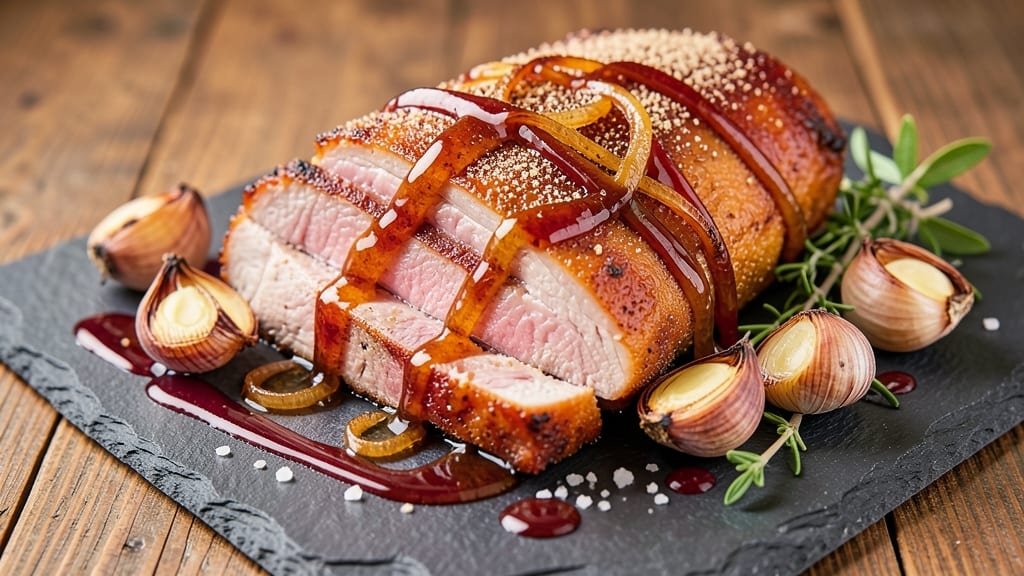
This cook’s country honey glazed pork shoulder recipe delivers melt-in-your-mouth tenderness with a sticky, caramelized glaze that transforms a simple cut into a showstopper. 🔥 I perfected it after years of testing—balancing slow-braising for juiciness with a honey glaze that locks in flavor and creates that coveted glossy finish.
The secret lies in patience: letting the pork work its magic in the oven while the glaze develops depth through controlled caramelization.
What sets this recipe apart is the harmony between traditional techniques and modern shortcuts. You'll start with a dry rub for flavor development, then slow-cook the pork until it reaches 203°F internal temperature—the magic number for perfect shreds.
Meanwhile, the honey glaze simmers down into a thick, aromatic sauce that clings beautifully to every tender bite. This method ensures restaurant-quality results without requiring a smoker or specialized equipment.
By the time you're done, you'll have juicy, fall-apart pork that practically shreds itself when pulled apart, all coated in a glossy glaze with notes of caramelized honey and smoky spices.
The aroma alone will have everyone gathering at your table, and each bite delivers that perfect balance of sweet, savory, and tender. This is the kind of dish that elevates a simple weeknight dinner to special occasion status.
Serve with classic Southern sides like collard greens or cornbread to complete the experience. The leftovers? Even better the next day, making this an ideal meal for feeding a crowd or prepping ahead. Let's get cooking—this pork shoulder deserves your attention.
Ingredients for cook's country honey glazed pork shoulder
Six pounds of pork shoulder and a handful of pantry staples transform into fall-apart perfection with this honey glaze.
| Ingredient | Amount | Notes |
|---|---|---|
| Pork Shoulder (Bone-In) 🐖 | 6 lb | Well-marbled, 3-4 inches thick |
| Raw Honey 🍯 | ½ cup | Wildflower or clover preferred |
| Yellow Onion 🧅 | 1 whole | Yellow or red, sliced into wedges |
| Garlic Cloves 🧄 | 6 cloves | Fresh, peeled, smashed |
| Apple Cider Vinegar 🍎 | ¼ cup | Bragg or similar brand |
| Brown Sugar 🍚 | ¼ cup | Light or dark, packed |
| Smoked Paprika 🌶️ | 1 tbsp | High-quality, not pre-mixed |
| Ground Black Pepper 🌶️ | 1 tbsp | Freshly cracked |
| Kosher Salt 🧂 | 2 tbsp | Diamond Crystal preferred |
| Olive Oil 🫒 | 2 tbsp | Extra-virgin, for rub |
| Fresh Rosemary 🌿 | ¼ cup | Chopped, stems removed |
| Fresh Thyme 🌿 | ¼ cup | Leaves only, chopped |
| Beef Broth 🍲 | 1 cup | Low-sodium, homemade preferred |
The pork shoulder is the star—look for a cut with good marbling and at least 3-4 inches of thickness for even cooking. Costco and Whole Foods carry excellent bone-in options, but any well-stocked grocery store will have it. If you can't find bone-in, bone-out works too, though it'll cook slightly faster. The honey? Local wildflower or clover adds depth, but any raw honey will do. I always grab extra because it's worth the splurge for this recipe—it's the secret to that glossy, caramelized finish. For the dry rub, Penzeys smoked paprika is my go-to, but any brand with a rich, smoky aroma works.
No raw honey? Light corn syrup or agave nectar in a pinch, though the flavor won't be identical. Short on fresh herbs? Dried rosemary and thyme at half the amount work in a bind, but fresh is ideal. The apple cider vinegar adds tang—if you've got Bragg, use it, but any quality brand is fine. For the beef broth, homemade is best, but low-sodium store-bought saves time. The brown sugar can be swapped for white sugar plus 1 tsp molasses if that's what you've got. And if you're feeling fancy, add a pinch of cinnamon or cayenne to the rub for extra depth.
This pork keeps beautifully—3-4 days in the fridge, up to 3 months frozen. The glaze thickens as it cools, so reheat with a splash of water or broth to loosen it. I always make a double batch of the glaze because it's perfect for basting, drizzling over roasted veggies, or even tossing with shredded pork for tacos later. Store the pork and glaze separately in airtight containers. The pork reheats best at 350°F until warmed through—about 15 minutes covered with foil.
Why You'll Love This Recipe
- One-Pan Magic: I swear by this recipe when I’m too tired to scrub pots—just toss the pork, onions, and garlic on a sheet pan, drizzle with honey and vinegar, and let the oven do the work. That sticky glaze? It practically cleans itself off the pan.
- Sweet-Savory Balance: The honey and vinegar team up for a glaze that’s rich but not cloying, with a little tang from the onions and garlic that makes every bite sing. Honestly, I’ve never met a pork shoulder that didn’t benefit from this combo.
- Leftovers for Days: This recipe actually improves the next day—pull-apart tender, with that glaze turning into a caramelized blanket. I portion it into containers and freeze half; it’s my go-to for lazy lunches or potlucks where I can bring something that feeds a crowd.
- Budget-Friendly Crowd-Pleaser: Pork shoulder is the ultimate value cut, and this recipe stretches it across meals without feeling like a chore. Between us, I’ve served this at BBQs, game days, and even a last-minute dinner for my in-laws—no one ever questions the ingredients, just the taste.
Step-by-step instructions for honey glazed pork shoulder
Here's how to transform a simple pork shoulder into melt-in-your-mouth, honey-glazed perfection.
🔥 Step 1: Prepare the Pork Shoulder with Dry Rub
Begin by patting the 6 lb pork shoulder (bone-in) completely dry with paper towels—this step can't be skipped. Moisture prevents that coveted crispy bark we're after. In a small bowl, combine 2 tbsp kosher salt, 1 tbsp smoked paprika, 1 tbsp ground black pepper, 0.25 cup chopped fresh rosemary, and 0.25 cup chopped fresh thyme. Rub this mixture all over the pork shoulder, pressing firmly so it adheres to every crevice, including the cavity. The reason we use fresh herbs here is that their oils infuse deeper into the meat during the long cook.
Place the rubbed pork shoulder on a rack set inside a roasting pan, fat-side up. This positioning allows the fat to render down and baste the meat as it cooks. Let it sit at room temperature for 30 minutes before cooking—this ensures even cooking from edge to center. I know it's tempting to rush, but this waiting period makes all the difference in the final result.
🔥 Step 2: Sear for Crispy Edges and Deep Flavor
Preheat your oven to 275°F—this low temperature is crucial for that tender, juicy finish. While the oven heats, heat 2 tbsp olive oil in a large oven-safe skillet over medium-high heat until shimmering. Place the pork shoulder fat-side down and sear for 10 minutes until the fat is golden brown and crispy. Flip the pork over and sear the other side for another 10 minutes. The goal here is to develop that deep, caramelized crust that'll hold up through the long braise.
Transfer the seared pork shoulder to the preheated oven. Here's the thing—don't be tempted to crank the heat higher. Slow cooking at 275°F breaks down the collagen in the pork shoulder, transforming it into tender, juicy shreds. Cook for 5 hours, checking occasionally to ensure the oven maintains temperature. Real talk: your oven might run hot, so start checking at the 4-hour mark if you're unsure.
🥘 Step 3: Build the Honey Glaze and Braise
After 5 hours, remove the pork shoulder from the oven and increase the temperature to 325°F. In a small bowl, whisk together 0.5 cup raw honey, 0.25 cup apple cider vinegar, 0.25 cup brown sugar, 1 whole yellow onion (sliced into wedges), and 6 smashed garlic cloves. Pour this mixture directly over the pork shoulder, making sure it coats all sides. The vinegar and honey combination creates a beautiful caramelized glaze while keeping the meat moist.
Return the pork shoulder to the oven and continue cooking for another 1.5 hours. About 30 minutes before it's done, add 1 cup beef broth to the roasting pan. This liquid helps prevent the honey glaze from burning and adds depth of flavor. You'll know it's ready when the internal temperature reaches 195-200°F and the meat is fork-tender with no resistance. If it sticks, don't panic—add a splash of the beef broth to loosen it.
⏰ Step 4: Rest and Shred for Maximum Juiciness
Transfer the pork shoulder to a cutting board and tent loosely with aluminum foil. Let it rest for at least 30 minutes—this is where the magic happens. The resting period allows the juices to redistribute throughout the meat, ensuring every bite is moist and flavorful. I like to place the pork shoulder in a warm oven (200°F) during this time to keep it warm without overcooking.
Once rested, use two forks to shred the pork shoulder against the grain. The meat should pull apart easily, revealing those beautiful, glossy honey-glazed strands. Taste the glaze and adjust seasoning if needed—sometimes the honey can overpower, so a pinch of salt or a splash of vinegar can balance the flavors. Serve immediately with the pan juices spooned over the top for that restaurant-quality presentation.
Pro Tips For Making Cook'S Country Honey Glazed Pork Shoulder
- Sear the Shoulder First: Get that pork shoulder screaming hot in a dry skillet for 8-10 minutes per side before slow cooking. I used to skip this, thinking the honey would handle the browning—wrong. That crust locks in flavor and keeps the meat from drying out later, especially with bone-in cuts.
- Use Thick Honey: Grab the jar of raw honey that’s almost solid—like the kind that needs a spoon to scoop. Thin honey burns fast and turns the glaze into syrup. Thick honey caramelizes better and sticks to the meat without turning into a sticky mess on the bottom of your pan.
- Deglaze with Vinegar Early: After searing the onions and garlic, splash in 2 tablespoons of apple cider vinegar right away. It cuts through the fat, keeps the glaze from getting too sweet, and gives the pork a bright tang that balances the honey. Save the rest for later—don’t dump it all at once.
- Wrap It Tight at 160°F: Once the internal temp hits 160°F, wrap that pork shoulder in foil with a splash of the honey-vinegar mix. This isn’t just resting—it’s the real cook. I learned this after pulling meat at 190°F and ending up with dry, stringy pork. Let it ride for another hour, then shred.
Serving suggestions for cook's country honey glazed pork shoulder
Classic Southern Sides
This honey-glazed pork shoulder shines with traditional Southern sides that balance its sweetness. I always serve it with creamy mac and cheese—the rich, cheesy texture contrasts beautifully with the pork's caramelized glaze.
For a lighter option, collard greens cooked with smoked turkey neck and apple cider vinegar complement the dish perfectly. The vinegar in the greens echoes the glaze's tang, creating a cohesive meal. 🥗
Crusty Bread Basket
A warm basket of homemade cornbread or sourdough is essential for soaking up those sticky glaze drippings. I love using a stone-ground cornmeal mix for cornbread, as it adds a nutty depth that pairs well with the pork.
For sourdough, look for a crusty loaf from a local bakery—its tangy flavor cuts through the sweetness of the honey glaze. A side of buttermilk biscuits with honey butter is another crowd-pleaser.
Fresh Vegetable Contrast
To balance the richness, serve roasted Brussels sprouts with a sprinkle of bacon and balsamic glaze. The crisp-tender sprouts provide a satisfying crunch, while the balsamic adds a touch of acidity.
Another favorite is grilled asparagus with lemon zest and a drizzle of olive oil—its bright flavor refreshes the palate between bites of pork. For a heartier option, roasted sweet potatoes with smoked paprika and a drizzle of maple syrup work wonderfully.
Pickled Vegetable Accents
Add a tangy crunch with quick-pickled red onions or dill pickles—their acidity brightens the sweet glaze.
I make a simple batch by thinly slicing 1 red onion, tossing it with ½ cup apple cider vinegar, 1 tbsp sugar, and ½ tsp salt, then letting it sit for at least 30 minutes.
A handful of pickled jalapeños adds a spicy kick for those who love heat. These pickled elements also help cut through the richness of the pork.
Cheesy Potato Sides
For a more indulgent meal, loaded baked potatoes topped with cheddar cheese, sour cream, and chives are a must. The creamy, cheesy texture pairs perfectly with the tender pork. Another favorite is cheesy scalloped potatoes—their buttery, layered goodness makes every bite of pork shoulder even more satisfying.
If you're short on time, instant mashed potatoes with a splash of whole milk and butter work in a pinch, though homemade is always better.
Dessert Pairings
End the meal on a sweet note with peach cobbler or banana pudding—both complement the honey glaze beautifully. For a lighter option, lemon bars provide a citrusy contrast that cleanses the palate.
If you're serving a crowd, a sourdough bread pudding with vanilla ice cream is a showstopper. The warmth of the dessert echoes the flavors of the pork, tying the entire meal together. 🍮
Nutrition facts
Frequently asked questions
Can I use bone-in or bone-out pork shoulder for this recipe?
Both work, but bone-in is preferred! The bone adds flavor and helps keep the meat moist during the long cook. If you must use bone-out, expect it to cook about 30-45 minutes faster—watch closely after 4 hours of cooking. The internal temperature remains the same (203°F), but the cooking time may vary slightly.
What if I don't have raw honey? Can I substitute?
Yes, but expect a slightly different flavor profile. Use light corn syrup or agave nectar in equal amounts, though the glaze won't be as aromatic. For a closer match, mix ½ cup honey substitute + 1 tbsp Dijon mustard to mimic honey's depth. Avoid regular sugar—it won't caramelize the same way.
How do I prevent the honey glaze from burning in the oven?
Add the beef broth 30 minutes before the pork is done—this creates steam that prevents burning. If the glaze starts to darken too quickly, tent the pork loosely with foil and reduce the oven temperature by 25°F until it's ready. The glaze should be thick but still glossy, not dry or charred.
Can I make this in a slow cooker instead of the oven?
Brown the pork first in a skillet, then transfer it to your slow cooker. Add all ingredients (including the glaze components) and cook on low for 8 hours or high for 5-6 hours. The texture will be slightly more tender, but the glaze may be thinner—reduce it on the stovetop afterward if needed.
Why does my pork shoulder turn out dry even after resting?
Overcooking or skipping the rest is usually the culprit. Always pull the pork at 203°F internal temperature—never higher. The rest is critical: 30-60 minutes lets juices redistribute. If it's still dry, check your starting temperature—some ovens run hot. Use a meat thermometer and adjust as needed.