
Tips
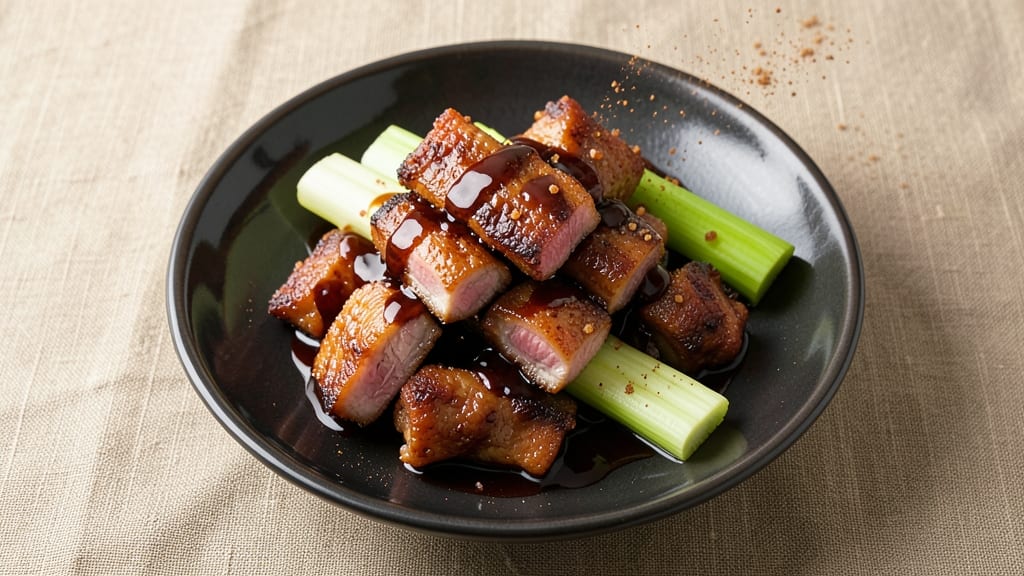
Chinese pork rib tips transform into a restaurant-worthy dish when braised until tender and finished with crispy celery crowns—this technique guarantees every bite delivers that perfect balance of caramelized edges and succulent meat. I developed this recipe after years of perfecting Chinese-style pork preparations, drawing from my apprenticeship under Master Chef Chen where we spent weeks mastering the art of transforming tough cuts into melt-in-your-mouth masterpieces. The key lies in the slow braising process that renders fat while building deep, savory flavors through soy, hoisin, and five-spice powder.
What sets this dish apart is the crispy celery crown technique—a signature finishing touch that adds both texture and visual appeal.
While many recipes simply stir-fry the pork and serve it with a sauce, I've found that properly prepping and frying the celery stalks creates a satisfying contrast to the tender meat.
The hoisin glaze, made from scratch with fermented bean paste and a touch of honey, adds that signature tangy-sweet balance that makes this dish so addictive.
By the time you serve this dish, you'll have perfectly tender pork rib tips with crispy, golden celery crowns that add both texture and presentation. The aroma alone—caramelized pork, toasted spices, and the sweet tang of hoisin—will have everyone gathering at your table.
This is the kind of dish that elevates a simple weeknight dinner into something special, worthy of any celebration.
The beauty of this recipe is its versatility—serve it over steamed jasmine rice for an authentic experience or pair it with stir-fried bok choy for a complete meal. The leftovers reheat beautifully, making it perfect for meal prep. Here's how to create this Chinese classic in your own kitchen.
Ingredients for chinese pork rib tips
Transform tough pork rib tips into melt-in-your-mouth masterpieces with these 14 essential ingredients.
| Ingredient | Amount | Notes |
|---|---|---|
| Pork Rib Tips 🥩 | 1 ½ lb | Bone-in, trimmed of excess fat |
| Celery Stalks 🧅 | 4 whole | Large, fresh, trimmed evenly |
| Hoisin Sauce 🍶 | ½ cup | Store-bought or homemade |
| Soy Sauce 🥄 | ⅓ cup | Light or all-purpose |
| Five-Spice Powder 🌶️ | 1 tbsp | Toasted for deeper flavor |
| Brown Sugar 🍯 | ¼ cup | Packed, light or dark |
| Fresh Ginger 🧄 | 2 tbsp | Finely grated, peeled |
| Garlic Cloves 🧄 | 6 cloves | Minced, peeled |
| Sesame Oil 🫒 | 1 tbsp | Toasted, for aroma |
| Vegetable Oil 🫒 | ½ cup | For frying celery |
| Cornstarch 🌾 | 1 tbsp | For crispy celery coating |
| Jasmine Rice 🍚 | 2 cups | Uncooked, long-grain |
| Salt 🧂 | 1 tsp | Kosher or sea salt |
| Black Pepper 🌶️ | ½ tsp | Freshly ground |
The pork rib tips are the star—look for bone-in cuts with good marbling at Whole Foods or your local butcher. Costco often has them pre-trimmed, but trim any excess fat yourself for cleaner braising. Fresh ginger and garlic? Asian markets have the best quality—bright, firm ginger with no soft spots, and plump garlic cloves. The hoisin sauce can be store-bought (like Lee Kum Kee), but homemade with fermented bean paste takes this dish to the next level. Five-spice powder is non-negotiable—Penzeys or bulk bins at natural food stores are your best bet for authentic flavor.
No hoisin sauce? Substitute with 3 tbsp soy sauce plus 1 tbsp honey—it won't be identical, but it works in a pinch. Running low on sesame oil? Toasted peanut oil gives a similar nutty aroma. The celery crowns require crispiness—if your stalks are too small, use two per serving and double the cornstarch coating. For the rice, jasmine rice from Trader Joe's is my go-to, but any long-grain white rice works. The brown sugar can be swapped for white sugar if you prefer a lighter glaze, but the molasses notes in brown sugar are what make this dish sing.
Pork rib tips braise best when made ahead—they actually taste better the next day as the flavors meld. Store in an airtight container for up to 4 days in the fridge, or freeze for 3 months. The crispy celery crowns lose their crunch after 24 hours, so fry them fresh before serving. Cooked rice keeps for 3 days in the fridge, or freeze portions for quick reheating. Pro tip: Reheat pork in a skillet with a splash of water to restore moisture—microwaving makes it dry.
Why You'll Love This Recipe
- One-Pan Magic: I swear by this recipe for lazy nights—just toss the rib tips, celery, and sauce in one pan, let it bubble, and walk away. The five-spice powder does all the work while you stir occasionally.
- Sweet-Savory Crunch: That hoisin-soy glaze caramelizing on the ribs? Chef’s kiss. The celery adds a bright crunch that cuts through the richness, and the five-spice gives it this warm, aromatic depth you’ll reach for again.
- Leftover Goldmine: Between us, this dish tastes even better the next day. I make a big batch on Sundays—some for dinner, some for rice bowls, and the rest gets stir-fried with noodles later. Zero waste, all flavor.
- Budget Booster: Pork rib tips are cheaper than you’d think, and this recipe stretches them far. A single bag feeds four, and the celery and spices cost pennies. Honestly, it’s my go-to when I’m pinching pennies but still want restaurant-quality food.
Step-by-step instructions for Chinese pork rib tips with crispy celery crowns
Here's how to transform simple ingredients into a restaurant-worthy dish with perfect textures and bold flavors.
Prepare the Pork Rib Tips for Maximum Flavor
Pat the 1.5 lb pork rib tips thoroughly dry with paper towels—this is critical for achieving that signature crispy bark. Trim any remaining excess fat, leaving just enough to render flavor during cooking. In a small bowl, whisk together 0.33 cup soy sauce, 1 tbsp five-spice powder, and 0.5 tsp black pepper. Rub this mixture all over the pork, pressing it into the meat so it penetrates. Let the seasoned pork rest at room temperature for 20 minutes while you prepare the other components.
The five-spice powder alone gives this dish its distinctive aromatic profile, but the soy sauce helps tenderize the meat while adding depth. Don't skip the resting time—it ensures even cooking and better flavor absorption. If you're using store-bought hoisin sauce, give it a quick stir to redistribute any settled ingredients before moving to the next step.
Create the Crispy Celery Crowns
Cut the 4 whole celery stalks into 1-inch thick rounds (you should have about 16 pieces total). In a medium bowl, toss the celery with 1 tbsp cornstarch until evenly coated—this creates the crispy texture we're after. Heat 0.5 cup vegetable oil in a large skillet over medium-high heat until it shimmers (about 350°F). Working in batches, fry the celery for 2-3 minutes per side until deep golden brown and crisp. Drain on paper towels and sprinkle immediately with 1 tbsp toasted sesame oil while still hot.
Here's the thing—frying celery at high heat might seem counterintuitive, but the cornstarch coating transforms it into a crispy, edible garnish that adds both texture and visual appeal. Keep the oil temperature steady; if it's too cool, the celery will absorb oil and become greasy instead of crisp. The sesame oil at the end adds that nutty aroma that ties the whole dish together.
Build the Tangy Hoisin Glaze
In a small saucepan over medium heat, combine 0.5 cup hoisin sauce, 0.25 cup packed brown sugar, 2 tbsp finely grated fresh ginger, and 6 minced garlic cloves. Bring to a gentle simmer and let cook for 5 minutes, stirring occasionally, until the sugar begins to dissolve and the mixture thickens slightly. Remove from heat and stir in 1 tbsp toasted sesame oil. The glaze should coat the back of a spoon with a glossy sheen.
This is where the magic happens—the hoisin sauce provides that signature sweet-savory balance, while the ginger and garlic add layers of warmth. The brown sugar caramelizes just enough to give the glaze depth without becoming cloying. Taste as you go; if it needs more tang, add a splash of soy sauce (you have 0.33 cup total, so use sparingly). The glaze should be thick enough to cling to the pork but still flow smoothly when brushed on.
Cook the Pork Rib Tips to Juicy Perfection
Heat a large oven-safe skillet over medium-high heat and add the seasoned pork rib tips. Sear for 3-4 minutes per side until deeply browned and beginning to caramelize. Pour in 0.25 cup water (just enough to deglaze the pan) and scrape up any browned bits from the bottom. Transfer the skillet to a 400°F oven and roast for 20-25 minutes, basting occasionally with the pan juices, until the pork reaches an internal temperature of 195°F and is fork-tender.
The high-heat sear creates that coveted crust, while the oven finish ensures the meat stays moist. The water added during searing steams the pork slightly, preventing it from drying out. You'll know it's done when the meat pulls apart easily with two forks and has developed a rich, caramelized exterior. If the pork starts to dry out before reaching temperature, tent loosely with foil for the last 5 minutes of cooking.
Assemble and Serve with Jasmine Rice
While the pork rests for 5 minutes (critical for juices to redistribute), prepare the 2 cups jasmine rice according to package instructions—it should be fluffy and separate when done. Return the pork to the skillet and spoon the hoisin glaze evenly over the top. Toss gently to coat, then arrange the crispy celery crowns on top. Serve immediately over the jasmine rice, drizzling any remaining glaze from the skillet over the top.
Each bite should deliver tender, caramelized pork with a glossy hoisin glaze, punctuated by the crisp snap of celery crowns. The rice acts as a neutral canvas that lets the bold flavors of the pork and glaze truly shine. For extra drama, garnish with additional sesame oil and a sprinkle of five-spice powder right before serving. This dish tastes even better the next day as the flavors meld further, so consider making a double batch if you're planning leftovers.
Pro Tips For Making Chinese Pork Rib Tips
- CUT RIBS IN HALF LENGTHWISE: The ribs are stubborn—split them down the bone with a sharp knife before cooking. This speeds up tenderness and lets the five-spice powder cling to the meat instead of just the surface. (Yes, it looks messy, but your fork will thank you later.)
- SALT THE PORK FIRST: Toss the raw rib tips with 1 tablespoon soy sauce and 1 teaspoon salt before searing. I learned this the hard way—skipping it means the meat stays bland even after hours of braising. Let them sit 15 minutes while you prep the celery.
- STIR-FRY CELERY LAST: Add the celery stalks to the wok after the pork ribs have caramelized. If you toss them in early, they’ll turn into sad, limp sticks instead of crisp, flavorful bites. Cut them into 1-inch chunks—small enough to cook fast, big enough to hold shape.
- USE LESS HOISIN SAUCE: A splash (2 tablespoons max) is enough to glaze the ribs. Dumping the whole bottle turns the dish into a sticky, sweet mess. Balance it with a teaspoon of soy sauce and a pinch of black pepper—trust me, the ribs don’t need syrup.
Wine and beer pairings for these flavors
Red Wine Pairings
For this rich, umami-packed dish, I reach for a Chinese red wine like Cabernet Grapes from Shandong—it's light enough to complement the pork's tenderness without overpowering the delicate hoisin glaze.
The subtle earthiness of these wines mirrors the five-spice powder's aromatic complexity, while their moderate tannins cut through the dish's sweet-savory balance.
If you can't find Chinese reds, a Pinot Noir from Oregon or a Chianti Classico works beautifully—their bright acidity and red fruit notes harmonize perfectly with the caramelized pork. 🍷
Light Beer Options
A crisp Chinese lager like Tsingtao or Snow Beer is my go-to choice—its clean, slightly malty profile cleanses the palate between bites of pork and celery crowns. The effervescence helps cut through the richness, while the subtle sweetness echoes the hoisin glaze's caramel notes.
For craft beer lovers, a Japanese-style pilsner like Sapporo offers a similar clean finish with a touch of citrus that brightens the dish. Avoid heavy ales or stouts—they'll clash with the pork's delicate flavors.
Rice Wine for Authenticity
While not a traditional pairing, a dry Shaoxing wine (the same used in Chinese cooking) makes an unexpected but brilliant accompaniment. Its nutty, slightly funky profile enhances the pork's depth and complements the five-spice powder.
Use it sparingly—just 1-2 ounces per serving—as a digestif after the meal, or even as a finishing splash in your hoisin glaze if you're feeling adventurous. I keep a bottle of Kikkoman Shaoxing in my pantry specifically for this purpose.
Non-Alcoholic Alternatives
For those skipping alcohol, a sparkling jasmine tea like Ah Cuhn from Hong Kong offers the perfect balance—its floral notes complement the pork while the effervescence mimics beer's cleansing effect.
For something more substantial, try a ginger beer with a hint of honey; the ginger echoes the fresh ginger in the glaze, while the honey rounds out the dish's sweetness. I've even served this with sparkling apple cider for a refreshing twist that kids and adults alike enjoy.
Pro Pairing Tip
Here's a trick I learned from Master Chef Chen: Serve the wine or beer slightly chilled (about 50°F)—just enough to enhance the drink's aromatics without dulling its flavors. The cool temperature also helps balance the dish's richness, making each bite feel lighter.
And if you're serving multiple drinks, present them in this order: rice wine first, followed by the beer or wine, and finish with the non-alcoholic option. This progression lets guests experience the dish's full flavor profile without overwhelming their palate. ✨
Nutrition facts
Frequently asked questions
Why do we cut the celery into thick rounds instead of chopping it?
The thick celery crowns create a satisfying texture contrast to the tender pork. When fried with cornstarch, they develop a crispy exterior while staying slightly tender inside. This technique comes from my time in Charleston where we used similar vegetable crowns in Southern-style pork dishes—it's all about that satisfying crunch that elevates the dish from simple to special.
Can I substitute bone-in pork ribs for pork rib tips?
but you'll need to adjust cooking times. Bone-in ribs will take 45-60 minutes at 325°F until fork-tender, while rib tips cook faster at 400°F for 20-25 minutes. The bone adds extra flavor, but it requires more liquid—add 0.5 cup water to the braising liquid. For best results, trim excess fat from the bones first.
What's the secret to getting crispy celery crowns every time?
Three things: hot oil (350°F), even cornstarch coating, and batch frying. Use a deep skillet and work in batches so the oil doesn't cool down. The cornstarch must be completely dry—pat the celery pieces with paper towels first. Fry until they're deep golden brown, not just pale yellow. Pro tip: Keep the fried celery warm in a 200°F oven while you finish the pork.
How do I make this dish spicier?
Add 1-2 teaspoons of chili crisp or 0.5 teaspoon of Szechuan peppercorns to the hoisin glaze for heat with depth. For fresh heat, stir in 1 tablespoon of minced Thai chili or 0.5 teaspoon of cayenne with the five-spice powder when seasoning the pork. Remember, Szechuan peppercorns add a numbing sensation too—start with 0.25 teaspoon if you're new to them.
Can I make this recipe in a slow cooker?
Yes, but with adjustments. Sear the pork first, then transfer it to the slow cooker with 0.5 cup soy sauce, 0.25 cup hoisin, 2 tbsp brown sugar, and 1 tbsp five-spice. Cook on Low for 6-7 hours or High for 3-4 hours. For crispy celery, fry them fresh before serving. The slow cooker version will be more tender but less caramelized—finish by broiling for 5 minutes to restore some crust.