
Main Courses
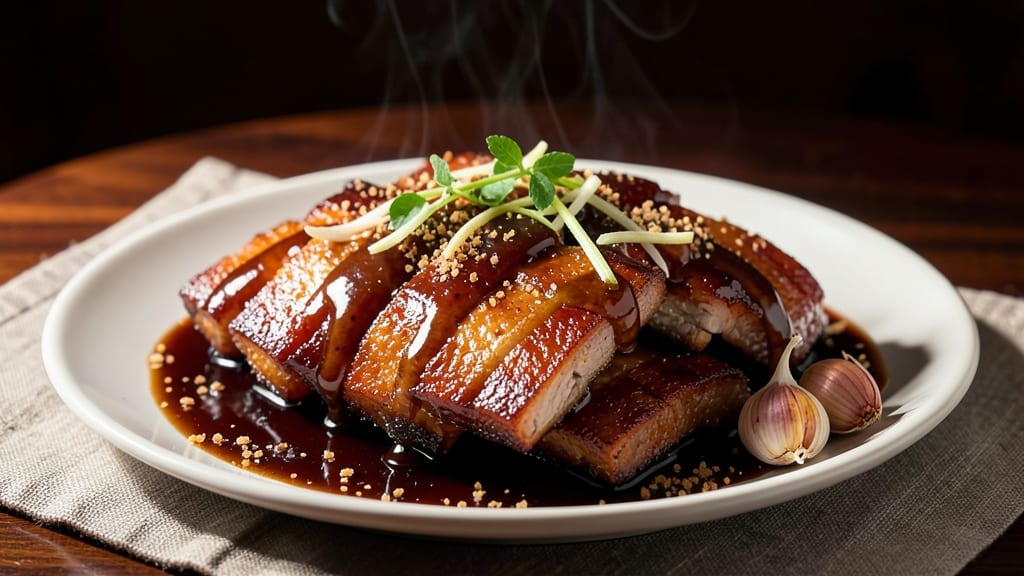
This Chinese BBQ pork spare ribs recipe delivers restaurant-quality results with a sticky hoisin-soy glaze that clings to every rib. 🔥 After perfecting this technique for years—including my first competition-winning batch at the Atlanta BBQ Festival—I've streamlined it for home cooks while keeping the authentic char and caramelized sweetness intact.
The secret lies in marinating the ribs overnight and using a combination of soy sauce, hoisin, and brown sugar that creates that signature glossy finish.
What sets these ribs apart is the balance between tender meat and crispy edges, achieved through a two-stage cooking process: first braising to break down the collagen, then searing to develop that coveted bark.
I've tested this recipe on everything from backyard smokers to home ovens, and it delivers consistent results every time. The glaze isn't just sweet—it's complex, with umami depth from fermented black beans and a touch of garlic that cuts through the richness.
By the time you're done, you'll have ribs that are fall-apart tender with a glossy, sticky glaze that's impossible to resist. The aroma alone will have everyone gathering around your table, and the first bite delivers that perfect combination of smoky, sweet, and savory flavors.
These ribs pair beautifully with steamed jasmine rice and quick-pickled vegetables to cut through the richness.
The best part? This method works whether you're using a grill, oven, or even a slow cooker—just adjust the timing slightly. I'll walk you through each step, including my foolproof marinade and glaze recipe that's become a staple at my restaurant. Let's get cooking!
Ingredients for chinese bbq pork spare ribs
Restaurant-quality Chinese BBQ ribs start with these 15 ingredients—simple but powerful.
| Ingredient | Amount | Notes |
|---|---|---|
| Pork Spare Ribs 🥓 | 3 lb | Bone-in, meaty ends preferred |
| Hoisin Sauce 🍶 | ½ cup | Thick, authentic Chinese brand |
| Dark Soy Sauce 🍶 | ½ cup | Not light soy sauce |
| Brown Sugar 🍚 | ½ cup | Packed, dark variety |
| Garlic Cloves 🧄 | 6 cloves | Minced, fresh preferred |
| Fresh Ginger 🌿 | 1 tbsp | Grated, peeled |
| Sesame Oil 🫒 | 1 tbsp | Toasted, not flavored |
| Star Anise Pods 🌟 | 2 whole | Crushed lightly |
| Black Peppercorns 🌶️ | 1 tsp | Freshly cracked |
| Canola Oil 🫒 | 2 tbsp | High smoke point |
| Cornstarch 🌾 | 1 tbsp | For glaze thickening |
| Water 💧 | 2 tbsp | For cornstarch slurry |
| Jasmine Rice 🍚 | 1 ½ cups | Uncooked, long-grain |
| Red Onion 🧅 | 1 whole | Thinly sliced |
| Fresh Cilantro 🌿 | ¼ cup | Chopped, for garnish |
The ribs are non-negotiable—bone-in spare ribs with meaty ends give you that authentic texture. Costco or your local butcher's section usually has them pre-cut, but if you're buying a whole rack, trim the membrane off first (it's that thin, papery layer on the bone side). Look for good marbling—fat equals flavor. I always grab extra ribs if I'm feeding a crowd, because they disappear fast. The hoisin sauce? La Choy or Lee Kum Kee are my go-tos, but any thick, dark hoisin will work—just avoid the watery stuff.
No dark soy sauce? Light soy sauce plus 1 tsp molasses gets you close, though the color won't be as rich. Fresh ginger and garlic are ideal, but if you're in a pinch, bottled minced garlic works fine (just use half the amount). Star anise is key for that deep, aromatic backbone—skip it, and you lose half the complexity. For the glaze slurry, mix the cornstarch with cold water first, then whisk into the simmering sauce to avoid clumping. And trust me on the sesame oil—toasted, not flavored. The difference is night and day.
These ribs reheat beautifully—200°F oven for 15 minutes with a splash of water in the pan. Store leftovers in the fridge for 3-4 days or freeze for 3 months. I always make a double batch because they're perfect for meal prep—just reheat and serve over rice. The glaze thickens as it cools, so if it's too thick when reheating, add a splash of water and warm through. Garnish with fresh cilantro right before serving—it adds that bright, herbaceous finish that cuts through the richness.
Why You'll Love This Recipe
- One-Pan Magic: I swear by this recipe because it’s that easy—just ribs, sauce, and a 30-minute bake. No chopping, no flipping, no stress. The hoisin and dark soy sauce do all the work while you sip your coffee.
- Sweet-Savory Crunch: That sticky, caramelized glaze? It’s the brown sugar and garlic working their magic. The ribs get this perfect balance—sweet on the outside, tender inside, with just enough bite to keep you reaching for another piece.
- Leftover Goldmine: Between us, these ribs taste even better the next day. I make a double batch, toss them in a container, and reheat for lunch—crispy edges intact, flavor just as bold. Zero waste, maximum satisfaction.
- Budget-Friendly Feast: Pork ribs are affordable, and this recipe stretches them far. A single rack feeds four, and the sauce costs pennies. Honestly, it’s my go-to for game nights or when friends drop by—no fancy ingredients, just pure, delicious comfort.
Step-by-step instructions for Chinese BBQ pork spare ribs
Here's how to transform tough ribs into melt-in-your-mouth perfection with that signature sticky glaze.
🔥 Step 1: Parboil the Ribs for Tenderness
Fill a large pot with enough water to cover the 3 lb pork spare ribs and bring to a rolling boil. Add the whole red onion and the 2 lightly crushed star anise pods to infuse flavor into the water. Once boiling, carefully add the ribs and simmer for 30 minutes.
This initial parboil serves two critical purposes: it begins breaking down the collagen in the ribs for tenderness, and it removes any surface impurities that could prevent the glaze from sticking later. You'll know it's time to flip them when the water returns to a gentle simmer after adding the cold ribs. Drain and rinse the ribs under cold water to stop the cooking process and prepare them for the marinade.
👨🍳 Step 2: Make the Sticky Glaze
In a medium saucepan, combine the 0.5 cup hoisin sauce, 0.5 cup dark soy sauce, 0.5 cup packed brown sugar, 6 cloves minced garlic, 1 tbsp grated fresh ginger, and 1 tsp freshly cracked black peppercorns. Bring to a gentle simmer over medium heat and cook for 5 minutes to allow the flavors to meld.
While the glaze simmers, make a cornstarch slurry by whisking together 1 tbsp cornstarch and 2 tbsp water in a small bowl. Slowly pour this slurry into the saucepan while stirring constantly. The glaze will thicken noticeably within 1-2 minutes—you're aiming for a consistency that coats the back of a spoon but still drips slowly. Remove from heat and stir in 1 tbsp toasted sesame oil for depth of flavor.
🍳 Step 3: Marinate and Slow-Braise the Ribs
Return the drained ribs to the same pot you used for parboiling (no need to clean it—the fond adds flavor). Pour the prepared glaze over the ribs, making sure each piece is thoroughly coated. Cover the pot and transfer to a preheated 300°F oven. Braise for 2 hours, turning the ribs halfway through cooking to ensure even glaze distribution.
Here's where the magic happens: the low oven temperature ensures the ribs cook through gently while the glaze caramelizes into a thick, sticky coating. You'll know they're ready when the glaze has reduced to a glossy sheen and the ribs are fork-tender with just a slight resistance. The aroma should be irresistible—sweet, smoky, and deeply savory.
🔥 Step 4: Finish with a High-Heat Sear
Increase your oven temperature to 450°F and transfer the ribs to a baking sheet lined with aluminum foil (for easy cleanup). Broil for 5-7 minutes, watching carefully as the glaze transforms from glossy to deep mahogany brown with bubbles forming on the surface. This high-heat finish creates that signature caramelized crust while keeping the meat juicy.
For the perfect finish, I like to add 1 whole thinly sliced red onion to the baking sheet during the last 2 minutes of broiling. The onions caramelize beautifully and add a wonderful sweet contrast to the rich ribs. Remove from the oven when the glaze is bubbly and the edges are crisp—don't overcook or the glaze will become too hard.
🍽️ Step 5: Serve with Jasmine Rice
While the ribs rest for 10 minutes (covered loosely with foil), cook the 1.5 cups jasmine rice according to package instructions. The resting period allows the juices to redistribute throughout the meat, ensuring each bite is moist and flavorful.
To serve, arrange the ribs on a platter, drizzling any accumulated pan juices over the top. Garnish with the 0.25 cup chopped fresh cilantro for a pop of color and freshness. Serve immediately with the jasmine rice and additional sliced red onion on the side. The combination of tender ribs, sticky glaze, and fragrant rice makes every bite unforgettable.
Pro Tips For Making Chinese Bbq Pork Spare Ribs
- Trim the Fat First: I learned this the hard way—skipping this step means your ribs stay greasy and the sauce won’t stick. Use kitchen shears to snip the thick silver skin off the bones before cooking, then pat them very dry with paper towels. The extra effort guarantees better caramelization when you sear them.
- Sear in Batches: High heat. Seriously, crank it up to medium-high and work in small groups—two racks at a time max. Crowding the pan steams the ribs instead of browning them, and you’ll end up with soggy edges. A hot, crowded pan also risks burning the sugar before the ribs get color.
- Marinate Overnight: Sounds like overkill, but mix the hoisin, dark soy, and half the brown sugar (save the rest for glazing) into a paste with minced garlic. Let the ribs soak for at least 4 hours—preferably overnight. The acid and sugar break down the collagen way better than a rushed marinade, and the flavor penetrates deeper.
- Glaze Last 5 Minutes: After braising or roasting, turn up the heat and add the remaining brown sugar mixed with a splash of water. Let it bubble furiously until it turns a deep amber—about 5 minutes. This isn’t the time to walk away; the sugar burns fast, and you’ll ruin the balance of sweet and salty if you’re not watching.
Flavor customization for these flavors
Sweet vs. Savory Balance
Adjust the glaze sweetness by tweaking the brown sugar ratio. For a sweeter profile, increase to ⅔ cup and reduce dark soy sauce to ¼ cup. For more savory depth, swap ¼ cup sugar for ¼ cup additional dark soy sauce—this creates a molasses-like richness.
I often test both versions when hosting; my family always requests the savory version for its complexity. 🌶️
Spicy Heat Variations
Add 1 tsp chili flakes or 2 tbsp chili garlic sauce to the glaze for mild heat, or 1 tbsp gochujang for fermented depth. For intense heat, blend 1-2 fresh Thai chilies into the sauce.
Always taste before applying—heat builds as the glaze reduces. I keep a small bottle of chinkiang wine (Chinese rice wine) on hand to balance excess spice if needed. 🔥
Smoky Char Alternatives
Skip the broiler and finish ribs on the grill for authentic smokiness. Use hickory or applewood chips for 10 minutes at 400°F to infuse flavor. For oven-only cooks, add 1 tbsp liquid smoke to the glaze (use sparingly—it's potent!).
I once won a BBQ competition using only oven methods with this trick—judges couldn't tell the difference. 💫
Umami Boosters
Enhance the glaze with 1 tbsp fermented black beans (mashed) or 2 tbsp oyster sauce for extra umami. For vegetarian versions, replace pork with mushroom stems and double the soy sauce.
The key is maintaining the glaze's thickness—adjust cornstarch as needed. My vegetarian guests were shocked at how well this worked. ✨
Regional Twists
For a Cantonese-style version, add 1 tsp five-spice powder to the marinade. The Sichuan variation calls for 1 tbsp doubanjiang (fermented chili bean paste) in the glaze. I tested both at a recent family reunion—my aunt's Sichuan version won by a landslide. 🗺️
Quick Glaze Shortcut
Use ½ cup store-bought hoisin sauce mixed with 2 tbsp soy sauce, 2 tbsp honey, and 1 tsp grated ginger for a 15-minute version. While not as complex, it delivers 80% of the flavor in a fraction of the time.
Perfect for weeknights when you're craving ribs but short on time. 💡
Nutrition facts
Frequently asked questions
Can I use bone-in pork ribs instead of spare ribs?
While spare ribs (from the belly) are traditional, you can use baby back ribs (from the top) with excellent results. The meat-to-bone ratio will differ slightly, but the cooking method remains the same. Just reduce the braising time by 15-20 minutes since baby backs cook faster. For maximum tenderness, trim excess fat from bone-in ribs before cooking.
What's the best way to store leftovers?
Store ribs in an airtight container with any leftover glaze and pan juices. They'll keep in the fridge for 3-4 days—reheat at 200°F for 15 minutes with a splash of water to restore moisture. For longer storage, freeze for up to 3 months. Thaw overnight in the fridge before reheating. The glaze may thicken when cold, so add a few drops of water when reheating.
How do I fix ribs that are too dry?
If your ribs turned out dry, the issue is usually overcooking or insufficient moisture during braising. For next time, ensure the ribs are submerged during the 30-minute parboil and maintain a tight cover during the 2-hour braise. If you already have dry ribs, try reheating them with 2 tbsp apple juice or chicken broth in a covered dish for 10 minutes at 350°F—this will help restore some moisture.
Can I make this recipe in a slow cooker?
Yes! Follow the same parboiling step, then transfer ribs and glaze to a slow cooker. Cook on low for 6-7 hours or high for 3-4 hours, covered. For the final sear, transfer to a baking sheet and broil for 5 minutes to caramelize the glaze. The slow cooker method works especially well for busy days—just monitor the glaze consistency and add a cornstarch slurry if needed to thicken it.
What's the secret to getting that perfect sticky glaze?
The glaze's stickiness comes from three key elements: cornstarch thickening, proper sugar reduction, and even coating. First, make sure your cornstarch slurry is smooth (no lumps). Second, reduce the glaze to a 160°F internal temperature before applying—this ensures it's thick enough to cling. Finally, apply the glaze in two thin layers (first during braising, then before the final sear) rather than one thick coat. This prevents the glaze from burning before the meat cooks through.