
Main Courses
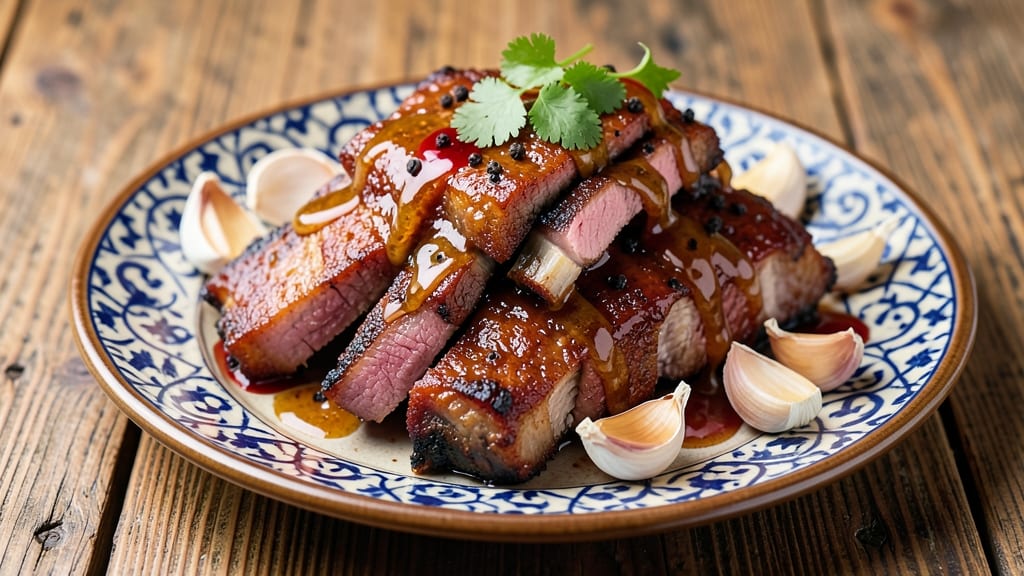
This bean paste pork ribs recipe transforms tough cuts into fall-off-the-bone tenderness with a glaze so rich it clings to every bone. 🔥 After years of perfecting the balance between sweet and savory in my Atlanta kitchen, I've developed a method that delivers restaurant-quality results at home—no fancy equipment required.
The secret lies in slow-cooking the ribs until they're fork-tender, then finishing with a caramelized glaze that's equal parts sticky and smoky.
The process begins with a marinade of fermented bean paste, a staple in Chinese cuisine that adds depth without overpowering the pork's natural richness.
I've found that letting the ribs marinate overnight develops flavors that penetrate deep into the meat, while the slow braising process breaks down collagen for that signature melt-in-your-mouth texture. This isn't just another ribs recipe—it's a method that transforms a simple cut of pork into something extraordinary.
By the time you're done, you'll have ribs that are perfectly tender with a glossy, caramelized glaze that's sweet enough to satisfy cravings but balanced with savory umami notes.
The aroma alone will have everyone gathering around your table, and each bite delivers that perfect combination of textures—tender meat, crisp edges, and a glaze that sticks to every bone. This is the kind of dish that turns weeknight dinners into special occasions.
Serve these ribs with steamed jasmine rice and quick-pickled vegetables for a complete meal that feels like you've traveled halfway across the world. The glaze pairs beautifully with the tangy crunch of pickled cucumbers, creating a balance that makes every bite unforgettable.
Let's get started on creating ribs that will have your guests asking for seconds—and thirds.
Ingredients for bean paste pork ribs
Sweet-savory glaze and tender ribs—just 15 ingredients for showstopping flavor.
| Ingredient | Amount | Notes |
|---|---|---|
| Pork Ribs 🍖 | 4 lb | Baby back or St. Louis style |
| Fermented Bean Paste (Douchi or Miso) 🍶 | ½ cup | Douchi for authentic flavor |
| Honey 🍯 | ½ cup | Wildflower preferred |
| Soy Sauce 🥄 | ⅓ cup | Dark soy for color |
| Rice Vinegar 🍶 | ¼ cup | White or seasoned |
| Garlic Cloves 🧄 | 6 cloves | Minced for marinade |
| Fresh Ginger 🌿 | ¼ cup | Finely grated |
| Brown Sugar 🍚 | ¼ cup | Packed firmly |
| Sesame Oil 🫒 | 1 tbsp | Toasted for aroma |
| Red Chili Flakes 🌶️ | 1 tbsp | Adjust for heat |
| Green Onions 🧅 | ¼ cup | Sliced for garnish |
| Jasmine Rice 🍚 | 2 cups | Uncooked, long grain |
| Water 💧 | 3 cups | For rice cooking |
| Salt 🧂 | 1 ½ tsp | Kosher or sea salt |
| Black Pepper 🌶️ | ½ tsp | Freshly cracked |
The ribs are the star, so baby back or St. Louis style are your best bets—they're more tender than spare ribs. Asian markets have the best selection of fermented bean paste (douchi), but miso works in a pinch. If you can't find either, mushroom soy sauce adds umami depth. Look for ribs with good marbling—they'll stay juicier during slow cooking. I always buy mine from Costco when they're on sale, but your local butcher can trim them to your preference.
No douchi? Miso plus a dash of fish sauce mimics that funky depth. Short on honey? Maple syrup or agave works, but honey's floral notes balance the soy perfectly. The garlic and ginger can be swapped for one tablespoon of garlic-ginger paste if you're short on time. For the glaze, dark soy sauce gives that signature black color—regular soy works, but it'll be lighter. The red chili flakes? Adjust to taste, but don't skip them—they cut through the sweetness beautifully.
Marinate the ribs overnight for maximum flavor—4-6 hours minimum. The glaze thickens as it cooks, so cover loosely when braising to prevent burning. Leftover ribs? Store in the fridge for 3-4 days or freeze for up to 3 months. The glaze reheats beautifully—just add a splash of water and simmer. I always make extra glaze to drizzle over rice or noodles—it's that good.
Why You'll Love This Recipe
- One-Pot Magic: I swear by this—just ribs, bean paste, and a splash of vinegar in one pan. No chopping, no fussing, and the sticky-sweet sauce clings like it’s been slow-cooked for hours. My lazy Sundays thank me.
- Umami Bomb: That fermented bean paste? It’s the secret weapon—salty, funky, and packed with depth. The honey rounds it out, but the real showstopper is when the ribs caramelize into crispy edges with that glossy, tangy glaze. My kids fight over the last piece.
- Weeknight Flex: Make it for date night (fancy it up with a side salad), game day (it’s hearty enough to feed a crowd), or even a solo night in (it reheats like a dream). Between us, I’ve served it cold in buns the next day—no judgment.
- Budget Win: Pork ribs are often cheaper than chicken, and this recipe stretches them further than you’d think. A pound of ribs and a small tub of bean paste feed four, and leftovers? Even better the second day, if you can wait that long.
Step-by-step instructions for sweet-savory bean paste pork ribs
Here's how to create ribs with a sticky-sweet glaze that clings to every bone.
🔥 Step 1: Prep and Marinate the Ribs
Pat the 4 lb pork ribs dry with paper towels—this helps the marinade stick and creates better browning. In a large bowl, whisk together the 0.5 cup fermented bean paste, 0.5 cup honey, 0.33 cup soy sauce, 0.25 cup rice vinegar, 6 cloves minced garlic, 0.25 cup grated fresh ginger, 0.25 cup packed brown sugar, 1 tbsp sesame oil, and 1 tbsp red chili flakes.
Add the ribs to the marinade, turning to coat completely. Cover and refrigerate for at least 4 hours (overnight is even better). The longer they marinate, the deeper the flavor. You'll know it's working when you smell that rich, umami-packed aroma—this is where all the magic begins.
🍳 Step 2: Cook the Jasmine Rice
While the ribs marinate, rinse the 2 cups jasmine rice under cold water until the water runs clear. In a medium pot, combine the rice with 3 cups water, 1.5 tsp salt, and 0.5 tsp black pepper. Bring to a boil, then reduce heat to low, cover, and simmer for 15 minutes.
Remove from heat and let it steam, covered, for another 10 minutes. Fluff with a fork before serving. The rice should be tender with a slight bite—this pairs perfectly with the sticky ribs. Keep it warm while you finish cooking the main event.
🔥 Step 3: Sear and Slow-Cook the Ribs
Preheat your oven to 275°F. Remove the ribs from the marinade (reserve the marinade) and place them on a wire rack set over a baking sheet. Roast for 2 hours, basting with the reserved marinade every 30 minutes. The goal is to render the fat and start breaking down the collagen.
After 2 hours, increase the oven temperature to 325°F and continue roasting for another 1.5 hours, basting with marinade every 30 minutes. The ribs are done when they easily pull apart at the bone. You'll know they're ready when the meat is fork-tender and the glaze has thickened into a glossy, sticky coating.
🍽️ Step 4: Glaze and Serve
Remove the ribs from the oven and increase the heat to broil. Brush the ribs generously with any remaining marinade, then place them under the broiler for 3-5 minutes until the glaze caramelizes and bubbles. Watch closely—you want it golden, not burnt.
Garnish with 0.25 cup sliced green onions and serve immediately over the jasmine rice. The contrast of the fluffy rice with the sticky, caramelized ribs is what makes this dish unforgettable. Each bite delivers a perfect balance of sweet, salty, and umami flavors that cling to every bone.
Pro Tips For Making Bean Paste Pork Ribs
- BLANCH RIBS FIRST: Toss your ribs in boiling water for 30 seconds before cooking—this loosens the membrane and helps the bean paste cling better. I used to skip this, and the sauce would slide right off the bones.
- SAUTE DOUCHI UNTIL STICKY: Cook the fermented bean paste on medium heat for 5–7 minutes until it’s dark and glossy, almost like caramelizing. This deepens the umami and prevents it from turning bitter later.
- DON’T OVERCOOK THE HONEY: Add honey in the last 5 minutes of cooking—too early, and it burns into a bitter syrup. A quick glaze at the end keeps it sweet and shiny, not cloying.
- USE RICE VINEGAR LAST: Stir in the rice vinegar just before serving to brighten the flavors without letting it evaporate. I learned this after a batch tasted flat—acidity fades fast when cooked too long.
Make-ahead tips for bean paste pork ribs
Marinade Prep Ahead
Make the marinade up to 2 days in advance and store it in an airtight container in the fridge. The flavors deepen over time, so it's ready when you need it. I always double the batch—I use the extra for other pork dishes like glazed pork chops or braised pork belly. Just
Rib Prep Shortcut
Buy pre-cut ribs from your butcher to save 30 minutes of prep time. They'll already be trimmed and ready for marinating. If you're short on time, use a food processor to mince the garlic and ginger—it's faster than hand-grating. I keep a small batch of pre-minced garlic-ginger paste in my freezer for quick marinades. 🌶️
Slow Cooker Option
For hands-off cooking, transfer marinated ribs to a slow cooker on low for 6-8 hours. Add ½ cup water to the bottom to create steam. Once tender, transfer to a baking sheet and broil for 3-5 minutes to caramelize the glaze.
This method works perfectly for weeknight dinners when you can't babysit the oven. 🔥
Glaze Storage Hack
Save any leftover glaze in a small glass jar in the fridge for up to 2 weeks. Thin it with 1 tbsp water before reheating, then drizzle over rice, noodles, or even grilled chicken.
I keep a jar in my pantry—it's my go-to for quick, flavorful meals. The glaze reheats beautifully in the microwave or stovetop. ✨
Freezer-Friendly Ribs
Cook the ribs completely, then cool them before wrapping tightly in plastic wrap and aluminum foil. Freeze for up to 3 months. To reheat, bake at 300°F for 20 minutes or until warmed through.
The glaze stays sticky and delicious—just add a splash of water if it thickens too much. Perfect for meal prep! ❄️
Rice Prep Timeline
Cook the jasmine rice 1 hour before serving—it reheats beautifully in the microwave or steamer. Keep it covered in a rice warmer or insulated container to maintain temperature. For extra convenience, use a rice cooker—just press the "keep warm" button.
I always prep the rice first so I can focus on cooking the ribs without stress. 🍚
Nutrition facts
Frequently asked questions
Can I substitute miso for fermented bean paste?
Yes, you can use miso paste as a substitute, but add 1 teaspoon fish sauce to enhance the umami depth. The texture will be slightly smoother, but the flavor profile remains similar. For best results, choose a fermented miso rather than sweet white miso to match the funky, savory notes of douchi.
How do I prevent the glaze from burning during broiling?
Watch the ribs closely when broiling—3-5 minutes max is all you need. Keep the oven door slightly open to allow steam to escape, which helps prevent rapid caramelization. If the glaze starts to darken too quickly, move the ribs to a cooler part of the broiler rack and continue monitoring.
What's the best way to reheat leftover ribs?
Place ribs on a baking sheet and cover loosely with foil. Reheat at 300°F for 20 minutes until warmed through. Add 1-2 tablespoons of water to the baking sheet to create steam, which helps maintain moisture and prevents the glaze from drying out.
Can I make this recipe with spare ribs instead?
Spare ribs will work, but they require 1-2 extra hours of cooking time due to their thicker meat. Start with the same marinade and slow-cook them at 275°F for 3 hours before increasing to 325°F for 2-3 hours, basting regularly. The bean paste glaze will still cling beautifully to the meat.
Why does my glaze turn out too thick?
This usually happens if the ribs release less moisture during cooking. Thin the glaze with 1 tablespoon of water or rice vinegar before broiling. For future batches, reduce the brown sugar slightly (0.2 cup instead of 0.25 cup)—it's the main thickening agent in the sauce.