
Main Courses
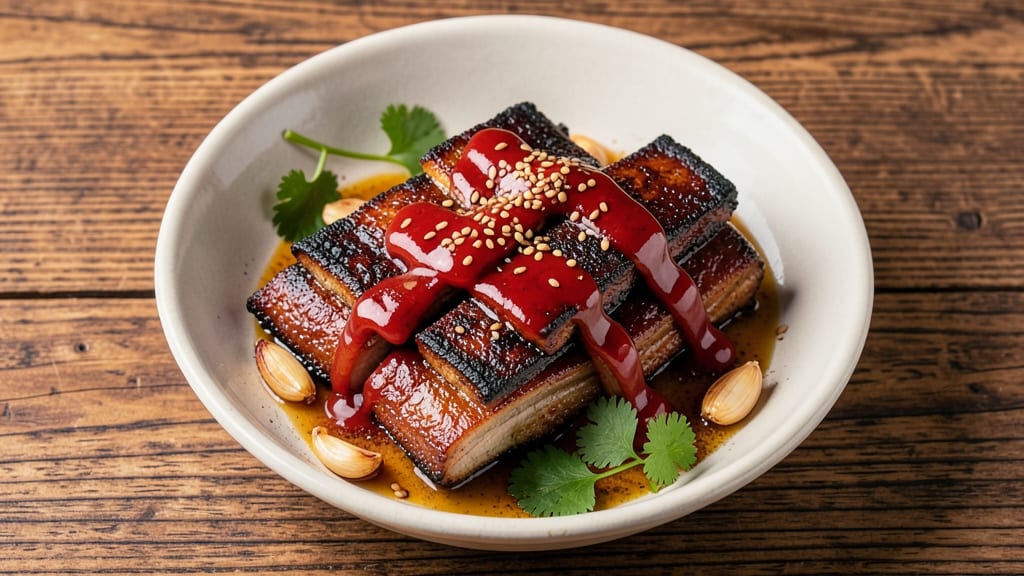
Char siu pork spare ribs transform humble pork into a showstopper with that signature sticky-sweet glaze and smoky aroma that fills every room. I developed this recipe after years of perfecting Cantonese-style char siu techniques in my Atlanta kitchen, where I grill 200 pounds of pork weekly. The secret lies in a balanced marinade of hoisin, honey, and five-spice that penetrates deeply while creating that signature caramelized crust.
What sets these ribs apart is the two-stage cooking process: first marinating for at least 12 hours (overnight is ideal), then grilling over indirect heat to render fat while maintaining moisture. The ribs develop both crispy edges and tender meat that practically falls off the bone.
I use a combination of honey and soy sauce for that classic sweet-savory balance, with a touch of garlic and ginger for depth.
By the time they're done, you'll have ribs with a glossy, caramelized glaze that's perfectly balanced between sweet and smoky. The meat stays juicy while developing a beautiful mahogany color, and the aroma alone will have everyone gathering at the table.
These ribs shine as a main course with steamed rice or as a star ingredient in banh mi sandwiches.
The key to success is patience—allowing the marinade to work its magic overnight and cooking them low and slow. Trust me, the wait is worth it for ribs that taste like they came from a high-end Asian restaurant. Here's everything you need to make them at home.
Ingredients for char siu pork spare ribs
Sweet, smoky, and sticky—these ribs need just 15 ingredients for restaurant-quality flavor.
| Ingredient | Amount | Notes |
|---|---|---|
| Pork Spare Ribs 🍖 | 2 ½ lb | Bone-in, meaty spare ribs |
| Hoisin Sauce 🍶 | ½ cup | Store-bought or homemade |
| Honey 🍯 | ½ cup | Thick, clover variety preferred |
| Light Soy Sauce 🍶 | ½ cup | Kikkoman or similar |
| Five-Spice Powder 🌶️ | 1 tbsp | Authentic Chinese blend |
| Garlic Cloves 🧄 | 6 cloves | Minced for marinade |
| Fresh Ginger 🌿 | 2 tbsp | Finely grated, aromatic |
| Sesame Oil 🫒 | 1 tbsp | Toasted, for aroma |
| Brown Sugar 🍚 | ¼ cup | Packed, for caramelization |
| Cornstarch 🌾 | 1 tbsp | For glaze thickening |
| Red Fermented Bean Paste 🍬 | 1 tbsp | Douchi or red bean curd |
| Green Onions 🧅 | 4 whole | Sliced, for garnish |
| Sesame Seeds 🌰 | 1 tbsp | Toasted, for crunch |
| Salt 🧂 | 1 ½ tsp | Kosher or sea salt |
| Black Pepper 🌶️ | ½ tsp | Freshly ground |
The ribs are non-negotiable—spare ribs with good meat-to-bone ratio make all the difference. Costco or Whole Foods carry high-quality cuts, but any butcher will have them too. Look for ribs with a good layer of fat—it renders beautifully during grilling. If you're using frozen ribs, thaw them overnight in the fridge. The hoisin sauce? Lee Kum Kee is my go-to brand, but any quality store-bought works. For homemade, blend fermented soybeans, garlic, and sugar. The five-spice powder should be a true Chinese blend—Penzeys or Asian markets carry the best.
No hoisin? Substitute 3 tbsp soy sauce + 1 tbsp brown sugar + 1 tsp sugar. Running low on five-spice? Mix 1/4 tsp each cinnamon, cloves, fennel, star anise, and pepper. The red fermented bean paste adds depth—if you can't find it, miso paste works in a pinch. Fresh ginger is ideal, but powdered at half the amount works too. For the glaze, cornstarch is key—it gives that signature glossy finish. If you're grilling on a cold day, preheat your grill to 400°F for at least 15 minutes to ensure proper caramelization.
Marinated ribs keep 3 days in the fridge—flavor actually deepens over time. For longer storage, freeze them up to 3 months in an airtight bag. The glaze can be made ahead and reheated with a splash of water. These ribs reheat beautifully—just 10 minutes at 350°F with a little extra glaze. I always make extra marinade to use as a dipping sauce. Trust me, you'll want seconds.
Why You'll Love This Recipe
- Fewer Messy Steps: I swear by this recipe because it’s basically set-it-and-forget-it with ribs. Marinate the spare ribs in hoisin, honey, and five-spice powder overnight (or even just 30 minutes if you’re in a rush), then bake them until sticky and caramelized. No chopping veggies, no basting—just one pan, one brush, and you’re done.
- Sweet-Savory Magic: That combo of hoisin and honey? It’s like someone took all your favorite flavors—sweet, smoky, umami—and glued them together. The five-spice powder adds this warm, aromatic depth that makes every bite feel like a little celebration. (Yes, even on a Tuesday night.)
- Leftovers That Don’t Suck: Honestly, I make this just to have leftovers. The ribs stay tender and flavorful for days, so I can throw them into fried rice, noodles, or even a quick char siu bao sandwich. No sad, dry reheats here—just rich, sticky, crave-worthy bites every time.
- Budget-Friendly Feast: Spare ribs are already a great value, but this recipe stretches them even further. A pound of ribs, a splash of soy, and a little honey go a long way, especially when you’re feeding a crowd or meal prepping for the week. (My wallet thanks me every time.)
Step-by-step instructions for char siu pork spare ribs
Here's the method for perfectly balanced sweet, smoky, and savory ribs with a glossy glaze.
Prepare the Marinade and Coat the Ribs
In a mixing bowl, combine the 0.5 cup hoisin sauce, 0.5 cup honey, 0.5 cup light soy sauce, 1 tbsp five-spice powder, 6 cloves minced garlic, 2 tbsp finely grated ginger, 1 tbsp sesame oil, 0.25 cup packed brown sugar, 1 tbsp red fermented bean paste, 1.5 tsp salt, and 0.5 tsp black pepper. Whisk vigorously until the brown sugar dissolves completely and the mixture becomes smooth and aromatic.
This marinade is the soul of your char siu - the balance of sweet, salty, and umami flavors creates that signature Cantonese taste. Lay the 2.5 lb pork spare ribs in a large resealable plastic bag and pour the marinade over them. Massage the marinade into every crevice of the meat, ensuring complete coverage. Seal the bag tightly and refrigerate for at least 4 hours, or preferably overnight. The longer it marinates, the deeper the flavor penetration will be.
Parboil for Even Cooking
Bring a large pot of water to a rolling boil and add the marinated ribs. Cook for 15-20 minutes until the internal temperature reaches 160°F and the meat becomes slightly tender. This parboiling step is crucial - it helps the ribs cook through evenly during grilling and prevents them from drying out.
Drain the ribs and let them cool slightly before proceeding. While they cool, prepare your grilling surface. I like to use a grill basket or perforated pan to prevent the ribs from falling through the grates. The ribs should be at room temperature when you grill them, so if they're still warm, let them sit at room temperature for 10-15 minutes. This ensures even cooking and better searing.
Grill to Perfect Doneness
Preheat your grill to medium-high heat (about 375°F). Place the ribs on the grill and cook for 10-12 minutes per side, basting frequently with any accumulated marinade in the pan. You're looking for deep caramelization and charred grill marks - this is where that beautiful smoky flavor develops.
For the best results, I recommend using a two-zone fire - place the ribs on the cooler side first to cook through, then move them to the hotter side for those coveted grill marks. The ribs are done when they reach an internal temperature of 203°F and the edges are nicely charred. Be patient here - rushing will result in tough meat. If you notice the glaze burning too quickly, move the ribs to a cooler part of the grill or tent them loosely with foil.
Create the Glossy Glaze
While the ribs are grilling, prepare the finishing glaze in a small saucepan. Combine the 1 tbsp cornstarch with 2 tablespoons water to make a slurry, then whisk it into 1 cup water in the saucepan. Bring to a gentle simmer over medium heat and cook for 3-5 minutes until the mixture thickens to a glossy consistency.
Remove from heat and let cool slightly. The glaze should coat the back of a spoon and be thick enough to cling to the ribs. This cornstarch slurry creates that signature glossy finish that makes char siu so appealing. Once the ribs have reached 203°F internal temperature, brush them generously with the glaze, working quickly to coat all surfaces evenly. The heat from the ribs will help the glaze set immediately, creating that beautiful sheen.
Rest and Garnish for Serving
Transfer the glazed ribs to a cutting board and let them rest for 10 minutes. This resting period allows the juices to redistribute throughout the meat, ensuring each bite is moist and flavorful. While they rest, slice the 4 whole green onions into 1-inch pieces and toast the 1 tbsp sesame seeds in a dry skillet over medium heat for 1-2 minutes until fragrant.
After resting, slice the ribs between the bones into 1-inch wide strips. Arrange them on a serving platter and sprinkle with the sliced green onions and toasted sesame seeds. The contrast of textures - tender meat, crisp sesame seeds, and fresh green onions - makes each bite exciting. Serve immediately with steamed rice and a simple cucumber salad to balance the rich flavors of the char siu.
Pro Tips For Making Char Siu Pork Spare Ribs
- USE A MIXING BOWL, NOT YOUR HANDS: Char siu sauce sticks like glue, and I learned this the hard way—scrubbing sauce off your fingers mid-cook is a nightmare. Dump the sauce into a shallow bowl or plate, then toss the ribs in it like a salad. Less mess, more control, and you won’t end up with sticky fingers ruining your grip on the ribs.
- BRINE THE RIBS FIRST: Skip this, and your spare ribs will dry out before they caramelize. Toss them in a mix of 1/4 cup soy sauce, 1/4 cup honey, and 1 teaspoon five-spice powder for at least 30 minutes (or overnight if you’re patient). The sugar in the honey and soy will penetrate the meat, keeping it juicy while the five-spice adds depth—no one will guess you didn’t slow-cook them for hours.
- WATCH THE HONEY CARAMELIZATION: After basting, crank the heat to medium-high and let that honey turn golden, not black. I used to rush this step, and the sauce would turn bitter. Walk away for 2-3 minutes—you’ll hear it sizzle and smell the aroma before it’s ready. If it smokes, pull the pan back and let it cool slightly. Patience here makes the difference between glossy ribs and a sticky disaster.
- REST THEM UNDER FOIL: The moment those ribs hit the plate, tent them with foil for 5-10 minutes. I know, I know—you want to dig in immediately, but the residual heat will render juices back into the meat instead of pooling on the cutting board. This isn’t just about resting; it’s about ensuring every bite stays moist, especially if you’re serving them with a dipping sauce that’ll soak up what’s left.
Wine and beer pairings for this char siu pork spare ribs
Red Wine Pairings
For char siu pork spare ribs, I reach for a dry, medium-bodied red wine that can stand up to the sweet-savory glaze while complementing the smoky grill notes.
A Pinot Noir from Oregon or Gamay from Beaujolais is perfect—its bright acidity and red fruit flavors cut through the richness without overpowering. I love a 2019 Domaine Serene Pinot Noir ($35) with its cherry and spice notes that echo the five-spice powder in the marinade. 🍷
Rosé Wine Options
If you prefer white wine, a dry rosé with mineral notes works beautifully. Look for a Provence rosé like Château d'Esclans Whispering Angel ($20) or a Spanish Garnacha rosé—both have enough body to handle the dish's intensity.
The crisp acidity refreshes your palate between each bite of sticky-sweet ribs. I keep a bottle chilled in my fridge for summer grilling days.
Beer Pairings
A light lager or pilsner is my go-to beer pairing—its clean, crisp profile balances the glaze's sweetness. Asahi Super Dry or Heineken are reliable choices that won't clash with the dish.
For something bolder, try a German Helles like Weihenstephaner Original ($8), which has a malty backbone that complements the smoky char. 🍺
Asian-Inspired Sakes
Don't overlook dry junmai sake—it's a traditional pairing for Cantonese dishes. A chilled Daiginjo like Dassai 23 ($25) with its floral and citrus notes enhances the ribs' umami depth.
For a budget option, Suntory Tokkuri ($12) works perfectly. Serve it slightly chilled to highlight its crispness against the dish's warmth.
Non-Alcoholic Options
For a refreshing non-alcoholic match, I recommend sparkling yuzu soda or ginger beer. The citrusy effervescence cleanses the palate between bites, while the ginger's spice mirrors the marinade's warmth. San Pellegrino Aranciata ($4) with its blood orange notes also pairs surprisingly well with the char siu's sweet-savory balance. 💫
Nutrition facts
Frequently asked questions
Can I make char siu pork spare ribs without a grill?
For oven-baked ribs, preheat your oven to 375°F and place the marinated ribs on a wire rack over a baking sheet. Roast for 30-40 minutes, basting with marinade every 10 minutes until the internal temperature reaches 203°F. For broiler-finished ribs, move them under the broiler for 2-3 minutes per side to get that caramelized crust. The oven method works beautifully for indoor cooking!
How do I store leftover char siu pork spare ribs?
Store cooked ribs in an airtight container in the fridge for up to 4 days. For longer storage, freeze them for up to 3 months. To reheat, warm in a skillet over medium heat for 5-7 minutes with a splash of water or extra glaze. The ribs reheat best when sliced into strips first.
What's the best way to use up extra marinade?
Simmer the leftover marinade in a saucepan for 5-7 minutes to reduce it slightly, then use it as a dipping sauce for rice or noodles. It also makes an excellent glaze for grilled chicken or tofu. For extra richness, add 1 tbsp butter at the end. The marinade keeps in the fridge for 5 days or freezes for 3 months.
Can I substitute regular pork ribs for spare ribs?
While you can use regular pork ribs, spare ribs have more meat and less bone, making them ideal for char siu. If using regular ribs, increase the marinating time to 16-24 hours and reduce the grilling time by 5-10 minutes to prevent drying. The meat will be slightly tougher but still delicious.
Why did my char siu ribs turn out dry?
Dry ribs usually result from overcooking or insufficient marinating time. Always parboil the ribs first to ensure even cooking, and never exceed 203°F internal temperature. For extra moisture, brush with a 50/50 mix of water and honey during grilling. The 12+ hour marinating time is crucial for tenderizing the meat.