
Main Courses
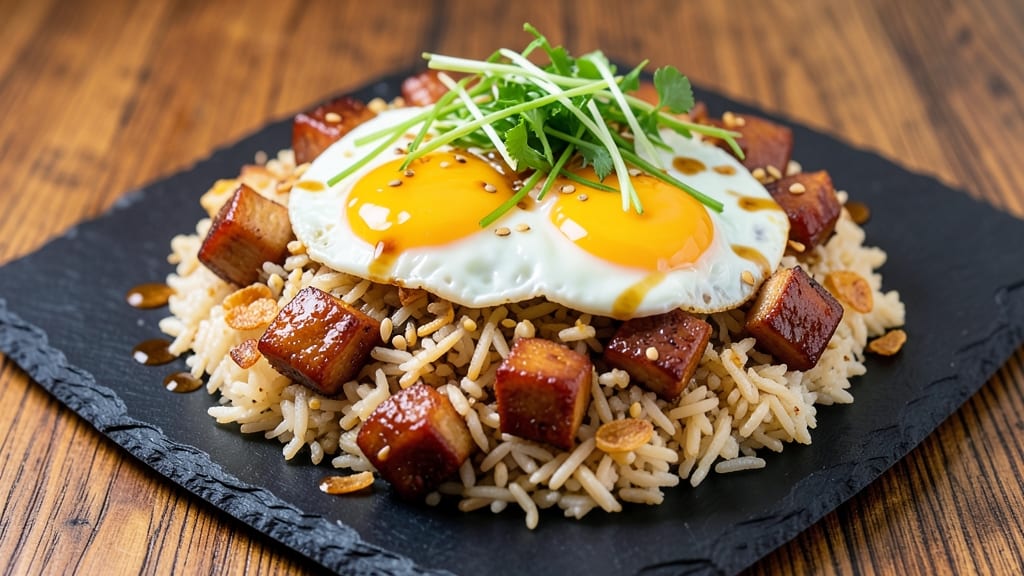
This char siu pork fried rice recipe delivers the perfect balance of sweet, savory, and crispy textures in every bite—just like your favorite Cantonese restaurant. The secret lies in properly prepping the char siu pork (whether pre-cooked or fresh) and achieving that signature wok hei—smoky, aromatic flavor through high-heat stir-frying.
With tender rice, caramelized pork, and a touch of soy sauce for depth, this dish transforms simple ingredients into a restaurant-quality meal.
The key to crispy edges and perfectly cooked rice is timing and technique: break up the char siu pork into bite-sized pieces, stir-fry the aromatics first, and cook the rice just until it releases its starches.
Finish with a splash of sesame oil for that signature nutty aroma and a sprinkle of scallions for freshness. This fried rice is hearty enough for a main dish but quick enough for a weeknight dinner—ideal for feeding a crowd or meal prepping for the week.
Ingredients for char siu pork fried rice
Sweet-savory pork meets crispy rice—just eight ingredients transform into restaurant-quality fried rice.
| Ingredient | Amount | Notes |
|---|---|---|
| Char Siu Pork 🥓 | 1 ½ lb | Pre-cooked or fresh, diced into 1-inch pieces |
| Day-Old Jasmine Rice 🍚 | 4 cups | Cold from fridge for crispy texture |
| Large Eggs 🥚 | 2 whole | Beaten for quick stir-fry |
| Green Onions 🧅 | ½ cup | White and green parts, thinly sliced |
| Fresh Ginger 🧄 | 1 tbsp | Finely minced for aromatic depth |
| Garlic Cloves 🧄 | 4 cloves | Minced for robust flavor |
| Light Soy Sauce 🥄 | 3 tbsp | For umami balance |
| Dark Soy Sauce 🥄 | 1 tbsp | For color and depth |
| Sesame Oil 🫒 | 1 tbsp | Toasted for nutty aroma |
| Vegetable Oil 🫒 | ½ cup | High smoke point for wok hei |
| White Pepper 🌶️ | ½ tsp | Freshly ground for subtle heat |
| Salt 🧂 | ½ tsp | Kosher or sea salt |
| Honey 🍯 | 1 tbsp | Balances salty-sweet flavors |
The char siu pork is non-negotiable for authentic flavor—pre-cooked from a trusted Asian market delivers the best caramelized sweetness. If using fresh pork, marinate overnight with hoisin, honey, and five-spice for that signature char siu taste. For the rice, day-old jasmine rice is essential; freshly cooked rice turns mushy. Look for long-grain jasmine rice at stores like H Mart or Whole Foods for optimal texture. The eggs should be ice-cold from the fridge to prevent scrambling during stir-fry.
No char siu pork? Substitute with diced leftover roast pork or smoked ham, but reduce salt in the soy sauce. The ginger and garlic can be swapped for 1 tbsp ginger-garlic paste if fresh isn't available. For a vegetarian version, replace pork with extra-firm tofu pressed and pan-fried. The sesame oil is crucial—use toasted sesame oil (not flavored) for that authentic aroma. If your vegetable oil isn't high-heat, avocado oil is a great alternative. The honey can be replaced with maple syrup for a vegan option.
Store prepped fried rice in an airtight container for up to 4 days—it reheats beautifully with a splash of water. For meal prep, divide into portions and freeze individual servings for 3 months. The pork and rice can be prepped ahead, but add the eggs and sesame oil fresh when reheating. Garnish with extra green onions and a drizzle of chili oil for serving. This dish reheats best in a steamer basket over boiling water to maintain crispy edges.
Why You'll Love This Recipe
- Here’s what sold me: char siu pork is cheap to buy in bulk, and day-old rice means less waste. A few eggs, a thumb of ginger, and a handful of green onions turn a simple protein into something restaurant-worthy without breaking the bank.
- Sweet-Savory Magic: I swear, that sticky char siu pork transforms into something next-level when it melts into the rice. The caramelized edges and smoky-sweet flavor? It’s the kind of taste that makes you pause mid-bite—like a little flavor explosion in your mouth.
- One-Pan Wonder: Honestly, this recipe is my lazy-day hero. You’re basically tossing together cold rice, chopped pork, a couple eggs, and whatever veggies you have—no fancy techniques, no extra bowls. The wok (or even a skillet) handles the rest while you sip your coffee.
- Lunchbox Hero: Between us, this is my go-to for meal prep. The rice stays firm for days, the pork keeps its chewy goodness, and I can pack it cold or reheat it in seconds. My kids actually ask for it—yes, even on a Tuesday night with zero complaints.
Step-by-step instructions for char siu pork fried rice
Master the art of crispy edges and sweet-savory balance with this professional technique.
Prep Ingredients for Maximum Flavor and Texture
Start by dicing the 1.5 lb char siu pork into 1-inch pieces if not pre-cut. This size ensures even cooking and visible meaty bites in every forkful. Finely mince the 4 cloves garlic cloves and 1 tbsp fresh ginger—I like to use a microplane for ginger to release its aromatic oils without watering the dish.
Slice the 0.5 cup green onions into ½-inch pieces, separating the white and light green parts. The white portions add depth of flavor while the greens provide freshness. Crack the 2 whole large eggs into a small bowl and whisk vigorously until the yolks and whites are fully combined—this prevents streaky eggs in your fried rice.
Stir-Fry Eggs for Perfect Texture
Heat ½ cup vegetable oil in a wok or large skillet over medium-high heat until shimmering but not smoking. Add the beaten eggs and let them sit undisturbed for 5-7 seconds—this creates a firm base before gently stirring with a spatula in small circles. Cook until just set but still slightly runny in the center (about 15 seconds), then remove and set aside.
The slight runniness ensures the eggs blend seamlessly with the rice later. If you overcook them now, they'll turn rubbery when reheated with the rice. Keep them warm by placing them on a wire rack over a clean plate.
Cook the Aromatics and Char Siu Pork
In the same wok, add ½ cup vegetable oil and increase heat to high. Add the minced garlic and ginger, stirring constantly for 20-30 seconds until fragrant but not browned—this prevents bitter flavors. Add the 1.5 lb char siu pork and stir-fry for 1-2 minutes until heated through.
Here's where the magic happens: Pour in 1 tbsp dark soy sauce and 1 tbsp honey, stirring constantly. The dark soy sauce adds that signature caramelized color while the honey balances the saltiness. Cook for another 30 seconds until the pork glistens with a sticky-sweet glaze.
Combine Rice and Season to Perfection
Add the 4 cups day-old jasmine rice, breaking up any clumps with your spatula. Stir-fry for 1 minute to distribute the oil and aromatics evenly. Pour in 3 tbsp light soy sauce, ½ tsp salt, and ½ tsp white pepper, mixing well. The rice should look glossy but not soggy.
Add the cooked eggs back to the wok and toss everything together for 2-3 minutes until the rice is heated through and the edges begin to develop crispy textures. The high heat and constant motion create that signature "wok hei" flavor while ensuring each grain remains distinct.
Finish with Green Onions and Sesame Oil
Remove the wok from heat and immediately stir in the ½ cup sliced green onions and 1 tbsp sesame oil. The green onions add a fresh contrast to the rich pork and rice, while the sesame oil carries the aromatic notes to every bite. Taste and adjust seasoning—you might need a splash of water if the rice is too dry or a touch more soy sauce if it's bland.
Serve immediately while the edges are still crispy. The rice should be hot throughout with visible char siu pork pieces, glossy from the sauce, and each bite should deliver that perfect balance of sweet, savory, and umami flavors. The crispy edges come from using day-old rice and high heat—never skip these for authentic texture!
Pro Tips For Making Char Siu Pork Fried Rice
- CHOP GINGER THIN: I used to smash it with the flat side of my knife—big mistake. Thinly slice the ginger (about 1/8-inch) so it cooks fast and dissolves into the rice instead of sitting as chewy chunks. Toss it in with the pork early and let it mellow out.
- CRUMBLE PORK DRY: That glossy char siu glaze is delicious, but it turns fried rice greasy if you don’t break it up properly. Pull the pork apart into bite-sized pieces before adding it to the pan—no need to overcrowd, and the sauce will distribute evenly.
- STOP STIR-FRYING WHEN IT LOOKS DONE: I learned this the hard way—overworking the rice turns it mushy. Once the eggs are just set and the pork is heated through, pull it off the heat. The residual heat finishes cooking it, and the texture stays firm.
- USE COLD RICE: No excuses—day-old rice is non-negotiable here. If you’re short on time, spread freshly cooked rice on a tray and pop it in the fridge for 30 minutes. Cold rice absorbs flavors better and won’t turn gummy. (Yes, even if you’re impatient like me.)
Common mistakes when making your char siu pork fried rice
Overcooking the Rice
Day-old rice is your secret weapon for crispy edges, but overcooking it turns it mushy. Once you add the rice to the wok, stir-fry for exactly 1-2 minutes—any longer and the grains will absorb too much oil and lose their distinct texture.
I’ve seen home cooks leave it in too long because they’re afraid of undercooking, but that’s when the rice turns into a gluey mess. 🥗
Skipping the Egg Prep
Many people rush the egg step, but proper egg prep makes all the difference. Beating the eggs thoroughly and cooking them just until set (not fully scrambled) ensures they blend perfectly with the rice.
If you overcook them now, they’ll turn rubbery when reheated with the rice. Keep them warm on a wire rack while you finish the rest—this prevents sogginess.
Using Fresh Rice
Freshly cooked rice is a common mistake that kills texture. The starches in fresh rice make it sticky and gummy when stir-fried. Always use day-old jasmine rice—it’s drier and absorbs flavors better while maintaining that signature crispy edge.
If you’re short on time, spread freshly cooked rice on a tray and refrigerate for 30 minutes before using.
Low Heat Stir-Frying
High heat is non-negotiable for wok hei—those smoky, aromatic flavors only develop at high heat. If you stir-fry on medium or low, the rice will steam instead of develop crispy edges, and the aromatics won’t release their full potential.
Invest in a wok with a flat bottom if you don’t have one—it conducts heat better than a round-bottomed pan. 🔥
Neglecting the Eggs’ Role
The eggs aren’t just a protein source—they bind the fried rice together and add richness. If you skip them or undercook them, your dish will lack cohesion and depth.
For extra flavor, add a pinch of white pepper to the beaten eggs before cooking. This subtle heat complements the sweetness of the char siu pork perfectly.
Overcrowding the Wok
Stuffing the wok with too much rice and pork at once drops the temperature and steams instead of stir-frying. Work in batches if needed—your goal is to get that wok hei (breath of the wok) that gives authentic fried rice its signature aroma.
A well-seasoned carbon steel wok helps here, but even a stainless steel pan can work if you maintain high heat.
Nutrition facts
Frequently asked questions
Can I use regular white rice instead of jasmine rice?
While you can substitute white rice, jasmine rice is ideal for its fragrant aroma and slightly sticky texture that holds up better during stir-frying. If using regular long-grain white rice, make sure it's day-old and well-cooled before using to prevent mushiness. Short-grain rice like sushi rice will turn out too sticky and gluey.
How do I make this recipe vegetarian?
Replace the char siu pork with 1.5 lb extra-firm tofu pressed and pan-fried until crispy, then marinated in a mix of 1 tbsp soy sauce, 1 tbsp honey, and ½ tsp five-spice powder. Keep all other ingredients the same—this maintains the dish's texture and flavor profile while making it plant-based.
Why does my fried rice turn out soggy?
Soggy fried rice usually means one of two things: using fresh rice (which contains too much moisture) or not cooking the rice long enough on high heat. Always use day-old rice and stir-fry for exactly 2-3 minutes until the edges develop crispy texture. If needed, add a splash of water to deglaze the wok for extra moisture.
Can I make this ahead of time?
This dish reheats beautifully! Store in an airtight container in the fridge for up to 4 days. For best results, reheat in a steamer basket over boiling water to maintain crispy edges. Keep the sesame oil and green onions separate until serving to preserve freshness. For freezing, portion into individual servings and freeze for up to 3 months—thaw overnight in the fridge.
What's the secret to crispy edges?
The crispy edges come from three key factors: day-old rice, high heat (not medium), and proper timing. Use a well-seasoned wok or nonstick pan, and stir-fry the rice for exactly 2-3 minutes after adding it to the wok. The constant motion and high heat create that signature texture while keeping the interior perfectly cooked.