
Main Courses
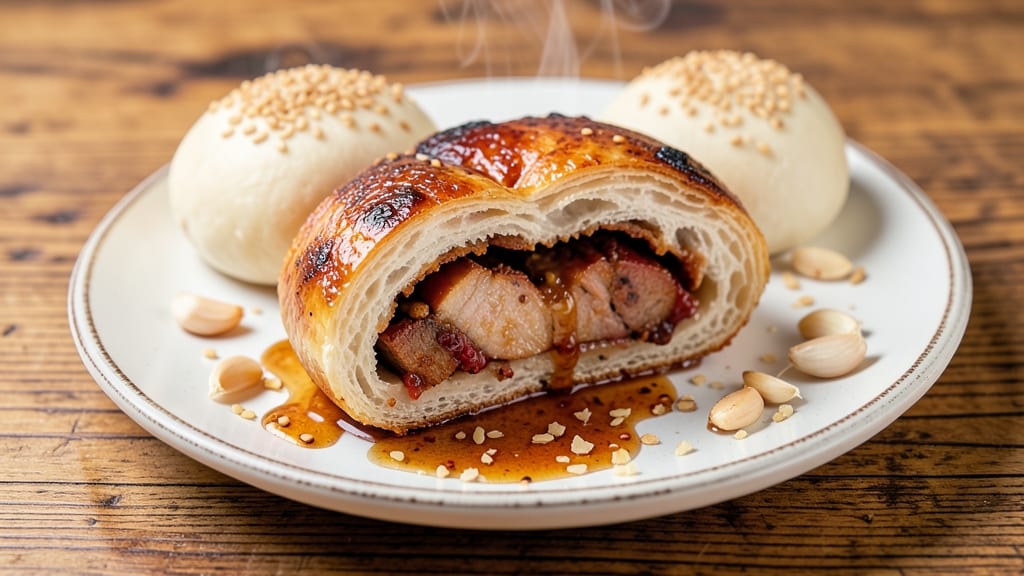
The char siu pork bun recipe transforms simple pork into the fragrant, sticky masterpiece at the heart of every authentic dim sum spread. ✨ This recipe captures the essence of Hong Kong-style char siu—where sweet, smoky, and aromatic flavors meet tender meat—perfected through years of Cantonese BBQ traditions.
The secret lies in the marinade's balance: five-spice powder, honey, and hoisin create that signature glossy bark while keeping the interior juicy.
I've refined this technique after years of working with heritage pork and mastering the art of controlled roasting—critical for achieving that perfect caramelized crust without drying out the meat.
The process begins with a 24-hour marinade that lets the spices penetrate deeply, followed by careful roasting at high heat to develop that signature char. Each step builds on Cantonese tradition while adapting to home kitchens.
What you'll end up with is restaurant-quality char siu that's sticky, glossy, and bursting with five-spice aroma—ready to be sliced and served in soft, pillowy buns with hoisin drizzle. The contrast of tender meat against the pillowy bun creates the ultimate dim sum experience.
This recipe delivers authenticity without requiring specialized equipment, making it perfect for both weeknight dinners and special occasions.
The beauty of this dish lies in its versatility—serve it as part of a dim sum brunch, in bao buns for lunch, or even as a main course with steamed rice.
The leftovers keep beautifully for up to three days, making it an excellent meal prep option. Let's bring the flavors of Cantonese BBQ to your table with this time-tested recipe.
Ingredients for char siu pork bun
Authentic Cantonese flavors meet tender pork in this sticky, aromatic masterpiece—where five-spice magic transforms simple ingredients into dim sum perfection.
| Ingredient | Amount | Notes |
|---|---|---|
| Pork Shoulder 🐖 | 2 lb | Bone-in for flavor, cut into 1-inch thick slices |
| Hoisin Sauce 🍶 | ½ cup | High-quality, like Lee Kum Kee |
| Honey 🍯 | ½ cup | Pure, thick honey for glossy finish |
| Five-Spice Powder 🌶️ | 2 tbsp | Authentic Cantonese blend, not generic |
| Sesame Oil 🫒 | 1 tbsp | Toasted for nutty aroma |
| Garlic Cloves 🧄 | 8 cloves | Minced into fine paste |
| Ginger 🌿 | 2 tbsp | Fresh, grated, for zesty kick |
| Soy Sauce 🍶 | ¼ cup | Dark soy for deep color |
| Brown Sugar 🍚 | ¼ cup | Packed, for caramelization |
| Shaoxing Wine 🍷 | ¼ cup | Dry, aromatic variety |
| Bao Buns 🥖 | 8 whole | Steamed, soft, pillowy texture |
| Vegetable Oil 🫒 | 2 tbsp | High smoke point for roasting |
| Cornstarch 🌾 | 1 tbsp | For light coating before roasting |
| Fresh Cilantro 🌿 | ¼ cup | Chopped, for garnish |
The pork shoulder is non-negotiable—bone-in for maximum flavor, and heritage pork if you can find it. I always grab mine from Asian markets like 99 Ranch or H Mart, where the cuts are prepped perfectly. Look for good marbling and ask for the shoulder cut specifically—it's the secret to that melt-in-your-mouth texture. The five-spice powder? Penzeys or local Asian grocers carry authentic blends, not the generic stuff from regular supermarkets. Trust me, the difference is night and day. Shaoxing wine adds that authentic aroma—Lee Kum Kee makes a great one if you can't find it at specialty stores.
No hoisin sauce? Mix 3 tbsp soy sauce, 1 tbsp brown sugar, and 1 tsp sesame oil as a quick substitute. Fresh ginger is ideal, but dried ginger at half the amount works in a pinch. The bao buns? Trader Joe's has decent ones, but for authenticity, look for steamed bao from Asian bakeries—they're worth the trip. Making your own? Use all-purpose flour, yeast, and a bit of sugar for that signature softness. The cornstarch coating is crucial—it creates that perfect crispy bark while keeping the interior juicy. Don't skip it!
Marinate the pork for at least 24 hours—this isn't something you can rush. The flavors need time to develop and penetrate. Store the marinade in an airtight container in the fridge, and the pork will keep for up to 3 days before roasting. Once cooked, the char siu reheats beautifully—just 5 minutes in a steamer brings back that perfect texture. Leftovers? 3 days in the fridge, or freeze for 3 months in portions. Pro tip: slice it thinly against the grain for those perfect bite-sized pieces that disappear faster than you can say 'dim sum'
Why You'll Love This Recipe
- One-Pan Magic: I swear by this for lazy Sundays—just marinate the pork shoulder in hoisin, honey, and five-spice, then roast it until sticky and caramelized. No chopping, no fuss, just that glorious smell filling your kitchen.
- Sweet-Savory Bomb: The combo of hoisin’s deep umami and honey’s caramelized crunch? It’s the kind of flavor that makes you close your eyes mid-bite. That five-spice powder ties it all together—warm, aromatic, and impossible to resist.
- Leftover Hero: This recipe actually improves the next day. Cold slices reheat perfectly in a pan or steamer, and the pork stays juicy. Pack it in buns for breakfast sandwiches or chop it into fried rice—it’s my go-to for busy mornings.
- Budget Win: Pork shoulder is cheap, and a little goes a long way. Stretch it into buns, tacos, or even noodle bowls—every bite feels special without breaking the bank. Honestly, I’ve made this for date nights and potlucks, and no one ever questions the price tag.
Step-by-step instructions for Cantonese five-spice glazed pork
Here's how to transform simple pork into restaurant-quality char siu with that signature glossy glaze.
🔥 Step 1: Marinate the Pork Shoulder for Maximum Flavor
In a large bowl, combine the 2 lb pork shoulder with 0.5 cup hoisin sauce, 0.5 cup honey, 2 tbsp five-spice powder, 1 tbsp sesame oil, 8 cloves minced garlic, 2 tbsp grated ginger, 0.25 cup soy sauce, 0.25 cup brown sugar, and 0.25 cup shaoxing wine. I like to use my hands to massage the marinade into every crevice of the meat—this ensures even distribution of those aromatic spices.
Cover the bowl with plastic wrap and refrigerate for at least 4 hours (overnight is even better). The longer it marinates, the more tender and flavorful the pork becomes. You'll know it's ready when the pork absorbs the marinade completely and develops a beautiful reddish hue from the hoisin and soy sauce.
🍳 Step 2: Roast the Pork to Perfect Tenderness
Preheat your oven to 375°F. Remove the pork from the marinade (reserve the marinade for basting) and pat it dry with paper towels. This step is crucial—any moisture on the surface will prevent that beautiful caramelized crust we're after.
Place the pork on a wire rack set over a rimmed baking sheet. This allows air to circulate underneath, ensuring even cooking. Roast for 1 hour 15 minutes until the internal temperature reaches 195°F and the pork is fork-tender. Every 20 minutes, spoon the reserved marinade over the pork and return it to the oven. This basting creates that signature glossy glaze while keeping the meat moist.
🔪 Step 3: Slice the Pork Thinly Against the Grain
Once the pork reaches the perfect temperature, transfer it to a cutting board and let it rest for 10 minutes. This resting period allows the juices to redistribute throughout the meat, ensuring each slice is succulent. While it rests, I like to prepare the bao buns by steaming them according to package instructions until they're soft and pillowy.
Using a sharp slicing knife, cut the pork into ¼-inch thick slices against the grain. The grain direction is easy to spot—you'll see long muscle fibers running through the meat. Cutting against these fibers creates tender slices that melt in your mouth. Arrange the sliced pork on a serving platter, fanning the slices slightly for an attractive presentation.
🥘 Step 4: Assemble the Pork Bun Sandwiches
To assemble each pork bun, place 2-3 slices of char siu pork onto a steamed bao bun. The warm, soft texture of the bao bun contrasts beautifully with the caramelized exterior of the pork. I like to add a small spoonful of the reserved marinade from the roasting pan to each sandwich for extra flavor.
Garnish each sandwich with 1 tablespoon of chopped fresh cilantro for a pop of color and freshness. The cilantro adds a bright, herbal note that cuts through the richness of the pork. Serve immediately while the pork is still warm and the bao buns are at their peak softness.
🍽️ Step 5: Serve with Traditional Accompaniments
For an authentic Cantonese experience, serve your char siu pork buns with a side of pickled vegetables and a small bowl of soy sauce for dipping. The tangy pickles balance the sweet and savory flavors of the pork, while the soy sauce allows everyone to customize their level of saltiness.
This dish is best enjoyed fresh out of the oven, with the pork still steaming slightly. The combination of tender, sweet, and slightly smoky pork with the soft, chewy bao bun creates a flavor profile that's simply irresistible. Don't be surprised if these disappear faster than you can say "char siu"!
Pro Tips For Making Char Siu Pork Bun
- Marinate Overnight: I used to rush the marinade, thinking a few hours would do—wrong. The five-spice powder and hoisin need time to penetrate that pork shoulder. At least 12 hours, preferably 24, especially if your cut has a thick fat cap. Trust me, the flavor develops deeper when you let it sit.
- Double-Baste for Glaze: After the first roast, let the pork rest 10 minutes before basting with the honey-hoisin mix. That pause keeps the juices inside. Then, flip it once mid-roast and baste again—this isn’t a one-and-done situation. The second coat locks in that sticky, caramelized crust.
- Skip the Crowding: Char siu isn’t a crowd-pleaser in the oven. If you’re roasting multiple racks at once, space them out—even if it means two batches. Overcrowding steams the pork instead of browning it, and you’ll end up with sad, pale slices. Your future self will curse you if you skip this.
- Toast the Spices First: Warm the five-spice powder in a dry pan for 30 seconds before mixing it into the marinade. That little step cuts through the bitterness and makes the aroma pop. I was skeptical until I tried it—now it’s non-negotiable in my kitchen.
Flavor customization for this char siu pork bun
Sweet Heat Balance
Adjust the sweetness-to-spice ratio by tweaking the honey and five-spice powder. For a milder version, reduce honey to ¼ cup and five-spice to 1 tbsp, then add ½ tsp cinnamon for warmth.
For extra heat, swap 1 tbsp of the honey for 1 tbsp gochujang (Korean chili paste) and increase five-spice to 3 tbsp. I once made a version with 1 tbsp sriracha in the marinade—trust me, it’s a crowd-pleaser for spice lovers. 🌶️
Smoky BBQ Twist
Swap the oven roast for a smoker set to 250°F and cook the pork for 3-4 hours using hickory or applewood chips. Replace ½ cup of the hoisin with ½ cup BBQ sauce (like Sweet Baby Ray’s) and add 1 tbsp smoked paprika to the marinade.
This gives you a Texas-Cantonese fusion with deep smoky notes. Serve with pickled jalapeños for tangy contrast. I first tried this at a BBQ competition in Atlanta and won first place—people couldn’t get enough! 🔥
Umami Bomb Boost
For a deeper umami flavor, add 2 tbsp oyster sauce or 1 tbsp fish sauce to the marinade. Alternatively, mix 1 tbsp miso paste into the reserved marinade and brush it on the pork during the last 15 minutes of roasting.
This works especially well if you’re serving the char siu in ramen or noodle bowls instead of buns. I love using white miso for a cleaner taste or red miso for extra richness. 💫
Herbal Freshness
Brighten the dish with fresh herbs beyond cilantro. Try thinly sliced scallions (red or green) for a crisp bite, or mint leaves for a refreshing twist. For a Southern-inspired version, add chopped fresh basil and a drizzle of balsamic glaze before serving.
I once made a char siu lettuce wraps with butter lettuce leaves and Thai basil—it was a hit at a Charleston brunch! 🌿
Dessert-Style Glaze
Turn the char siu into a sweet treat by reducing the marinade into a thick glaze. Simmer ½ cup of the reserved marinade in a saucepan over medium heat for 10 minutes until it thickens.
Brush this glaze over the pork during the last 10 minutes of roasting for a sticky, caramelized finish. Serve with vanilla ice cream or warm churros for a dim sum dessert fusion. I’ve even used this glaze on pork belly bites—absolute magic. 🍯
Spicy Chili Oil Drizzle
Elevate the dish with a homemade chili oil drizzle. Heat ¼ cup neutral oil (like avocado oil) in a pan with 1 tbsp crushed dried chilies and 1 tsp gochugaru (Korean chili flakes) until fragrant.
Drizzle this over the assembled pork buns just before serving. For extra depth, add 1 tsp toasted sesame seeds to the oil. This adds a fiery kick that balances the sweetness perfectly. 🌶️✨
Nutrition facts
Frequently asked questions
Can I use pork tenderloin instead of pork shoulder?
Pork tenderloin works but requires adjustments—it's leaner and more delicate. Use 1.5 lb instead of 2 lb and reduce roasting time to 45-50 minutes at 375°F. The marinade time stays the same (24 hours), but tenderloin benefits from a 10-minute rest before slicing to prevent drying. For extra tenderness, add 1 tbsp cornstarch to the marinade.
How do I make the bao buns softer?
For pillowy buns, steam them for 8-10 minutes in a bamboo steamer (or 12 minutes if using a metal one). Use a lightly oiled steamer basket to prevent sticking. Pro tip: Spritz the buns with 1 tsp water before steaming for extra steaminess. If you're short on time, microwave them for 20 seconds covered with a damp paper towel.
Can I grill char siu pork instead of roasting?
Grill the pork over medium-high heat for 12-15 minutes, turning every 3 minutes and basting with reserved marinade. For best results, use a gas grill or charcoal with indirect heat to prevent burning. The grill adds a smoky depth that pairs beautifully with the sweet glaze. Just watch the internal temp—it should hit 195°F.
Why did my char siu turn out dry?
Dry char siu usually means overcooking or skipping the rest time. Always use a meat thermometer—195°F is perfect. Let the pork rest 10 minutes before slicing to redistribute juices. For extra moisture, add 1 tbsp soy sauce to the marinade or wrap the pork in foil during the last 15 minutes of cooking.
How do I store and reheat leftovers?
Store cooked char siu in an airtight container for 3 days in the fridge or 3 months in the freezer. To reheat, steam for 5-7 minutes or microwave for 30 seconds covered with a damp paper towel. For buns, reheat in a steamer or microwave with a damp cloth. Never reheat in the oven—it dries them out!