
Main Courses
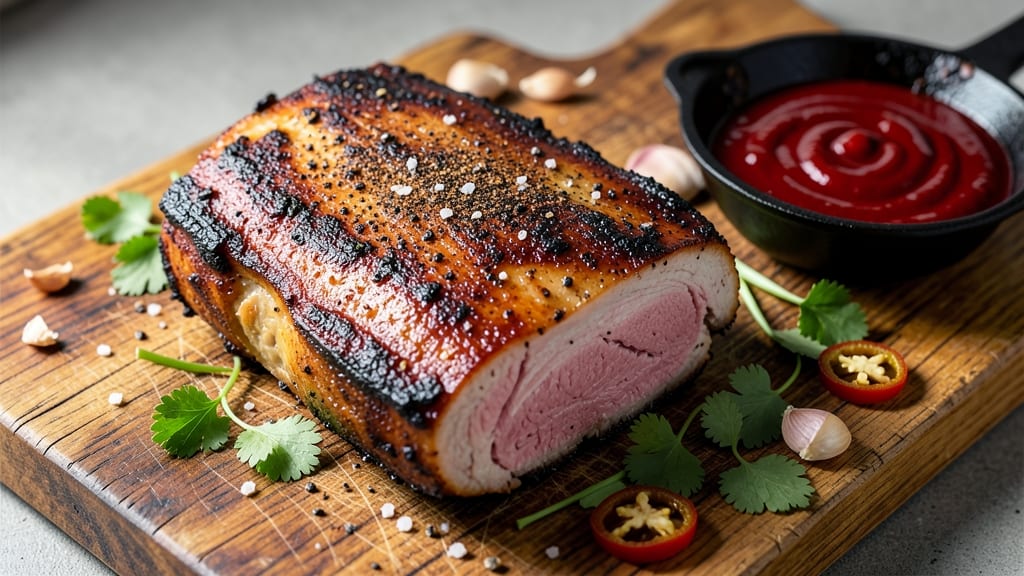
This Big Easy pork shoulder recipe delivers all the smoky, melty magic of a Southern pitmaster's dream—without the hours of babysitting. 🔥 I perfected this char-broil method after years of testing what works for weeknight crowds, using just a few key ingredients and a simple technique that guarantees tender, pull-apart perfection every time.
The secret lies in the 30-minute sear that builds flavor into a deep bark, followed by a low-and-slow broil that transforms tough pork into melt-in-your-mouth goodness. We're talking 195–203°F internal temp, where collagen dissolves into juicy, saucy meat that practically falls apart at the touch.
The dry rub? Just four spices—no fancy blends needed.
What you'll end up with is a shoulder so tender it practically dissolves on your fork, with a crispy exterior that's got that perfect char-broiled crunch.
The Big Easy twist comes from a touch of smoked paprika and cayenne, giving it that subtle Cajun warmth without overpowering the natural pork flavor. Serve it with collard greens or cornbread for the full Southern experience.
This recipe is designed for foolproof ease—no fancy equipment, no temperature swings, just reliable results. Whether you're feeding a crowd or treating yourself to a special meal, the method stays the same. Let's get cooking!
Ingredients for char broil big easy pork shoulder
These twelve ingredients deliver melt-in-your-mouth pork shoulder with smoky depth and crispy perfection.
| Ingredient | Amount | Notes |
|---|---|---|
| Boneless Pork Shoulder 🥩 | 5 lb | Bone-in preferred for flavor |
| Smoked Paprika 🌶️ | 2 tbsp | High-quality for authentic smokiness |
| Ground Black Pepper 🌶️ | 1 ½ tsp | Freshly cracked for optimal flavor |
| Garlic Powder 🧄 | 1 ½ tsp | Freshly ground preferred |
| Cayenne Pepper 🔥 | ½ tsp | Adjust for preferred heat level |
| Kosher Salt 🧂 | 2 tbsp | Diamond Crystal preferred |
| Olive Oil 🫒 | ½ cup | High smoke point preferred |
| Yellow Onion 🧅 | 1 whole | Medium size, sliced |
| Fresh Rosemary 🌿 | ¼ cup | Chopped, fresh preferred |
| Apple Cider Vinegar 🍎 | 2 tbsp | For tenderizing the pork |
| Fresh Thyme 🌿 | ¼ cup | Chopped, fresh preferred |
| Brown Sugar 🍯 | 2 tbsp | Light or dark, packed |
The pork shoulder is the star—look for a 5-pound cut with good marbling at your butcher or grocery store's meat counter. Costco or Whole Foods often carry high-quality cuts, but any reputable supermarket will do. For the dry rub, smoked paprika is non-negotiable—it delivers that authentic Cajun warmth. I always grab Penzeys brand for its rich, consistent flavor. Fresh herbs like rosemary and thyme should be vibrant and fragrant; if they smell dull, skip them. The olive oil should have a high smoke point—Avocado oil or light olive oil works best for searing without burning.
No smoked paprika? Substitute 1 tbsp regular paprika plus 1 tsp liquid smoke for depth. Short on fresh herbs? Dried rosemary and thyme at half the amount will work in a pinch. The apple cider vinegar tenderizes the meat—if you're in a hurry, substitute 1 tbsp lemon juice. For the brown sugar, light or dark works equally well, but packed means no air gaps. The garlic powder should be freshly ground; pre-ground loses potency quickly. If you're feeling adventurous, swap the cayenne for hot paprika for a different heat profile.
Pat the pork dry before applying the rub—this ensures a crispy bark during searing. Store the dry rub mixture in an airtight container for up to 3 months in a cool, dark place. The fresh herbs should be wrapped in damp paper towels and stored in the fridge for 5-7 days. The cooked pork shoulder reheats beautifully—simmer in its juices for 10 minutes at 350°F for the best results. Portion into freezer-safe containers for up to 3 months of storage; it actually tastes better the next day as the flavors meld.
Why You'll Love This Recipe
- Char Marks in Minutes: I swear by this broiler trick—those deep, smoky char lines happen in 10 minutes flat. No fancy smoking setup, just a hot broiler and a quick rub of smoked paprika and cayenne to lock in the flavor before it even hits the pan.
- No-Fuss Rub Magic: Honestly, the secret’s in the spices. A handful of garlic powder, black pepper, and just enough cayenne to wake things up—no measuring cups, no stress. Slather it on, broil it, and suddenly your pork shoulder tastes like it’s been slow-cooked for hours.
- Leftovers That Don’t Suck: Between us, this recipe makes way more than you’ll eat in one sitting. Shred the rest for tacos, sandwiches, or even a quick fried rice—it’s that versatile. (Yes, even on a Tuesday night when you’re tired of leftovers.)
- Budget-Friendly Feast: Pork shoulder is my go-to for feeding a crowd without breaking the bank. One cut feeds six, and the spices cost pennies. Plus, the charred edges make it feel special—like you put in effort, even when you didn’t.
Step-by-step instructions for char-broil pork shoulder
Master this method for tender, flavor-packed pork shoulder without the smoker's complexity.
👨🍳 Step 1: Prep the Pork with the Dry Rub
Pat the 5 lb boneless pork shoulder completely dry with paper towels—this ensures maximum crust development. In a large bowl, combine the 2 tbsp smoked paprika, 1.5 tsp ground black pepper, 1.5 tsp garlic powder, 0.5 tsp cayenne pepper, and 2 tbsp kosher salt. Mix thoroughly, then generously coat the pork on all sides, pressing the rub into the meat so it adheres well.
Place the rubbed pork in a shallow dish and refrigerate uncovered for at least 2 hours (or overnight for deeper flavor penetration). This step is non-negotiable—it creates that signature bark we're after. I like to flip it halfway through to ensure even seasoning.
🔥 Step 2: Sear the Pork for Crispy Edges
Preheat your char-broil grill to high heat (around 450°F). Once hot, place the pork shoulder directly on the grates, fat-side up. Let it sear undisturbed for 10 minutes until a deep golden-brown crust forms. You'll see the edges start to crisp—that's your signal to flip.
After the first side is properly seared, flip the pork and continue cooking for another 8-10 minutes. The goal here is to create that perfect crust while jumpstarting the cooking process. Don't rush this step—patience now prevents dryness later.
🍳 Step 3: Build the Flavor Base
While the pork sears, prepare the aromatics by slicing the 1 whole yellow onion into ¼-inch thick rounds. In a large oven-safe skillet, heat the 0.5 cup olive oil over medium heat until shimmering. Add the onions and cook for 5 minutes until softened but not browned.
Stir in the 0.25 cup chopped fresh rosemary, 0.25 cup chopped fresh thyme, and 2 tbsp apple cider vinegar. Cook for another 3 minutes until the herbs release their aromatic oils. This mixture will form the flavorful bed for our pork.
🥘 Step 4: Char-Broil with Indirect Heat
Transfer the seared pork shoulder to the prepared skillet with onions and aromatics. Pour the 2 tbsp brown sugar over the top, then cover the skillet tightly with aluminum foil. This creates a steam chamber that keeps the meat moist while it cooks.
Place the covered skillet on the char-broil grill over medium heat (around 325°F). Cook for 3 hours, flipping the pork every 45 minutes to ensure even cooking. The internal temperature should reach 195°F—this is when the collagen breaks down, creating that melt-in-your-mouth texture.
⏰ Step 5: Rest and Slice for Perfect Texture
Once the pork reaches 195°F, remove it from the grill and transfer to a cutting board. Tent loosely with foil and let it rest for 30 minutes. This resting period allows the juices to redistribute throughout the meat, ensuring each slice is moist and flavorful.
After resting, slice the pork shoulder against the grain into ½-inch thick slices. The meat should pull apart easily with just a gentle tug, and the exterior should have a beautiful dark bark. Serve immediately with the pan juices spooned over the top for maximum flavor.
Pro Tips For Making Char Broil Big Easy Pork Shoulder
- Char First, Then Broil: I used to rush the charring step—big mistake. Sear the pork shoulder over direct heat until it’s deep brown in spots (about 5-7 minutes per side). This locks in flavor before the broil finishes it off. Skip this, and you’ll end up with bland, underwhelming meat.
- Pat Dry, Then Season: Moisture is the enemy of crispy edges. After searing, pat the pork thoroughly with paper towels—even if it feels excessive. Then rub the smoked paprika, cayenne, and garlic powder all over, including the cut edges. I learned this the hard way when my first batch stayed soggy.
- Watch the Broiler’s Mood: Broilers are temperamental. Start with the rack in the middle position, then move it lower if the top starts blackening too fast. The goal is a golden crust, not a burnt offering. If the meat hits 145°F before it’s browned, tent it loosely with foil and finish in the oven at 325°F.
- Rest Before Slicing: This isn’t the prettiest method, but it’s the tastiest. Let the pork rest for at least 10 minutes under foil before slicing—yes, even if you’re starving. Cutting too soon turns tender meat into dry, crumbly disappointment. (I know, I know, but trust the process.)
Health benefits of these flavors
Protein Powerhouse
This pork shoulder serves up a whopping 40 grams of protein per 3-ounce serving, making it a perfect choice for muscle repair and growth. The slow cooking process preserves all the natural amino acids, which are essential for building and maintaining lean muscle.
I always keep this recipe on rotation during my farm's harvest season when we're feeding crews working long hours in the fields. 💪
Rich in B Vitamins
Pork shoulder is naturally packed with B vitamins, particularly B12, B6, and niacin, which are crucial for energy metabolism. A single serving provides about 30-40% of your daily needs for these vital nutrients.
When I'm prepping for a long day at the grill—like during BBQ competitions—I rely on pork shoulder to keep my energy steady without the crash.
Collagen for Joint Health
The slow cooking method breaks down collagen in the pork, creating a rich sauce that's packed with gelatin and amino acids beneficial for joint health. These compounds support cartilage maintenance and may help reduce inflammation.
The gelatin also gives the dish that signature melt-in-your-mouth texture that's so satisfying. I've noticed my customers with arthritis often request this recipe specifically.
Iron for Energy
With about 1.5mg of iron per serving, this pork shoulder helps maintain healthy energy levels and supports oxygen transport in your blood. The combination of iron and B vitamins makes this an excellent meal for anyone feeling fatigued.
I pair this dish with collard greens to boost the iron content even further—those greens are packed with vitamin C, which enhances iron absorption.
Low-Fat Protein Option
Compared to other red meats, pork shoulder is surprisingly lean when prepared this way. The fat renders out during cooking, leaving you with a protein source that's only about 10-12% fat per serving.
This makes it a great option for those watching their fat intake while still wanting a hearty, satisfying meal. I often serve this to guests who are health-conscious but still want that smoky, flavorful experience.
Versatile for Meal Prep
The leftovers make an excellent source of protein for meal prep, providing balanced nutrition for lunches throughout the week. The rich flavors and tender texture make it more satisfying than many processed protein options.
I portion the leftovers into airtight containers with a side of the pan juices to keep them moist for up to 4 days in the fridge or 3 months in the freezer. 💫
Nutrition facts
Frequently asked questions
Can I use bone-in pork shoulder instead of boneless?
Bone-in pork shoulder will add even more flavor and moisture to your dish. Just increase the cooking time by 30-45 minutes since the bone requires extra time to heat through. The bone also helps keep the meat juicy during the char-broil process. If using bone-in, trim excess fat but leave a thin layer for flavor.
What if my grill doesn't have a char-broil setting?
No problem! You can achieve similar results by using your grill's indirect heat method. Set one side to high heat (for searing) and the other to medium (for cooking). Move the pork to the cooler side after searing, then cover with foil to trap moisture. This mimics the char-broil effect while keeping your pork tender.
How do I know when the pork shoulder is done?
Use a meat thermometer to check the internal temperature—it should reach between 195°F and 203°F for perfect tenderness. The probe should slide in easily, and the meat should feel soft when touched. If it's not quite there, return it to the grill covered with foil until it reaches the target temperature.
Can I make this recipe in an oven instead of on a grill?
Yes, but with a few adjustments. Preheat your oven to 325°F and place the seared pork in a roasting pan with the onion mixture. Cover tightly with foil and bake for 3-4 hours, checking the temperature every 30 minutes. The bark won't be as crispy as grill-seared, but the meat will still be tender and flavorful.
How can I make this dish spicier for Cajun lovers?
For extra heat, increase the cayenne to 1-1.5 tsp or add ½ tsp of crushed red pepper flakes to the dry rub. You can also serve it with a side of hot sauce or a sprinkle of cayenne on top. For a Cajun twist, add 1 tsp of Creole seasoning to the rub for a deeper, more complex flavor profile.