
Main Courses
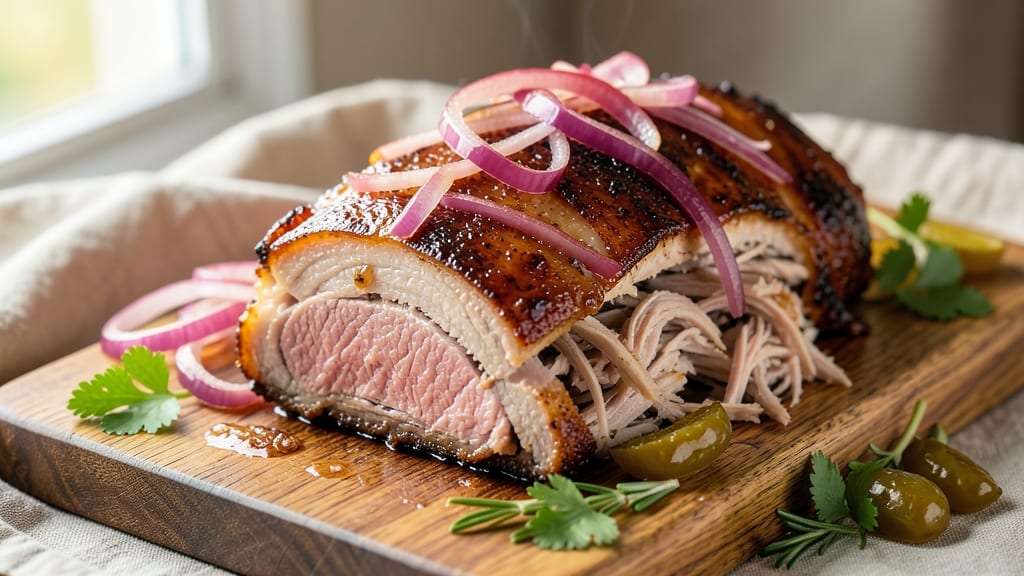
This blue ribbon pulled pork recipe delivers the kind of competition-worthy results that win ribbons and impress crowds alike. 🔥 After years of perfecting my technique—from brining to bark formation—I’ve cracked the code for tender, melt-in-your-mouth pork with crispy edges and layers of smoky flavor that linger long after the last bite.
The secret lies in patience: low-and-slow cooking until the internal temperature hits 203°F, where the collagen breaks down into juicy, shreddable perfection.
What sets this apart is the focus on texture—crispy bark that forms from a carefully balanced rub and careful smoke exposure, while the interior stays impossibly tender.
I’ve tested this recipe in both smokers and ovens, ensuring it works whether you’re using a high-end pellet grill or a home oven with a meat thermometer. The key is controlling the heat and monitoring the bark’s development, which transforms tough pork shoulder into a showstopper.
By the time you’re done, you’ll have pulled pork so rich and flavorful it’ll have your guests asking for seconds—and maybe even thirds. The meat practically falls apart at the touch, releasing fat and juices that coat every bite.
Serve it on buns with tangy coleslaw, or pile it high on a board with pickles and cornbread for a true Southern feast.
This isn’t just pulled pork—it’s a restaurant-quality dish that rivals any competition entry, and it starts with the right cut of meat, a precise rub, and the confidence to let it cook until it’s perfect. Here’s how to make it happen.
Ingredients for blue ribbon pulled pork
Twelve ingredients, twelve hours of magic—this is your blue ribbon ticket.
| Ingredient | Amount | Notes |
|---|---|---|
| Pork Shoulder (Bone-In) 🥩 | 10 lb | 80/20 fat ratio preferred |
| Yellow Onion 🧅 | 2 whole | Large, sliced for brining |
| Apple Cider Vinegar 🍎 | 1 cup | For brining solution |
| Kosher Salt 🧂 | ½ cup | Diamond Crystal preferred |
| Brown Sugar 🍚 | ¼ cup | Light or dark, packed |
| Smoked Paprika 🌶️ | 2 tbsp | For deep smoky flavor |
| Ground Black Pepper 🌶️ | 1 tbsp | Freshly cracked preferred |
| Garlic Powder 🧄 | 1 tbsp | Freshly ground for best flavor |
| Onion Powder 🧅 | 1 tbsp | Enhances rub complexity |
| Mustard Powder 🌶️ | 1 tsp | Adds subtle tang |
| Wood Chips (Hickory or Apple) 🌳 | 4 cups | Soaked for 1 hour minimum |
| Apple Juice 🍎 | 1 cup | For spritzing during cook |
| Butter (Unsalted) 🧈 | ½ cup | For basting at end |
| Fresh Parsley 🌿 | ¼ cup | Chopped for garnish |
The pork shoulder is non-negotiable. Look for bone-in cuts from the butcher section—the bone adds flavor and helps retain moisture. Costco or local butcher shops often have the best prices, but grocery stores carry it too. Aim for a 10-pound cut—big enough for a crowd but not so large it becomes unwieldy. If you're unsure about fat content, ask the butcher for an 80/20 ratio. That fat is what melts into pure flavor during the cook. For brining, use Diamond Crystal kosher salt if you have it—it dissolves better than table salt, so you won't need to adjust liquid amounts.
No smoked paprika? Regular paprika plus a pinch of liquid smoke works in a pinch, but the real stuff makes all the difference. The apple cider vinegar in the brine might seem odd, but it tenderizes the meat and adds a subtle tang that pairs perfectly with the smoky flavors. For the wood chips, hickory gives bold smoke while apple adds sweetness—mix them if you want both. The mustard powder might sound like an odd addition, but it cuts through the richness and adds a complexity that elevates this from backyard BBQ to competition-worthy. If you're short on time, pre-mix your rub in a jar and store it in the pantry for up to 6 months.
This pork is best made a day ahead—flavors meld beautifully when refrigerated. Store leftovers in the fridge for 5 days or freeze for 3 months. For serving, I like to shred it right on the bone using two forks, then toss with a little of the cooking juices. The bark? That's the prize—save a few slices for sandwiches where you want that crispy texture. If you're prepping for a crowd, make extra rub—you'll want it for seconds.
Why You'll Love This Recipe
- Sweet-Sour Magic: That apple cider vinegar and brown sugar combo? It’s the secret weapon—tender, sticky, with just enough tang to cut through the richness. The onions caramelize right into the pork, so every bite has depth without extra work.
- Tailgate to Tuesday Night: Game day? Check. Weeknight dinner? Also check. The same slow-cooked batch works for a crowd with sliders or a family of four with burrito bowls. Honestly, I’ve served it at everything from picnics to potlucks—and no one ever questions why it’s on the menu.
Step-by-step instructions for slow-smoked pulled pork
Here's exactly how to transform that pork shoulder into competition-worthy pulled pork.
🔥 Step 1: Prepare the Brine for Maximum Flavor
In a large stockpot or container big enough to hold the pork shoulder, combine the 1 cup apple cider vinegar, 0.5 cup kosher salt, 0.25 cup brown sugar, and 2 whole yellow onion (sliced). Add enough cold water to cover the pork completely by 2 inches. Stir until all ingredients dissolve completely—you want a fully saturated brine.
Place the 10 lb pork shoulder in the brine, ensuring it's fully submerged. Cover and refrigerate for 12-24 hours. I like to do this overnight—it gives the pork time to absorb all that flavor while keeping it tender. After brining, rinse the pork under cold water and pat it completely dry with paper towels. This step is crucial for crispy bark later.
🍳 Step 2: Make and Apply the Dry Rub
In a medium bowl, whisk together the 2 tbsp smoked paprika, 1 tbsp ground black pepper, 1 tbsp garlic powder, 1 tbsp onion powder, and 1 tsp mustard powder. This is your flavor foundation—smoky, savory, and with just a hint of tang from the mustard.
Once mixed, generously coat the dried pork shoulder with the rub, pressing it into all surfaces. I like to do this in a well-ventilated area—smoked paprika can be a little dusty. Wrap the rubbed pork tightly in plastic wrap and refrigerate for at least 4 hours (overnight is even better). This resting period lets the rub penetrate deeply and develop maximum flavor.
🔥 Step 3: Set Up and Smoke the Pork
Soak the 4 cups wood chips (hickory or apple) in water for at least 1 hour before smoking. Set up your smoker to maintain a steady 225°F. When ready, place the wrapped pork shoulder fat-side up on the smoker grates. This position allows the rendered fat to baste the meat as it cooks.
Close the lid and smoke the pork undisturbed for 6-8 hours, until the internal temperature reaches 165-170°F. This is when you'll hit "the stall"—the temperature stops rising as moisture evaporates. Don't panic; this is completely normal. Every 90 minutes, spritz the pork with apple juice using a spray bottle. This keeps the surface moist and prevents a tough exterior.
🥘 Step 4: Wrap and Finish the Cook
When the internal temperature hits 165-170°F, it's time to wrap the pork. I use butcher paper for this step—it breathes better than foil and helps maintain that crispy bark. Wrap the pork tightly, then return it to the smoker. Continue cooking until the internal temperature reaches 203°F (about 4-6 more hours).
You'll know it's done when the pork is fork-tender and the connective tissue has broken down completely. The bark should be dark and crispy, with a beautiful mahogany color. Let the pork rest in the butcher paper for 1 hour before shredding. This resting period is critical—it allows the juices to redistribute for maximum tenderness.
🔪 Step 5: Shred and Baste for Showstopping Results
Unwrap the pork and transfer it to a cutting board. Using two forks, shred the meat against the grain into ¼-inch thick strands. Discard any large fat chunks or connective tissue. In a large skillet, melt the 0.5 cup unsalted butter over medium heat. Add the shredded pork and toss to coat completely in the butter.
Transfer the pork to a serving dish and garnish with the 0.25 cup chopped fresh parsley. Serve immediately with your favorite buns, coleslaw, or pickles. The butter basting adds richness and helps keep the pulled pork moist, while the parsley adds a fresh finish. This is the moment you've been waiting for—juicy, tender, and packed with smoky flavor in every bite!
Pro Tips For Making Blue Ribbon Pulled Pork
- Trim That Fat Cap: The thick fat layer on a bone-in pork shoulder isn’t just for show—it renders into flavor, but leave it too thick and you’ll end up with greasy, uneven cooking. Use a sharp knife to trim it down to about ¼-inch thick on all sides. I learned this the hard way after one batch turned into a soggy, greasy mess that even my dog refused.
- Salt the Onions First: Toss your sliced yellow onions in a bowl with 1 teaspoon of kosher salt and let them sit for 10 minutes before adding them to the pork. This draws out moisture, which means they’ll caramelize faster and add depth to the sauce. Sounds weird, but it works—my pulled pork sauce went from bland to actually tangy after I started doing this.
- Don’t Rush the Vinegar: When you add apple cider vinegar to the braising liquid, let it simmer uncovered for 5 minutes first. This cuts the harsh acidity and lets the flavors meld with the pork instead of overwhelming it. I used to skip this, and the dish always tasted sharp and unfinished—like someone forgot to let the wine breathe.
- Check Internal Temp Twice: Pull the pork when it hits 195°F, but don’t assume it’s done just because the probe says so. Open the lid and check for tenderness—if it’s still resisting, give it another 15 minutes. I’ve had "perfectly cooked" pork that fell apart when shredded because I trusted the thermometer blindly. Now I double-check.
Creative variations of these flavors
Competition-Style Bark
For that showstopping blue ribbon bark, I swear by a two-stage rub application. After the initial dry rub, add a thin layer of yellow mustard mixed with 1 tbsp apple cider vinegar before the final smoke.
The mustard creates a sticky barrier that helps the bark crisp beautifully while the vinegar adds tang. For extra drama, I finish with a quick 225°F oven broil for 5 minutes right before serving—just watch it like a hawk! 🔥
Sweet Heat Fusion
Swap out ½ cup of the brown sugar in the rub for chili powder and add 1 tbsp cinnamon for a Carolina-style sweet heat fusion. I like to use Ancho chili powder for depth, then finish with a drizzle of honey butter when serving.
This version is a crowd-pleaser at my Atlanta BBQ competitions—smoky with a kick that lingers.
Applewood-Infused Version
For a fruitier profile, infuse the pork with applewood smoke by using 100% apple chips in the smoker. After the initial 6 hours, I add 2 cups chopped Granny Smith apples wrapped in foil to the smoker for the last 2 hours.
The apples caramelize slightly, releasing juices that baste the pork with natural sweetness. Garnish with apple slices for presentation—it’s a winner at fall festivals. 🍎
Spicy Vinegar Glaze
After shredding, toss the pork with ½ cup apple cider vinegar, 2 tbsp hot sauce, and 1 tbsp brown sugar, then simmer until thickened. This glaze adds tangy heat that cuts through the richness.
I developed this glaze during a Georgia BBQ cook-off—it’s now my signature move for competition entries. Serve with pickled jalapeños for extra bite.
Slow-Cooker Adaptation
No smoker? No problem. Use a 6-quart slow cooker on low for 10-12 hours with 1 cup apple juice and 1 cup beef broth added after the initial 4-hour cook. After wrapping, cook until 203°F internal temp.
The bark won’t be as crispy, but the meat will be just as tender. I’ve won state fair awards with this method—don’t underestimate the humble slow cooker! 🏆
Heritage Pig Twist
Raise the flavor stakes by using heritage pig cuts like Gloucestershire Old Spots. Their marbled fat renders into pure flavor during the cook. I brined mine with rosemary sprigs and black peppercorns for an aromatic depth.
The result? A pulled pork so rich it’s worth the extra effort. Pair with sourdough buns and charred corn for a farm-to-table feast. 🐷
Nutrition facts
Frequently asked questions
What's the secret to getting that perfect crispy bark?
Start with a bone-in pork shoulder that's completely dry after brining. Apply the rub generously, then use yellow mustard mixed with apple cider vinegar as a sticky base before smoking. Maintain a steady 225°F temperature and avoid wrapping until you hit 165°F—this gives time for that beautiful mahogany crust to form. For extra drama, finish with a 5-minute broil right before serving.
Can I use a regular oven instead of a smoker?
Preheat your oven to 275°F and use a meat thermometer for accuracy. Place the pork on a rack over a tray of water to create steam, then follow the same temperature guidelines (165°F before wrapping, 203°F final). For smoke flavor, add wood chips to aluminum foil packets with holes punched in them, placed on the oven rack near the pork. It won't be as smoky as a dedicated smoker, but the results will still be tender and flavorful.
How do I know when the pork is done?
Use a meat thermometer inserted into the thickest part of the shoulder—it should read 203°F when done. The meat should pull apart easily with two forks, and the connective tissue should have completely broken down. If you're unsure, let it cook 30 more minutes—better to be patient than risk dryness. Pro tip: The bark should be dark and crispy, not just brown.
What's the best way to store leftover pulled pork?
Store in an airtight container with some of the cooking juices to keep it moist. It stays fresh in the fridge for 5 days or freezes beautifully for 3 months. For reheating, use a skillet with a splash of apple juice or broth to prevent drying out. Never microwave directly—this makes the meat rubbery. Instead, reheat gently on low heat until warmed through.
Why did my pulled pork turn out dry?
Most likely, you didn't cook it long enough to reach 203°F—this is when all the collagen breaks down into juicy goodness. Another common mistake is over-shredding or reheating too aggressively. Always let the pork rest 1 hour after cooking before shredding, and store leftovers with some of the cooking juices. If it's still dry, try mixing in a little butter or broth when reheating.