
Main Courses
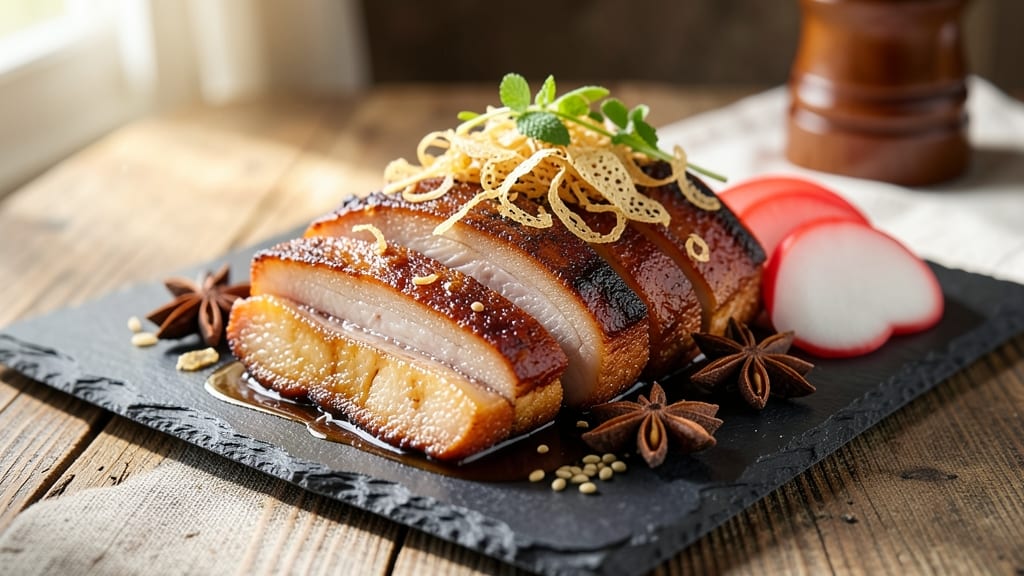
This Chairman Mao pork belly recipe delivers the perfect balance of crispy, caramelized edges and tender, melt-in-your-mouth shreds—a dish that’s become a staple in my kitchen since I first tasted it in a tiny Beijing eatery.
The secret lies in the five-spice blend, which infuses the pork with warm, aromatic depth while the slow braising transforms tough belly into silky perfection. I’ve perfected this version over years of testing, ensuring every bite delivers that satisfying contrast of textures and flavors.
The process starts with a high-heat sear to develop deep color and flavor, followed by a gentle braise that renders fat and tenderizes the meat without drying it out. This isn’t just another pork belly recipe—it’s a restaurant-quality dish that’s surprisingly approachable at home, with techniques even beginners can master.
The result? A dish so rich and satisfying, it’ll have everyone asking for seconds before the last bite is gone.
What makes this recipe truly special is the five-spice glaze, a blend of star anise, cinnamon, cloves, fennel, and Sichuan peppercorns that creates a complex, slightly sweet, and subtly spicy crust.
The glaze caramelizes beautifully during the final stages, adding a crunchy, sticky exterior that contrasts perfectly with the silky interior. This dish pairs beautifully with steamed jasmine rice, absorbing every last drop of the aromatic braising liquid.
Whether you’re serving this for a special occasion or a weeknight dinner, the foolproof method ensures consistent results every time. The key is patience—letting the pork braise slowly until it’s effortlessly tender while the glaze develops its signature depth.
Trust me, once you try this version, you’ll never settle for anything less than silky shreds and crispy glaze again.
Ingredients for chairman mao pork belly
Pork belly, aromatic spices, and a touch of sweetness—this is the trio behind the legendary Chairman Mao pork belly.
| Ingredient | Amount | Notes |
|---|---|---|
| Pork Belly 🥓 | 2 lb | Skin-on, cut into 1-inch cubes |
| Star Anise 🌿 | 2 whole | Whole pods for aroma |
| Cinnamon Sticks 🌿 | 2 whole | 2-inch pieces for infusion |
| Cloves 🌿 | 4 whole | Lightly crushed for depth |
| Sichuan Peppercorns 🌶️ | 1 tbsp | Lightly toasted for heat |
| Fennel Seeds 🌿 | 1 tsp | Toasted for subtle sweetness |
| Brown Sugar 🍚 | ½ cup | Lightly packed for caramelization |
| Soy Sauce 🍶 | ½ cup | Kosher or light soy preferred |
| Hoisin Sauce 🍶 | 2 tbsp | For umami richness |
| Garlic Cloves 🧄 | 6 cloves | Minced for aromatic base |
| Fresh Ginger 🌿 | 2 tbsp | Finely grated, peeled |
| Honey 🍯 | 1 tbsp | For subtle sweetness |
| Sesame Oil 🫒 | 1 tbsp | Toasted for aroma |
| Neutral Oil 🫒 | 2 tbsp | Avocado or vegetable oil |
| Jasmine Rice 🍚 | 2 cups | Uncooked, for serving |
The pork belly is non-negotiable for this dish. Look for thick-cut, skin-on belly with good marbling—Costco or Asian grocery stores often carry the best quality. If you can't find it pre-cut, ask the butcher to cube it to 1-inch pieces for even cooking. The five-spice blend is where the magic happens: Penzeys Spices or bulk bins at H Mart offer the freshest whole spices. Toast the star anise, cinnamon, and fennel seeds in a dry pan for 30 seconds to release their oils before adding them to the braise—this makes all the difference.
No Sichuan peppercorns? Substitute with a pinch of cayenne plus a dash of black pepper for heat, though you’ll lose that signature tingling sensation. Running short on hoisin? Mix 1 tbsp soy sauce with 1 tsp brown sugar as a quick swap. Fresh ginger is ideal, but if you’ve got dried, use half the amount. The sesame oil should be toasted—not the flavored kind from the bottle, but raw sesame oil toasted in a dry pan until fragrant. For the rice, jasmine is traditional, but basmati or even sushi rice work in a pinch. Just make sure it’s freshly steamed to soak up all that glorious braising liquid.
Pork belly keeps beautifully—refrigerate for up to 4 days or freeze for 3 months in an airtight container. The braising liquid? Even better the next day—double the batch if you’re serving a crowd. Store it in the fridge and reheat gently on the stove. For serving, I like to portion the pork into individual containers with a scoop of rice and a drizzle of the braising sauce. Pro tip: Save the leftover fat and spices from the braise—it makes an incredible pork belly hash the next morning.
Why You'll Love This Recipe
- One-Pan Magic: Honestly, I dump everything on a sheet pan—pork belly, whole spices, a splash of soy—and walk away. The oven does all the work while I make coffee or scroll through my phone. No chopping, no stirring, just waiting for that caramelized crust.
- Spice Bomb Delight: That first bite? Warm cinnamon, a whisper of star anise, and a tingle from Sichuan peppercorns that lingers like a secret. The pork belly stays juicy inside while the edges crisp into something dangerously addictive. (Yes, I’ve reheated cold leftovers just for that texture.)
- Party or Pants: Between us, this feeds a crowd without stress—slice it thin for appetizers, serve it whole for a centerpiece, or pack it in bento boxes for lunch. The spices keep it exciting, so it never feels like "another pork dish" at the table.
- Budget Luxury: A single pork belly stretches for days: fried rice, noodles, even sandwiches. The spices cost pennies and make it taste like a restaurant. I’ll be real—this is how I justify buying fancy pork when my wallet’s tight.
Step-by-step instructions for five-spice glazed pork belly
Here's how to transform tender pork belly into a restaurant-worthy dish with crispy edges and fragrant aroma.
Prepare the Spice Infusion
In a small dry skillet over medium-low heat, toast the 1 tablespoon Sichuan peppercorns and 1 teaspoon fennel seeds for 2 minutes until fragrant. Transfer to a mortar and lightly crush with a pestle—just enough to release their oils without turning into powder. This releases their signature warmth and subtle sweetness.
In the same skillet, add the 2 whole star anise, 2 whole cinnamon sticks, and 4 whole cloves. Toast for 1 minute until aromatic. Remove from heat and let cool slightly. This aromatic blend forms the soul of the dish, infusing the pork with complex, warming spices that balance the sweet and savory elements.
Render the Pork Belly Fat and Build the Glaze
In a heavy Dutch oven or deep skillet, heat the 2 tablespoons neutral oil over medium heat. Add the 2 lb pork belly cut into 1-inch cubes, skin-side down. Let it render undisturbed for 8-10 minutes until the fat is bubbling and the skin begins to crisp. This initial sear locks in moisture while building flavor.
Carefully flip the pork and add the toasted spice blend, 6 minced garlic cloves, and 2 tablespoons finely grated ginger. Stir gently to coat the pork, then add the 0.5 cup brown sugar, 0.5 cup soy sauce, and 2 tablespoons hoisin sauce. Stir once more to combine, then reduce heat to low and cover partially. Simmer for 45 minutes, stirring occasionally, until the pork is tender and the sauce begins to thicken.
Glaze and Crisp the Pork Belly
Remove the pork from the skillet and set aside. In the same skillet, increase heat to medium-high and add the 1 tablespoon honey and 1 tablespoon sesame oil. Stir to combine, then return the pork to the skillet. Spoon the reduced sauce over the pork, coating it evenly. Increase heat to high and let the sauce bubble vigorously for 2-3 minutes until it thickens into a glossy glaze.
Here's where the magic happens: transfer the pork to a baking sheet in a single layer, skin-side up. Broil on high for 3-5 minutes until the skin is deep golden brown and crispy. Watch closely—this step transforms the pork from tender to irresistible. The broiler creates that coveted caramelized crust while keeping the interior silky.
Rest and Serve Over Jasmine Rice
Transfer the pork to a cutting board and let it rest for 10 minutes before slicing. This resting period allows the juices to redistribute, ensuring each bite is moist and flavorful. When ready, slice the pork belly against the grain into ¼-inch thick slices. The contrast of crispy skin and tender meat will be stunning.
Serve immediately over 2 cups cooked jasmine rice, spooning the fragrant glaze from the skillet over the top. The aromatic spices, sweet-savory glaze, and crispy edges make this dish unforgettable. For extra authenticity, garnish with a sprinkle of toasted sesame seeds and a drizzle of sesame oil before serving.
Pro Tips For Making Chairman Mao Pork Belly
- CRACK THE BELLY FIRST: Skip the guesswork—score the pork belly in a crosshatch pattern (about ½-inch apart) before searing. This isn’t just for looks; it guarantees even rendering and crisp edges. I used to skip this, and my pork belly would either stay chewy or turn into a greasy mess.
- TOAST THE SPICES HARD: Dry-toast whole star anise, cinnamon sticks, and cloves in a separate pan over medium-high heat for 30 seconds until fragrant. This deepens their aroma and prevents bitterness from soaking into the pork belly. (Yes, even if you’re impatient—wait for the scent to hit your nose.)
- DON’T RUSH THE LOW-AND-SLOW: Once the pork belly hits 160°F internally, drop the heat to 250°F and let it cook uncovered for another 20-30 minutes. This final step renders fat slowly, ensuring the meat stays moist while the skin crisps. I learned this the hard way—rushing it leaves you with a soggy, greasy slab.
- USE THE FAT WISELY: After rendering, don’t pour off all the fat—save ¼ cup to deglaze the pan with a splash of soy sauce and a pinch of sugar. This makes a quick, glossy glaze that ties the dish together. (Your future self will thank you for not tossing it.)
Essential equipment for great chairman mao pork belly
Dutch Oven Masterpiece
This recipe demands a heavy-duty Dutch oven—I swear by my Le Creuset 6-quart—because it handles the high heat for searing while maintaining even temperatures during the braise. The deep sides prevent splattering when the pork renders its fat, and the enamel coating makes cleanup effortless.
If you don’t have one, a cast-iron skillet works in a pinch, but watch for hot spots that can burn your glaze. 🔥
Broiler for Crispy Skin
The broiler is non-negotiable for that signature crispy, caramelized skin. I use a Vitamix blender (yes, really!) to test my broiler’s heat—if it browns a thin slice of bread in 2-3 minutes, you’re golden.
For even cooking, position racks 4-5 inches from the heat source and use a wire cooling rack on a baking sheet to let air circulate. A Meater thermometer helps track skin temp—aim for 375°F for perfect crispiness without burning.
Spice Toasting Tools
Toast your spices in a small cast-iron skillet (like my Lodge 10-inch) over medium-low heat—this prevents burning while releasing their oils.
A mortar and pestle (I love my KitchenAid stainless steel) is essential for crushing Sichuan peppercorns and fennel seeds just enough to break their cell walls without turning them into powder. Pro tip: Toast your spices right before cooking—they lose potency if stored pre-toasted. ✨
Sesame Oil Toasting
Toasted sesame oil is the secret weapon here, and you cannot use the flavored kind from the bottle. Instead, heat 1 tablespoon raw sesame oil in a small saucepan over low heat until it smells nutty and fragrant—about 1-2 minutes.
Immediately pour it into a shot glass or small jar to cool (it’ll thicken slightly). This step adds depth that bottled oil can’t replicate. Store any leftovers in the fridge for up to 2 weeks.
Pork Belly Prep Tools
Cutting pork belly requires a sharp chef’s knife (my Wüsthof 8-inch) and a stable cutting board—I prefer maple for its grip. For even cubes, use a 1-inch cube mold (available at Asian markets) or eyeball it with a ruler.
A meat mallet helps tenderize thicker cuts if you’re working with tougher belly. And always pat the pork dry with paper towels before searing—moisture steams instead of crisps, and we’re going for that golden crust.
Optional: Meat Thermometer
While this recipe relies more on visual cues than exact temps, a Meater Plus or Thermoworks Smoke ensures foolproof results. Insert the probe into the thickest piece of pork—it should hit 203°F internal temp by the end of the braise.
For the glaze, aim for 215°F when spooning it over the pork to ensure it caramelizes properly. Trust me, this small investment saves more pork than you’d think! 💡
Nutrition facts
Frequently asked questions
Can I substitute pork belly with another cut of pork?
The beauty of this recipe lies in pork belly's fat content and texture. For best results, stick with belly, but if you must substitute, try pork shoulder (cut into cubes) or pork butt. These cuts will need 10-15 extra minutes of braising time to reach the same tenderness. Avoid lean cuts like loin—they won't develop the same rich, silky texture.
Why does the pork belly need to rest before slicing?
Resting is crucial for two reasons: First, it allows the juices to redistribute throughout the meat, preventing them from spilling out when sliced. Second, it lets the skin firm up slightly after the broiler, making it easier to achieve that perfect crispy finish. A 10-minute rest at room temperature is ideal—don't skip this step!
Can I make this recipe in an Instant Pot or slow cooker?
While possible, you'll miss the signature crispy skin and caramelized glaze. For an Instant Pot version, sear the pork first, then pressure cook on high for 20 minutes with all ingredients except the final glaze. Finish with a quick broil to recreate the crispy texture. The slow cooker method would require 4-5 hours on low, but you'd still need to broil at the end for that coveted crust.
What's the best way to reheat leftover Chairman Mao pork belly?
Reheat gently in a skillet over low heat with a splash of water or broth to maintain moisture. For extra crispiness, broil for 2-3 minutes after reheating. Avoid microwaving—the skin will turn soggy. The braising liquid reheats beautifully too, making an excellent sauce for rice or noodles. Store leftovers in an airtight container for up to 4 days.
How can I make this dish spicier?
For extra heat, add ½ teaspoon red pepper flakes to the braising liquid or 1 teaspoon gochujang (Korean chili paste) for depth. You can also increase the Sichuan peppercorns to 1.5 tablespoons—just