
Sauces & Condiments
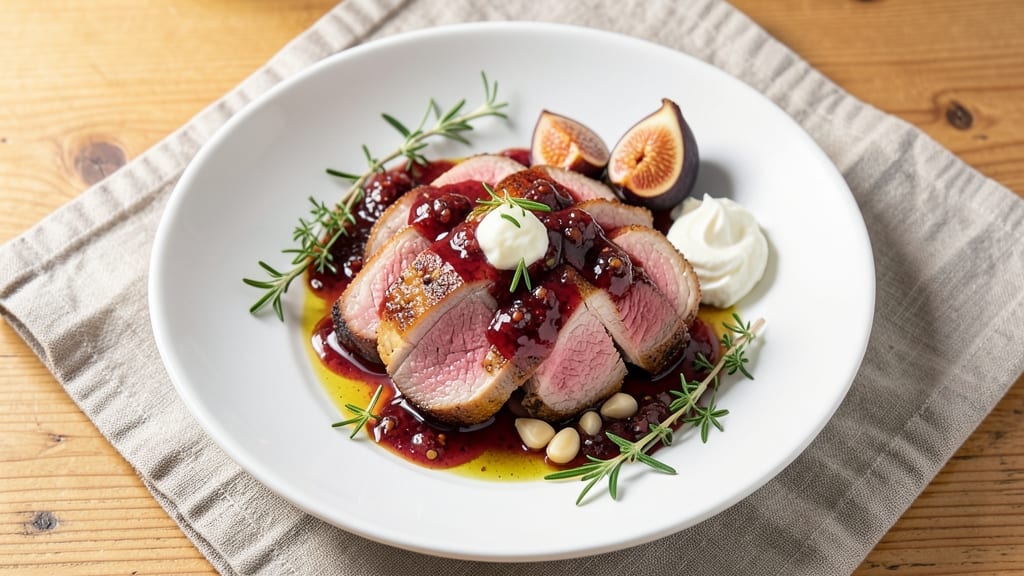
Carrabba's pork tenderloin with fig sauce recipe delivers restaurant-quality results with tender, herb-crusted pork and a sweet-tart fig glaze that cuts through rich flavors. I've perfected this technique over years of cooking for crowds—where the balance of sweetness and acidity makes every bite unforgettable. The secret lies in searing the pork to lock in juices before finishing in the oven, while the fig sauce reduces to a perfect consistency that clings beautifully.
This recipe starts with a simple herb crust—rosemary, thyme, and garlic—that gives the pork a fragrant, golden crust while keeping the interior perfectly tender. The fig sauce, simmered with balsamic and red wine vinegar, develops deep caramelized notes that complement the pork's natural richness.
What you'll achieve is a dish that tastes like it came straight from Carrabba's kitchen—juicy, flavorful, and balanced in every bite.
By the time you plate this dish, you'll have perfectly cooked pork with a crisp exterior and tender interior, topped with a glossy fig sauce that adds a sophisticated touch.
The sauce's sweet-tart profile cuts through the pork's richness, creating a perfect harmony. Serve with roasted vegetables or creamy polenta to round out the meal—this is restaurant-quality dining at home.
What makes this recipe truly special is how it replicates Carrabba's signature style without shortcuts. The pork rests after cooking to retain moisture, while the fig sauce reduces slowly to concentrate flavors.
Every step is designed to deliver professional results, whether you're cooking for a special occasion or a weeknight dinner that deserves to impress.
Ingredients for carrabba's pork tenderloin with fig sauce
Sixteen ingredients, two standout stars—herb-crusted pork and velvety fig sauce—delivering Carrabba's signature balance.
| Ingredient | Amount | Notes |
|---|---|---|
| Pork Tenderloin 🥩 | 2 lb | Center-cut, trimmed of fat |
| Fresh Rosemary 🌿 | ¼ cup | Finely chopped, stems removed |
| Fresh Thyme 🌿 | ¼ cup | Leaves only, stems discarded |
| Garlic Cloves 🧄 | 6 cloves | Minced, for crust and sauce |
| Extra-Virgin Olive Oil 🫒 | ½ cup | High-quality, fruity variety |
| Unsalted Butter 🧈 | ¼ cup | Cold, cubed for crust |
| Dried Figs 🍇 | 1 cup | Chopped, stemmed, high-quality |
| Balsamic Vinegar 🍷 | ¼ cup | Aged, for depth of flavor |
| Red Wine Vinegar 🍷 | ¼ cup | For tangy balance |
| Granulated Sugar 🍯 | 2 tbsp | Light brown sugar preferred |
| Kosher Salt 🧂 | 1 ½ tsp | Diamond Crystal preferred |
| Freshly Ground Black Pepper 🌶️ | 1 tsp | Cracked peppercorns preferred |
| Fresh Lemon Juice 🍋 | 1 tbsp | Bright, freshly squeezed |
| Heavy Cream 🥛 | ¼ cup | Full-fat for richness |
The pork tenderloin is your canvas here. Center-cut is non-negotiable—it stays tender without drying out. I always source mine from Whole Foods or my local butcher, where they can trim it perfectly for even cooking. The herb crust relies on fresh rosemary and thyme, so skip the dried stuff (it won't have the same punch). For the butter, grab European-style from Trader Joe's—it stays cold longer when cubed, which is key for that golden crust. Pro tip: Pat the pork bone-dry before seasoning; moisture is the enemy of a good sear.
No fresh herbs? Dried rosemary and thyme at half the amount will work in a pinch, but you'll miss that aromatic depth. Subbing dried figs? Dried apricots or dates add sweetness, but lose that fig's caramelized complexity. The vinegars are where the magic happens—aged balsamic adds depth, while red wine vinegar keeps it bright. If you're short on time, fig jam from a jar (like Bonne Maman) can replace chopped figs, but reduce the sugar slightly. For the sauce, simmering is everything—don't rush it. The sugar should dissolve completely, and the sauce should coat the back of a spoon like syrup.
Pork keeps best 2 days in the fridge if wrapped tightly in parchment, but the fig sauce? It actually improves overnight. Store it in a sealed jar in the fridge for up to 5 days, or freeze portions for 3 months. I like to make a double batch of sauce—one for the pork, one for drizzling over roasted veggies. The herb crust mix? Toss it in a baggie and freeze for up to 3 months—just thaw and pat it on before searing. This dish reheats beautifully; warm the sauce separately to preserve its glossy texture.
Why You'll Love This Recipe
- One-Pan Magic: I swear by this—just the tenderloin, a handful of herbs, and garlic searing in olive oil. No extra dishes, no fuss, and that fig sauce ties everything together with zero cleanup. The kind of meal that makes me want to cook more often.
- Herb-Garlic Bomb: That rosemary-thyme blend with garlic? It’s the secret weapon. The pork stays juicy while the crust gets perfectly crispy, and the fig sauce adds this sweet-tangy depth that makes every bite feel like a little treat. Honestly, it’s the kind of flavor combo that turns a simple dinner into something memorable.
- Weeknight or Weekend: Between us, this works for everything. Toss it on the table for a fancy-ish date night, or serve it at a casual BBQ—no one will question why you didn’t slave over it. The fig sauce even plays well with roasted veggies or crusty bread if you’re feeling extra.
- Leftovers That Don’t Suck: I make this on Sundays and still crave slices by Wednesday. The pork stays tender, the sauce clings like glue, and it reheats beautifully. Plus, it’s way cheaper than takeout, and the ingredients stretch far enough to feed the whole family without breaking the bank. (Yes, even on a Tuesday night.)
Step-by-step instructions for Carrabba's pork tenderloin with fig sauce
Here's how to nail this restaurant favorite—juicy pork with a velvety fig glaze that balances sweet and tangy perfectly.
Prepare the Herb-Crusted Pork
Pat the 2 lb pork tenderloin dry with paper towels—this is non-negotiable for crispy crust. In a small bowl, combine the 0.25 cup fresh rosemary, 0.25 cup fresh thyme, 6 cloves minced garlic, 1.5 tsp kosher salt, and 1 tsp freshly ground black pepper. Rub this mixture all over the pork, pressing firmly so the herbs adhere. Let it sit at room temperature for 30 minutes while you prep the rest.
In a separate bowl, mix the 0.5 cup extra-virgin olive oil and 0.25 cup cold cubed unsalted butter until combined. Brush this mixture generously over the pork, coating it evenly. The oil helps create the crust, while the butter adds richness. Place the pork on a wire rack set over a baking sheet—this allows air circulation for even cooking.
Roast the Pork to Perfection
Preheat your oven to 425°F. Roast the pork for 20-25 minutes, flipping halfway through, until the internal temperature reaches 145°F and the outside forms a golden-brown crust. Don't cut into it yet—resting is crucial. Transfer the pork to a cutting board, tent loosely with foil, and let it rest for 10 minutes. This step ensures juicy slices every time.
While the pork rests, slice it into ½-inch thick medallions. The herb crust should hold together beautifully, and the meat should be tender with just a hint of pink in the center. If you're impatient, resist the urge to slice early—the juices need time to redistribute.
Simmer the Fig Sauce
In a medium saucepan, combine the 1 cup chopped dried figs, 0.25 cup balsamic vinegar, 0.25 cup red wine vinegar, 2 tbsp granulated sugar, and 1 tbsp fresh lemon juice. Bring to a simmer over medium heat, then reduce heat to low and let it cook for 10 minutes, stirring occasionally, until the figs soften and the sauce thickens slightly.
Use an immersion blender to purée the mixture until smooth—no lumps allowed. If the sauce is too thick, add 1-2 tablespoons water to reach a glossy, spoonable consistency. The sauce should coat the back of a spoon with a velvety texture. Taste and adjust seasoning with a pinch more sugar or vinegar if needed.
Finish with Cream and Serve
Return the saucepan to low heat and stir in the 0.25 cup heavy cream. Simmer gently for 2-3 minutes until the sauce is silky and slightly thickened. The cream adds a luxurious finish that balances the sweet-tart fig flavors. Pour the sauce over the sliced pork medallions, coating them evenly.
Serve immediately with the sauce spooned generously over the top. The contrast of tender pork with the glossy, jammy fig sauce is what makes this dish unforgettable. Pair with roasted potatoes or a simple green salad to complete the meal.
Pro Tips For Making Carrabba'S Pork Tenderloin With Fig Sauce
- Trim the Fat First: Pork tenderloin is lean, but any silver skin or loose fat will ruin your sear. Use kitchen shears to slice it off—no need to go deep, just the surface layer. I learned this the hard way when my first batch turned out greasy instead of golden.
- Sear It Fast: Get that pan screaming hot—we’re talking smoke-just-starting-to-rise heat—before adding the pork. A quick 2-3 minute sear on each side locks in juices and builds flavor. After burning three batches, I finally figured out: patience here means better crust later.
- Don’t Crowd the Pan: If you’re cooking more than one tenderloin, work in batches. Overcrowding steams the meat instead of searing it, and you’ll end up with sad, gray pork. Trust me, your future self will thank you for the extra 5 minutes of waiting.
- Use Fresh Figs: Dried figs are fine, but fresh—especially ripe ones—give that Carrabba’s-level jammy sweetness. Halve them, remove the stems, and simmer them with the red wine and shallots until they’re soft enough to mash. Sounds weird, but it works: the texture becomes rich and spreadable, not grainy.
Health benefits of this recipe
Lean Protein Power
Pork tenderloin is one of the leanest cuts of pork, with just 3 grams of fat per 3-ounce serving while delivering 24 grams of protein. This makes it an excellent choice for balanced meals, especially when paired with the fig sauce's natural sweetness.
The herb crust adds flavor without adding calories, making this dish both satisfying and lighter than traditional pork preparations. 💪
Rich in B Vitamins
Pork tenderloin is packed with essential B vitamins, particularly niacin (B3) and B6, which support energy metabolism and brain function. A single serving provides about 40% of your daily niacin needs, helping convert food into usable energy.
The fig sauce adds a touch of vitamin K from the dried figs, which supports bone health.
Fiber from Figs
The dried figs in the sauce contribute 3 grams of dietary fiber per serving, aiding digestion and promoting gut health. Fiber also helps stabilize blood sugar levels, making this dish a great option for those monitoring their glucose intake.
The combination of lean protein and fiber keeps you full longer, reducing cravings between meals.
Antioxidant Boost
Figs are rich in antioxidants like polyphenols, which combat oxidative stress in the body. The balsamic and red wine vinegar in the sauce add additional antioxidants, enhancing the dish's health benefits.
These compounds help reduce inflammation and support long-term health. The rosemary and thyme in the crust also contribute anti-inflammatory properties. ✨
Heart-Healthy Fats
The extra-virgin olive oil and butter used in the herb crust provide monounsaturated fats, known for supporting heart health by improving cholesterol levels. While the dish is relatively low in saturated fat, the inclusion of heavy cream in the sauce adds richness without overwhelming the meal's nutritional balance.
This makes it a heart-smart option when enjoyed in moderation.
Balanced Flavor Profile
The sweet-tart fig sauce balances the savory pork perfectly, creating a dish that satisfies both taste buds and nutritional needs. The combination of protein, fiber, and healthy fats makes this meal not just delicious but also a well-rounded choice for any occasion.
The figs' natural sweetness reduces the need for added sugars, keeping the dish lighter while still indulgent. 🍽️
Nutrition facts
Frequently asked questions
Can I substitute dried figs with fresh figs in the sauce?
Fresh figs work beautifully, but you'll need 1.5 cups instead of 1 cup dried. Halve the sugar to 1 tablespoon since fresh figs are sweeter. Simmer for 8-10 minutes until they break down completely, then blend until smooth. The texture will be slightly different but equally delicious.
What's the best way to reheat leftovers?
Reheat pork medallions in a 350°F oven for 5-7 minutes with a splash of water or broth to keep them moist. Warm the fig sauce separately in a saucepan over low heat for 2-3 minutes—never microwave it, or it'll lose its glossy texture.
How do I adjust this recipe for a crowd?
Double all ingredients, including the pork (use 4 lb tenderloin). Cook two racks at once in your oven if space allows, or roast in batches. For the sauce, use a larger saucepan and reduce time slightly (8 minutes instead of 10) to prevent over-thickening.
Why did my pork turn out dry?
Overcooking is the most likely culprit—pork should reach 145°F internal temp, not higher. Always rest for 10 minutes before slicing. If using a meat thermometer, insert it into the thickest part without touching bone. For extra moisture, brush with 1 tbsp olive oil before roasting.
Can I make the fig sauce ahead of time?
The sauce actually improves overnight. Store it in a sealed jar in the fridge for up to 5 days or freeze for 3 months. Reheat gently before serving. The flavors meld beautifully, making it perfect for meal prep.