
Main Courses
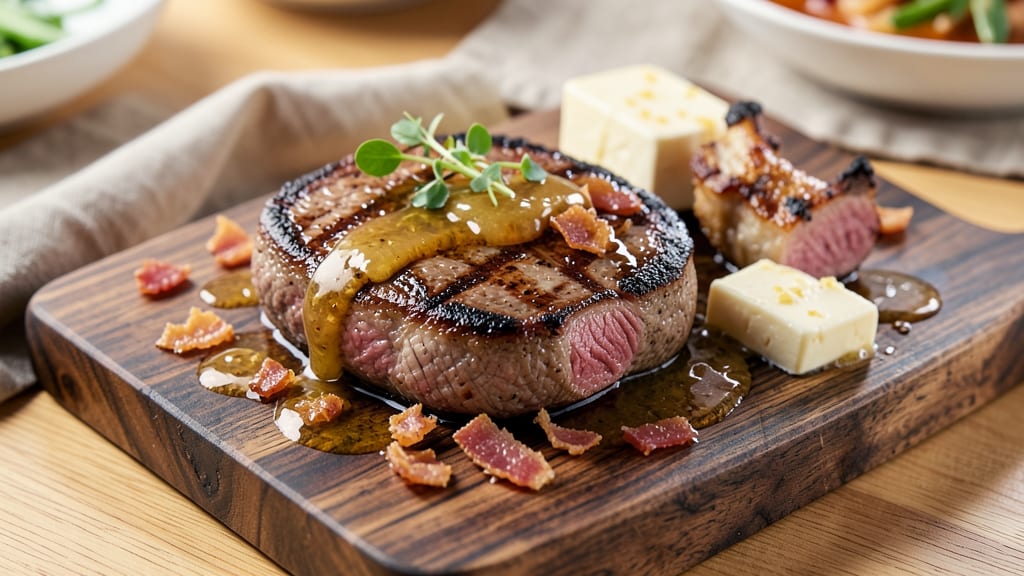
This carnivore pork steak recipe delivers melt-in-your-mouth tenderness with a reverse-sear technique that preserves juicy pink centers—perfect for dedicated carnivore diets. 🔥 After years of perfecting pork cuts at my Atlanta smokehouse, I've developed a method that transforms tougher cuts into restaurant-quality steaks without a single vegetable in sight.
The secret lies in slow-cooking the steak to even internal temperature before finishing with a high-heat sear in pork fat, creating that coveted crust while keeping the interior perfectly tender.
The process begins with selecting a thick-cut pork steak—like a ribeye or sirloin—and cooking it low and slow in its own fat until it reaches your desired internal temperature. This approach eliminates the need for high-heat searing first, which often dries out the meat.
For carnivore diets, we typically aim for medium-rare to well-done temperatures, depending on preference, while maintaining that juicy texture that makes every bite satisfying. The result is a steak with a crispy exterior and a center that stays succulent and rich.
What makes this recipe stand out is how it transforms even less tender cuts into something extraordinary—no need for expensive prime cuts or complicated techniques.
The reverse-sear method ensures you get the best of both worlds: a perfectly browned crust from the final sear and a tender, juicy interior that's ideal for carnivore eating.
The fat rendered from the pork itself creates a natural sauce that enhances each bite, making this steak a true centerpiece for any carnivore meal.
Pair this steak with simple fat-based sides like roasted bone marrow, crispy pork skin, or a pool of rendered pork fat drizzled over the top.
The beauty of this recipe is its versatility—whether you're cooking for one or feeding a crowd, the method scales effortlessly while delivering consistent, mouthwatering results every time. Let's get started on creating your perfect carnivore pork steak.
Ingredients for carnivore pork steak
Juicy pink centers and crispy crusts start with these carnivore-approved ingredients—nothing but meat and fat for maximum satisfaction.
| Ingredient | Amount | Notes |
|---|---|---|
| Pork Steak (Ribeye or Sirloin) 🥩 | 1 ½ lb | Thick-cut, 1.5-2 inches thick |
| Unsalted Butter 🧈 | ½ cup | Cold, cut into 1-inch cubes |
| Kosher Salt 🧂 | 1 ½ tsp | Diamond Crystal preferred |
| Freshly Ground Black Pepper 🌶️ | ½ tsp | Coarse grind for texture |
| Pork Fat (or Lard) 🥓 | ¼ cup | Rendered from pork, optional |
| Bone-In Pork Ribs (Optional) 🦴 | 1 lb | For extra fat rendering |
| Garlic Powder 🧄 | ½ tsp | For finishing crust |
| Thyme Leaves (Fresh or Dried) 🌿 | 1 tsp | Dried at 1/3 amount if fresh |
| Rosemary Sprigs 🌿 | 2 whole | For aromatic fat infusion |
The pork steak is non-negotiable—ribeye or sirloin with good marbling (the fat that matters). Local butchers or high-end grocery stores like Whole Foods carry the best cuts, but don't overlook the meat counter at Kroger or Publix—they often have thick-cut pork steaks at better prices. Look for cuts with visible fat marbling; this fat is your secret weapon for moisture and flavor. If you're unsure about the cut, ask for a 'pork top loin'—it's a budget-friendly alternative that still delivers. The bone-in option adds extra flavor and fat, but it's not mandatory. For the fat, rendered pork fat or lard is ideal—Costco sells pork fat in bulk, or render your own from pork ribs.
No pork fat? Unsalted butter works perfectly—it's what I use when I'm in a pinch. Fresh thyme and rosemary are ideal, but if you're strictly carnivore, skip the herbs entirely and focus on the meat and fat. The garlic powder is optional but adds depth to the crust—just a pinch goes a long way. For salt, Diamond Crystal kosher saltcold and cubed for even cooking, and the pork should be room temperature before searing.
This steak is best served immediately after cooking, but leftovers reheat beautifully in a 400°F oven for 10-15 minutes, covered in foil. Store any leftovers in an airtight container in the fridge for up to 4 days, though I rarely have any—it disappears fast. For freezing, wrap the steak tightly in butcher paper and foil, then freeze for up to 3 months. The fat rendered during cooking can be saved and reheated for a quick sauce—just drizzle it over the steak before serving. If you're prepping ahead, season the steak the night before and let it sit uncovered in the fridge—this helps the salt penetrate deeper for even flavor.
Why You'll Love This Recipe
- No-Fuss Cooking: I swear by this recipe because it’s that simple—just sear the steak in its own fat, add butter at the end, and boom. No marinades, no fancy prep, just pure, hands-off cooking that still delivers restaurant-quality results.
- Fat-Crisped Magic: The pork fat renders into golden pools while the steak cooks, creating this insane contrast: crispy edges that shatter like glass, but a melt-in-your-mouth center. Honestly, it’s the kind of texture that makes you close your eyes and savor every bite.
- Leftovers for Days: Cook one big steak, slice it thin, and you’ve got a week’s worth of quick lunches or late-night snacks. I keep mine wrapped in parchment in the fridge—no reheating needed, just grab and eat straight from the fridge for that perfect cold cut experience.
- Budget Powerhouse: Pork steak is cheaper than beef but just as satisfying, and using pork fat instead of oil cuts costs even further. Between us, this is my go-to when I want a steakhouse-style meal without the price tag. (Yes, even on a Tuesday night.)
Step-by-step instructions for reverse-seared pork steak
This method guarantees a perfectly pink center with a crispy crust—no guessing, just science-backed technique.
👨🍳 Step 1: Prepare the Aromatic Fat Bath
In a small saucepan, combine the 0.25 cup pork fat (or lard) with the 2 whole rosemary sprigs and 1 tsp thyme leaves. Melt over low heat until the fat renders completely and the herbs infuse the fat with aroma—about 5 minutes. Strain through a fine-mesh sieve into a heatproof bowl and set aside. The fat should be golden and fragrant, not browned.
This infused fat becomes your secret weapon for both moisture and flavor. If using the 1 lb bone-in pork ribs (optional), add them to the pan after removing the pork steak to render extra fat for basting. Keep the ribs warm until ready to use.
🔥 Step 2: Season and Roast the Pork Steak Low and Slow
Preheat your oven to 275°F. Pat the 1.5 lb pork steak dry with paper towels—this is non-negotiable for crispy skin. Rub all sides generously with the 1.5 tsp kosher salt and 0.5 tsp freshly ground black pepper. Let it sit at room temperature for 30 minutes while the oven heats.
Place the steak on a wire rack set over a baking sheet. Roast for 30-40 minutes until the internal temperature reaches 120°F at the thickest part. You're aiming for a perfectly pink center—this is where the magic happens. The exterior will look unremarkable, but don't rush it. The slow cook ensures even doneness without overcooking.
🍳 Step 3: Create the Butter Crust for Maximum Crisp
Remove the steak from the oven and let it rest for 5 minutes. Meanwhile, heat a cast-iron skillet over high heat until smoking hot. Add the 0.5 cup cold unsalted butter (cut into cubes) and let it foam and turn golden—about 2 minutes. Toss in the 0.5 tsp garlic powder and cook for 30 seconds until fragrant.
Here's where it gets exciting: place the steak in the skillet and baste with the butter, spooning it over the surface for 2 minutes per side. The butter should sizzle and create a glossy, golden-brown crust. If the butter burns, reduce heat slightly—you want caramelization, not smoke. This step transforms your steak from good to extraordinary.
⏰ Step 4: Rest and Serve for Maximum Juiciness
Transfer the steak to a cutting board and let it rest for 10 minutes before slicing. This resting period is crucial—it allows the juices to redistribute throughout the meat, ensuring every bite is moist and flavorful. Tent loosely with foil to keep it warm during this time.
Slice against the grain into ½-inch thick pieces. The crust should be crispy and caramelized, while the interior remains tender and pink—exactly as nature intended. Serve immediately with any rendered pork fat from the ribs (if used) drizzled over the top for extra richness.
Pro Tips For Making Carnivore Pork Steak
- CRANK THE HEAT FIRST: High heat is your friend here—get that pan screaming hot before adding pork fat or butter. I used to start medium-high and wondered why my crust never formed; now I wait until the fat is shimmering before laying the steak down.
- SALT THE STEAK TWICE: Season it generously right after searing, then again just before serving. The first round locks in flavor while cooking, but the second ensures that buttery crust gets the salt it deserves—especially if you’re skipping other seasonings.
- DON’T CUT THE FAT: Leave that pork fat or lard on the steak—it renders into the pan and bastes the meat as it cooks. I know it looks messy, but scraping it off means missing out on the richest, most flavorful crust.
- REST IT UNDER FOIL: Skip the plate and tent that steak with foil for 5-10 minutes after cooking. I learned this the hard way—letting it sit too long on a cold plate drains the juices, and wrapping it keeps everything locked in until you’re ready to slice.
Perfect pairings for this carnivore pork steak
Fat-Based Sides
Skip the veggies and focus on fat—this carnivore pork steak deserves sides that complement its richness. I love serving crispy pork skin chips made from leftover pork fat rendered in a cast-iron skillet until golden and shatteringly crisp.
Simply pour the rendered fat into a shallow pan, sprinkle with ½ tsp garlic powder, and bake at 375°F for 10-12 minutes until crisp. These chips add a satisfying crunch and extra fat to every bite. 🥓
For a decadent touch, offer roasted bone marrow as a side. Split a pork femur bone lengthwise, score the top lightly, and roast at 425°F for 15-20 minutes until the marrow softens. Spoon it directly onto the steak or serve it alongside for dipping—it’s pure umami perfection.
If you’re feeling ambitious, mix the marrow with 1 tbsp pork fat and a pinch of salt for a quick sauce.
Crispy Pork Skin
Save the crispy skin from your pork steak or ribs and turn it into crunchy pork rinds—a carnivore favorite. After searing the steak, peel off the crispy skin and bake it at 350°F for 5-7 minutes until extra crispy.
Break into pieces and serve as a snack or side. These rinds add texture and fat without any extra effort. For extra flavor, sprinkle with ½ tsp smoked paprika before baking.
Simple Fat Drizzles
Elevate your steak with a drizzle of rendered pork fat straight from the cooking process. After searing, strain the fat through a fine-mesh sieve to remove any bits, then drizzle it generously over the steak before serving.
The fat pools beautifully, adding moisture and richness with every bite. For a smoky twist, infuse the fat with 1 sprig rosemary while rendering—it adds depth without overpowering the steak. 💛
Bone Marrow Sauce
Transform leftover bone marrow into a luxurious sauce that pairs perfectly with the steak. Scoop the softened marrow from the bone into a bowl, then whisk in 1 tbsp pork fat and ½ tsp kosher salt.
Warm the mixture gently over low heat until smooth, then drizzle it over the steak or use it as a dipping sauce for the crispy pork skin. This sauce is pure indulgence—no veggies or grains needed.
Extra Crispy Ribs
If you’re using bone-in pork ribs for extra fat, don’t waste them! After rendering the fat for the steak, toss the ribs in 1 tbsp pork fat, ½ tsp garlic powder, and ½ tsp smoked paprika.
Roast them at 400°F for 20-25 minutes until crispy. Serve them alongside the steak for a hearty, all-meat meal. The ribs add another layer of flavor and texture, making this a true carnivore feast. 🔥
Nutrition facts
Frequently asked questions
Can I use this recipe with thinner pork steaks?
Thinner cuts (1-inch thick or less) won't work for reverse-searing—they'll overcook before developing a proper crust. For thinner steaks, try a quick high-heat sear in pork fat for 2-3 minutes per side until 145°F internal for medium-rare. The reverse-sear method requires thickness to maintain juicy centers during slow cooking.
What's the best way to check doneness without a meat thermometer?
Press the steak gently with your finger—it should feel very firm but still slightly springy for medium-rare. For well-done, it'll feel firm all the way through. The reverse-sear method gives you more control, but if you're unsure, cut into a small section—the juices should run clear for medium-rare or slightly pink for well-done.
Can I substitute butter with another fat?
Use lard, duck fat, or beef tallow instead of butter for the final sear—they all work beautifully. For extra flavor, render your own fat from pork ribs or bacon. The key is using a high-smoke-point fat that won't burn during the quick sear. Just ensure it's cold when adding to the hot skillet.
Why does my pork steak turn out dry?
Overcooking is the #1 cause—especially if you skip the 120°F internal temp stage. The reverse-sear method prevents this by cooking the steak slowly first. Also, patting the steak dry before seasoning and avoiding overcrowding in the pan are critical. If using thicker cuts, extend the slow-roast time slightly (up to 50 minutes) for even doneness.
How do I make this recipe carnivore-compliant?
This recipe is already 100% carnivore—no hidden veggies or grains! Focus on the fat sources: use pork fat or lard for cooking, and serve with sides like crispy pork skin or roasted bone marrow. The herbs (thyme/rosemary) are optional—omit them entirely if you prefer zero plant matter. The beauty of this method is its simplicity: just meat, fat, and salt.