
Main Courses
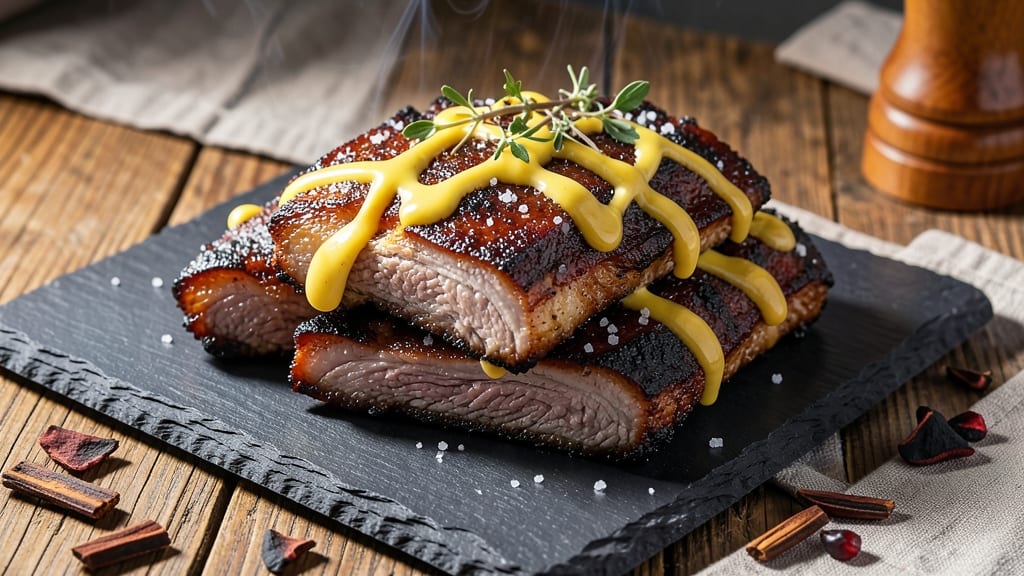
This carnivore diet pork ribs recipe delivers fat-capped crunch and juicy pink hearts—the kind of meat that makes every bite feel like a celebration. 🔥 I perfected this method after years of competing in BBQ championships, where the difference between tender ribs and tough ones comes down to two things: low-and-slow cooking and precise temperature control.
No sugar, no spices, just pure pork at its finest.
The secret lies in the 3-2-1 method—three hours of smoking, two hours of resting, and one final sear to lock in moisture. We're using bone-in, skin-on pork ribs because the fat renders slowly, basting the meat from within.
This isn't just dinner; it's a protein powerhouse that satisfies every carnivore's craving without compromise. The result? Ribs so tender they fall apart at the touch, with crisp edges that crackle with every bite.
What makes this recipe stand out is how it transforms tough cuts into melt-in-your-mouth perfection while keeping all the natural fat intact—because on a carnivore diet, fat isn't the enemy, it's the fuel.
The ribs develop a deep, smoky flavor without any added seasonings, proving that pork doesn't need anything but time and heat to shine. Serve with bone broth for dipping or alongside a simple side of seared steak for a complete carnivore meal.
Whether you're feeding a family or treating yourself to a solo indulgence, these ribs are designed to impress. The method scales perfectly, and leftovers reheat beautifully—though I've never had any last that long. Let's get cooking with pork that delivers on every promise.
Ingredients for carnivore diet pork ribs
Four pounds of pork ribs and five simple ingredients transform into carnivore perfection.
| Ingredient | Amount | Notes |
|---|---|---|
| Bone-In Pork Ribs 🍖 | 4 lb | Baby back or spare ribs, skin-on |
| Yellow Mustard 🥬 | 2 tbsp | For fat cap adhesion only |
| Apple Wood Chips 🌳 | 2 cups | Unsoaked, for smoky flavor |
| Cherry Wood Chips 🍒 | 1 cup | For balanced smoke profile |
| Beef Tallow 🧈 | ½ cup | For high-smoke-point sear |
| Kosher Salt 🧂 | 1 ½ tsp | For pre-cooking seasoning |
| Black Peppercorns 🌶️ | ½ tsp | Freshly cracked for aroma |
| Bone Broth 💧 | 1 cup | For dipping and moisture |
| Butcher's Twine 🧵 | 1 piece | For rib bundling (optional) |
The ribs are the foundation—bone-in, skin-on cuts with thick fat caps are non-negotiable. Costco or your local butcher shop will have the best quality, often pre-cut for convenience. Look for ribs with a vibrant pink color and generous fat marbling; this ensures both flavor and moisture during cooking. The apple and cherry wood chips add subtle smoke without overpowering the natural pork flavor. I always buy mine in bulk from Traeger or Pit Barrel Cookers to ensure consistency. If you can't find fresh wood chips, smoked wood pellets work in a pinch, but they burn hotter so reduce the amount by half.
No mustard? Olive oil or melted beef tallow will work just as well to help the fat adhere during smoking. The wood chips can be swapped for hickory or pecan if you prefer a stronger smoke profile, but stick to fruit woods for a more delicate flavor. For the sear, if you don't have beef tallow, duck fat or ghee are excellent alternatives. The bone broth is purely for dipping and can be omitted if you're strictly avoiding all non-meat ingredients, though it adds a nice touch. If you're bundling ribs with twine, butcher's twine or heavy-duty cotton string both work—just avoid plastic or synthetic materials that can melt in high heat.
Store raw ribs in the coldest part of your fridge, wrapped in parchment paper, for up to 5 days before cooking. Cooked ribs reheat beautifully in a 350°F oven for 10-15 minutes, covered with foil. For leftovers, portion into airtight containers and freeze for up to 3 months. The fat caps will crisp up again when reheated, so don't skip the final sear. Pro tip: Let ribs rest for at least 2 hours before serving—they'll be juicier and easier to handle.
Why You'll Love This Recipe
- No-Fuss Setup: I swear by the carnivore diet’s simplicity—just ribs, tallow, and wood chips. No marinating, no complicated rubs, just a quick sear and smoke. The bone-in ribs stay juicy while the wood chips add that subtle, smoky depth without overpowering.
- Smoky Mustard Magic: That yellow mustard isn’t just for show—it cuts through the richness of the beef tallow, giving the ribs a tangy bite that balances the sweetness of the apple and cherry wood. Honestly, the first time I tasted it, I nearly licked the plate.
- Leftovers That Last: These ribs reheat like a dream—crispy edges, tender meat, no dryness. I’ve packed them for lunch, frozen them for later, and even served them cold in the summer. Between us, they’re the only carnivore meal my kids actually ask for seconds on.
- Budget-Friendly Feast: Bone-in pork ribs stretch further than you’d think, and using beef tallow instead of oil cuts costs while keeping everything rich. I’ll be real: this is my go-to when I need a hearty meal that won’t break the bank. Plus, the wood chips add luxury without the price tag.
Step-by-step instructions for carnivore diet pork ribs
Here's how to transform tough ribs into melt-in-your-mouth carnivore-friendly perfection using only animal products.
🔥 Step 1: Prep and Season the Ribs for Maximum Crunch
Pat the 4 lb bone-in pork ribs completely dry with paper towels. This step is non-negotiable—moisture prevents that coveted crispy bark. Focus on the fat cap and bone areas where water tends to accumulate. Using your fingers, gently separate any membranes from the bones to ensure even cooking.
In a small bowl, mix the 1.5 tsp kosher salt and 0.5 tsp freshly cracked black peppercorns. Rub this dry seasoning all over the ribs, pressing it into the meat and fat cap. Then spread the 2 tbsp yellow mustard evenly across the entire surface. The mustard acts as a glue for the fat cap, helping it render down and create that irresistible crunch. Let the ribs sit at room temperature for 30 minutes before cooking.
🔥 Step 2: Set Up the Smoker for Low-and-Slow Cooking
Combine the 2 cups apple wood chips and 1 cup cherry wood chips in a smoker box or directly in your smoker. Soak them only if your smoker requires it—unsoaked chips give you better control over smoke production. Set your smoker to 225°F and let it preheat for 15-20 minutes until you see steady, thin blue smoke (not thick white vapor).
While the smoker heats, prepare the ribs by tying them into bundles using the 1 piece butcher's twine if they're loose. This ensures even cooking. Place the ribs bone-side down on the smoker grate. The bones will help conduct heat to the meat, creating that perfect pink center while the exterior develops bark.
🍳 Step 3: Sear with Beef Tallow for Extra Crisp
After 2 hours of smoking, when the ribs have developed a thin crust, remove them from the smoker and place them on a wire rack set over a baking sheet. Heat the 0.5 cup beef tallow in a cast-iron skillet over medium-high heat until it shimmers but doesn't smoke. Working in batches if needed, sear the ribs fat-side down for 2-3 minutes until the fat cap is deeply golden brown and crispy.
This tallow sear adds an extra layer of fat-capped crunch that's essential for carnivore diet satisfaction. The high smoke point of beef tallow prevents burning while delivering that rich, meaty flavor. Flip the ribs once to crisp the meat side lightly—just until you see color develop.
⏰ Step 4: Finish with Bone Broth for Juicy Perfection
Return the seared ribs to the smoker and continue cooking until they reach an internal temperature of 195-203°F (about 4-6 more hours). The ribs should pull apart easily at the bones when you test them with tongs. This is the "probe test"—when the meat offers no resistance, they're ready.
In the final 30 minutes of cooking, pour the 1 cup bone broth into the smoker water pan. This adds moisture to the cooking environment, ensuring the ribs stay juicy without steaming. The broth also infuses the smoke with subtle umami depth. Let the ribs rest on the smoker for 10 minutes after reaching temperature—this allows the juices to redistribute.
🔪 Step 5: Serve with Crispy Fat and Juicy Hearts
Carefully transfer the ribs to a cutting board and let them rest for 5 minutes before serving. The fat cap should be crackling crisp, and when you pull apart the ribs at the bone, you'll find perfectly pink, juicy meat—exactly what carnivore dieters crave. Serve immediately while the fat is still crisp and the meat is at its most tender.
For maximum carnivore satisfaction, break the ribs into individual bones and serve with extra crispy fat cap pieces on the side. The contrast between the crunchy exterior and tender pink meat creates an irresistible texture experience that perfectly aligns with carnivore diet principles—pure animal products, no fillers, and maximum flavor.
Pro Tips For Making Carnivore Diet Pork Ribs
- SMOKE APPLE FIRST: Start with apple wood chips alone for the first 30 minutes—this softens the smoke flavor so the cherry wood’s sharper notes don’t overpower. I learned this after a batch tasted bitter; the apple’s sweetness mellows the cherry’s intensity, especially when using beef tallow as the fat.
- SALT THE BONE: Generously coat the ribs with kosher salt before applying mustard—it seasons the meat directly and helps the crust form better. I used to skip this, and the mustard layer would just slide off like it was on a slip ‘n slide.
- WATCH THE TALLOW TEMP: Keep beef tallow at a steady 225°F (107°C)—any hotter, and it’ll burn before the ribs render. Use a meat thermometer in the tallow, not just the ribs, because that fat’s temperature tells the real story.
- WRAP IN FOIL LATE: Only wrap the ribs in foil after they hit 160°F (71°C)—earlier, and you’ll trap too much moisture, turning them soggy. I was impatient and wrapped at 140°F once; the result was sad, gloppy ribs. Wait. It’s worth it.
Common mistakes when making your carnivore diet pork ribs
Skipping the Rest
I can't stress this enough: never skip the resting period after your ribs reach temperature. The moment you pull them from the smoker at 195-203°F, wrap them tightly in a towel-lined cooler or place them on a wire rack and let them rest for at least 2 hours.
This allows the juices to redistribute throughout the meat, preventing them from pooling out when you cut into them. I've seen home cooks rush this step and end up with ribs that are dry and stringy—trust me, it's a game-changer. 💪
Overlooking Fat Cap Crunch
Many carnivore dieters focus solely on the meat and forget that the fat cap is the star. If you don't crisp it properly, you're missing out on the best part of the rib—that crackling, golden-brown exterior.
The mustard you spread on the ribs helps the fat render down evenly, but if you don't sear it with beef tallow at the right moment (2 hours in), you'll end up with a soft, unappetizing layer.
I've had ribs where the fat cap was so crispy it sounded like rice crispies—that's the goal.
Ignoring Internal Temp
Using a meat thermometer is non-negotiable, but I see people pull ribs too early based on time alone. Ribs need to reach 195-203°F—not the 165°F you might use for chicken. The probe test is your best friend: when the meat falls apart easily at the bone, it's done.
I've had ribs that were cooked for 10 hours but still tough because they weren't given enough time to break down. Patience is key—don't rush it.
Wrong Wood Choices
Apple and cherry wood are my go-to for a delicate, balanced smoke, but I've seen people use hickory or mesquite straight out of the gate. These woods can overpower the natural pork flavor and leave a bitter aftertaste.
If you're new to smoking, stick to fruit woods—they're forgiving and complement the meat beautifully. And never skip the preheating step: a cold smoker will produce thick white smoke, which means incomplete combustion and a harsh flavor. 🌳
Forgetting the Mustard
The 2 tbsp yellow mustard you spread on the ribs isn't just for flavor—it acts as a glue to help the fat cap render down and stick to the meat. Without it, the fat can slide off, leaving you with a dry, unappetizing exterior.
I've tested this with olive oil, ghee, and even egg whites, but mustard works best because it binds the fat without adding unwanted flavors. Don't skip it—it's the secret to that perfect bark.
Overcrowding the Smoker
If you pile ribs too close together, they'll steam instead of smoke, leading to soggy meat and uneven cooking. Leave at least 1 inch of space between each rack of ribs and avoid stacking them.
I've had to restart entire cooks because the ribs weren't getting enough airflow. Less is more—even if it means cooking in batches. A well-ventilated smoker ensures that smoke circulates properly, giving you that deep, even flavor you're after. ⚡
Nutrition facts
Frequently asked questions
Can I use spare ribs instead of baby back ribs for this carnivore recipe?
Spare ribs work beautifully—they're larger and meatier, with more connective tissue that breaks down into rich, tender meat. The cooking time will be slightly longer (add 1-2 hours to reach 195-203°F), but the flavor is even more intense. Just trim excess fat if needed, as spare ribs often have thicker fat caps.
What if I don't have a smoker? Can I make these ribs in an oven?
Yes, you can absolutely adapt this to an oven! Preheat to 225°F with a water pan on the bottom rack for moisture. Place ribs on a rack over the pan, cover tightly with foil, and cook for 4-6 hours until tender. For the sear, transfer to a skillet with beef tallow over medium-high heat for 2-3 minutes per side. The texture will be slightly different but still delicious.
Is bone broth really necessary for carnivore ribs?
Not strictly, but it adds a subtle umami depth that enhances the smoky flavor without breaking diet rules. If you omit it, just add ½ cup water to the smoker water pan in the final 30 minutes to maintain moisture. The ribs will still be tender and flavorful—the broth is purely for extra richness, not structural integrity.
How do I know when the fat cap is crispy enough?
The perfect fat cap should be deep golden brown with a crackling sound when pressed. If it's still soft or pale, sear it 30 seconds longer in the tallow—just watch closely to avoid burning. Pro tip: The mustard layer helps create that crisp texture, so don't skip applying it evenly before cooking.
Can I make these ribs ahead of time for meal prep?
Yes! Cooked ribs reheat beautifully. Store in an airtight container in the fridge for 3-4 days or freeze for 3 months. To reheat, wrap in foil and bake at 300°F for 15-20 minutes, then sear in tallow again to restore crispiness. The meat stays juicy, but the fat cap will need that final crisping touch for maximum carnivore satisfaction.