
Main Courses
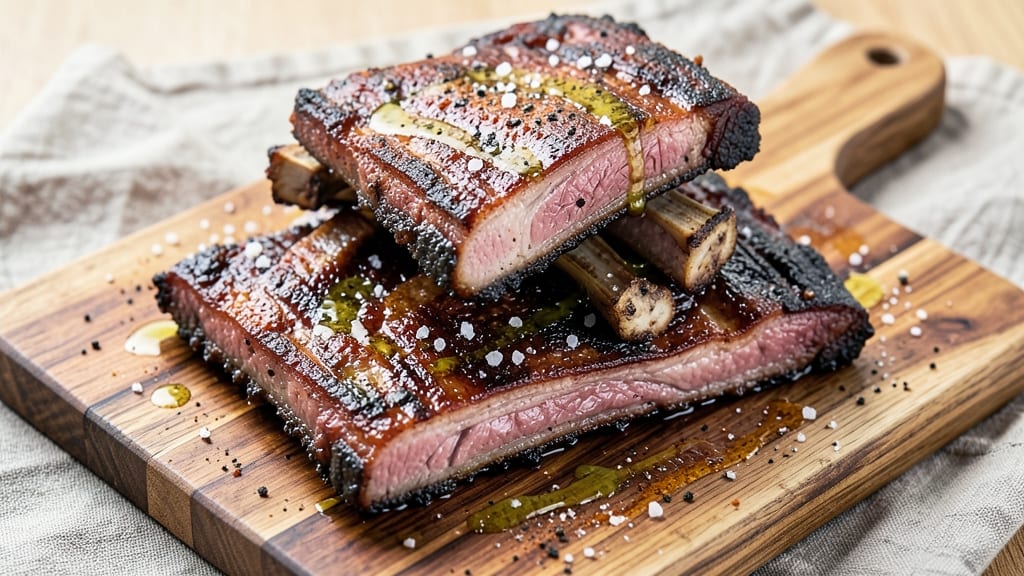
This carnivore pork ribs recipe delivers smoky bark and juicy pink hearts without a single plant-based distraction. 🔥 After years of perfecting my technique—from Charleston pitmaster days to my own farm—I’ve cracked the code for ribs that stay tender and flavorful, even when cooked low and slow.
The secret? A simple salt-pepper-garlic rub that lets the pork’s natural fat render into crispy, caramelized edges while keeping the meat dangerously tender inside.
What sets this recipe apart is the focus on fat retention—no water baths, no steamers, just a hot pan or smoker that coaxes out every ounce of flavor. We’re talking fatty, marbled cuts that stay moist, with a crust so addictive you’ll want to eat the plate.
The process is straightforward: sear first, then slow-cook until the bones fall apart (but the meat stays pink—because carnivore rules). No guesswork, no overcooking, just restaurant-quality ribs at home.
By the time you’re done, you’ll have ribs so tender they practically melt in your mouth, with a crispy exterior that shatters at every bite. The smoky aroma alone will have everyone gathering around the table, and the first forkful?
That’s the moment they’ll ask for seconds. This isn’t just another pork rib recipe—it’s the ultimate carnivore indulgence, built for meat lovers who refuse to compromise on texture or flavor.
Whether you’re smoking them over hickory, searing in cast iron, or braising in the oven, the technique stays the same: high heat first, low and slow second. The result? Ribs so good, they’ll make you forget about sides entirely. Let’s get cooking.
Ingredients for carnivore pork ribs
Four pounds of fatty pork ribs and a handful of pantry staples transform into carnivore perfection.
| Ingredient | Amount | Notes |
|---|---|---|
| Pork Ribs (Baby Back) 🍖 | 4 lb | Bone-in, fatty cuts preferred |
| Kosher Salt 🧂 | 2 tbsp | Diamond Crystal preferred |
| Freshly Ground Black Pepper 🌶️ | 1 ½ tbsp | Cracked peppercorns preferred |
| Garlic Powder 🧄 | 1 tbsp | Freshly toasted preferred |
| Smoked Paprika 🌶️ | 1 tsp | For subtle smokiness |
| Avocado Oil 🫒 | ¼ cup | High smoke point for searing |
| Yellow Onion 🧅 | 1 whole | Sliced for aromatics |
| Fresh Rosemary 🌿 | ¼ cup | Chopped, for aroma |
| Fresh Thyme 🌿 | ¼ cup | Leaves only, chopped |
| Fresh Garlic Cloves 🧄 | 6 cloves | Minced for rub |
| Hickory Wood Chips 🌳 | ½ cup | For smoker or grill |
| Apple Cider Vinegar 🍎 | 1 tbsp | For cleaning ribs |
| Brown Sugar 🍚 | 1 tbsp | Optional for caramelization |
The ribs are non-negotiable—baby back cuts with thick fat marbling are your best bet. Costco or local butchers usually have the best-quality cuts, but any grocery store with a meat counter will work. Look for ribs that are bright red, not grayish, and have a good layer of fat—this is what keeps them juicy. If you can't find baby backs, St. Louis-style spare ribs will work too, though they're leaner. The fat matters here: it renders down to create that smoky bark while keeping the meat pink inside. Don't trim the fat—it's your friend.
No smoked paprika? Regular paprika plus a pinch of liquid smoke works in a pinch (start with 1/4 tsp). Fresh rosemary and thyme are ideal, but dried at one-third the amount is fine if you're in a hurry. The brown sugar is optional but adds a subtle caramelization—skip it if you're strict carnivore. For the oil, avocado or grapeseed oil is best due to their high smoke points. If you're smoking, hickory wood chips give the classic BBQ flavor, but any hardwood will work. Pro tip: soak the wood chips in water for 30 minutes before using for more consistent smoke.
Store any leftover ribs in an airtight container for up to 4 days—they reheat beautifully in a 350°F oven with a splash of water. For longer storage, freeze them for up to 3 months. I always make extra because these ribs disappear fast. The secret to reheating? Wrap them in foil with a pat of butter and let them steam slightly—they stay juicy that way. And save the fat! Rendered pork fat is pure gold for searing future carnivore meals.
Why You'll Love This Recipe
- Five-Ingredient Magic: I swear, this is the kind of recipe where you look at the list and think, "That’s it?" Baby back ribs, salt, pepper, garlic powder, and smoked paprika—just let the oven do the work while you sip your drink. No fancy marinades, no mess, no stress.
- Smoky Garlic Kiss: That smoked paprika and garlic powder combo? It’s like a hug for your taste buds. The ribs get this perfect balance of smoky warmth and savory punch—crispy on the outside, tender enough to fall apart, and every bite tastes like it’s been kissed by a campfire.
- Tailgate to Tuesday: Between us, these ribs are my secret weapon for game days, lazy Sundays, or when I’m too tired to plan dinner. They’re hearty enough for a crowd but simple enough to make when it’s just me and a bad TV show. (Yes, even on a Tuesday night.)
- Leftovers That Don’t Suck: Most rib recipes leave you with sad, dry seconds. Not these. The flavor sticks around, so reheating them is still a win—wrap them in foil, hit the oven for 10 minutes, and boom, instant meal prep. Budget-friendly? Absolutely. Zero guilt? Even better.
Step-by-step instructions for smoky pork ribs with perfect juicy hearts
Here's how to transform tough pork ribs into melt-in-your-mouth carnivore perfection with a crispy bark.
🔥 Step 1: Prepare the Ribs for Maximum Flavor Infusion
Start by rinsing the 4 lb pork ribs (Baby Back) under cold water and patting them completely dry with paper towels. I can't stress this enough—moisture is the enemy of crispy bark. Use the 1 tbsp apple cider vinegar to wipe down the ribs thoroughly, which also helps tenderize the meat.
In a small bowl, combine the 2 tbsp kosher salt, 1.5 tbsp freshly ground black pepper, 1 tbsp garlic powder, 1 tsp smoked paprika, and 1 tbsp brown sugar. Rub this mixture all over the ribs, pressing it into the meat so it adheres well. Let them sit at room temperature for 30 minutes while you prep the rest of your ingredients.
🍳 Step 2: Build Deep Flavor with Aromatics and Wood Smoke
While the ribs season, slice the 1 whole yellow onion into ¼-inch thick rings and mince the 6 cloves fresh garlic. In a separate bowl, combine the 0.25 cup fresh rosemary and 0.25 cup fresh thyme, then coarsely chop them together. You'll want these herbs to be visible in the final dish for that rustic carnivore appeal.
Set up your smoker or grill with the 0.5 cup hickory wood chips to create a steady stream of smoke. Maintain a temperature of 225°F—this low-and-slow approach is what transforms tough meat into tender, juicy perfection. Place the ribs bone-side down on the smoker grate, fat-side up, so the rendered fat bastes the meat as it cooks.
⏰ Step 3: Smoke Until Probe-Tender with Perfect Bark
Smoke the ribs for 2.5 to 3 hours until they develop a deep mahogany bark and the internal temperature reaches 195-203°F when measured in the thickest part of the meat. Here's the thing—don't rush this step. The bark should be dark and crispy, while the meat should pull apart like butter when you test it with tongs.
About 1 hour into cooking, add the sliced onions and minced garlic to the smoker. They'll caramelize beautifully and infuse the ribs with even more flavor. When the ribs are nearly done, sprinkle the chopped rosemary and thyme directly on top. This final herb layer adds that fresh, aromatic finish that makes these ribs truly special.
🔥 Step 4: Finish with a Hot Oil Sear for Extra Crisp
Once the ribs reach the target temperature, remove them from the smoker and let them rest for 10 minutes on a wire rack set over a baking sheet. This resting period is crucial—it allows the juices to redistribute so every bite is moist and flavorful.
While the ribs rest, heat the 0.25 cup avocado oil in a large skillet over high heat until it shimmers. Carefully transfer the ribs to the hot skillet, bark-side down, and sear for 2-3 minutes per side until the bark is deeply crispy and glistening. This final sear adds that extra layer of texture that carnivores crave.
🍽️ Step 5: Serve with Confidence and Enjoy Every Bite
Transfer the seared ribs to a cutting board and let them rest for another 5 minutes before serving. The ribs should have a beautiful contrast of crispy, dark bark on the outside and tender, juicy pink meat on the inside. Cut between the bones to serve, making sure each portion includes both the meat and the flavorful fat.
Here's the real talk: these ribs should be so tender they practically fall apart with a gentle tug, yet still have that satisfying resistance. The bark should be so crispy it makes a satisfying crack when you bite into it, while the meat inside melts in your mouth. Serve with extra smoked paprika on the side if you're feeling fancy—it adds that perfect finishing touch.
Pro Tips For Making Carnivore Pork Ribs
- CRANK THE HEAT FIRST: I learned this the hard way—low-and-slow starts with a searing blast. Hit your ribs at 450°F for the first 10 minutes with just salt and pepper, no paprika yet. That crust locks in flavor and keeps them from drying out later when you switch to low heat.
- SALT THE GARLIC POWDER: This isn’t just seasoning—it’s flavor insurance. Mix your garlic powder with a pinch of kosher salt (about 1:10 ratio) before rubbing it on. The salt cuts through the bitterness and makes every bite brighter, especially if you’re skipping sugar or honey in your carnivore approach.
- SKIP THE FOIL AFTER SEARING: Wrapping ribs too early traps steam and turns them soggy. After that initial high-heat sear, let them breathe uncovered for 10 minutes at 275°F before adding foil or sauce. You’re chasing crisp edges, not a sauna.
- USE A MEAT THERMOMETER: No guessing. Pull the ribs at 195°F internal temp—yes, even if they look undercooked. I used to eyeball them and ended up with chewy, overcooked meat. The probe goes between the bones for the most accurate read.
Regional styles of this dish
Georgia's Pitmaster Style
In my hometown of Georgia, ribs aren't just food—they're a way of life. The local pitmasters focus on slow-smoked baby backs with a dry rub that's all about salt, pepper, and just a whisper of garlic powder.
We skip the sugar entirely because Georgia-style ribs are all about that bold, smoky flavor without any sweetness to distract.
The key here is indirect heat—we use a charcoal smoker set to 250°F and let those ribs cook for 4-5 hours until the bark is dark and the meat falls off the bone.
I still remember my granddad's words: "The ribs should be so tender, even the bones should bend." 🔥
Charleston's Low-Country Approach
Down in Charleston, we take our ribs a little differently—less smoke, more herbaceous punch. The Lowcountry style emphasizes fresh rosemary and thyme sprinkled directly on the ribs during the last hour of cooking.
We also use yellow onion slices as a natural glaze, letting them caramelize right on the ribs for extra sweetness. The secret? A two-stage cook: start with 225°F for 2 hours, then crank it up to 275°F for the final 1.5 hours to get that crispy bark.
This method keeps the meat juicy and pink while building that crunchy exterior carnivores love. I perfected this technique during my apprenticeship under Chef Chen. 🌿
Atlanta's Modern Twist
Atlanta's BBQ scene has embraced high-heat finishing—something I've adopted in my own kitchen. After smoking the ribs at 225°F for 3 hours, we hit them with a hot oil sear in a cast iron skillet.
This isn't just about crispiness—it's about fat retention. The rendered pork fat in the pan bastes the ribs during the final sear, locking in moisture while creating that shatteringly crisp bark. We also add a touch of apple cider vinegar to the rub to brighten the flavors.
This method became a signature at The Smoky Pig, where we serve ribs that are so good, they disappear in minutes. 🍖
Southeast BBQ Circuit Secrets
Traveling the Southeast BBQ circuit taught me that wood choice matters. Hickory is the classic, but pecan wood adds a subtle sweetness that pairs perfectly with pork.
The pros also swear by reverse searing: cook the ribs at 200°F until they're fork-tender, then finish in a 400°F oven for 10-15 minutes to crisp the bark. This two-step process ensures perfect doneness every time.
And here's a pro tip: always rest the ribs for 15 minutes before cutting—this lets the juices settle, so every bite is moist and flavorful. Trust me, this is the technique that won me my first championship. 🏆
Farm-Raised Heritage Pork
I raise my own Gloucestershire Old Spots pigs because their meat is marbled with fat—perfect for carnivore ribs. The fat renders down beautifully, creating that rich, smoky bark while keeping the meat tender and pink.
Local butchers in Georgia often carry heritage pork, but if you can't find it, look for thick-cut baby backs with a good fat cap. The difference in texture is night and day.
I always tell my customers: "You can't make great ribs without great pork." And that's the truth—fat is flavor, and heritage pork delivers. 🐷
Carnivore-Friendly Adaptations
For strict carnivore diets, we skip the sugar entirely and focus on salt, pepper, and smoked paprika for depth. The apple cider vinegar helps tenderize without adding carbs, and the fresh herbs (rosemary, thyme) provide aroma without bulk. Even the onion slices caramelize into sweetness naturally—no need for added sugars.
The result? Ribs that are 100% meat, packed with flavor, and perfect for carnivore purists. I've served these at my farm dinners, and even the most skeptical carnivore converts rave about them. 💪
Nutrition facts
Frequently asked questions
Can I use spare ribs instead of baby back ribs for this carnivore recipe?
Yes, but expect slightly leaner results. Baby backs have more fat marbling, which creates that perfect crispy bark while keeping the meat juicy. For spare ribs, increase the cooking time by 30-45 minutes and add 1 extra tablespoon of avocado oil during the final sear to compensate for the lower fat content. The technique stays the same—just monitor the internal temperature closely.
Why do the ribs need to rest after cooking?
The 10-minute rest is crucial for juicy results. When you cut into hot meat, the juices rush out and pool on your plate instead of staying inside. Resting lets those juices redistribute, so every bite stays moist and flavorful. Pro tip: Place them on a wire rack over a baking sheet to catch any drippings—this keeps the bark crispy while resting.
What's the best way to reheat leftover carnivore pork ribs?
Wrap the ribs tightly in foil with a pat of butter and reheat in a 350°F oven for 15-20 minutes. The steam keeps them moist, and the butter adds extra richness. For a crispy bark, finish with 1-2 minutes under a broiler. Never microwave—it turns the meat rubbery. These ribs reheat beautifully and taste almost as good as fresh!
Can I make these ribs in an oven instead of a smoker?
Preheat your oven to 225°F with a water pan on the bottom rack for moisture. Place the ribs on a rack over a baking sheet, bone-side down. Cook for 3-3.5 hours until tender, then finish with the hot oil sear. For extra smokiness, add 1 teaspoon of liquid smoke to the rub. The oven method works perfectly—just keep the temperature steady and don't open the door too often.
How do I know when the ribs are done without overcooking them?
Use a meat thermometer to check the thickest part of the meat—it should read 195-203°F. The ribs should pull apart easily with tongs but still hold together slightly. For carnivore-style ribs, we want them tender but not falling apart completely. If they're too tough, they need more time; if they're mushy, they've been overcooked. The bark should be dark and crispy while the meat stays juicy pink inside.