
Main Courses
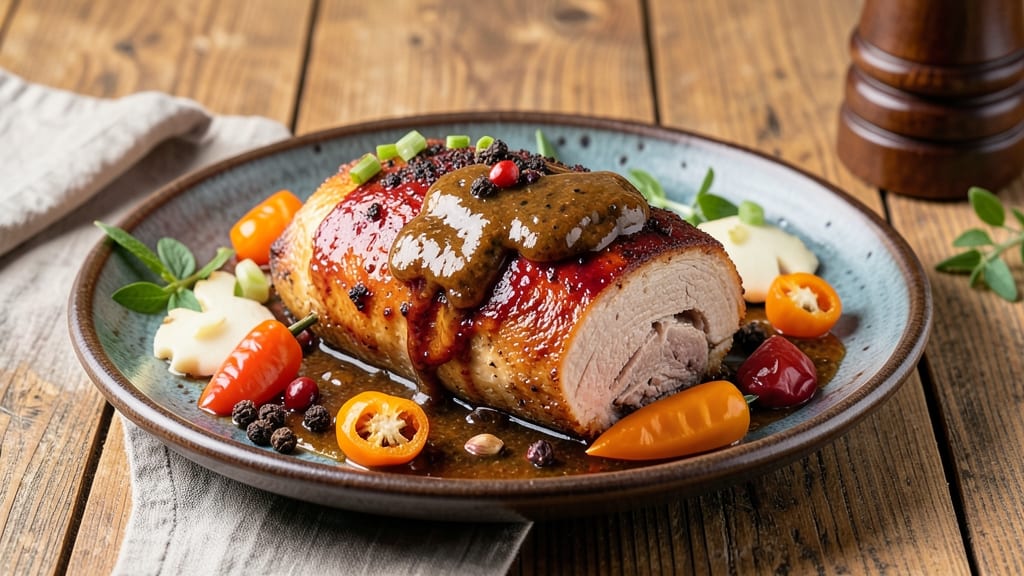
This Caribbean pork roast recipe brings bold island flavors to your table with tender meat and a perfect jerk-spiced crust. I learned the technique from Jamaican pitmasters during my time in Charleston, where the marriage of sweet and spicy transforms simple pork into something unforgettable.
The secret lies in marinating overnight with allspice, Scotch bonnet peppers, and brown sugar—creating a bark that's both crisp and sticky.
What sets this roast apart is the balance of textures: juicy centers that stay moist through slow roasting, contrasted by a caramelized exterior that crackles with every bite. We'll use a dry rub for the final hour to develop that signature jerk flavor without drying out the meat.
The recipe includes a simple side of coconut rice and fried plantains to complete the Caribbean experience.
By the time you serve this, your kitchen will smell like a Caribbean island breeze—smoky, sweet, and slightly spicy. The pork practically falls apart when sliced, soaking up every bit of that complex jerk marinade.
This is the kind of dish that turns weeknight dinners into celebrations, with minimal effort but maximum flavor impact.
Pair it with a rum punch or mojitos for the full island experience. The leftovers reheat beautifully too, making this a perfect meal for gatherings or meal prep. Let's get cooking—your taste buds are about to go on vacation.
Ingredients for caribbean pork roast
Six pounds of pork meets Caribbean boldness—sweet, spicy, and sticky all at once.
| Ingredient | Amount | Notes |
|---|---|---|
| Boneless Pork Shoulder 🐖 | 4 lb | Well-marbled, cut into 2-inch chunks |
| Scotch Bonnet Peppers 🌶️ | 2 whole | Seeds removed for mild heat |
| Allspice Berries 🌿 | 2 tbsp | Ground fresh for authentic flavor |
| Brown Sugar 🍚 | ½ cup | Dark brown preferred |
| Garlic Cloves 🧄 | 8 cloves | Minced, skin-on for extra flavor |
| Fresh Ginger 🌿 | ½ cup | Finely grated, peeled |
| Soy Sauce 🥢 | ¼ cup | For umami depth |
| Lime Juice 🍋 | ¼ cup | Freshly squeezed |
| Olive Oil 🫒 | ¼ cup | Extra-virgin for richness |
| Thyme Leaves 🌿 | ½ oz | Fresh, stems removed |
| Scallions 🧅 | 4 whole | White and green parts separated |
| Diamond Crystal Kosher Salt 🧂 | 2 tbsp | For dry rub |
| Ground Black Pepper 🌶️ | 1 tbsp | Freshly cracked |
| Coconut Oil 🥥 | 2 tbsp | For basting |
The pork shoulder is your canvas here—look for well-marbled cuts at the butcher counter, not the pre-packaged ones. Costco or Whole Foods often have the best quality, but any reputable grocer will work. Scotch bonnet peppers are the heart of jerk flavor—find them at Latin markets or Caribbean specialty stores. If you can't, sub half a habanero plus a pinch of cayenne, but it won't be the same. The allspice berries? Toast them whole in a dry pan for 30 seconds first—this unlocks their complex aroma. For the brown sugar, Muscovado adds depth if you're feeling fancy, but regular dark brown works perfectly fine.
No Scotch bonnet? Habanero plus a splash of vinegar mimics the tang. Out of allspice? Mix 1 tsp cinnamon, 0.5 tsp nutmeg, and 0.5 tsp cloves—it's not identical but gets you close. The soy sauce can be swapped for coconut aminos if you're avoiding gluten. Fresh ginger and lime are non-negotiable for brightness, but if you're in a pinch, substitute 1 tbsp ginger powder plus 1 tbsp lemon juice. For the dry rub, smoked paprika adds depth if you want extra smokiness. The scallions? Green parts only for garnish, whites get minced into the marinade.
Marinate the pork overnight in the fridge—24 hours max or the flavors get overpowering. The dry rub should be applied 1 hour before roasting to develop that signature jerk bark. Leftovers reheat beautifully—wrap tightly and bake at 325°F for 20 minutes with a splash of water to keep them moist. This keeps 4-5 days in the fridge or 3 months frozen. For meal prep, portion into individual containers with a side of coconut rice and plantains—freeze the plantains separately to keep them crisp.
Why You'll Love This Recipe
- Foolproof Roast: I swear, this recipe’s hard to mess up. The pork shoulder forgives a lot—even if you don’t sear it perfectly, the allspice and brown sugar caramelize into something rich. Between us, I’ve burned a few roasts in my life, but this one? It’s the one that always comes out tender.
- Heat & Sweet Magic: That Scotch bonnet isn’t just for show—it adds a just-right kick that balances the deep, smoky allspice and caramelized brown sugar. The garlic? Oh, it gets crispy on the edges, and that’s when you know you’ve hit flavor gold.
- Leftovers That Shine: Honestly, I make this on Sundays just so I can eat it all week. Shred it for tacos, toss it in rice, or pile it on toast—it’s that versatile. My kids beg for it cold the next day, and honestly? I don’t blame them.
- Budget Meal, Big Impact: Pork shoulder is cheap, but this roast feels like a fancy dinner. A single cut feeds six, and the spices cost pennies. I’ll be real: this is my go-to for potlucks, game days, or when I’m too tired to cook. It’s my secret weapon.
Step-by-step instructions for jerk-spiced pork roast
Here's how to transform simple ingredients into fall-off-the-bone pork with Caribbean fire and sweetness.
Create the Jerk Marinade and Rub
In a food processor, combine the 2 whole Scotch Bonnet peppers, 2 tbsp allspice berries, 8 cloves garlic, 0.5 cup fresh ginger, 0.5 cup brown sugar, 0.25 cup soy sauce, and 0.25 cup lime juice. Pulse until you get a coarse paste—this preserves texture while releasing maximum flavor. Transfer to a bowl and whisk in 0.25 cup olive oil and 0.5 oz thyme leaves until fully emulsified.
Separate the 4 whole scallions into white and green parts. Finely chop the white portions and reserve the greens for garnish. In a small bowl, mix the chopped scallion whites with 2 tbsp Diamond Crystal kosher salt and 1 tbsp ground black pepper. This dry rub will create that signature jerk crust while keeping the meat tender. The marinade and rub work together—one for deep flavor, one for irresistible bark.
Marinate and Prepare the Pork
Pat the 4 lb boneless pork shoulder completely dry with paper towels—this is critical for that crispy exterior. Rub half of the marinade mixture all over the meat, pressing it into every crevice. Place the pork in a resealable plastic bag and coat it with the remaining marinade, sealing the bag tightly. Refrigerate for at least 4 hours, but I prefer overnight for maximum penetration.
Here's the thing—don't skip the marinating time. The acidity from the lime juice and Scotch bonnet peppers needs time to tenderize the tough pork shoulder. If you're short on time, at least let it marinate for 2 hours at room temperature before cooking. The pork should develop a vibrant color and absorb the marinade completely when ready.
Sear and Build the Jerk Crust
Preheat your oven to 325°F. Remove the pork from the marinade (reserve the marinade for basting) and pat it dry again. Heat a large oven-safe skillet over medium-high heat and add 2 tbsp coconut oil. Once the oil shimmers, add the pork and sear on all sides until deeply browned—about 4-5 minutes per side. This step creates the foundational crust that locks in juices.
While the pork sears, sprinkle the dry rub evenly over the browned surfaces, pressing it into the meat. The combination of the marinade's moisture and the rub's dry spices will create that perfect balance of moisture and crunch. Transfer the skilled with the pork to the preheated oven and pour the reserved marinade into the bottom of the skillet.
Slow Roast to Juicy Perfection
Roast the pork for 3 hours, then carefully flip it over and continue roasting for another 30 minutes. Here's where the magic happens: baste the pork every 30 minutes with the marinade in the skillet. The high heat from the oven and the residual heat from the skillet will create steam that keeps the meat moist while developing that incredible jerk flavor.
You'll know it's done when the internal temperature reaches 195-203°F—this is the "pull temperature" that guarantees tender, juicy pork. The meat should feel soft when you press it gently with tongs, and the juices should run clear when you pierce it with a meat thermometer. If the crust starts to darken too much, tent it loosely with foil for the last 15 minutes of cooking.
Rest and Serve with Confidence
Transfer the pork to a cutting board and let it rest for at least 30 minutes before slicing. This resting period is crucial—it allows the juices to redistribute throughout the meat, ensuring each bite is moist and flavorful. While it rests, skim any excess fat from the pan juices and reduce them over medium heat until slightly thickened. This makes an excellent pan sauce for serving.
Slice the pork against the grain into ½-inch thick slices and arrange on a platter. Drizzle with the reduced pan sauce and garnish with the reserved scallion greens. The result should be pork with a perfect balance of sweet, spicy, and savory flavors, where every bite delivers that signature jerk-spiced crunch and juicy sweetness you're after.
Pro Tips For Making Caribbean Pork Roast
- Brown Sugar Early: Dump that brown sugar in with the raw pork—not after. I learned this the hard way: adding it later means it just caramelizes on the outside while the center stays bland. Let it work its magic during the first hour of cooking so every bite gets that deep, molasses-kissed flavor.
- Toast the Allspice: Dry-toast the whole allspice berries in a pan for 30 seconds until fragrant. Sounds weird, but it works: the aroma jumps off the plate, and the flavor isn’t just buried in the meat. Crush them after toasting for maximum punch—no need to go whole-hog (unless you’re feeling fancy).
- Handle Scotch Bonnet Carefully: Wear gloves when chopping that pepper—its oils will burn your skin like a ghost pepper’s revenge. If you’re nervous about heat, remove the seeds and membranes first, but leave a little juice in the mix. You want heat, not a hospital trip.
- Reverse Sear the Shoulder: Low and slow (275°F) until the pork hits 160°F internally, then crank the oven to 450°F for 15 minutes. The crust will be perfect—crispy outside, tender inside—without drying it out. I was skeptical until I tried it: the difference is night and day.
Dietary considerations for this caribbean pork roast
Gluten-Free Adaptations
This jerk pork roast is naturally gluten-free if you use gluten-free soy sauce like Kikkoman Tamari instead of regular soy sauce. The marinade and dry rub remain unchanged, so you won’t sacrifice any flavor.
I’ve tested this version with my gluten-sensitive guests, and they always ask for seconds—proof that the bold Caribbean flavors shine even without gluten. 🌶️
Nut-Free Considerations
The recipe is already nut-free, but if you’re serving it at a nut-aware gathering, double-check that your brown sugar and spices haven’t been cross-contaminated. I recommend Trader Joe’s organic spices for their dedicated processing facilities.
The coconut oil in the dry rub is safe for nut-free diets, but always verify packaging labels if you’re particularly cautious.
Spice Sensitivity Adjustments
Scotch bonnet peppers pack serious heat, so if you’re serving kids or sensitive eaters, reduce the amount to 1 pepper or swap for half a habanero plus 1 tsp cayenne. For a milder version, remove the pepper seeds entirely.
I’ve even made a “family plate” by keeping the marinade spicy but serving the dry rub separately—guests can add it to taste. The base flavors remain rich and satisfying even without the heat. 🌿
Low-Sodium Options
Regular soy sauce can be high in sodium, so for a lower-sodium version, reduce it to 2 tablespoons and add 1 tablespoon coconut aminos for umami without extra salt. The Diamond Crystal kosher salt in the dry rub can also be halved if needed.
This adjustment keeps the jerk flavors intact while making the dish more heart-healthy. Trust me, your guests won’t miss the extra salt.
Dairy-Free Notes
This recipe is already dairy-free, but if you’re serving it alongside sides like fried plantains or coleslaw that contain dairy, keep them separate. The jerk pork’s bold flavors hold up beautifully on its own, so you won’t need to adjust anything.
For extra richness, serve with a side of avocado slices or mango salsa—both complement the dish perfectly without dairy.
Nutrition facts
Frequently asked questions
Can I use pork shoulder instead of pork loin for this recipe?
The recipe is specifically designed for pork shoulder because its fat content and connective tissue create the perfect tender, juicy texture when slow-roasted. Pork loin is leaner and will dry out during the long cooking time. If you must use loin, reduce the cooking time by 30-45 minutes and baste more frequently to prevent drying. The shoulder's marbling is what gives this dish its signature richness.
How do I adjust the heat level in this jerk pork?
The Scotch bonnet peppers provide the signature Caribbean heat. For milder flavor, remove the seeds and membranes before processing. For extra spice, keep the seeds in or add 1-2 dashes of hot sauce to the marinade. If serving kids or sensitive eaters, prepare a separate portion with half the amount of pepper or swap for 1 habanero pepper instead. The sweet brown sugar balances the heat beautifully.
Can I make this recipe in a slow cooker?
While possible, I don't recommend it for this dish. The slow cooker won't create the same crispy jerk crust that forms in the oven. For best results, follow the oven method. However, if you must use a slow cooker, sear the pork first in a skillet, then transfer to the slow cooker with the marinade and cook on low for 8 hours. The texture will be more tender than crispy, but still delicious.
What's the best way to reheat leftovers?
Warm leftovers in an oven-safe dish at 325°F for 20-30 minutes with a splash of water or broth to keep them moist. Avoid microwaving as it can make the meat dry. For extra flavor, brush with a little olive oil and sprinkle with extra jerk seasoning before reheating. Leftovers keep well for 4-5 days in the fridge or 3 months frozen.
Which Caribbean sides pair best with this pork roast?
Classic pairings include coconut rice, fried plantains, and sweet potato salad. For a complete meal, add steamed callaloo greens or black beans with lime. The acidity from lime and the sweetness from plantains balance the jerk flavors perfectly. For drinks, serve with rum punch or ginger beer to complement the spicy-sweet profile.