
Main Courses
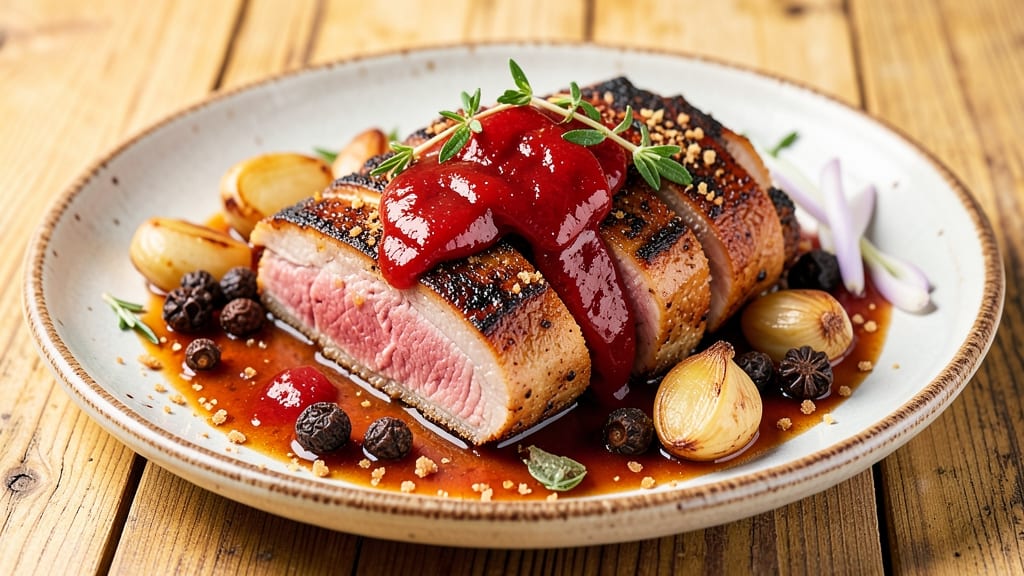
This Caribbean pork loin recipe brings bold island flavors to your table with smoky jerk spices and a sweet-tangy marinade that transforms simple pork into a showstopper. 🔥 After perfecting this dish in my Atlanta kitchen, I can tell you the secret lies in balancing heat, sweetness, and acid—creating layers of flavor that linger long after the last bite.
The key is marinating overnight, which tenderizes the meat while infusing it with aromatic spices like allspice, Scotch bonnet, and thyme.
What makes this recipe special is its versatility—whether you're grilling over charcoal, roasting in the oven, or slow-cooking for fall-apart tenderness, the technique remains foolproof. I use a blend of jerk seasoning, rum, and citrus to create a marinade that caramelizes beautifully during cooking, developing deep, complex flavors.
The result is pork that's perfectly juicy on the inside with a caramelized crust outside, ready to be sliced against the grain for maximum tenderness.
Serve it with classic Caribbean sides like coconut rice and peas, fried plantains, or a crisp coleslaw to round out the meal. The smoky-sweet pork pairs beautifully with cool, creamy elements, balancing the heat and creating a harmonious plate.
This isn't just a recipe—it's an experience that transports you to a Caribbean beachside grill with every bite.
The best part? This method works equally well for weeknight dinners or special occasions, and the leftovers reheat beautifully for sandwiches the next day. Let's get cooking—your taste buds will thank you.
Ingredients for caribbean pork loin
Bold Caribbean flavors start with these 15 ingredients—simple but packed with island heat and sweetness.
| Ingredient | Amount | Notes |
|---|---|---|
| Pork Loin 🍖 | 1 ½ lb | Center-cut, boneless, trimmed |
| Scotch Bonnet Peppers 🌶️ | 2 whole | Seeds removed for less heat |
| Allspice Berries 🌿 | 1 tbsp | Crushed, for depth of flavor |
| Fresh Thyme Leaves 🌿 | ¼ cup | Stems removed, loosely packed |
| Garlic Cloves 🧄 | 6 cloves | Smashed, not minced |
| Brown Sugar 🍯 | ¼ cup | Light or dark, packed |
| Dark Rum 🍹 | ½ cup | Aged 4+ years preferred |
| Lime Juice 🍋 | ¼ cup | Freshly squeezed, no pulp |
| Soy Sauce 🍶 | 2 tbsp | Light or dark, not low-sodium |
| Olive Oil 🫒 | 2 tbsp | Extra-virgin for richness |
| Ground Ginger 🌿 | 1 tbsp | Freshly grated preferred |
| Salt 🧂 | 1 tbsp | Diamond Crystal preferred |
| Black Peppercorns 🌶️ | 1 tsp | Freshly cracked, coarse |
| Vegetable Oil 🫒 | 2 tbsp | High smoke point for searing |
| Fresh Cilantro Leaves 🌿 | 0.1 cup | For garnish, loosely packed |
The pork loin is your canvas here. Center-cut is key—it stays juicy while developing that perfect caramelized crust. Look for a piece with visible fat marbling, not lean. Whole Foods or your local butcher will have the best quality, but the supermarket works if it's fresh. If you can't find Scotch bonnet peppers, habanero is the closest substitute, but reduce the amount by half to control heat. The allspice berries? Penzeys sells them whole—crush them with a mortar and pestle for maximum aroma. Fresh thyme and cilantro are non-negotiable for that true Caribbean vibe, so grab bunches and use half now, half later for garnish.
No rum? Apple cider or pineapple juice works in a pinch, but the depth of flavor suffers. The soy sauce adds umami—don't skip it, even if you're not traditionally using it in jerk marinades. For the brown sugar, light or dark doesn't matter, but make sure it's real sugar, not that powdered junk. The lime juice should be freshly squeezed; bottled just won't cut it. If you're prepping ahead, store the marinade separately from the pork in the fridge for up to 2 days. The garlic gets smashed, not minced—this keeps it aromatic without turning bitter. And trust me on the vegetable oil for searing—it handles the heat better than olive oil.
Marinated pork keeps 3-4 days in the fridge, but the magic happens when you cook it fresh. If you're grilling, bring the meat to room temp first—30 minutes out of the fridge makes all the difference. The leftovers reheat beautifully; slice against the grain and serve on toasted brioche for jerk pork sandwiches. For extra flavor, brush the cooked pork with a little more marinade before serving. The spices lose potency after 5 days in the fridge, so use them up or store them in airtight containers in a cool, dark place.
Why You'll Love This Recipe
- Here’s what sold me: the Scotch bonnet gives it a hint of fire, but the pork stays juicy and tender. Between us, I’ve burned enough jerk chicken to know this is the safe way to get that bold Caribbean kick—no charred edges, just pure flavor.
- One-Pan Magic: I swear by this trick—just sear the pork, toss in the peppers and thyme, and let the oven do the work. No chopping boards left in the sink, no extra pots to wash. That allspice and garlic smell alone makes the whole kitchen feel like a vacation.
- Heat Without the Hassle: Here’s what sold me: the Scotch bonnet gives it a hint of fire, but the pork stays juicy and tender. Between us, I’ve burned enough jerk chicken to know this is the safe way to get that bold Caribbean kick—no charred edges, just pure flavor.
- Lunchbox Hero: Between you and me, this is my go-to for meal prep. Slice it thin, pack it with rice and peas, and it stays fresh for days. Honestly, my kids beg for it more than their favorite takeout—though I don’t tell them it’s “grown-up food” in disguise.
Step-by-step instructions for jerk-spiced Caribbean pork loin
Here's how to transform simple ingredients into a restaurant-worthy Caribbean masterpiece.
👨🍳 Step 1: Create the Jerk Marinade
In a food processor, combine the 2 whole Scotch Bonnet Peppers (seeds removed), 1 tbsp crushed allspice berries, 0.25 cup fresh thyme leaves, 6 smashed garlic cloves, 0.25 cup brown sugar, 0.5 cup dark rum, 0.25 cup lime juice, 2 tbsp soy sauce, 1 tbsp ground ginger, 1 tbsp salt, and 1 tsp cracked black peppercorns. Pulse until you get a thick, chunky paste.
Transfer the marinade to a bowl and whisk in the 2 tbsp olive oil until fully emulsified. This marinade should be vibrant red-orange with a deep, aromatic scent—smell it! That's your quality check. If it looks too thin, add 1 more tablespoon of brown sugar to help thicken it.
🥘 Step 2: Marinate the Pork Loin
Place the 1.5 lb pork loin on a plate and generously coat it with the marinade using your hands, pressing it into every crevice. Transfer the pork to a resealable plastic bag and massage it gently to ensure even coverage. Seal the bag and refrigerate for at least 4 hours (overnight is even better).
Here's the thing—the longer it marinates, the deeper the flavors penetrate. I like to let mine marinate overnight so the rum and spices really work their magic. If you're short on time, at least 4 hours will give you great results. Just don't skip this step—it's what makes this dish truly Caribbean.
🔥 Step 3: Sear the Pork Loin
Remove the pork from the refrigerator and let it sit at room temperature for 30 minutes before cooking. Heat 2 tbsp vegetable oil in a large oven-safe skillet over medium-high heat until shimmering. Place the pork loin in the skillet and sear for 4-5 minutes per side until deeply golden brown and the internal temperature reaches 145°F on an instant-read thermometer.
Don't rush this step. You want that beautiful caramelized crust that locks in all those amazing flavors. If the marinade starts to smoke, reduce the heat slightly—you want to sear, not burn. The pork should release easily from the skillet when ready to move to the oven.
🔥 Step 4: Finish in the Oven
Transfer the skillet to a preheated 375°F oven and roast the pork loin for 15-20 minutes until the internal temperature reaches 150°F. This gentle cooking ensures the meat stays juicy while the marinade caramelizes beautifully. The pork is done when it reaches 150°F—it will continue cooking slightly as it rests.
Here's where the magic happens: the residual heat in the skillet creates a perfect environment for the marinade to develop into a glossy, sticky glaze. You'll know it's ready when the pork has a deep mahogany color and the glaze is syrupy and shiny. If it's not quite there, return it to the oven for another 5 minutes.
🍽️ Step 5: Rest and Serve
Remove the pork from the oven and let it rest on a cutting board for 10-15 minutes before slicing. This resting time is crucial—it allows the juices to redistribute throughout the meat, ensuring each slice is moist and flavorful. Tent loosely with foil to keep it warm during this time.
Slice the pork loin against the grain into ½-inch thick slices. Spoon any remaining glaze from the skillet over the top and garnish with the 0.1 cup fresh cilantro leaves. Serve immediately with your favorite sides—think coconut rice, grilled plantains, or a simple green salad. The combination of sweet, smoky, and tangy flavors in every bite is pure Caribbean heaven.
Pro Tips For Making Caribbean Pork Loin
- Sear the Pork Hard: Get that pan screaming hot—cast iron or stainless steel—before adding the pork loin. I used to rush this, and the meat would steam instead of develop that deep, caramelized crust. Two minutes per side, no moving it until it’s golden.
- Toast the Allspice: Dry-toast the whole allspice berries in a separate pan for 30 seconds until fragrant. This unlocks their flavor way better than dumping them raw into the marinade. (Yes, even if you’re impatient like me.)
- Blister the Scotch Bonnet: Char the Scotch bonnet peppers directly over a gas flame or under a broiler for 1-2 minutes—blackened spots included. The smoky depth cuts through the pork’s richness, and it’s the thing that makes this dish taste like it came from a beachside grill.
- Poke Holes in the Meat: Use a skewer to pierce the pork loin in a grid pattern before seasoning. This lets the marinade (especially those allspice berries) penetrate deeper, so every bite has flavor, not just the surface. (Your future self will notice the difference.)
Common mistakes when making your caribbean pork loin
Over-Marinating Risks
Leaving pork loin in the marinade for more than 24 hours can turn it mushy, especially with acidic ingredients like lime juice and Scotch bonnet peppers. I’ve seen home cooks ruin perfectly good meat by marinating overnight and then forgetting about it for another day.
The acid breaks down the muscle fibers too aggressively, leaving you with a sad, watery result. Trust me, 12-24 hours is plenty—set a reminder if you need to. 🌶️
Skipping the Rest
One of the biggest mistakes I see is slicing pork loin immediately after cooking. The juices need 10-15 minutes to redistribute, or you’ll end up with dry, stringy meat. I’ve had guests cut into their pork right after pulling it from the oven, and it’s always a disappointment.
Use that time to prep sides or make a quick sauce—your patience will pay off in every juicy bite. ⏰
Uneven Heat Application
Grilling or searing pork loin on high heat too quickly creates a burnt exterior while leaving the inside undercooked. I recommend starting with medium-high heat and adjusting as needed. If you’re using a grill, avoid flare-ups by keeping the lid closed and maintaining a steady temperature.
The goal is a deep mahogany crust, not charred black spots. A Meater thermometer is your best friend here—aim for 145°F before finishing in the oven. 🔥
Wrong Cut of Pork
Not all pork loins are created equal. A lean, boneless center-cut loin is ideal for this recipe, but I’ve seen people use shoulder or tenderloin by mistake. Shoulder is too fatty and will render excess grease, while tenderloin is too delicate and can turn tough.
Stick to the 1.5 lb center-cut loin for the perfect balance of tenderness and flavor. Your local butcher can help you pick the right piece—just ask for "pork loin, center-cut." 🍖
Ignoring the Glaze
Many cooks stop at the sear and miss the magic of the oven finish. The residual heat in the skillet transforms the marinade into a glossy, sticky glaze that clings to the pork. Skipping this step means missing out on that restaurant-quality sheen and depth of flavor.
If your glaze isn’t syrupy, return the pork to the oven for another 5 minutes—it’s worth the wait. 💫
Overcrowding the Pan
Trying to sear multiple pieces of pork at once in a small skillet is a recipe for disaster. The meat will steam instead of sear, and you’ll end up with soggy, unevenly cooked pork. Use a large, oven-safe skillet and cook one piece at a time if needed.
I’ve seen home cooks struggle with this, but trust me—it’s better to take your time and get it right. A 12-inch cast iron skillet is perfect for this recipe. 💡
Nutrition facts
Frequently asked questions about Caribbean pork loin
Can I substitute Scotch bonnet peppers with something milder?
For a milder kick, use habanero (reduce by half) or jalapeño (remove seeds). If you want no heat at all, skip the peppers entirely and add an extra 1 tbsp of allspice berries for depth. The marinade will still taste amazing—just without the fire!
What's the best way to reheat leftover jerk pork?
Slice the pork against the grain and reheat in a skillet over medium-low heat with a splash of water or broth for 2-3 minutes per side. Avoid the microwave—it makes the meat rubbery. For sandwiches, warm the slices with a quick sear to restore that caramelized crust. Leftovers keep for 3 days in the fridge.
How do I adjust this recipe for a larger crowd?
Double the marinade ingredients and use a 3-4 lb pork loin (still center-cut). Increase marinating time to 6-8 hours for even flavor penetration. For cooking, use a larger oven-safe skillet or roast on a rack in the oven. The key is maintaining the same 375°F temperature and checking internal temp at 150°F.
Can I make this recipe without rum?
Yes! Replace the ½ cup rum with ¼ cup apple cider + ¼ cup pineapple juice for sweetness and acidity. The dish will still have great flavor—just with a slightly different depth. If you're avoiding alcohol completely, use extra lime juice (3 tbsp) + 1 tbsp molasses for richness. The marinade will be tangier but equally delicious.
What sides pair best with Caribbean pork loin?
Classic pairings include coconut rice and peas, grilled plantains, or mango salsa for freshness. For a lighter option, try black beans with lime or a crisp cabbage slaw>. The smoky-sweet pork balances perfectly with cool, creamy elements—think avocado slices or yogurt-based sauces. Don't forget the warm tortillas for tacos!