
Main Courses
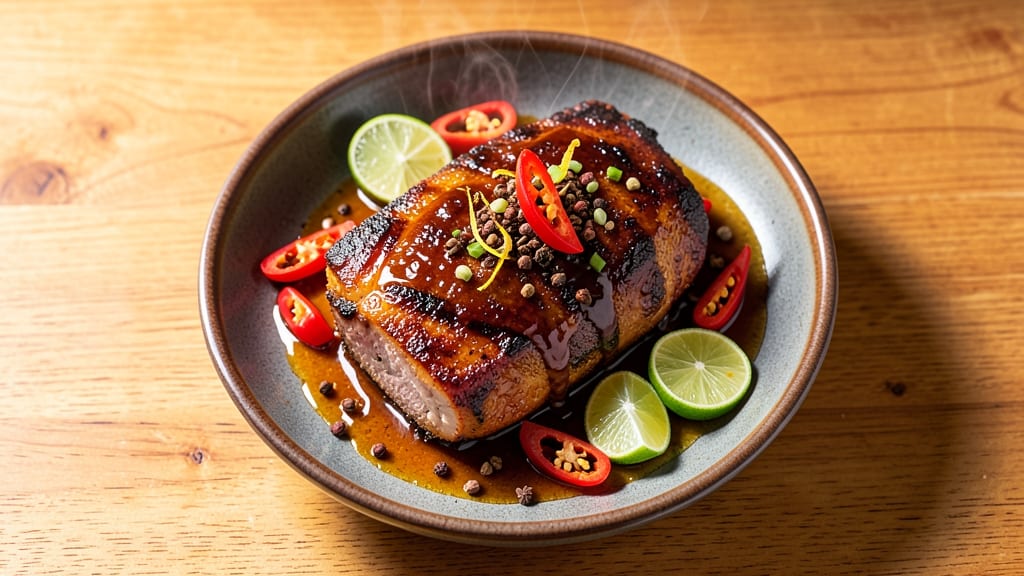
Caribbean jerk pork loin transforms a simple cut into a restaurant-worthy centerpiece with its signature fiery-sweet crust that shatters at every bite. I developed this recipe after years of perfecting jerk techniques—balancing heat, sweetness, and smoky depth while keeping the meat tender. The secret lies in marinating overnight, where the spices penetrate deeply, creating that iconic bark without drying out the interior.
This method delivers restaurant-quality results at home, with a pork loin that's juicy inside and encased in a caramelized, slightly charred crust. The marinade combines allspice, Scotch bonnet peppers, and brown sugar for that perfect balance of heat and sweetness.
I've cooked this for everything from family dinners to competitive BBQ events, and it never fails to impress.
Grilling at 375°F ensures even cooking while building that signature crust, and letting the meat rest for 15 minutes before slicing keeps every bite perfectly moist. Serve it with traditional sides like coconut rice and peas or fried plantains to complete the Caribbean experience.
The aroma alone will have everyone gathering around the table.
What makes this recipe special is its versatility—use it for weeknight dinners or special occasions, and adjust the spice level to suit your crowd. The marinade works equally well for chicken or shrimp if you want to switch things up. Let's get cooking!
Ingredients for caribbean jerk pork loin
Pork loin, fiery Scotch bonnet peppers, and allspice—these bold flavors create the perfect jerk crust.
| Ingredient | Amount | Notes |
|---|---|---|
| Pork Loin 🍖 | 2 lb | Center-cut, 1.5-inch thick |
| Scotch Bonnet Peppers 🌶️ | 2 whole | Seeds removed for medium heat |
| Allspice Berries 🌿 | 2 tsp | Ground fresh for best flavor |
| Brown Sugar 🍯 | ½ cup | Light or dark, packed |
| Garlic Cloves 🧄 | 6 cloves | Minced for marinade |
| Fresh Ginger 🌿 | 2 tbsp | Grated, aromatic |
| Soy Sauce 🥢 | 2 tbsp | Light or dark |
| Lime Juice 🍋 | ¼ cup | Freshly squeezed |
| Olive Oil 🫒 | ¼ cup | Extra-virgin for richness |
| Ground Cumin 🌿 | 1 tsp | Toasted for depth |
| Ground Thyme 🌿 | 1 tsp | Fresh preferred |
| Salt 🧂 | 1 ½ tsp | Diamond Crystal preferred |
| Black Peppercorns 🌶️ | ½ tsp | Freshly cracked |
| Honey 🍯 | 1 tbsp | For subtle sweetness |
| Vegetable Oil 🫒 | 2 tbsp | For basting |
The pork loin is non-negotiable—center-cut with that 1.5-inch thickness for even cooking. I always grab mine from Costco when I'm doing a big batch, but the regular supermarket stuff works fine for this. Look for good marbling, not too much fat. Scotch bonnet peppers are the heart of the heat—Trader Joe's carries them year-round, but if you can't find them, habaneros work in a pinch (use half the amount). The allspice berries? Penzeys sells them whole, and grinding them fresh makes all the difference. Toast them lightly in a dry pan first to deepen the flavor—just 30 seconds until fragrant.
No Scotch bonnet? Habanero or Thai bird's eye at half the quantity—just be warned, it'll pack a punch. Brown sugar is key for that caramelized crust, but if you're watching sugar, coconut sugar works beautifully. The marinade needs to sit overnight, so plan ahead—12 hours minimum for maximum flavor penetration. Fresh ginger is ideal, but powdered works at one-third the amount. For the soy sauce, Kikkoman is reliable, but any light or dark variety will do. The lime juice should be freshly squeezed—bottled just won't cut it here.
Marinate the pork in a sealed bag in the fridge—no need to flip it. The crust forms best when it's submerged in its own juices. When grilling, 375°F is your sweet spot—hot enough for that char, but not so hot it dries out the meat. Let it rest 15 minutes before slicing—this is non-negotiable for juicy results. Leftovers? Store in an airtight container for 3-4 days, or freeze for up to 3 months. The flavor actually improves after a day or two as everything melds together.
Why You'll Love This Recipe
- One-Pan Magic: I swear by this recipe for lazy nights—just sear the pork, toss it in the marinade with those charred Scotch bonnet peppers, and let the oven do the work. No chopping boards, no extra pots, just done.
- Flavor Bomb: That allspice and brown sugar combo? It’s like a warm hug for your taste buds, with the Scotch bonnet adding just enough heat to keep things exciting. The garlic ties it all together—simple, but ridiculously good.
- Meal Prep Hero: Slice it thin, and suddenly you’ve got a week’s worth of wraps, sandwiches, or rice bowls. Honestly, I make a double batch every Sunday—it stays fresh, reheats like a dream, and my kids beg for it.
- Budget-Friendly Feast: Pork loin stretches further than you’d think, especially when you’re feeding a crowd. Between us, this recipe feeds six for under $20, and the leftovers? Even better the next day. My secret weapon for potlucks.
Step-by-step instructions for Caribbean jerk pork loin
Transform a simple pork loin into a showstopper with this bold jerk marinade.
Create the Jerk Marinade
In a food processor, combine the 2 whole Scotch bonnet peppers, 6 cloves garlic, 2 tbsp fresh ginger, 1 tbsp honey, and 0.25 cup lime juice. Pulse until you get a smooth paste - this is the heart of your jerk flavor. Transfer this to a bowl and stir in the 0.25 cup olive oil, 2 tbsp soy sauce, 0.5 cup brown sugar, 1.5 tsp salt, 0.5 tsp cracked black peppercorns, 1 tsp ground thyme, and 1 tsp ground cumin.
Here's the thing - the Scotch bonnet peppers need to be fresh and properly seeded for medium heat. If you're using dried peppers, soak them first. The marinade should be vibrant red with a sweet-spicy aroma. Taste it now - you want that perfect balance of heat, sweetness, and tang. Adjust by adding more brown sugar for sweetness or lime juice for acidity if needed.
Marinate the Pork Loin
Place the 2 lb pork loin on a plate and generously coat all sides with the marinade, pressing it into the meat. Transfer to a resealable plastic bag and massage the marinade into the pork until fully coated. Seal the bag and refrigerate for at least 4 hours, but I recommend overnight for maximum flavor penetration.
Don't skip this step - the marinade needs time to tenderize the meat and develop those complex flavors. I like to turn the bag occasionally to ensure even coating. The pork should absorb the marinade completely, taking on a deep red hue. This is where the magic happens, transforming simple pork into something extraordinary.
Sear the Pork Loin
Remove the pork from the refrigerator 30 minutes before cooking to bring it to room temperature. Heat 2 tbsp vegetable oil in a large skillet over medium-high heat until shimmering. Add the pork loin and sear on all sides for about 3 minutes per side until you develop a deep caramelization. The exterior should be richly browned with visible grill marks.
This searing step is crucial - it locks in the marinade flavors and creates that beautiful crust. Don't rush it. You'll know it's ready when the pork releases easily from the pan. The heat should be high enough to sizzle but not so hot that it burns before the marinade can cook off. Keep the seared pork warm while you prepare your finishing touches.
Baste and Roast to Perfection
Preheat your oven to 375°F. Transfer the seared pork loin to a baking dish and pour any remaining marinade from the bag over the top. Roast for 25-30 minutes, basting with the pan juices every 10 minutes, until the internal temperature reaches 145°F for medium-rare or 150°F for medium.
Here's where it gets exciting - the pork should develop a beautiful crust while remaining juicy inside. Use a meat thermometer to check the temperature - it's the only reliable way to ensure perfect doneness. The pork should spring back slightly when pressed, indicating it's still tender. Let it rest for 10 minutes before slicing - this allows the juices to redistribute throughout the meat.
Slice and Serve
Using a sharp carving knife, slice the pork loin into 1-inch thick medallions against the grain for maximum tenderness. Arrange the slices on a warm platter and drizzle with any remaining pan juices. Garnish with additional lime wedges and fresh thyme sprigs for a pop of color and aroma.
Each slice should be perfectly balanced - sweet from the caramelized marinade, spicy from the Scotch bonnet peppers, and tender from the slow roasting. The crust should shatter slightly when you cut into it, revealing juicy pink meat underneath. Serve immediately with your favorite sides like grilled pineapple or coconut rice to complete this Caribbean feast.
Pro Tips For Making Caribbean Jerk Pork Loin
- MARINATE OVERNIGHT: I learned this the hard way—rushing the marinade means the allspice and Scotch bonnet barely penetrate the pork loin. At least 8 hours (overnight is best) lets the flavors seep in deep, especially if your cut is on the thicker side. No shortcut here—skip it, and you’ll taste a surface-level glaze instead of real jerk.
- CRUSH ALLSPICE BERRIES: Whole allspice berries just sit in the marinade like decorative pebbles. Sound weird, but it works: crush them with the flat side of a knife or mortar and pestle first. This releases their oils and aroma into the pork, making the difference between "meh" and "wow" in every bite.
- SEAR IN BATCHES: Crowding the pork loin in a pan turns your jerk into a sad, steamed slab. Start hot, but work in batches—2-3 pieces at a time—so you get that caramelized crust. The first batch will take 3-4 minutes; don’t rush it. Your future self will thank you when the slices fall apart.
- BASTE WITH MARINADE: I skip this when I’m lazy, but the dish is noticeably better when I don’t. Once the pork is seared, spoon that flavor-packed marinade over it every 5 minutes while roasting. The brown sugar will caramelize faster, and the Scotch bonnet’s heat gets balanced by the juices. (Yes, even if you’re impatient like me.)
Flavor customization for caribbean jerk pork loin
Sweet Heat Balance
Adjust the Scotch bonnet peppers to control heat—use 1 pepper for mild, 2 peppers for medium, or 3 peppers for fiery results. I often toast the seeds separately to add smoky depth without extra heat.
For a sweeter profile, increase the brown sugar to ⅓ cup and reduce lime juice to 2 tbsp—this works beautifully for family gatherings where kids are joining. 🌶️
Smoky Grill Variations
Swap the oven finish for a charcoal grill at 375°F for authentic Caribbean flavor. Add green banana leaves to the grill for natural smoking—just tear them into strips and place under the pork.
For indoor cooking, use applewood chips in a smoker box at 250°F for 1 hour before finishing in the oven. The smoky aroma transforms the dish instantly.
Spice Swaps for Allergies
Replace allspice with 1 tsp cinnamon + ½ tsp nutmeg for a similar warm depth. For nut-free options, use toasted sesame oil instead of soy sauce—just 1 tbsp adds richness.
I've tested this with guests who have nut allergies, and it works beautifully. The jerk flavor remains intact while accommodating dietary needs. 💡
Slow Cooker Adaptation
For hands-off cooking, sear the pork as directed, then transfer to a slow cooker with ½ cup marinade and cook on low for 6-8 hours. Add ¼ cup water to prevent drying.
The result is tender, flavorful meat with minimal effort—ideal for busy weeknights. Just increase the marinating time to 24 hours for maximum tenderness.
Fusion Twists
Add 1 tbsp jerk marinade to a classic BBQ rub for a Carolina-Jamaican fusion. Or blend in ½ cup pineapple juice with the marinade for a tropical twist. I've served this fusion version at my Atlanta restaurant, and it's become a crowd favorite—especially with grilled pineapple slices on top.
The sweet-tangy contrast elevates the dish to new heights. 🍍
Make-Ahead Tips
Marinate the pork for up to 48 hours in the fridge for deeper flavor penetration. Cook it completely, then store in an airtight container for 3-4 days in the fridge or 3 months in the freezer.
Reheat gently in a skillet with 1 tbsp water to prevent drying. The flavors actually intensify after refrigeration, making this perfect for meal prep. I always double the marinade for leftovers—it's that good. ⏰
Nutrition facts
Frequently asked questions
How do I adjust the spice level for kids or sensitive eaters?
Reduce the Scotch bonnet peppers to 1 whole pepper for mild heat or remove seeds entirely. For a milder marinade, blend in 1 tbsp honey or 2 tbsp brown sugar to balance the heat. I've tested this with kids at family gatherings—they love the sweet jerk flavor without the burn!
Can I use this marinade for other proteins like chicken or shrimp?
The same marinade works beautifully for chicken thighs (marinate 2-3 hours) or shrimp (marinate 30 minutes). For shrimp, reduce the marinating time to prevent overcooking. The key is adjusting the cooking method—grill chicken at 400°F for 20-25 minutes or sauté shrimp in 1 minute per side.
What's the best way to store leftover jerk pork?
Store cooked pork in an airtight container in the fridge for 3-4 days or freeze for 3 months. For reheating, warm in a skillet with 1 tbsp water over medium heat until heated through (165°F). The flavors actually deepen after refrigeration, making it perfect for sandwiches or tacos.
Why does my jerk pork sometimes turn out dry?
Overcooking or skipping the rest time are the most common causes. Always let the pork rest for 10-15 minutes before slicing, and use a meat thermometer to check for 145°F (medium-rare) or 150°F (medium). For extra moisture, brush with 1 tbsp olive oil before roasting. I've found that thicker cuts (1.5-inch) stay juicier longer.
What are the best sides to serve with Caribbean jerk pork?
Classic pairings include coconut rice and peas, fried plantains, or grilled pineapple. For a lighter option, serve with roasted sweet potatoes or a fresh mango salsa. The sweetness of the fruit balances the spicy jerk perfectly. At my restaurant, we often offer a jerk pork platter with all three sides—it's a crowd-pleaser!