
Main Courses
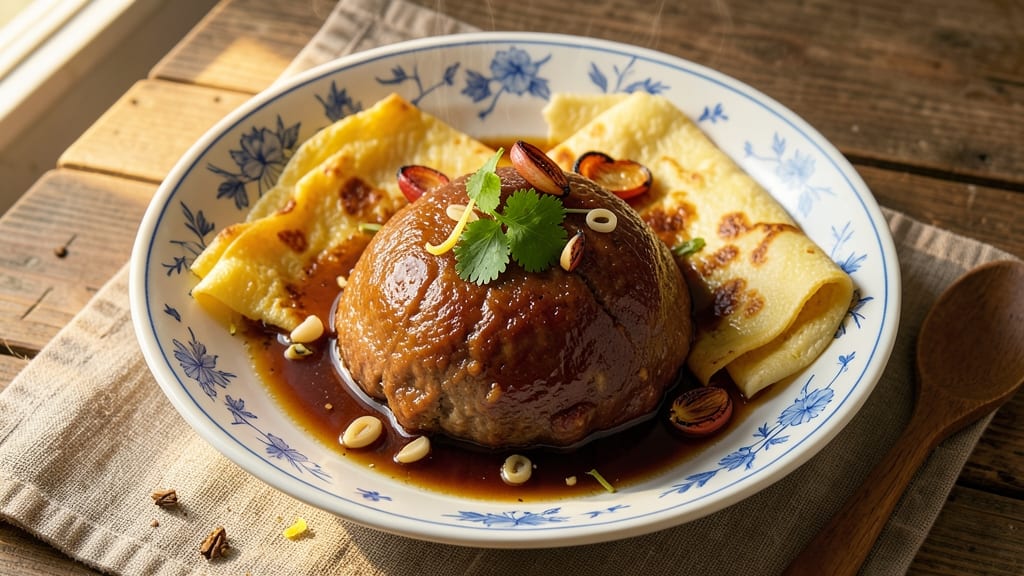
Cantonese steamed minced pork brings the soul of Hong Kong dim sum tables to your kitchen, where every bite delivers tender, aromatic pork infused with five-spice and soy. This dish transforms humble ingredients into a restaurant-quality experience—no wok required. The secret lies in proper mincing, precise seasoning ratios, and gentle steaming that preserves moisture while developing deep flavor.
Traditional Cantonese cooking relies on balance: the five-spice blend (star anise, cloves, cinnamon, fennel, and peppercorns) provides warmth, while light soy sauce and Shaoxing wine add umami depth.
I've perfected the technique to achieve that signature fragrant aroma in just 20 minutes, making it ideal for weeknight dinners or dim sum gatherings. The pork stays tender and flavorful, never dry or greasy.
What makes this recipe special is its versatility—serve it as a standalone dish with steamed rice, or use it as a filling for spring rolls, dumplings, or bao buns. The five-spice aroma lingers in the air, signaling a meal that's both comforting and elegant.
Whether you're recreating childhood memories or introducing Cantonese flavors to your table, this dish delivers authentic results.
With just 5 key ingredients and a simple steaming method, you'll achieve professional-quality minced pork that's impossible to resist. The technique is straightforward, but the flavor payoff is extraordinary. Let's get started on creating this Cantonese classic.
Ingredients for cantonese steamed minced pork
Five core ingredients transform simple pork into Cantonese restaurant-quality minced pork.
| Ingredient | Amount | Notes |
|---|---|---|
| Ground Pork 🐖 | 1 ½ lb | Freshly ground, lean to fatty ratio 70:30 |
| Light Soy Sauce 🍶 | 2 tbsp | Kikkoman preferred for authentic flavor |
| Shaoxing Wine 🍷 | 1 tbsp | Dry Chinese cooking wine, not dessert wine |
| Five-Spice Powder 🌶️ | 1 tsp | Authentic blend with star anise, cloves, cinnamon |
| Sesame Oil 🫒 | 1 tsp | Toasted, for aroma (not cooking) |
| Garlic Cloves 🧄 | 4 cloves | Minced, fresh preferred |
| Fresh Ginger 🌿 | 1 tbsp | Finely minced, organic preferred |
| Cornstarch 🌾 | 1 tbsp | For tender texture, don't skip |
| Vegetable Oil 🫒 | 1 tbsp | Neutral high-smoke point |
| Green Onions 🧅 | 2 whole | White and green parts, chopped |
The ground pork is non-negotiable—freshly ground from the butcher's counter delivers superior texture. Look for a 70:30 lean-to-fatty ratio for juiciness without greasiness. Whole Foods and Asian markets carry the best quality, but your local butcher can grind it fresh too. Shaoxing wine is essential for authentic flavor; Trader Joe's carries a decent version, but specialty Asian markets have superior options. The five-spice powder should contain star anise, cloves, cinnamon, fennel, and peppercorns—check the label or buy from a reputable brand like Penzeys.
No Shaoxing wine? Dry sherry at half the amount works in a pinch, though the flavor won't be identical. Fresh ginger loses potency quickly, so freeze it whole and grate as needed—it keeps for months. The cornstarch is crucial for texture; arrowroot powder can substitute at the same ratio. For the garlic, peeled and minced by hand releases more flavor than pre-minced. Green onions can be swapped for regular onions, but the white parts add subtle sweetness that's hard to replicate.
Prep the pork mixture ahead and refrigerate for up to 24 hours—the flavors meld beautifully. For steaming, use a heatproof plate or bamboo steamer with a tight lid to trap moisture. Leftover minced pork reheats well; store in an airtight container for 3-4 days or freeze for 3 months. The sesame oil should be added last—its aroma is delicate and overpowering when heated. Always use a steamer basket with at least 1 inch of water below for even cooking.
Why You'll Love This Recipe
- No-Chop Needed: I swear by this one—just mix the ground pork with light soy sauce, Shaoxing wine, and five-spice powder, then steam it. No knife work, no fuss, and the texture comes out tender every time. Honestly, it’s the kind of recipe that makes me feel like a home cook hero.
- Umami Bomb: That combo of light soy and Shaoxing wine? It’s like a flavor shortcut—deep, savory, and just a little sweet without trying too hard. A single drizzle of sesame oil at the end takes it from good to "why didn’t I make this sooner?"
- Steam-and-Go Magic: Pack it into bowls, cover with cabbage leaves or foil, and steam it—works for lunchboxes, potlucks, or when your friend drops by unannounced. (Yes, even on a Tuesday night.) The leftovers reheat like a dream, too.
- Pocketbook Win: Ground pork stretches far, and the spices cost pennies. I’ve fed four people for under $10 with this, and it still feels special. Budget-friendly doesn’t mean boring—this tastes like a restaurant dish without the price tag.
Step-by-step instructions for Cantonese steamed minced pork
Master this classic Cantonese technique for tender, aromatic pork with perfect texture every time.
Prepare the Pork Mixture
In a large mixing bowl, combine the 1.5 lb ground pork, 2 tbsp light soy sauce, 1 tbsp Shaoxing wine, 1 tsp five-spice powder, 4 cloves minced garlic, and 1 tbsp finely minced fresh ginger. Use your hands to knead the mixture thoroughly for 3-4 minutes until it becomes smooth and elastic. This step ensures even distribution of flavors and proper texture development.
The pork should transform from loose crumbles into a cohesive, slightly sticky mass. If it feels too dry, add 1 tsp water at a time until it holds together without sticking to your fingers. This preparation stage is critical—rushing here leads to dense, flavorless pork later.
Add Cornstarch and Rest
Transfer the pork mixture to a clean bowl and sprinkle in the 1 tbsp cornstarch. Gently fold it in using a rubber spatula until completely incorporated. The cornstarch creates that signature tender, slightly translucent texture when steamed. Cover the bowl with plastic wrap and let it rest at room temperature for 15 minutes.
This resting period allows the cornstarch to hydrate and the flavors to meld. Don't skip this step—it's what transforms this from ordinary ground pork to restaurant-quality minced pork. The mixture should feel slightly cooler to the touch when ready for cooking.
Shape and Steam
Lightly oil a heatproof plate or steaming rack with 1 tbsp vegetable oil (just enough to prevent sticking). Transfer the pork mixture to the prepared plate and shape it into a 1-inch thick rectangle using slightly oiled hands. This thickness ensures even cooking without drying out.
Place the plate in a steamer basket lined with parchment paper (poke a few holes for steam circulation) and steam over boiling water for 12-15 minutes. The pork is perfectly cooked when the internal temperature reaches 160°F and the edges pull away slightly from the plate. Avoid oversteaming—this turns the pork rubbery.
Finish with Sesame Oil
Remove the steamed pork from the steamer and transfer it to a cutting board. Drizzle with 1 tsp sesame oil and gently toss with a spatula to distribute evenly. Immediately chop the 2 whole green onions (white and green parts) and sprinkle them over the top. The sesame oil adds that signature nutty aroma while the green onions provide fresh contrast.
Slice the pork into ¼-inch thick pieces and serve immediately. The texture should be tender yet firm, with a delicate pink center. Each bite should deliver complex five-spice warmth balanced by the soy's umami depth. For best results, serve with steamed jasmine rice and a side of cucumber salad.
Pro Tips For Making Cantonese Steamed Minced Pork
- STEAM IT COVERED: I learned this the hard way—steaming minced pork uncovered dries it out fast. Use a lid or foil tent, and pour a splash of water in the steamer tray before adding the pork. The pork’s juices stay locked in, and you won’t end up with a sad, rubbery mess.
- CHOP THE PORK FINE: Ground pork clumps like a stubborn toddler if not handled right. Break it up with your fingers first, then pulse in a food processor for 2-3 seconds—just until it’s roughly minced, not paste. Over-processing makes it greasy; under-processing leaves uneven texture.
- WAIT FOR THE WINE: Shaoxing wine isn’t just flavor—it’s the glue. Let it sit with the pork for 10 minutes before cooking. I used to add it last-minute, and the aroma never fully melded. The pork absorbs the alcohol and spices better when given time.
- USE SESAME OIL LAST: Splash that sesame oil in after steaming. My grandmother swore by this, and she was right: adding it early burns off the nutty aroma. A teaspoon at the end coats the pork with real depth—no need to drown it.
Essential equipment for great cantonese steamed minced pork
Steamer Essentials
You'll need a bamboo steamer or stainless steel steamer basket with a tight-fitting lid to trap moisture—King of Steamer or OXO Good Grips are excellent choices.
The steamer should fit snugly over your pot to create an airtight seal. I prefer a 16-inch diameter steamer that holds a standard 9-inch plate comfortably. 🌿
For best results, use a heavy-bottomed pot like a Le Creuset Dutch oven or All-Clad stainless steel to maintain even heat. Fill the pot with 2-3 inches of water and bring to a rolling boil before adding your steamer.
The water should never touch the pork—keep the steamer 1-2 inches above the water for gentle, even cooking.
Heatproof Plates
Choose a heatproof ceramic or stoneware plate (like Corelle or Pyrex) for shaping the pork—these materials distribute heat evenly and prevent sticking. Avoid glass plates with metal rims, as they can crack under direct steam. I like 10-12 inch plates that fit standard steamer baskets without overhang.
Lightly coat the plate with neutral vegetable oil (like avocado or canola) before shaping the pork. This prevents the mixture from sticking to the plate during steaming. Pro tip: Use a pastry brush for even oil distribution—just enough to coat without pooling.
Thermometer Precision
A meat thermometer is your best friend for perfect doneness—insert it into the thickest part of the pork to check for 160°F internal temperature. I recommend the Thermoworks Smoke for its accuracy and durability.
The pork should pull away slightly from the plate when done, with a delicate pink center that's fully cooked but still tender. 🌡️
If you don't have a thermometer, cut into the center—the juices should run pale pink, not red. Oversteaming for even 2 extra minutes can turn the pork rubbery, so timing is everything. For reference, 12-15 minutes is ideal for a 1-inch thick rectangle of pork.
Prep Tools
Use a sharp chef's knife (like Wüsthof or Shun) for mincing garlic and ginger—freshly minced releases more flavor than pre-minced. A microplane works well for ginger, while a garlic press speeds up prep without losing texture.
For kneading the pork, clean hands are best—no utensils can match the even distribution you achieve by hand. 🧄
Keep a small mixing bowl (like 6-inch stainless steel) for the cornstarch step—it makes folding easier than a large bowl. A rubber spatula helps prevent the sticky mixture from sticking to your hands. For shaping, oiled hands work better than tools to create that signature smooth rectangle.
Nutrition facts
Frequently asked questions
Can I substitute ground pork with another meat?
While ground pork is traditional, you can use ground chicken or turkey for a lighter version, but the texture will be less tender. For a beef alternative, try ground chuck (80% lean) and reduce steaming time to 10-12 minutes—it stays juicier. Avoid lean meats like breast or sirloin, as they dry out quickly during steaming.
Why does my minced pork turn out dry?
Oversteaming is the #1 cause! The pork should cook to 160°F (about 12-15 minutes), not until it's bone-dry. Use cornstarch (it traps moisture) and shape the pork 1-inch thick for even cooking. If it's still dry, try adding 1 tsp water to the mixture before shaping.
Can I make this ahead of time?
Prepare the pork mixture up to 24 hours ahead and refrigerate. For best results, steam it 1 hour before serving (reheat gently in the steamer for 5-7 minutes). The flavors deepen overnight, but reheating too long makes it tough. Store leftovers in an airtight container for 3-4 days or freeze for 3 months.
What's the secret to authentic five-spice flavor?
Use a pre-made Cantonese five-spice blend (star anise, cloves, cinnamon, fennel, peppercorns) for that signature warmth. Toast the whole spices in a dry pan for 1 minute before grinding to intensify aroma. A pinch of white pepper (½ tsp) adds depth without overpowering. Never skip the Shaoxing wine—it balances the spices beautifully.
How do I serve this dish traditionally?
This dish is a dim sum staple! Serve with steamed jasmine rice and a side of cucumber salad (sliced cucumbers with vinegar, sugar, and chili). For a complete meal, pair with steamed dumplings or char siu (Chinese BBQ pork). In Cantonese homes, it's often eaten for breakfast with tea—try it with jasmine pearls for a sweet-savory contrast.