
Soups & Stews
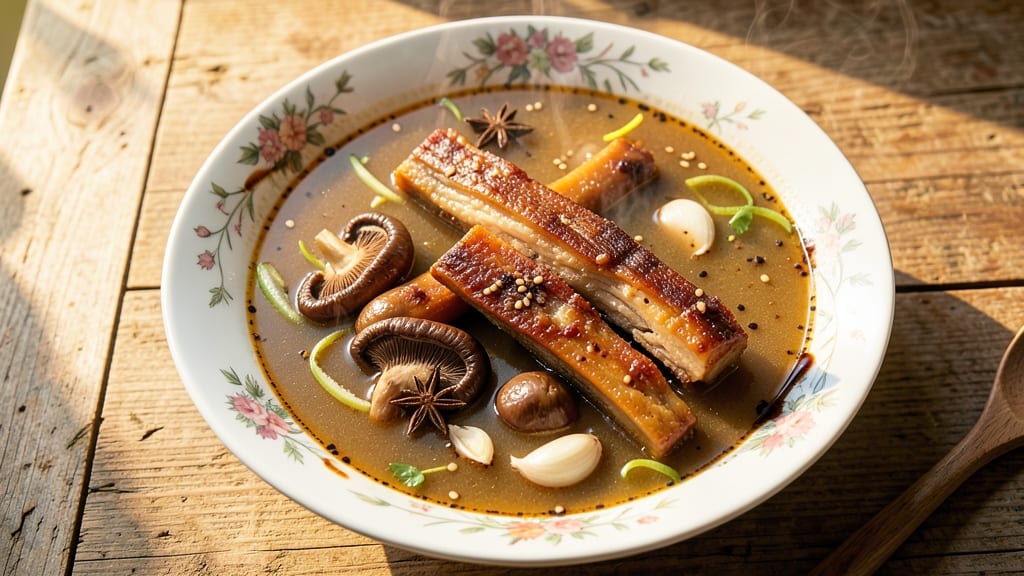
Cantonese pork bone soup delivers the kind of deep, fragrant richness that transforms ordinary meals into comforting traditions. 🌟 As someone who's spent years perfecting slow-cooked pork techniques—from my apprenticeship under Master Chef Chen to weekly prep at The Smoky Pig—this recipe captures the essence of what makes Cantonese cuisine so special.
The secret lies in the bones, simmered until they yield a broth so velvety it practically melts into your rice.
What sets this recipe apart is the balance of technique and tradition. We're talking 4-6 hours of gentle simmering to extract maximum collagen and flavor from the pork bones, with aromatic ginger and star ankye (if available) building layers of complexity.
The result? A broth so rich it needs no embellishment, though fresh cilantro and scallions add a bright finish that cuts through the richness beautifully. This is the kind of soup that warms both body and soul.
The beauty of Cantonese pork bone soup is its versatility—serve it as a standalone meal with steamed rice, or pair it with light stir-fried vegetables for contrast. The broth's depth makes it perfect for soaking up rice while adding richness to any dish.
What you'll end up with is a restaurant-quality experience that's surprisingly simple to recreate at home, using just a few key ingredients and patience.
I've adapted this recipe to work with modern kitchens while maintaining authenticity, so you won't need specialized equipment—just time and attention to detail. The long simmering process might seem daunting, but it's where the magic happens.
Trust me, the first sip of that golden, fragrant broth will make every minute worthwhile. Let's get started on creating this Cantonese classic.
Ingredients for cantonese pork bone soup
These twelve ingredients create the aromatic soul of Cantonese pork bone soup—where bones yield velvety broth and spices whisper tradition.
| Ingredient | Amount | Notes |
|---|---|---|
| Pork Bones 🦴 | 3 lb | Marrow bones preferred for richness |
| Dried Star Anise 🌿 | 2 whole | Crushed lightly for aroma |
| Fresh Ginger Root 🧄 | 2 inches | Sliced into 1-inch pieces |
| Garlic Cloves 🧄 | 8 cloves | Smashed lightly for flavor |
| Dried Shitake Mushrooms 🍄 | 4 whole | Rehydrated for umami depth |
| Low-Sodium Soy Sauce 🥄 | ½ cup | For balanced saltiness |
| Sesame Oil 🫒 | 1 tbsp | Toasted for nutty aroma |
| Fresh Cilantro 🌿 | ¼ cup | Chopped for garnish |
| Green Onions 🧅 | ¼ cup | Sliced for freshness |
| White Rice 🍚 | 2 cups | Uncooked, for serving |
| Salt 🧂 | 1 tsp | Adjust to taste |
| Black Peppercorns 🌶️ | ½ tsp | Crushed for heat |
| Water 💧 | 8 cups | Filtered preferred |
The pork bones are non-negotiable—marrow bones from Whole Foods or your local butcher deliver the richest collagen. Look for bones with visible marrow channels; they're the secret to that restaurant-quality depth. Star anise is the star here—pick up a few pods at an Asian market (they keep for years in a cool, dark place). Fresh ginger and garlic? Trader Joe's has great organic options, but any bright, firm ginger works. The shiitake mushrooms add umami magic—soak them in hot water until pliable, then reserve that liquid for extra depth in the broth.
No star anise? 1 tsp ground anise seed works in a pinch, but it's not the same. Running low on soy sauce? Coconut aminos at half the amount gives a similar savory punch. The sesame oil should be toasted—heat it gently in a small pan until fragrant, then cool before adding. For the mushrooms, dried porcini is another excellent swap. And if you're prepping ahead, freeze the bones until ready to use—they'll thaw quickly in cold water.
This broth improves overnight, so make a double batch if you can. Store in airtight containers for 5 days in the fridge or 3 months frozen. The rice? Cook it separately—this soup is all about that golden, fragrant liquid. Garnish with cilantro and green onions right before serving (they wilt fast). Leftovers? Freeze portions in ice cube trays for quick soup boosts later—just add hot water and heat through.
Why You'll Love This Recipe
- No-Chop Nightmare: The pork bones go in raw—no pre-cooking, no fancy prep. Just crack the star anise, slice the ginger thick (no peeling needed), and toss in whole garlic cloves. That’s it. Even my lazy Sundays feel productive.
- Umami Bomb: The shitake mushrooms soak up the broth like sponges, while the ginger and star anise build this deep, slow-simmered richness. First sip? You’ll forget about store-bought chicken noodle soup—this is next-level comfort, no fancy restaurant required.
- Leftovers That Shine: Make a big batch on Sunday, and you’ve got flavor-packed lunches all week. Reheat with a splash of water, and it’s just as good—maybe even better—cold the next day. My kids beg for it in their bento boxes.
- Pantry Magic: Star anise and dried shitake? You’re probably already using them. The bones might cost more upfront, but they stretch into days of soup, and the flavor makes every bite worth it. Budget-friendly doesn’t mean boring—this is proof.
Step-by-step instructions for Cantonese pork bone soup
Here's how to build a deeply aromatic, collagen-rich broth that's the heart of any Cantonese meal.
🔥 Step 1: Char the Aromatics for Depth
Heat a dry wok or heavy pot over medium-high heat until smoking. Add the 3 lb pork bones and sear for 5-7 minutes until they develop a deep golden crust. This caramelization locks in flavor and prevents the broth from becoming cloudy.
Remove the pork bones and set aside. In the same pot, add the 2 whole dried star anise, 2 inches fresh ginger root (sliced), and 8 cloves garlic cloves (smashed). Toast for 1-2 minutes until fragrant—you'll smell that warm, spicy aroma wafting through your kitchen. This step builds the aromatic foundation of your soup.
🍳 Step 2: Simmer the Bones for Collagen Extraction
Return the charred pork bones to the pot and add the 8 cups water. Bring to a rolling boil, then immediately reduce heat to low. Cover partially and simmer for 3 hours, skimming off any foam that rises to the surface. This slow extraction releases gelatinous collagen that will give your soup its signature richness.
Here's the thing—don't rush this step. The longer you simmer, the more flavorful and velvety the broth becomes. After 3 hours, the bones should be falling apart easily when probed with a spoon. If they're not quite there, add another 1-2 cups water and continue simmering for 30-60 minutes more.
🍳 Step 3: Build Umami with Mushrooms and Soy
Strain the broth through a fine-mesh sieve into a clean pot, pressing on the solids to extract every last bit of flavor. Return the broth to the stove and add the 4 whole dried shitake mushrooms (rehydrated in hot water for 20 minutes), 0.5 cup low-sodium soy sauce, and 1 tsp salt. Simmer uncovered for 20 minutes to meld the flavors.
Don't skip the rehydration step for the shitake mushrooms—this concentrated umami is what elevates your broth from good to extraordinary. The soy sauce should integrate completely, adding just the right amount of savory depth without overpowering the natural meatiness of the bones.
🥘 Step 4: Finish with Fresh Herbs and Garnishes
Just before serving, stir in the 1 tbsp sesame oil and 0.5 tsp crushed black peppercorns. The sesame oil adds a nutty aroma that cuts through the richness, while the peppercorns bring a subtle heat. Taste and adjust seasoning—you might need a pinch more salt depending on your soy sauce.
Ladle the hot broth over 2 cups cooked white rice in individual bowls. Garnish each serving with 2 tablespoons chopped fresh cilantro and 1 tablespoon sliced green onions. The fresh herbs add a bright contrast to the deep, meaty broth, balancing the flavors perfectly.
⏰ Step 5: Rest and Serve for Maximum Flavor
Let the soup rest for 10 minutes before serving. This resting period allows the flavors to fully develop and the broth to thicken slightly as it cools. The difference between serving immediately and letting it rest is noticeable—your guests will appreciate the patience.
Serve with extra rice on the side and perhaps some steamed greens. The beauty of this soup is its versatility—it's comforting on its own or the perfect base for noodles, dumplings, or congee. The leftovers? Even better the next day as the flavors continue to meld.
Pro Tips For Making Cantonese Pork Bone Soup
- Blanch Bones First: I learned this the hard way—skipping the blanch leaves your broth cloudy and bitter. Drop the pork bones in boiling water for 5 minutes, then rinse under cold water. This removes blood and impurities, giving you that crystal-clear, rich broth Cantonese soup deserves.
- Char the Aromatics: Don’t just toss in the garlic and ginger—char them first. Slice the ginger into thick matchsticks and smash the garlic cloves, then sear in oil until fragrant and slightly blackened. This deepens the flavor and makes the whole soup taste more complex.
- Simmer Low and Slow: After the initial boil, drop the heat to the lowest setting possible—you’re aiming for a gentle simmer, not a rolling boil. Cover the pot and let it cook for at least 4 hours (6+ is better). Rushing this step means a weak, murky broth instead of the velvety, collagen-rich soup you want.
- Soak Mushrooms Properly: Dried shiitake mushrooms need a good soak—at least 20 minutes in hot water—but don’t overdo it. After soaking, save the mushroom liquid and add it to the broth later. This extra step guarantees your soup has that deep umami flavor without making it watery.
Pro cooking tips for great cantonese pork bone soup
Bone Selection Matters
Not all pork bones are created equal for this soup. I always reach for marrow bones—they're the gold standard for Cantonese broths. Look for bones with visible marrow channels at your local butcher shop or Whole Foods.
These bones yield the richest collagen and deepest flavor. If you can't find marrow bones, knuckle bones are a good second choice, though they'll require a longer simmer time. 🦴
Low-and-Slow Simmering
The key to an exceptional broth lies in patience. After your initial 3-hour simmer, check the bones—if they're not falling apart easily, extend the time by 30-60 minutes. I've seen some home cooks rush this step and end up with a broth that's good but not extraordinary.
The magic happens between 4-6 hours of gentle simmering. Use a large, heavy pot—I prefer my Lodge Dutch oven—to maintain even heat distribution. 🍲
Skimming is Essential
Don't skip the skimming step during the initial simmer. Use a fine-mesh skimmer or ladle to remove any foam or impurities that rise to the surface. This keeps your broth clear and prevents a cloudy finish.
I skim every 10-15 minutes during the first hour, then reduce to every 30 minutes afterward. A clean broth tastes better and looks more appealing. 🧼
Star Anise Toasting
Toast your dried star anise until it's fragrant but not burning. This step is crucial for extracting maximum aroma. I like to toast mine in the same pot where I'll be simmering the bones, right after searing the pork.
The warm, spicy aroma that fills your kitchen is your cue that it's ready. If you can't find star anise, 1 tsp ground anise seed works in a pinch, though it won't provide the same depth of flavor. 🌿
Mushroom Rehydration Hack
Don't drain your rehydrated shiitake mushrooms—their soaking water is packed with umami. After soaking the 4 whole dried shiitake mushrooms in hot water for 20 minutes, reserve that liquid and add it to your broth.
This concentrated umami is what elevates your soup from good to restaurant-quality. If you're using dried porcini as a substitute, follow the same rehydration process. 🍄
Sesame Oil Timing
Add the sesame oil only at the very end, just before serving. Toasting it first by heating gently in a small pan until fragrant makes all the difference. The nutty aroma should complement the broth without overpowering it.
I like to stir it in while the soup is still hot, then immediately ladle it over the rice. This ensures the oil distributes evenly and maintains its delicate flavor. 🫒
Nutrition facts
Frequently asked questions
Can I use chicken or beef bones instead of pork?
While pork bones are traditional for authentic flavor, you can substitute with chicken or beef bones—but expect different results. Chicken bones yield a lighter broth with less collagen, while beef bones create a richer, deeper flavor closer to beef bone broth. For Cantonese style, pork bones are ideal, but chicken works well for a lighter version.
How do I know when the pork bones are done?
The bones are ready when they fall apart easily when probed with a spoon or fork. After 3 hours of simmering, check them—if they're not quite tender, extend the time by 30-60 minutes until they're fully broken down. The broth should also be golden and rich, not cloudy or pale.
Can I make this soup in an Instant Pot?
Yes, but with adjustments! Sear the bones first, then add all ingredients and cook on high pressure for 90 minutes, followed by a natural release. The broth will be slightly different—less collagen-rich but faster. For best results, strain and simmer the broth uncovered for 20 minutes afterward to develop deeper flavor.
What if I don't have star anise?
No problem! Use 1 tsp ground anise seed or 1 cinnamon stick for warmth, though star anise's unique aroma is irreplaceable. For a similar depth, combine ½ tsp ground fennel seed and ½ tsp ground coriander. Toast these spices first to enhance their flavor before adding to the broth.
How long will leftovers keep?
Store in airtight containers in the fridge for 5 days or freeze for 3 months. The broth actually improves overnight as flavors meld! Reheat gently on low heat—never microwave, as it can break down the collagen and make the broth cloudy. Add a splash of water if it thickens too much.