
Main Courses
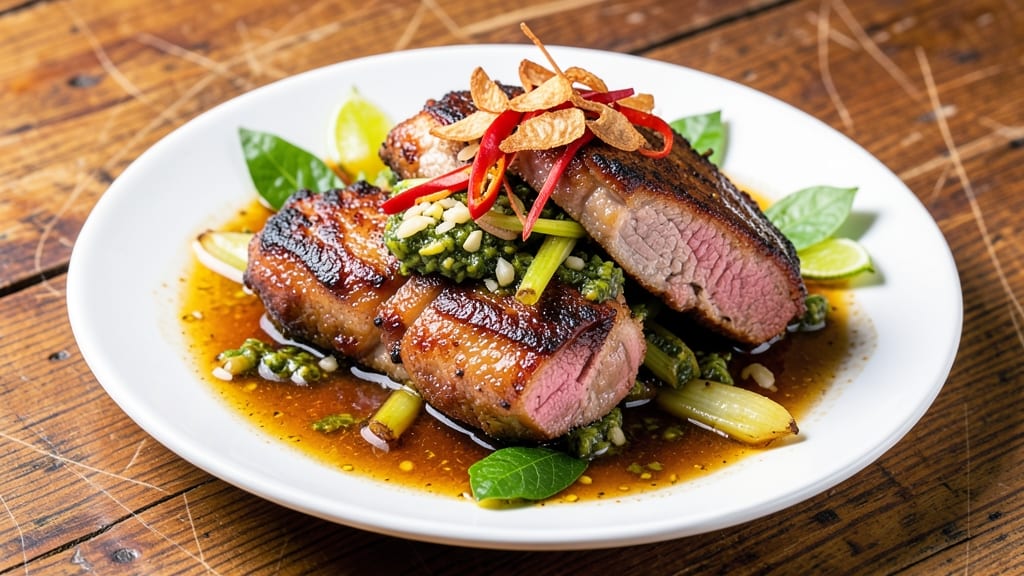
This Cambodian pork chop recipe brings the aromatic balance of Southeast Asia to your kitchen with fragrant lemongrass and kaffir lime. After years of perfecting this technique—first in Charleston kitchens and later in my own farmhouse—I’ve developed a method that delivers tender, caramelized pork with layers of citrusy, herbal depth. The secret lies in the marinade: fish sauce, palm sugar, and fresh herbs that transform simple pork chops into something unforgettable.
What sets this dish apart is the harmony of flavors—sweet from palm sugar, tangy from kaffir lime, and umami from fish sauce—all working together to create a profile that’s both vibrant and complex.
Unlike traditional Western pork chops, these are cooked over medium-high heat with just enough time to develop a golden crust while keeping the interior juicy. The result? A dish that’s restaurant-quality but achievable at home, with a technique that’s precise yet forgiving.
By the time you finish, you’ll have pork chops that are tender enough to cut with a fork, with a caramelized exterior that crackles slightly. The aroma alone—lemongrass and lime wafting through your kitchen—will have everyone at the table anticipating the first bite.
Serve with steamed jasmine rice and a simple cucumber salad to balance the richness, and you’ve got a meal that feels like a celebration.
The beauty of this recipe is its versatility. Use it for a weeknight dinner or a special occasion—either way, the flavors shine. And if you’re feeling adventurous, save the leftover marinade for stir-fries or grilled vegetables. Let’s get cooking—this is pork chop perfection, Cambodian-style.
Ingredients for cambodian pork chop
Four aromatic ingredients transform simple pork chops into Cambodian-inspired restaurant-quality bites.
| Ingredient | Amount | Notes |
|---|---|---|
| Bone-In Pork Chops 🥩 | 4 whole | 1-inch thick, ribeye or loin cut |
| Lemongrass Stems 🌿 | 2 whole | Bruised and cut into 2-inch pieces |
| Kaffir Lime Leaves 🍋 | 4 whole | Torn into strips (or 4 tbsp dried) |
| Palm Sugar 🍯 | ¼ cup | Or substitute brown sugar (1:1) |
| Fish Sauce 🐟 | 2 tbsp | Red Boat preferred for quality |
| Fresh Galangal 🌿 | ½ cup | Julienned, or ginger as substitute |
| Coconut Aminos 🥄 | 1 tbsp | Or soy sauce for umami depth |
| Extra-Virgin Olive Oil 🫒 | 2 tbsp | For high-heat searing |
| Garlic Cloves 🧄 | 4 cloves | Minced for marinade |
| Fresh Thai Chili 🌶️ | 1 whole | Seeded and finely chopped |
| Lime Juice 🍋 | 2 tbsp | Freshly squeezed |
| Diamond Crystal Kosher Salt 🧂 | 1 tsp | For seasoning |
| Fresh Cilantro 🌿 | ¼ cup | Chopped for garnish |
| Jasmine Rice 🍚 | 1 ½ cups | Uncooked, for serving |
The Red Boat fish sauce is non-negotiable here—its clean, salty profile is the backbone of this dish. Look for it at Asian markets or well-stocked grocery stores like Whole Foods or H Mart. If you can't find palm sugar, brown sugar works in a pinch, though it lacks the caramel notes. For galangal, substitute ginger at the same amount, but the dish will taste slightly different. Kaffir lime leaves are essential—they bring that bright, citrusy aroma. If you can only find dried leaves, reconstitute them in warm water for 10 minutes before using. The lemongrass should be bruised (lightly pounded) to release its oils, but don't overdo it or it'll turn to mush.
No coconut aminos? Soy sauce delivers the same umami punch, though it'll lack the subtle coconut undertones. Thai chilies add heat, but if you're sensitive to spice, reduce to half a chili or skip entirely. The lime juice should be freshly squeezed—bottled just doesn't cut it. For the pork chops, ribeye or loin cuts are ideal because they're thicker and stay juicier. If you can't find bone-in, bone-less works too, but sear them skin-side down first for extra flavor. The marinade should sit for at least 2 hours, but overnight is even better if you're planning ahead. If you're feeling adventurous, save the leftover marinade—it's perfect for drizzling over grilled veggies or noodles.
Pork chops keep best in the fridge for 2 days before cooking, but the marinade can be made 3 days ahead and stored in an airtight container. Jasmine rice should be cooked in a 1:1.5 rice-to-water ratio and steamed until fluffy—don't skip the resting time after cooking. The leftovers reheat beautifully in a skillet with a splash of water or broth. For extra crunch, toast the jasmine rice in the skillet for 2-3 minutes after reheating. If you're serving this for a crowd, double the marinade and cook the pork chops in batches to avoid overcrowding the pan—this keeps them crispy instead of steamed.
Why You'll Love This Recipe
- One-Pot Magic: I swear by this recipe when I’m too tired to dirty multiple pans. Bone-in chops sizzle in the same skillet where the lemongrass and lime leaves infuse the sauce—minimal cleanup, maximum flavor. The pork renders its own juices, so you’re basically getting a self-basting masterpiece with almost no effort.
- Umami Bomb: That first bite? Chef’s kiss. The fish sauce and palm sugar strike the perfect balance—salty, sweet, with this bright citrusy kick from the kaffir lime leaves. Honestly, the bone-in cut adds depth too; it’s like the pork is whispering secrets of garlic and ginger while you eat.
- Weeknight to Weekend: Serve it with steamed jasmine rice for a quick weeknight dinner, or double the batch and bring it to a potluck—everyone will ask for the recipe. Between us, it’s the kind of dish that works just as well cold the next day, sliced thin in lettuce cups or over noodles.
- Budget-Friendly Feast: Bone-in pork chops stretch further than their boneless cousins, and the aromatics—lemongrass, lime leaves—cost pennies but pack serious punch. I’ll be real: this recipe turns $10 into a meal that feels like a splurge, and leftovers reheat like a dream (yes, even on a Tuesday night).
Step-by-step instructions for Cambodian pork chops
Here's how to create restaurant-quality Cambodian pork chops with aromatic lemongrass and bright kaffir lime notes.
Prepare the Aromatic Marinade
In a food processor, combine the 2 whole lemongrass stems (bruised and cut into 2-inch pieces), 4 whole kaffir lime leaves (torn into strips), 0.5 cup fresh galangal (julienned), 4 cloves garlic (minced), 1 whole fresh Thai chili (seeded and finely chopped), 2 tbsp lime juice, 2 tbsp fish sauce, 1 tbsp coconut aminos, and 0.25 cup palm sugar. Pulse until you achieve a thick, fragrant paste—this should take about 20-30 seconds of processing.
The marinade should be vibrant green with bright citrus notes from the lime and a subtle heat from the Thai chili. If using dried kaffir lime leaves, toast them briefly in a dry pan before adding to enhance their aroma. This marinade is the soul of the dish—don't skip the galangal if you can find it, as it provides that signature Cambodian earthiness that ginger can't fully replicate.
Marinate the Pork Chops
Place the 4 whole bone-in pork chops in a resealable plastic bag and pour the marinade over them. Seal the bag and massage the marinade into the meat, ensuring it coats all surfaces evenly. Let the pork chops marinate in the refrigerator for at least 2 hours, though I recommend 4 hours for maximum flavor penetration. The marinade will turn the pork a beautiful golden hue and infuse it with those complex aromatics.
While the pork marinates, prepare the 1.5 cups jasmine rice according to package instructions. Cambodian cuisine often pairs rich, flavorful proteins with fragrant rice, and jasmine rice's floral notes complement the dish perfectly. Keep the rice covered and warm until ready to serve.
Pan-Sear the Pork Chops to Perfection
Remove the pork chops from the marinade (reserve the marinade for later) and pat them dry with paper towels. Heat a large skillet over medium-high heat until it's smoking hot, then add 2 tbsp extra-virgin olive oil. Once the oil shimmers, add the pork chops and sear for 3-4 minutes per side until they develop a deep golden-brown crust. The pork should release easily from the skillet when ready to flip—this indicates proper doneness at the surface.
During the last minute of searing, pour the reserved marinade into the skillet and scrape up any browned bits from the bottom. These fond bits are packed with flavor and will form the base of your sauce. The pork chops should reach an internal temperature of 145°F when measured at the thickest part. Remove the pork chops from the skillet and let them rest on a wire rack for 5 minutes before serving.
Reduce the Sauce and Finish
Return the skillet to medium heat and reduce the marinade by simmering for 3-4 minutes until it thickens slightly and coats the back of a spoon. The sauce should have a glossy sheen and be slightly syrupy in consistency. Taste and adjust seasoning with 1 tsp diamond crystal kosher salt if needed—you might need to add a bit more to balance the flavors, especially if your fish sauce was particularly salty.
Just before serving, stir in 0.25 cup chopped fresh cilantro to brighten the dish with fresh herbaceous notes. The cilantro should be finely chopped to distribute evenly throughout the sauce. The finished sauce should be aromatic, slightly sweet from the palm sugar, and have a perfect balance of umami from the fish sauce and coconut aminos.
Serve with Jasmine Rice
Slice the pork chops into ½-inch thick medallions against the grain for maximum tenderness. Arrange the slices over the warm jasmine rice and ladle the reduced sauce generously over the top. Garnish with additional cilantro if desired. The pork should be juicy with a perfect pink center, and the sauce should cling beautifully to both the rice and the meat.
Serve immediately while everything is hot. The combination of the fragrant rice, tender pork, and complex sauce creates a harmonious balance of flavors that's quintessentially Cambodian. Each bite should deliver layers of lemongrass, kaffir lime, and galangal with a perfect finish of bright lime and fresh cilantro.
Pro Tips For Making Cambodian Pork Chop
- CHAR THE LEMONGRASS FIRST: Slap that lemongrass against the hot pan for 30 seconds before adding the pork—it releases oils that’ll make your sauce smell like a Cambodian street stall. I used to skip this, and my dish always tasted like it was missing something.
- SALT THE PORK IN ADVANCE: Bone-in chops need 30 minutes of salting before cooking—it keeps them juicy and lets the fish sauce marry better. I learned this the hard way when my first batch turned out dry and bland.
- DON’T OVERCOOK THE KAFFIR LIME: Tear the leaves, not chop them—whole leaves infuse better and won’t turn bitter. Simmer them just until the pork is done, then fish them out immediately (yes, even if they look sad).
- BALANCE THE SWEET-SALTY: Palm sugar should sing, not scream—start with 1 tablespoon per chop, then adjust with fish sauce (1:1 ratio). I was guilty of drowning the dish in sugar until I realized the pork’s natural fat needs room to shine.
Serving suggestions for this dish
Rice Pairings
Jasmine rice is my go-to for this dish—its delicate floral aroma complements the bold flavors of the pork perfectly. Cook 1.5 cups uncooked jasmine rice in a 1:1.5 rice-to-water ratio until tender and fluffy.
For extra richness, I sometimes toast the rice in the skillet with a pat of butter after cooking. If you're feeling adventurous, try sticky rice (like Cambodian num teep) for a more traditional touch, though it requires a bit more effort to prepare. 🍚
Vegetable Sides
A simple cucumber salad cuts through the richness of the pork beautifully. Thinly slice 2 Persian cucumbers, toss with 1 tbsp rice vinegar, ½ tsp sugar, and a pinch of salt.
For a heartier option, try steamed bok choy with a drizzle of toasted sesame oil—its slightly bitter notes balance the sweetness of the pork. I often serve both for a well-rounded meal.
Pickled Vegetables
Cambodian cuisine often includes pickled vegetables to add tangy contrast. Quick-pickle ½ cup shredded carrots and daikon radish in ¼ cup rice vinegar, 1 tbsp sugar, and ½ tsp salt for 30 minutes.
The bright acidity cleanses the palate between bites of rich pork. For a more traditional approach, try fermented mustard greens (kroeung), which add a funky depth that pairs wonderfully with the dish.
Sauce Variations
If you love extra sauce, serve these pork chops with a side of peanut sauce for dipping. Blend ½ cup smooth peanut butter, 2 tbsp coconut milk, 1 tbsp fish sauce, 1 tbsp lime juice, and a pinch of chili flakes.
The creamy, nutty contrast is a game-changer. For something lighter, a simple lime wedge on the side lets guests squeeze fresh juice over their plates as they eat.
Garnishes That Elevate
Fresh herbs make all the difference. Scatter chopped cilantro and thinly sliced Thai basil over the pork and rice for a burst of freshness. For a smoky touch, sprinkle toasted coconut flakes on top—just 2 tbsp adds texture and a hint of sweetness.
If you're serving this for a crowd, pre-chop all garnishes and store them in small bowls for easy access. ✨
Drink Pairings
For a refreshing match, serve iced lemongrass tea—simmer 2 lemongrass stalks, 1-inch ginger, and 1 lime wedge in water for 10 minutes, then chill. A crisp Cambodian beer like Angkor Beer also works beautifully, balancing the dish's richness with its light, effervescent profile.
For a non-alcoholic option, try coconut water chilled with ice and a squeeze of lime.
Nutrition facts
Frequently asked questions
Can I substitute bone-in pork chops with boneless for this recipe?
Boneless chops work perfectly—just pat them dry thoroughly before searing. For even better flavor, sear the skin-side down first if using skin-on boneless cuts. The cooking time remains the same (3-4 minutes per side), but boneless chops may cook slightly faster.
What's the best way to find galangal if I can't find it locally?
Galangal is the heart of this dish, but you can substitute ginger at a 1:1 ratio—though the flavor will differ slightly. For authenticity, check Asian markets (fresh or frozen galangal is often stocked) or order online from specialty retailers like Thai Spice or Mekhala. If using ginger, add 1 tsp extra fish sauce to compensate for the milder flavor.
How do I adjust the heat level in this recipe?
For less heat, remove the Thai chili seeds before chopping or reduce to ½ chili. For more heat, add ½ tsp chili flakes to the sauce or serve with extra sliced chilies on the side. The marinade's sweetness from palm sugar naturally balances any spice. Always taste before serving!
Can I make this recipe ahead of time?
Yes! Marinate the pork chops overnight for maximum flavor. Cook them fresh before serving, but you can prep the sauce ahead by reducing it to a thicker consistency and storing it in the fridge. Reheat gently on the stove before serving. The rice should be cooked fresh to maintain its texture.
What's the secret to getting perfectly tender pork chops?
The key is not overcooking—use a meat thermometer and remove at 145°F. Patting them dry before searing creates a better crust, and letting them rest 5 minutes after cooking redistributes juices. Bone-in cuts stay juicier longer than boneless. For extra tenderness, pound thicker chops to ½-inch thickness before marinating.