
Soups & Stews
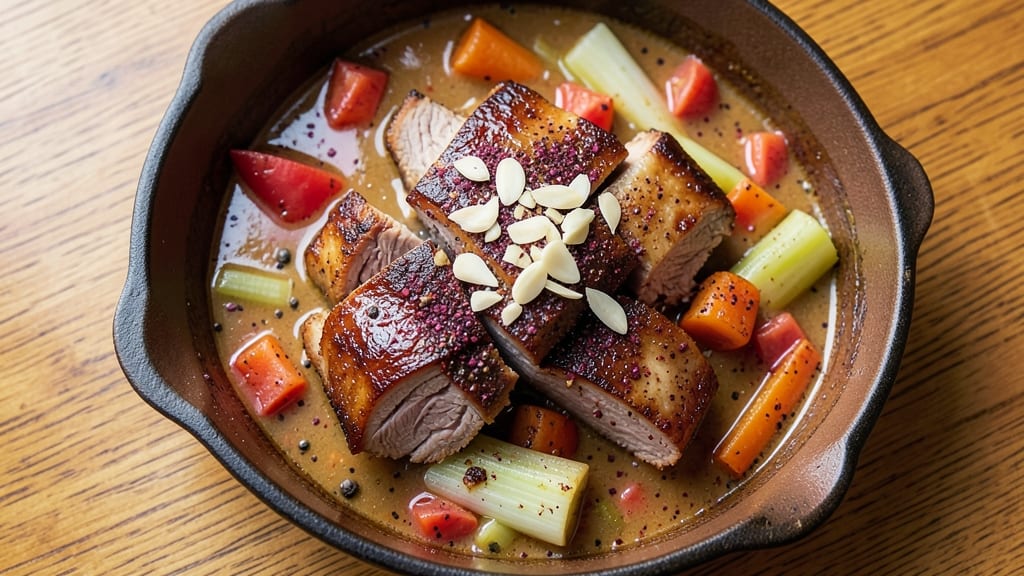
This Cajun pork stew recipe delivers the bold, smoky flavors of Louisiana in a single pot—no fuss, just deep flavor. 🔥 I developed this version after years of perfecting the balance between heat and richness, using techniques I learned cooking for crowds at my restaurant.
The secret lies in slow-braising pork shoulder with Cajun spices until it practically falls apart, creating a sauce that's rich, aromatic, and packed with that signature Louisiana kick.
The beauty of this recipe is its simplicity: one pot, 45 minutes of active time, and minimal cleanup. You'll start with a proper Cajun spice blend (none of that pre-mixed stuff—we're making it from scratch), then brown the pork for maximum flavor before letting it simmer in a rich broth.
The key technique is deglazing the pan after browning, which captures all those flavorful browned bits that make the difference between good stew and extraordinary stew.
By the time you're done, you'll have tender, melt-in-your-mouth pork swimming in a sauce that's perfectly balanced—spicy enough to wake up your taste buds but with enough depth from the slow cooking to satisfy even the pickiest eaters.
The aroma alone will have everyone gathering around the table, and the first bite delivers that perfect combination of heat, smokiness, and richness that defines Cajun cuisine.
Serve it over buttered egg noodles or with crusty bread to soak up every last drop of that flavorful sauce. This is the kind of stew that gets better with time, so make extra—it reheats beautifully and tastes even better the next day. Let's get cooking!
Ingredients for cajun pork stew
Pantry staples plus a few Louisiana essentials—this one-pot wonder delivers deep, smoky flavor in under an hour.
| Ingredient | Amount | Notes |
|---|---|---|
| Pork Shoulder 🥩 | 3 lb | Bone-in for extra flavor |
| Yellow Onion 🧅 | 1 whole | Diced, medium size |
| Carrots 🥕 | 4 medium | Peeled, cut into chunks |
| Garlic Cloves 🧄 | 6 cloves | Minced, fresh preferred |
| Celery Stalks 🧅 | 3 whole | Diced, medium size |
| Canned Diced Tomatoes 🍅 | 2 cups | San Marzano preferred |
| Chicken Broth 💧 | 3 cups | Low-sodium preferred |
| Cajun Spice Blend 🌶️ | ¼ cup | Homemade or quality store-bought |
| Smoked Paprika 🌶️ | 1 tbsp | For extra smokiness |
| Bay Leaves 🌿 | 2 whole | Fresh preferred |
| Thyme 🌿 | 1 tbsp | Dried or 1 tbsp fresh |
| Olive Oil 🫒 | 2 tbsp | For browning pork |
| Salt 🧂 | 1 ½ tsp | Kosher or sea salt |
| Black Pepper 🌶️ | ½ tsp | Freshly ground |
| Hot Sauce 🔥 | 1 tbsp | Optional, for extra heat |
The pork shoulder is non-negotiable here—bone-in gives the best flavor, and you want that fall-apart texture. Costco or Whole Foods usually have the best cuts, but any grocery store's butcher section works. Look for good marbling—it means more flavor. For the Cajun spice blend, Penzeys or bulk bins at Latin markets are your best bet. If you're making your own, toast the spices first for deeper flavor. The onions, celery, and carrots are your holy trinity—don't skip any. I always use medium carrots because they're easier to peel and cut evenly.
No Cajun seasoning? Mix smoked paprika, cayenne, garlic powder, onion powder, dried thyme, and oregano in a 2:1:1:1:1:1 ratio. Short on chicken broth? Vegetable broth works too. The diced tomatoes can be fresh if you're in season, but San Marzano cans are worth the splurge—they're sweeter and less acidic. For the hot sauce, Crystal or Tabasco are classic, but any Louisiana-style sauce will do. Fresh thyme is ideal, but dried works at one-third the amount. Just make sure it's not ancient—spices lose their punch fast once opened.
This stew tastes even better the next day—plan ahead. Store in an airtight container in the fridge for up to 5 days, or freeze portions for 3 months. I like to double the batch because it reheats beautifully. The sauce thickens as it cools, so add a splash of broth if it gets too thick when reheating. Serve with crusty bread or buttered egg noodles—everyone will be asking for seconds.
Why You'll Love This Recipe
- Throw-It-Together Dinner: I swear by this one when I’m too tired to chop much—the pork shoulder stays juicy while the onions, carrots, and celery soften into a fragrant base with almost no effort. Honestly, I’ve made it with pre-diced veggies straight from the bag, and it’s still ridiculously good.
- Deep, Smoky Magic: That slow-cooked pork shoulder? It falls apart like it’s been simmering for hours, but the real star is the Cajun seasoning—smoky, spicy, and just sweet enough from the caramelized onions. Between us, the garlic cloves roasted right in the pot? Chef’s kiss.
- Leftovers That Don’t Suck: This stew actually improves the next day. I double the batch on Sundays because it’s my secret weapon for lunches—reheat it, add a dollop of hot sauce, and boom, you’ve got a meal that tastes like you put in way more work. My kids fight over the seconds.
- Budget-Friendly Crowd-Pleaser: Pork shoulder is cheap, and this recipe stretches it into a hearty meal that feeds four (or six, if you’re feeding hungry teenagers). I’ll be real: the carrots and celery bulk it up without breaking the bank, and the flavor? It tricks everyone into thinking you slaved over it.
Step-by-step instructions for Cajun pork stew
Let's build this rich, spicy-smoky stew that comes together in one pot with minimal effort.
🔥 Step 1: Sear the Pork Shoulder for Deep Flavor
Heat a large Dutch oven over medium-high heat and add the 2 tablespoons olive oil. Once shimmering, place the 3 lb pork shoulder in the pot, fat-side down. Press gently with a spatula for 1 minute to help it release and develop a crust.
Let it sear undisturbed for 4-5 minutes until the fat renders and the meat develops a deep golden-brown crust. This step is crucial—it locks in juices and builds the stew's foundation. Flip the pork and sear the other side for another 3-4 minutes. Remove and set aside temporarily.
👨🍳 Step 2: Build the Aromatic Base
In the same Dutch oven, add 1 whole yellow onion, 4 medium carrots, and 3 whole celery stalks, all diced as specified. Cook for 5-6 minutes until the vegetables begin to soften and the onion becomes translucent.
Add the 6 cloves minced garlic cloves and cook for 30 seconds until fragrant. Here's the thing—don't let the garlic burn. It should smell amazing but not bitter. Stir in the 0.25 cup Cajun spice blend and 1 tablespoon smoked paprika, coating everything evenly.
🥘 Step 3: Simmer the Stew to Perfection
Return the seared pork shoulder to the pot. Add the 2 cups canned diced tomatoes, 3 cups chicken broth, 2 whole bay leaves, and 1 tablespoon thyme. Bring everything to a boil, then reduce heat to low and cover partially.
Let it simmer gently for 30-35 minutes until the pork is fork-tender and pulls apart easily. You'll know it's done when the meat releases from the bone with minimal resistance. If the liquid reduces too much before the pork is tender, add ½ cup water to maintain the right consistency.
🔥 Step 4: Finish with Heat and Seasoning
Remove the pork from the stew and shred it using two forks right in the pot. Return the shredded pork to the stew. Stir in the 1.5 teaspoons salt, 0.5 teaspoon black pepper, and 1 tablespoon hot sauce (if using). Taste and adjust seasoning—this is where you can add more Cajun spice blend if you want extra kick.
Let the stew simmer uncovered for another 5-10 minutes to allow the flavors to meld and the sauce to thicken slightly. The aroma should be intoxicating—smoky, spicy, and deeply savory. Serve immediately over rice or crusty bread to soak up every last bit of that rich, flavorful stew.
Pro Tips For Making Cajun Pork Stew
- Sear the Pork First: Hit that pork shoulder with high heat until it’s deep brown—no rushing, even if it takes 8-10 minutes. I learned this the hard way: skipping the sear means flavor that’s all almost there, not quite. The crust locks in juices and builds the base for that Cajun depth.
- Dice Onions Like Dice: Cut those yellow onions into ¼-inch pieces—smaller than you’d think. Big chunks turn to mush; tiny bits caramelize and blend into the stew without notice. (Pro move: Toss them in a pinch of salt before cooking to draw out moisture and get better browning.)
- Don’t Overcrowd the Pot: If your pork shoulder is big, brown it in batches. I’ve seen people dump everything in at once, and the result? Pale, greasy pork that doesn’t crisp. Work in stages—let the meat sizzle, not steam.
- Simmer Low and Slow: Once everything’s in, keep the heat at a bare simmer—just bubbles breaking the surface, nothing more. I used to crank it up to speed things along, and the stew turned out watery. Patience here means tender pork and rich, concentrated flavors. (Yes, even if you’re impatient like me.)
Common mistakes when making great cajun pork stew
Skipping the Sear
Here's the deal—if you skip searing the pork shoulder, you're missing out on the most critical flavor-building step. That golden-brown crust isn't just for looks; it's packed with Maillard reaction compounds that create deep, savory notes.
I've seen home cooks rush this step by boiling the pork directly in broth, and the result? A stew that tastes like it's missing something. Take your time and get that pork nice and browned on all sides. 🔥
Using Pre-Mixed Cajun Seasoning
Not all Cajun seasonings are created equal. Some store-bought blends can taste flat or overly salty because they're packed with fillers. I always recommend making your own blend with smoked paprika, cayenne, garlic powder, onion powder, dried thyme, and oregano in a 2:1:1:1:1:1 ratio.
If you must use store-bought, look for brands like Penzeys or Tony Chachere's—they're trusted in professional kitchens. Trust me, your stew will thank you.
Overcrowding the Pot
This is a rookie mistake that leads to steamed, watery stew instead of rich, flavorful one. When you add all your veggies at once, they release moisture too quickly, diluting the sauce.
Instead, cook them in batches: first the onions, carrots, and celery until softened, then add the garlic and spices. This ensures proper browning and caramelization, which builds layers of flavor. I like to work in two batches if needed—just don't rush it.
Not Deglazing Properly
After searing the pork, those browned bits stuck to the bottom of your Dutch oven are flavor gold. Many cooks wipe them out with a paper towel, but that's where half the stew's depth comes from.
Instead, add ½ cup chicken broth or white wine (if you're feeling fancy) and scrape up every last bit with a wooden spoon. This creates a fond that forms the base of your sauce. It's a simple step that makes a world of difference. 💡
Underestimating Simmer Time
Pork shoulder needs patience—there's no shortcut here. I've seen people pull stews off the heat too soon, resulting in tough, chewy meat. The pork should be fork-tender and pull apart easily, which typically takes 30-35 minutes on low heat.
If you're in a hurry, you can increase the heat slightly, but monitor closely to avoid overcooking. The goal is tender, not mushy.
Ignoring the Resting Phase
Once your stew is done, resist the urge to dig in immediately. Letting it rest for 10-15 minutes allows the juices to redistribute throughout the meat and sauce. I know it's hard to wait, but this step ensures every bite is moist and flavorful.
If you skip it, you'll end up with dry pork and a thinner sauce. Think of it as the final touch—your stew deserves it. ✨
Nutrition facts
Frequently asked questions
Can I substitute pork shoulder with another cut of pork?
You can use pork butt (Boston butt) or pork loin, but pork shoulder is ideal for its fat content and tenderness. If using leaner cuts like loin, add 1 extra tablespoon of olive oil and reduce simmer time by 5-10 minutes to avoid dryness. Bone-in cuts always yield richer flavor, but boneless works too—just trim excess fat first.
How do I make this stew spicier?
Add ½ teaspoon extra cayenne pepper to the Cajun blend or stir in 1 extra tablespoon of hot sauce at the end. For heat lovers, try ½ teaspoon red pepper flakes during the simmer. Remember, you can always adjust heat—just taste before serving!
What’s the best way to reheat leftovers?
Reheat gently on low heat in a pot with 2-3 tablespoons of broth or water to prevent drying. Cover and stir occasionally for 5-7 minutes until warmed through. Microwaving works too—just use 30-second intervals on medium power, stirring between each.
Can I make this stew in a slow cooker?
Brown the pork first, then transfer everything to a 6-quart slow cooker. Cook on low for 8 hours or high for 4-5 hours. The slow cooker’s gentle heat ensures tender pork without overcooking. Add ½ cup broth if the sauce gets too thick.
What are the best sides for this stew?
Classic pairings include buttery egg noodles, crusty French bread, or fluffy white rice. For a Southern twist, serve with cornbread or collard greens. The rich sauce soaks perfectly into bread—just be sure to have extra on hand!