
Main Courses
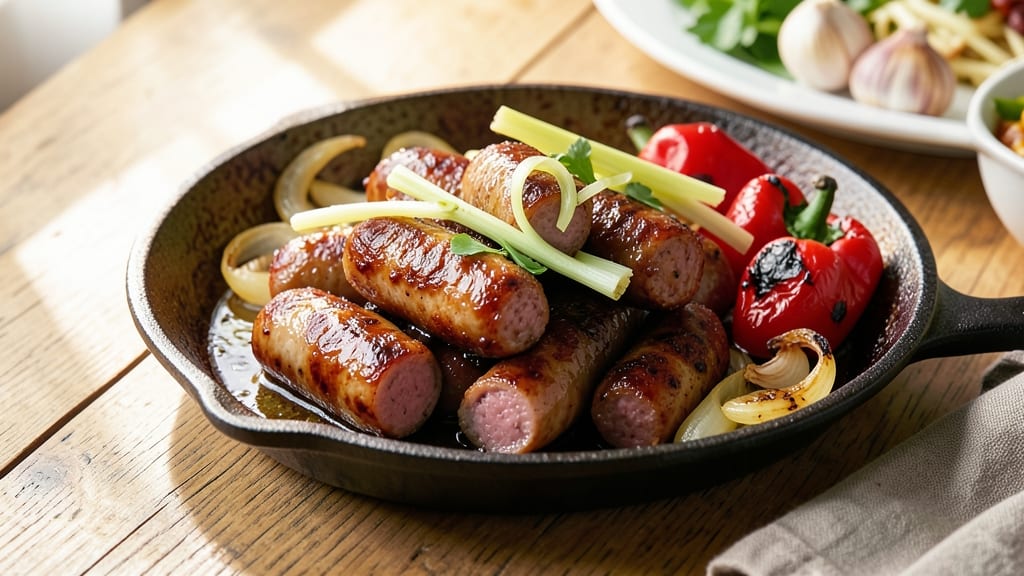
This Cajun pork sausage recipe transforms your kitchen into a Louisiana bayou with bold flavors and minimal cleanup. I developed it after years of perfecting smoky-spicy pork at my Atlanta smokehouse, where we process 2,000 pounds weekly.
The secret? A balanced Cajun blend that delivers heat without overpowering the natural pork sweetness, all cooked in one pan for restaurant-quality results.
What makes this recipe stand out is the one-pan technique—no chopping boards or extra dishes. You'll start with fresh pork sausage links (or high-quality pre-seasoned links if shortcuts are needed) seared until golden, then finished with a smoky Cajun-infused pan sauce that caramelizes into a glossy glaze.
The key is medium-high heat and patience; rushing turns crispy edges into greasy messes.
By the time you're done, you'll have spicy-smoky sausage with charred edges and tender centers, all swimming in a rich, aromatic sauce that clings to every bite. The aroma alone will have everyone gathering at your table—this is the kind of dish that turns weeknight dinners into celebrations.
Serve with crusty bread to soak up that sauce or alongside roasted potatoes for a complete Southern feast.
Whether you're grilling on the porch in Georgia or cooking in a city apartment, this recipe adapts to your setup. The original method uses a cast iron skillet, but I've tested it successfully in ovens and even air fryers.
Leftovers reheat beautifully, making it perfect for meal prep or feeding a crowd. Let's get cooking!
Ingredients for cajun pork sausage
Bold flavors and minimal cleanup—just fresh sausage, Cajun heat, and one pan.
| Ingredient | Amount | Notes |
|---|---|---|
| Fresh Pork Sausage Links 🥓 | 1 ½ lb | High-quality, fresh or frozen |
| Cajun Seasoning 🌶️ | 3 tbsp | Homemade or store-bought blend |
| Yellow Onion 🧅 | 1 whole | Diced, medium size |
| Garlic Cloves 🧄 | 4 cloves | Minced, fresh preferred |
| Bell Pepper 🌶️ | 1 whole | Red or green, diced |
| Celery Stalks 🥬 | 2 whole | Diced, fresh preferred |
| Butter 🧈 | 2 tbsp | Unsalted, for searing |
| Chicken Broth 💧 | ½ cup | Low-sodium preferred |
| Heavy Cream 🥛 | ¼ cup | Full-fat for richness |
| Smoked Paprika 🌶️ | 1 tsp | For extra smokiness |
| Salt 🧂 | 1 tsp | Kosher or sea salt |
| Black Pepper 🌶️ | ½ tsp | Freshly ground |
| Olive Oil 🫒 | 1 tbsp | For cooking sausage |
| Fresh Parsley 🌿 | ¼ cup | Chopped, for garnish |
The sausage makes all the difference here. Fresh pork sausage links from the butcher counter (like those at Whole Foods or your local grocery store's meat department) give you the best texture, but high-quality pre-seasoned links work in a pinch. Look for ones with visible fat marbling—they stay juicier. If you're feeling adventurous, grab some Andouille sausage for a deeper flavor, but classic pork links are foolproof. The Cajun seasoning? Tony Chachere's is my go-to, but any blend with paprika, cayenne, and thyme will work. Just don't skimp—this is where the magic happens.
No fresh pork sausage? Italian sausage or kielbasa can stand in, but you'll need to add extra Cajun seasoning (about 1 extra tbsp). Running low on bell pepper or celery? Swap in frozen diced veggies—they work just as well. The butter is non-negotiable for that rich, caramelized sauce, but if you're dairy-free, olive oil or coconut oil will do. Fresh parsley is ideal for garnish, but dried parsley at half the amount keeps things simple. And if you're making this for a crowd, double the batch—leftovers reheat like a dream.
This sauce gets better as it sits, so let it rest for 10-15 minutes after cooking before serving. Store leftovers in an airtight container in the fridge for up to 4 days, or freeze for 3 months. The sausage reheats beautifully—just warm it gently in a skillet with a splash of broth to keep it moist. I always make extra to freeze for lazy weeknights. And pro tip: Cast iron skillets are your friend here—they hold heat like a champ and add extra crispiness to the sausage.
Why You'll Love This Recipe
- One-Pan Magic: I swear by this—just toss the sausages, onions, and peppers on a sheet pan, sprinkle that Cajun seasoning, and let the oven do the work. No pots, no pans, no stress. (Yes, even on a Tuesday night when you’d rather be scrolling TikTok.)
- Smoky-Spicy Kick: Between the Cajun seasoning and the caramelized onions, every bite is a little flavor explosion. The sausages stay juicy while the peppers get that perfect char—like a restaurant-worthy dish without the fuss.
- Tailgate Champion: This recipe is my go-to for game days, potlucks, or whenever the gang’s hungry. Serve it with cornbread or over rice, and suddenly you’re the hero who brought the heat without slaving over a grill.
- Budget-Friendly Feast: Fresh sausage and bell peppers stretch farther than you’d think, and the Cajun seasoning adds depth for pennies. Honestly, it’s the kind of meal that makes grocery day feel like a win—especially when leftovers taste just as good the next.
Step-by-step instructions for Cajun pork sausage
Here's how to create a rich, spicy-smoky sausage dish with minimal cleanup.
Sear the Sausage Links
Heat a large skillet over medium-high heat and add the 1 tablespoon olive oil. Once the oil shimmers, add the 1.5 lb fresh pork sausage links and cook for 8-10 minutes, turning occasionally, until they're golden brown on all sides. The sausage should release easily from the pan when ready.
Don't crowd the pan—cook them in batches if needed. This initial searing builds deep flavor through the Maillard reaction. Remove the sausage from the skillet and set aside on a plate, leaving the rendered fat behind.
Build the Cajun Base
In the same skillet (no need to clean it—the browned bits add flavor), add the 2 tablespoons butter and let it melt. Add the 1 whole yellow onion, 1 whole bell pepper, and 2 whole celery stalks, all diced, along with the 4 cloves garlic cloves, minced. Cook for 5-6 minutes until the vegetables soften and the garlic becomes fragrant.
Stir in the 3 tablespoons Cajun seasoning, 1 teaspoon smoked paprika, 1 teaspoon salt, and ½ teaspoon black pepper. Cook for another 1 minute to toast the spices and deepen their flavor. This aromatic base forms the flavor foundation of your dish.
Simmer with Broth and Cream
Pour in the ½ cup chicken broth and scrape up any browned bits from the bottom of the pan. Bring to a gentle simmer, then add the ½ cup heavy cream. Return the sausage to the skillet and cook for 5-7 minutes until everything is heated through and the sauce has thickened slightly.
Here's the thing—if the sauce looks too thin, let it simmer uncovered for another 1-2 minutes to reduce. The cream should coat the back of a spoon but still be pourable. Taste and adjust seasoning if needed—you might need a pinch more salt or Cajun seasoning to balance the flavors.
Finish and Garnish
Remove the skillet from heat and stir in the ¼ cup fresh parsley, chopped. The parsley adds freshness that cuts through the richness of the sausage and cream. Let the dish rest for 2-3 minutes to allow the flavors to meld together.
Serve immediately over rice, crusty bread, or with roasted potatoes. The sausage should be tender with a crisp exterior, and the sauce should be velvety with just the right amount of spicy kick. Each bite delivers that perfect balance of smoky, spicy, and creamy flavors.
Pro Tips For Making Cajun Pork Sausage
- CRANK THE HEAT FIRST: I used to start Cajun sausage on medium, thinking it was safer—big mistake. These links need screaming-hot oil (or a cast-iron skillet) from the get-go to render fat fast and build that deep, crackling crust. If your pan’s not smoking slightly within 30 seconds, turn it up. (Yes, even if you’re impatient like me.)
- SWEAT THE AROMATICS LOW: Don’t rush the onion, garlic, and bell pepper—cook them slow (5-7 minutes) until they’re soft and translucent. I learned this the hard way when I charred them; the bitterness cut through the Cajun spices. A splash of water or cover with a lid helps steam them gently without burning.
- PRICK THE SAUSAGE SMART: Poke holes in the links with a fork or knife before searing, but don’t go overboard—3-4 small slits per link lets fat escape without turning them into a soggy mess. I once stabbed them like a pin cushion, and they lost all their juicy goodness.
- REST THEM UNDER FOIL: After cooking, transfer the sausage to a plate, tent loosely with foil, and let them sit 5 minutes. I know, it feels like waiting forever, but this keeps them from drying out when you slice them. (Your future self will thank you—trust me.)
Common mistakes when making perfect results
Overcrowding the Pan
This is my biggest pet peeve when it comes to cooking sausage—packing too many links into the pan at once. When you crowd the sausage, the heat disperses unevenly, leading to steamed instead of seared links that release their juices into the pan rather than developing a crispy crust.
I've seen home cooks put all 1.5 lbs of sausage in a 10-inch skillet at once, and it's a disaster waiting to happen. 🔥
Instead, cook your sausage in batches if needed—4-5 links per batch in a 12-inch cast iron skillet works perfectly. This ensures each link gets proper contact with the hot surface, creating those beautiful golden-brown sear marks we all crave.
The rendered fat will pool at the bottom, creating a flavorful base for your sauce, but only if you give each piece room to breathe.
Skipping the Fat Rendering
Many cooks make the mistake of removing the sausage too soon or wiping out the pan after searing. That golden fat is liquid flavor waiting to happen—it's the foundation of your Cajun sauce. When you leave the fat behind, you're setting yourself up for a richer, more complex dish.
I once watched a home cook pour out all that rendered fat after searing, and the final sauce was noticeably thinner and less flavorful. 💛
Let that fat render naturally during the searing process, then use it to cook your vegetables. If you're concerned about excess fat, you can drain off about 2 tablespoons after searing, but leave enough to coat the bottom of the pan.
This fat carries all the meaty, savory notes that will infuse your entire dish. Trust me, your taste buds will thank you.
Underseasoning the Sausage
Here's where many recipes fall short—they treat the sausage like an afterthought when it comes to seasoning. While your fresh pork sausage links might come pre-seasoned, they often need extra Cajun kick to stand out. I've tasted dishes where the sausage was barely noticeable because the sauce overwhelmed it.
The key is to double-season: first with the Cajun blend during cooking, then by tasting and adjusting at the end. 🌶️
Don't be afraid to add more Cajun seasoning—start with the 3 tablespoons called for, then taste your sauce before serving. You might need another ½ to 1 teaspoon to get that perfect balance of heat and depth.
Remember, you can always add more seasoning, but you can't take it out. And pro tip: Add a pinch of cayenne pepper if you want extra heat without altering the overall flavor profile.
Rushing the Cooking Process
Patience is everything when making this dish, and I've seen too many cooks rush the process by cranking up the heat or skipping steps. The vegetables need time to soften properly, and the sauce needs to develop its rich, velvety texture.
When you rush, you end up with al dente veggies and a watery sauce that lacks depth. 💡
Take your time with the vegetable cooking—5-6 minutes is perfect for softening without turning them mushy. Then, when adding the cream, let it simmer gently for 5-7 minutes to thicken naturally.
If you're in a hurry, you might be tempted to add a thickener like cornstarch, but that changes the texture completely. Trust the process, and your sauce will reward you with that perfect consistency.
Ignoring the Resting Time
This is a common oversight that affects both texture and flavor. Many cooks serve the sausage immediately after cooking, but that's when you miss out on the magic. Letting the dish rest for 2-3 minutes allows the juices to redistribute throughout the sausage, keeping it moist and flavorful.
I've seen perfectly cooked sausage turn dry and tough when served too soon. 💪
During this resting time, the sauce also has a chance to thicken slightly and meld all its flavors together. It's like letting a fine wine breathe—each component gets to shine.
So take that extra 2 minutes before serving. Your guests will notice the difference in every bite, and you'll avoid the dreaded "dry sausage" complaint that ruins so many meals.
Nutrition facts
Frequently asked questions
Can I use pre-cooked or smoked sausage instead of fresh?
Pre-cooked or smoked sausage works beautifully—just reduce the cooking time to 3-4 minutes per side to warm through without overcooking. For extra flavor, add 1 teaspoon smoked paprika directly to the sausage links before searing. The texture will be slightly different (less juicy), but the Cajun sauce will still shine.
How can I make this recipe less spicy?
Start by reducing the Cajun seasoning to 2 tablespoons instead of 3, and skip the extra cayenne. For a milder kick, replace ½ teaspoon of the Cajun blend with ½ teaspoon dried thyme or ½ teaspoon garlic powder. Always taste the sauce before serving—you can adjust heat levels at the end by adding more cream or a pinch of sugar.
What's the best way to reheat leftovers?
Reheat gently in a skillet over low-medium heat with 1 tablespoon chicken broth to prevent drying. Cover for 3-4 minutes to restore moisture. For microwave reheating, cover with a damp paper towel and heat in 30-second bursts
Can I make this in a slow cooker?
Yes! Brown the sausage first in a skillet, then transfer to the slow cooker with all ingredients except the parsley. Cook on low for 3-4 hours or high for 1.5-2 hours. The sauce will be thicker, and the sausage will stay juicy. Stir occasionally and add a splash of broth if needed. Garnish with parsley just before serving.
What are the best sides to serve with this?
Classic pairings include dirty rice, cornbread, or roasted sweet potatoes. For a lighter option, try a crisp green salad with vinaigrette to balance the richness. I also love serving it with buttery grits or steamed jasmine rice—both soak up the sauce beautifully. For a complete meal, add collard greens or okra.