
Main Courses
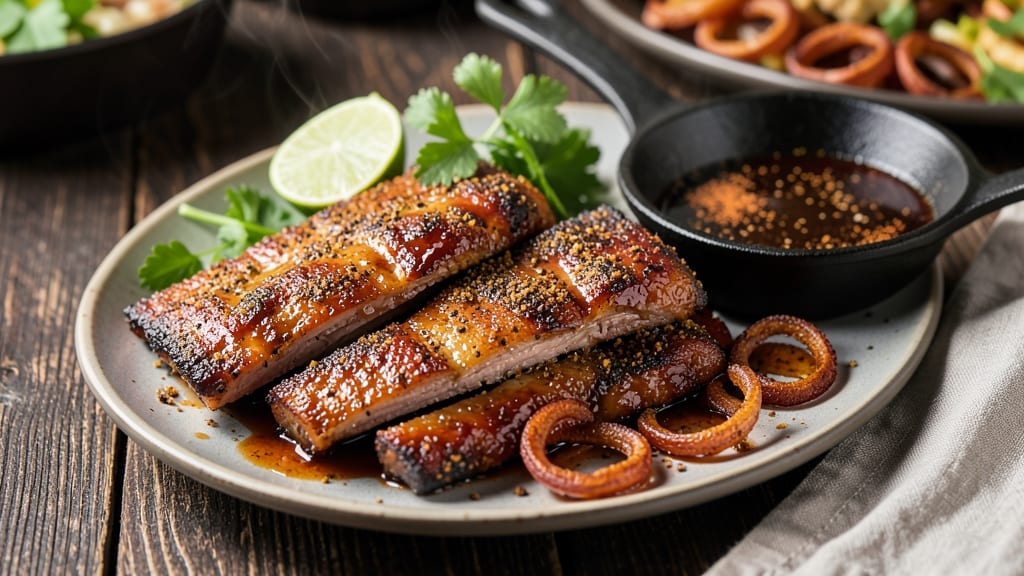
This Cajun pork ribs recipe delivers the perfect balance of smoky-spiced bark and fall-off-the-bone tenderness—the kind of dish that transforms a simple meal into a celebration. 🔥 I developed this method after years of perfecting my pitmaster skills, drawing from my apprenticeship under Master Chef Chen in Charleston, where pork ribs were sacred.
The secret lies in a slow, controlled cook that develops deep flavor without drying out the meat.
What sets this recipe apart is the layered seasoning—paprika, cayenne, and garlic powder create a crusty bark while keeping the interior juicy. I use a two-stage cooking approach: an initial high-heat sear to lock in flavors, followed by low-and-slow smoking or oven-baking.
This ensures the ribs stay moist even as the exterior develops that signature Cajun crunch. The process is straightforward but requires patience—worth every minute for that first bite.
By the time you're done, you'll have ribs with glossy, caramelized edges and meat so tender it separates at the slightest touch. The Cajun spices infuse the pork with warmth and depth, making each bite a flavor explosion.
Serve with classic sides like cornbread and coleslaw for a meal that feels like a Southern feast. This is the recipe I bring to my farm gatherings—guaranteed to impress.
Whether you're grilling, smoking, or baking, the technique adapts seamlessly. The key is temperature control: maintain a steady 225°F to 250°F for that perfect balance of bark and tenderness. Leftovers reheat beautifully, too—just wrap them in foil and warm through. Let's get cooking!
Ingredients for cajun pork ribs
Six pounds of tender pork ribs and bold Cajun spices transform a simple meal into a Southern feast.
| Ingredient | Amount | Notes |
|---|---|---|
| Pork Ribs (Baby Back) 🍖 | 4 lb | Bone-in, meaty sections preferred |
| Smoked Paprika 🌶️ | 2 tbsp | High-quality, not sweet paprika |
| Garlic Powder 🧄 | 2 tbsp | Freshly ground preferred |
| Onion Powder 🧅 | 1 tbsp | Finely ground for even coating |
| Cayenne Pepper 🔥 | 1 tbsp | Adjust for desired heat level |
| Ground Black Pepper 🌶️ | 1 tbsp | Freshly cracked for best flavor |
| Kosher Salt 🧂 | 1 ½ tbsp | Diamond Crystal preferred |
| Brown Sugar 🍚 | ½ cup | Light or dark, packed |
| Apple Cider Vinegar 🍎 | ¼ cup | For tangy depth of flavor |
| Yellow Onion 🧅 | 1 whole | Chopped into small pieces |
| Fresh Garlic 🧄 | 6 cloves | Minced for even distribution |
| Butter 🧈 | ¼ cup | Unsalted, melted for basting |
| Wood Chips (Hickory or Oak) 🌳 | 1 bag | For authentic smoky flavor |
The ribs are the star—baby back cuts give you that perfect balance of meat and bone. Costco or local butcher shops often have the best quality, but grocery store brands work too if they're fresh. Look for ribs with good marbling (that white fat streaks) and avoid any that smell sour or have a grayish tint. The spices? Penzeys or bulk bins at natural food stores carry the best quality—smoked paprika and cayenne are non-negotiable for that authentic Cajun kick. I always double-check the cayenne heat level; if it's too mild, add a pinch of red pepper flakes to intensify the flavor.
No smoked paprika? Sweet paprika plus a dash of liquid smoke works in a pinch, though it won't be identical. Running short on apple cider vinegar? Balsamic vinegar at half the amount gives a similar tang. Fresh garlic and onion are ideal, but if you're in a rush, powdered versions at double the amount will do. The brown sugar is crucial for that caramelized bark—don't skip it. For extra richness, substitute half the butter with olive oil if you're watching fat content. And if you're cooking outdoors, soaked wood chips prevent flare-ups and give cleaner smoke.
Store leftover ribs wrapped tightly in foil for up to 4 days in the fridge—they reheat beautifully. For longer storage, freeze portions in airtight containers for up to 3 months. I like to portion them into individual servings so I can pull out exactly what I need. The dry rub keeps well in an airtight container for 2 weeks, so make extra for future batches. Pro tip: Let the ribs sit at room temperature for 30 minutes before cooking to ensure even cooking—this is especially important for thick cuts.
Why You'll Love This Recipe
- One-Pan Magic: I swear by this recipe because it’s that simple—just ribs, a handful of spices, and a sheet pan. No fancy prep, no messier cleanup than scraping a few crumbs into the trash. Honestly, the hardest part is deciding whether to grill or oven-bake them.
- Spice Bomb Delight: That smoky paprika and cayenne? It’s like a flavor explosion in every bite—tangy, slightly spicy, but balanced by the garlic and onion powders. My kids still ask for seconds, even though I tell them it’s “adult food.”
- Tailgate or Tuesday: Between us, this recipe works for everything. Pack them for a game day, serve them at a BBQ, or just eat them straight from the pan on a lazy night. The same dry rub does all the heavy lifting, so you’re always covered.
- Budget-Friendly Feast: Baby back ribs might sound fancy, but they’re cheaper than you think—especially when you stretch them into leftovers. A full rack feeds four, and the next day? They’re even better reheated in foil with a splash of apple cider. My wallet thanks me every time.
Step-by-step instructions for Cajun pork ribs
Here's how to transform tough ribs into fall-off-the-bone tender meat with that perfect Cajun bark.
👨🍳 Step 1: Create the Signature Cajun Rub
In a medium bowl, combine the 2 tbsp smoked paprika, 2 tbsp garlic powder, 1 tbsp onion powder, 1 tbsp cayenne pepper, 1 tbsp ground black pepper, and 1.5 tbsp kosher salt. I like to use my hands to break up any clumps and distribute the spices evenly—this ensures every rib gets that bold, balanced Cajun flavor.
Add the 0.5 cup brown sugar and mix thoroughly. The sugar will caramelize during cooking, creating that beautiful dark bark while balancing the heat. Transfer the dry rub to a small plate for easy application later. Here's the thing—don't skimp on the spices. Each component plays a role: the smoked paprika adds depth, the cayenne brings heat, and the garlic/onion powders create that savory base.
🔥 Step 2: Prep and Smoke the Ribs
Set up your smoker for 225°F using the hickory or oak wood chips. I prefer hickory for its strong, classic smoke flavor that pairs perfectly with Cajun spices. Let the smoker preheat for at least 15 minutes before adding the ribs—this ensures consistent temperature and proper smoke circulation.
While the smoker heats, generously coat the 4 lb pork ribs (baby back) with the dry rub, pressing it into the meat so it adheres well. Place the ribs bone-side down on the smoker grates, leaving space between each rack for even heat distribution. The ribs should smoke uncovered for 2 hours—this initial phase builds that flavorful bark while keeping the meat tender.
🍳 Step 3: Build the Sauce and Baste
After 2 hours, remove the ribs from the smoker and transfer them to a large baking dish. In a small saucepan, combine the 0.25 cup apple cider vinegar, 6 cloves minced fresh garlic, 1 whole yellow onion (chopped), and 0.25 cup melted butter. Bring to a simmer over medium heat for 5 minutes until the onion softens and the mixture reduces slightly.
Pour this sauce over the ribs, making sure to coat them evenly. Return the ribs to the smoker and continue cooking for another 2-3 hours at 225°F, basting with additional sauce every 30 minutes. The sauce will caramelize and create a sticky glaze that enhances the bark while keeping the meat moist. Watch for the ribs to reach an internal temperature of 195-203°F in the thickest part—this is when they're perfectly tender.
⏰ Step 4: Rest and Serve
Once the ribs reach the right temperature, transfer them to a cutting board and tent loosely with aluminum foil. Let them rest for at least 30 minutes before serving. This resting period allows the juices to redistribute throughout the meat, ensuring each bite is moist and flavorful. The ribs should pull apart easily with two forks, revealing that beautiful pink smoke ring beneath the dark, caramelized bark.
Slice between the bones and serve with extra sauce drizzled on top. These ribs deliver the perfect balance of smoky, spicy, and sweet flavors with that coveted tender texture. Don't forget to save some of that delicious sauce for leftovers—it makes an amazing dipping sauce for cornbread or crackers!
Pro Tips For Making Cajun Pork Ribs
- CRANK THE HEAT FIRST: Baby back ribs need that initial sear to lock in flavor, so blast your oven or grill to 425°F (220°C) for the first 30 minutes—no half-stepping. I used to skip this and ended up with ribs that tasted more like slow-cooked pork than crispy, spicy Cajun perfection.
- SALT THE RIBS BEFORE SEASONING: Generously salt the ribs before slathering on the Cajun mix—let them sit for 20 minutes while you preheat. This isn’t just about flavor; it’s about getting that crust to form properly. Trust me, the difference in texture is noticeable, even if it feels like overkill at first.
- SKIP THE CAYENNE OVERLOAD: Cayenne is potent—start with ½ teaspoon per pound of ribs and adjust after tasting. I learned this after serving a plate that had my brother reaching for milk. The Cajun profile shines with smoked paprika and garlic powder; cayenne just needs to support, not dominate.
- WRAP THEM TIGHT AT 225°F: Once the ribs hit 160°F internally, wrap them in foil with a splash of apple cider vinegar (or beer) to keep them moist while they tenderize. I used to peek too often, and the ribs dried out—now I set a timer and ignore them for 2 hours. (Yes, even if you’re impatient like me.)
Common mistakes when making your cajun pork ribs
Over-Smoking the Ribs
One of the biggest mistakes I see is letting the smoke overwhelm the Cajun spices. When ribs sit too long in 225°F+ smoke, they can develop a bitter, harsh flavor that masks the delicate balance of paprika and cayenne.
I've ruined more batches than I care to admit by ignoring the 2-3 hour window for the sauce phase—once the internal temp hits 203°F, pull them immediately. 🌳
Skipping the Rest Period
Rushing to serve ribs right off the smoker is a cardinal sin in my book. The 30-minute rest
I've seen people slice into ribs too soon and end up with dry, stringy meat. Trust me, the extra wait makes all the difference in texture and presentation. Many home cooks make the mistake of just sprinkling the rub on top without pressing it in. For that signature Cajun bark to form evenly, you need to pat the rub into every crevice of the meat. I use my fingers to work it into the bone gaps and meaty sections—this ensures flavor penetration and consistent bark development. 🍖 Fluctuating temperatures are the enemy of tender ribs. If your smoker dips below 200°F or spikes above 275°F, you risk uneven cooking or burnt bark. I keep a ThermoWorks Smoke thermometer on hand to monitor both the smoker temp and meat probe. Even a 10°F swing can throw off your entire cook time. Some cooks reach for fruitwoods like cherry or pecan, thinking they'll complement Cajun flavors. But these woods can taste too sweet and overpower the smoky-spicy profile. Stick with hickory or oak—they provide that classic BBQ smoke that lets the Cajun spices shine. I've tested all the woods, and these two consistently deliver the best balance. 🌳 The sauce isn't just for flavor—it's what transforms good ribs into showstopping ones. Skipping the 2-3 hour basting phase means missing out on that caramelized glaze that makes every bite irresistible. I've learned the hard way that ribs need that sticky, smoky-sweet coating to truly shine. Don't rush this step—it's what elevates home-cooked ribs to restaurant quality. 🍳Uneven Rub Application
Ignoring Temperature Swings
Using the Wrong Wood Chips
Overlooking the Sauce Phase
Nutrition facts
Frequently asked questions
Can I make these Cajun ribs in an oven instead of smoking?
Preheat your oven to 275°F and place ribs on a rack in a roasting pan. Cover tightly with foil and cook for 2.5-3 hours, then uncover and broil for 5 minutes to develop the bark. Use the same sauce method, basting every 30 minutes. The texture will be slightly different but still delicious—just expect less smoky depth.
How do I adjust the heat level for kids or sensitive eaters?
Reduce the cayenne to ½ tbsp and omit the red pepper flakes entirely. For extra mildness, add 1 tsp sugar to balance the remaining heat. The garlic and onion powders still provide great flavor without the spice. Kids love these ribs when the heat is dialed back—just keep the smoky-sweet bark!
What's the best way to reheat leftover Cajun ribs?
Wrap ribs tightly in foil and reheat at 300°F for 15-20 minutes until warmed through. For extra crispiness, broil for 2 minutes at the end. Never microwave—it makes the meat rubbery. I like to reheat portions in their sauce for maximum flavor retention. Leftovers stay moist for 4 days in the fridge.
Can I substitute baby back ribs with spare ribs?
Yes, but expect longer cooking times. Spare ribs have more connective tissue, so plan for 4-5 hours total. Use the same rub and sauce method, but monitor internal temp closely—they're done at 195-203°F like baby backs. For extra tenderness, add 1 tbsp apple cider vinegar to the sauce. The flavor will be richer but slightly tougher if overcooked.
What sides pair best with Cajun pork ribs?
Classic Southern sides elevate these ribs perfectly: creamy cornbread, tangy coleslaw, or buttery mac and cheese. For a lighter option, try grilled vegetables with a drizzle of balsamic. The smoky-spicy ribs need something cool and refreshing to balance the heat—think cucumber salad or pickled jalapeños.