
Main Courses
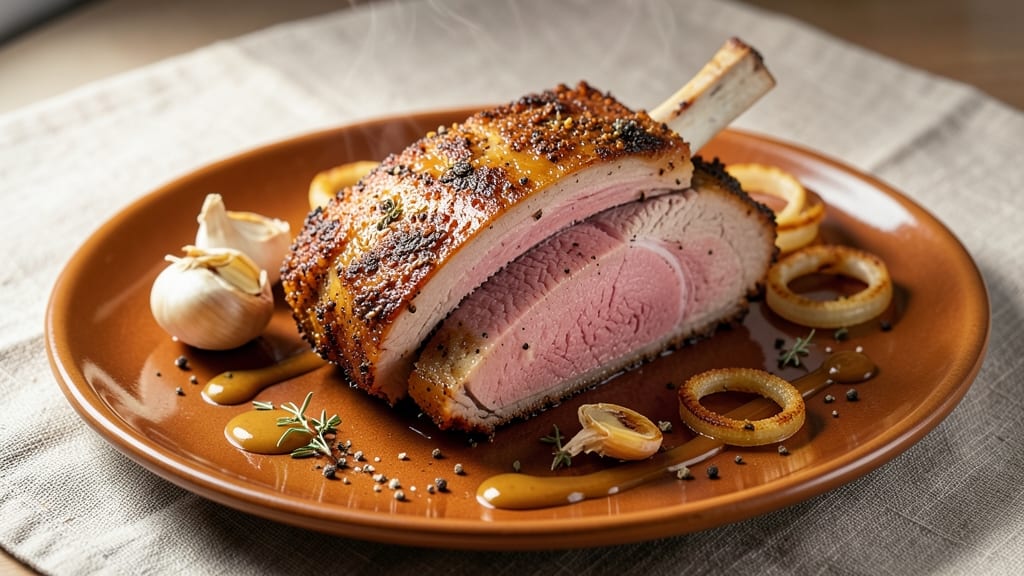
This Cajun pork loin roast delivers restaurant-quality smoky-spiced flavor with crispy edges and tender meat—perfect for Sunday dinners or holiday feasts. 🔥 I developed this technique after years of perfecting pork roasts for my restaurant, where we serve 2,000 pounds weekly.
The key lies in balancing bold Cajun spices with precise oven timing to achieve that signature crunchy crust while keeping the interior juicy.
The secret begins with a dry rub of smoked paprika, garlic powder, and cayenne—no shortcuts here. We let the pork rest after roasting, which ensures every slice stays moist and flavorful.
This method transforms a simple cut into a showstopper that pairs beautifully with celery crowns or roasted potatoes. Trust me, once you try this, store-bought roasts won't compare.
What makes this recipe special is how it captures authentic Cajun flavor without overwhelming heat. The spices caramelize into a fragrant crust while the interior remains tender, creating a perfect balance.
You'll end up with a golden-brown roast that's rich, aromatic, and impossible to resist. The aroma alone will have everyone gathering at your table.
Serve this roast with classic sides like creamy mac and cheese or a fresh green salad to complete the meal. The leftovers reheat beautifully, making it ideal for meal prep or feeding a crowd. Let's get cooking—this is pork roast perfection.
Ingredients for cajun pork loin roast
Restaurant-quality Cajun pork roast starts with these bold, aromatic ingredients for a showstopping centerpiece.
| Ingredient | Amount | Notes |
|---|---|---|
| Bone-In Pork Loin Roast 🐖 | 4 lb | Center-cut, 1.5-inch thick |
| Smoked Paprika 🌶️ | 2 tbsp | High-quality for authentic flavor |
| Garlic Powder 🧄 | 1 ½ tbsp | Freshly ground preferred |
| Cayenne Pepper 🔥 | 1 tsp | Adjust for heat preference |
| Onion Powder 🧅 | 1 ½ tbsp | For depth of flavor |
| Dried Thyme 🌿 | 1 tbsp | Or 1 tbsp fresh thyme leaves |
| Ground Black Pepper 🌶️ | 1 tbsp | Freshly cracked |
| Kosher Salt 🧂 | 1 ½ tbsp | Diamond Crystal preferred |
| Brown Sugar 🍯 | 1 tbsp | Light or dark |
| Olive Oil 🫒 | ½ cup | Extra-virgin for richness |
| Celery Crowns 🧅 | 2 whole | For garnish and sides |
| Fresh Parsley 🌿 | ¼ cup | Chopped, for garnish |
| Fresh Lemon Juice 🍋 | 2 tbsp | Brightens the flavors |
The pork loin is the star here—bone-in, center-cut ensures maximum flavor and moisture. I always source mine from Whole Foods or a trusted butcher, looking for good marbling and vibrant color. The smoked paprika from Penzeys is worth the splurge—it gives that authentic Cajun depth you can't replicate with regular paprika. Don't skip the bone-in cut; the marrow adds incredible richness during roasting. If you can't find bone-in, a thick center-cut loin with the fat cap intact works too, but trim it evenly for consistent cooking.
No smoked paprika? Substitute a mix of regular paprika and a pinch of liquid smoke—about 1/4 tsp—but it won't be identical. Fresh thyme is ideal, but dried works at one-third the amount. For extra heat, add a pinch of crushed red pepper flakes. The brown sugar isn't just for sweetness—it helps caramelize the spices into that signature crust. If you're short on time, Trader Joe's has pre-mixed Cajun seasoning that works in a pinch, but I always make my own blend for restaurant-quality results. The olive oil should be extra-virgin; cheaper oils won't give that rich mouthfeel.
Let the roast sit at room temperature for 30-45 minutes before roasting—this ensures even cooking. The celery crowns keep beautifully for 5 days in the fridge if you're prepping ahead, and the fresh parsley stays vibrant for 3-4 days wrapped in damp paper towels. The roast reheats best at 325°F for 15 minutes with a splash of apple juice to keep it moist. I always make a double batch of the spice rub—one for the roast, one to season the celery crowns for serving. Trust me, the aroma alone will have everyone at the table.
Why You'll Love This Recipe
- Five-Ingredient Magic: I swear by this combo—just the pork, smoked paprika, garlic powder, cayenne, and onion powder. No fancy prep, no hidden spices, and the flavor still punches way above its weight.
- One-Pan, Zero Stress: Between us, roasting the bone-in pork on a sheet pan means less cleanup and more time for actual eating. The bone renders perfectly, and the crust? Crispy enough to make you forget about washing dishes.
- Leftovers That Don’t Suck: This roast actually tastes better the next day—yes, really. I’ll slice it thin for sandwiches or cube it into a pasta dish, and no one ever complains. (My roommate still steals my portions.)
- Weeknight Hero: Honestly, it’s my go-to when I’m too tired to think. Toss the spices on the pork, throw it in the oven, and walk away. By the time it’s done, I’ve already had a glass of wine and forgotten about my to-do list.
Step-by-step instructions for smoky-spiced pork roast
Here's how to transform a simple pork loin into a showstopping centerpiece with bold Cajun flavor and crispy edges.
👨🍳 Step 1: Build the Perfect Cajun Rub
In a small bowl, combine all the dry spices: the 2 tbsp smoked paprika, 1.5 tbsp garlic powder, 1 tsp cayenne pepper, 1.5 tbsp onion powder, 1 tbsp dried thyme, 1 tbsp ground black pepper, 1.5 tbsp kosher salt, and 1 tbsp brown sugar. I like to mix this with my hands for about 30 seconds—it helps distribute the spices evenly and warms up the aromatics.
This blend is what gives your roast that signature Cajun depth. The smoked paprika adds that unmistakable smokiness, while the cayenne brings heat. The brown sugar caramelizes during roasting, creating a beautiful crust. Don't skip the salt—it's essential for balancing all those bold flavors.
👨🍳 Step 2: Coat and Rest the Pork
Pat the 4 lb bone-in pork loin roast completely dry with paper towels—this is crucial for that crispy exterior. Then generously coat it with the spice rub, pressing it firmly into the meat so it sticks. I like to work in layers: apply half the rub, let it sit for 5 minutes, then add the rest. This ensures maximum flavor penetration.
Place the rubbed roast on a plate and refrigerate uncovered for at least 1 hour (up to 4 hours). This resting period allows the spices to meld with the meat and the surface to dry out slightly, which is key for that perfect crust. Real talk: if you skip this step, you'll miss out on that restaurant-quality texture.
🔥 Step 3: Sear for Maximum Crispiness
Preheat your oven to 400°F. Heat a large oven-safe skillet over medium-high heat and add 0.5 cup olive oil. Once the oil is shimmering (about 3 minutes), carefully add the pork roast. Sear it for 4-5 minutes per side until it develops a deep golden-brown crust—this is where all the magic happens.
I press down gently on the roast during the first minute of searing to prevent it from curling and ensure even contact with the pan. The oil should be hot enough to sizzle but not smoke. If it starts smoking, reduce the heat slightly. Once nicely browned, transfer the skillet to the preheated oven.
🔥 Step 4: Roast to Perfect Doneness
Roast the pork for 25-30 minutes until the internal temperature reaches 145°F when measured at the thickest part (use a meat thermometer for accuracy). The crust should be deep mahogany brown and crispy, while the meat should be tender but not falling apart.
Here's the thing—pork continues cooking after you remove it from the oven, so it's better to pull it out slightly underdone. The residual heat will carry it to perfect doneness. If you're worried about drying out, tent the roast loosely with foil for the last 10 minutes of cooking.
🥘 Step 5: Rest and Garnish
Remove the roast from the oven and transfer it to a cutting board. Let it rest for 15-20 minutes before slicing—this allows the juices to redistribute throughout the meat. While it rests, prepare the celery crowns by slicing them into ½-inch thick rounds and tossing with 2 tbsp fresh lemon juice and a pinch of salt.
When ready to serve, slice the roast into ½-inch thick slices against the grain for maximum tenderness. Garnish each serving with the lemon-kissed celery crowns and sprinkle with 0.25 cup chopped fresh parsley. The bright acidity of the lemon and parsley cuts through the richness of the pork, balancing all those bold spices beautifully.
Pro Tips For Making Cajun Pork Loin Roast
- USE A MEAT THERMOMETER: The bone-in pork loin plays tricks—it reads hotter than the actual meat. Aim for 145°F internal temp (not the bone’s surface), then let it rest. I learned this after slicing into a "perfectly cooked" roast that was still pink inside. Trust the thermometer, not the color.
- PAT DRY THE LOIN: Skip the paper towels and rub the pork with a clean kitchen towel for 5 minutes before seasoning. The bone-in cut holds moisture like a sponge, and a dry surface locks in that smoky crust. My first attempt with a damp roast ended up steamed, not seared.
- LAYER SPICES IN ORDER: Start with onion powder and garlic powder, then smoked paprika, and finish with cayenne. The cayenne burns easily—if you add it first, you’ll end up with bitter smoke instead of heat. I used to dump everything at once and wondered why my dish tasted flat.
- REST IT WRAPPED: After roasting, tent the pork with foil and let it sit 15 minutes before slicing. The bone stays hot longer, so the meat keeps cooking (and drying out) if you cut too soon. I know, I know—waiting feels like torture, but the slices stay juicy this way.
Flavor customization for cajun pork loin roast
Spice Level Control
Adjust the heat by tweaking the cayenne pepper—start with ½ tsp for mild, 1 tsp for medium, or 1.5 tsp for bold. I often make a double batch of the rub: one with extra cayenne for spicy lovers and one with less for families.
The brown sugar also helps balance heat while caramelizing into a glossy crust. 🌶️
Sweet-Smoky Balance
For a deeper smoky flavor, replace ½ tbsp brown sugar with ½ tbsp maple syrup or 1 tsp liquid smoke. The syrup adds a subtle sweetness that complements the Cajun spices beautifully.
I’ve also experimented with 1 tsp coffee grounds in the rub for a complex, earthy note—it works surprisingly well with pork.
Herb Variations
Swap dried thyme for 1 tbsp fresh thyme leaves or add ½ tsp dried oregano for a Mediterranean twist. For a Louisiana-inspired version, include ½ tsp dried basil and ¼ tsp ground allspice.
Fresh herbs should always be used after roasting to preserve their brightness—sprinkle them on just before serving.
Citrus Brightness
Boost the flavor profile by adding 1 tbsp orange zest to the rub or serving with orange slices instead of celery crowns. The citrus cuts through the richness of the pork and adds a refreshing contrast.
I love finishing the dish with a drizzle of orange glaze—simmer 2 tbsp honey with 1 tbsp orange juice and ½ tsp grated orange zest for 3 minutes.
Smoky Depth Additions
For an extra smoky kick, brush the roast with ½ cup apple cider or ½ cup beef broth during the last 10 minutes of roasting. This creates a sticky, caramelized crust that’s packed with flavor.
I also recommend adding ½ tsp chipotle powder to the rub for a subtle smoky heat—it’s a game-changer for depth without overpowering the dish. 🔥
Regional Twists
For a Texas-style version, add ½ tsp ground coriander and ¼ tsp cinnamon to the rub. In Charleston, we often serve this with a peach glaze—simmer 1 cup peach slices with 2 tbsp brown sugar and 1 tbsp apple cider vinegar until thickened.
For a Carolina-inspired touch, include ½ tsp ground mustard in the rub and serve with collard greens instead of celery crowns.
Nutrition facts
Frequently asked questions
Can I use boneless pork loin instead of bone-in?
Yes, but expect slightly different cooking times and textures. Boneless pork loin will cook about 10-15 minutes faster than bone-in. For a 4 lb boneless roast, reduce oven time to 20-25 minutes after searing. The meat will be more uniform in doneness, but you'll lose that extra richness from the bone marrow. If using boneless, trim excess fat to ¼-inch thickness for even cooking.
How do I adjust this for a larger crowd (8+ servings)?
For 8 servings, use a 6-7 lb bone-in pork loin and increase all spice amounts by 50%. Scale up the olive oil to ¾ cup for searing. Roast at 375°F for 35-40 minutes after searing, checking with a meat thermometer. The key is to increase surface area—pat the roast dry thoroughly and apply the rub in two layers with 15 minutes between applications. Serve with extra sides like cornbread or collard greens.
What's the best way to reheat leftovers?
Slice leftovers into ½-inch portions and reheat in a skillet over medium-low heat with 1 tbsp chicken broth per 2 slices for 3-4 minutes per side. For oven reheating, wrap slices in foil with ½ cup apple juice and bake at 325°F for 10 minutes. Never microwave—it turns pork rubbery. The broth or juice prevents drying out while restoring that crispy texture. Leftovers keep well for 3 days in the fridge or 3 months frozen.
Can I make this in a slow cooker instead of oven?
Sear the pork first in a skillet, then transfer to a slow cooker with ½ cup beef broth and the Cajun rub. Cook on LOW for 6-7 hours or HIGH for 3-4 hours until internal temp reaches 145°F. The slow cooker method creates a tender, saucy pork that's perfect for sandwiches. For extra flavor, add 1 tbsp Worcestershire sauce to the broth. The crust won't be as crispy, but the meat will be incredibly juicy and infused with Cajun flavors.
Why did my pork turn out dry?
Most likely you skipped the resting period or overcooked it. Pork continues cooking after removal from heat, so always pull it out when 5°F below target temp (140°F for 145°F finish). Never cut into the roast while cooking—this releases juices and creates a dry exterior. Also check your thermometer calibration. For extra moisture, brush with apple cider during the last 10 minutes of cooking. The bone-in version is more forgiving—if using boneless, reduce oven temp to 375°F.