
Main Courses
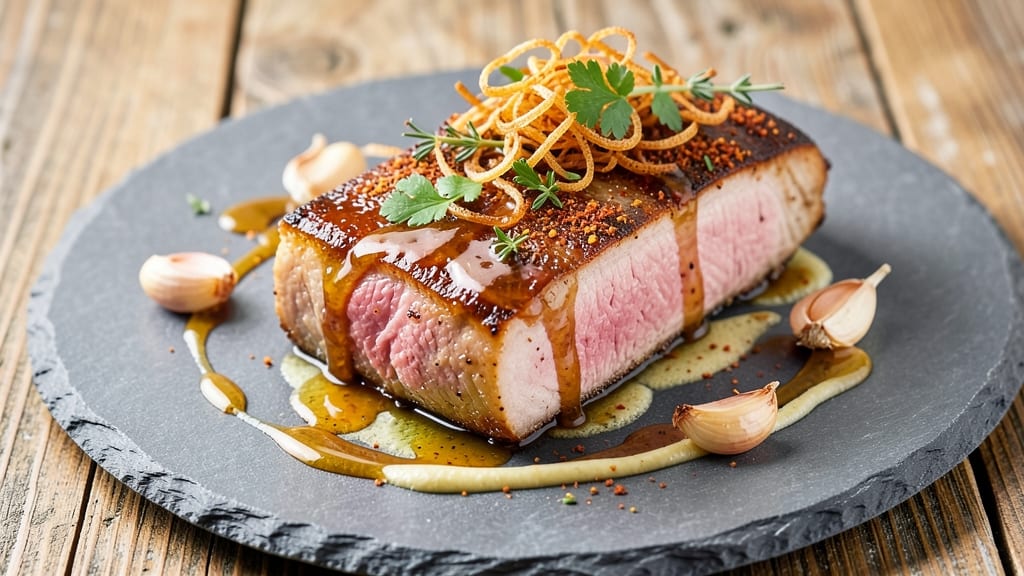
This Cajun honey pork tenderloin recipe delivers the perfect balance of smoky heat and sweet caramelization—just like my granddaddy used to make on Sunday afternoons. 🔥 The secret lies in marinating the pork with bold Cajun spices while letting the honey glaze work its magic during cooking, creating a crust that's both crisp and tender underneath. I've perfected this technique over years of cooking for crowds at The Smoky Pig, and it never fails to impress.
What sets this dish apart is the harmony between the spicy Cajun seasoning and the rich honey glaze. The pork tenderloin stays juicy and tender while developing a beautiful caramelized crust that's irresistibly sticky.
We'll use a simple marinade of Cajun spices, garlic, and a touch of mustard to tenderize the meat before searing it to a perfect medium-rare. The honey glaze adds depth and a touch of sweetness that balances the heat.
By the time you're done, you'll have a restaurant-quality pork tenderloin that's perfectly tender inside with a caramelized, slightly crispy exterior. The Cajun spices infuse the meat with layers of flavor, while the honey glaze adds a beautiful sheen and sticky sweetness that makes every bite unforgettable.
This dish pairs beautifully with roasted sweet potatoes or a simple green salad to round out the meal.
One of the reasons this recipe works so well is its versatility—it's perfect for weeknight dinners or special occasions. The marinating process can be done ahead of time, and the cooking method is flexible enough to work on the grill, in the oven, or even in a cast iron skillet.
Let's get started on creating this showstopping dish that'll have everyone asking for seconds.
Ingredients for cajun honey pork tenderloin
Bold flavors, sticky glaze, and that perfect caramelized edge—just 12 ingredients for showstopping pork!
| Ingredient | Amount | Notes |
|---|---|---|
| Pork Tenderloin 🐖 | 1 ½ lb | Center-cut for even cooking |
| Honey 🍯 | ½ cup | Wildflower or clover preferred |
| Cajun Seasoning 🌶️ | 2 tbsp | Store-bought or homemade blend |
| Garlic Cloves 🧄 | 4 cloves | Minced for marinade |
| Dijon Mustard 🍯 | 1 tbsp | For tenderizing the meat |
| Olive Oil 🫒 | 2 tbsp | Extra-virgin for richness |
| Apple Cider Vinegar 🍎 | 1 tbsp | Brightens the marinade |
| Brown Sugar 🍚 | 1 tbsp | Enhances caramelization |
| Salt 🧂 | 1 tsp | Kosher or sea salt |
| Black Pepper 🌶️ | ½ tsp | Freshly ground preferred |
| Paprika 🌶️ | ½ tsp | Smoked for extra depth |
| Sweet Onion 🧅 | 1 whole | Thinly sliced for garnish |
The pork tenderloin is your star—center-cut stays juicy and cooks fast. Grab one from the butcher counter if you can, or ask for pork loin and have them trim it for you. Costco or Whole Foods usually carry pre-trimmed tenderloins, but check for even thickness. That Cajun seasoning? Don’t skimp—look for a blend with paprika, cayenne, and garlic powder. If you’re making your own, toast the spices first for deeper flavor. The honey? Local wildflower has the best depth, but any good-quality honey will work—just avoid the cheap stuff with additives.
No Cajun seasoning? Mix 1 tbsp smoked paprika + 1 tsp each garlic powder, onion powder, cayenne, and dried oregano. Running low on Dijon? Yellow mustard thinned with water works in a pinch. The glaze needs that honey-sugar balance—skip the sugar if you’re watching carbs, but trust me, it’s worth it. For extra smokiness, add 1/2 tsp liquid smoke to the glaze. And if you’re feeling fancy, finish with crispy fried onions on top—game-changer for presentation. The onions can be raw if you’re in a hurry, but fried adds that restaurant touch.
Marinate the pork for at least 4 hours (overnight is best). Store it in a sealed bag in the fridge—don’t skip the bag, it keeps the meat tender. The glaze? Make it fresh, but store it separately in the fridge for up to 1 week. Leftover pork reheats beautifully—wrap tightly in foil and bake at 350°F until warm. Freeze cooked pork for 3 months, but thaw overnight in the fridge. And save those leftover glaze drippings—they’re perfect for brushing on toast or drizzling over grilled veggies.
Why You'll Love This Recipe
- One-Pan Magic: I swear by this for nights when I’d rather watch Netflix than scrub pots. Slather the pork with Dijon, coat it in Cajun seasoning, and let the honey caramelize—no flipping, no fuss, just 20 minutes of hands-off perfection. (Yes, even on a Tuesday night.)
- Sweet-Spicy Balance: The Cajun kick meets the honey’s richness like a love affair you didn’t know you needed. That crispy garlic crust? Irresistible. The tender inside? Melts like butter. My picky husband devours it—proof it’s not just good, it’s ridiculously good.
- Weeknight & Weekend: Throw it on the grill for summer BBQs or sear it in the pan for a fancy-ish weeknight dinner. The leftovers? Even better cold the next day—slice it thin, pile it on sandwiches, or toss it in salads. Honestly, I’ve never regretted making extra.
- Budget-Friendly Feast: Pork tenderloin’s lean but packs flavor, and this recipe stretches it far. A single tenderloin feeds four, and the honey-Dijon glaze costs pennies compared to store-bought sauces. Between us, it’s my secret weapon for feeding a crowd without breaking the bank.
Step-by-step instructions for Cajun honey pork tenderloin
Here's how to transform simple ingredients into melt-in-your-mouth pork with a perfect spicy-sweet crust.
🍳 Step 1: Marinate the Pork for Maximum Flavor
In a small bowl, whisk together the 0.5 cup honey, 1 tbsp Dijon mustard, 1 tbsp apple cider vinegar, 1 tbsp brown sugar, 2 tbsp Cajun seasoning, 1 tsp salt, 0.5 tsp black pepper, and 0.5 tsp paprika until completely smooth. This marinade is the flavor powerhouse—don't skip the whisking or you'll miss out on that perfect balance of sweet, spicy, and tangy.
Place the 1.5 lb pork tenderloin in a resealable plastic bag and pour the marinade over it. Gently massage the marinade into the meat, coating it completely. Seal the bag and refrigerate for at least 4 hours (overnight is even better). The acidity in the vinegar and Dijon helps tenderize the meat while the spices penetrate deeply. When you're ready to cook, remove the pork from the fridge 30 minutes before cooking so it comes to room temperature.
🔥 Step 2: Sear the Pork for Crispy Edges
Preheat your oven to 400°F. Heat 2 tbsp olive oil in an oven-safe skillet over medium-high heat until shimmering. Remove the pork from the marinade (reserve the marinade for basting) and pat it dry with paper towels—this ensures maximum browning. Place the pork in the hot skillet and sear for 2-3 minutes per side until it develops a deep golden-brown crust.
Here's the thing—don't move the pork around too much during searing. Let it develop that beautiful crust undisturbed. The edges should be deep golden brown with some caramelization starting. If you see the marinade smoking excessively, reduce the heat slightly to prevent burning. The goal is crispy edges with tender, juicy meat inside.
🥘 Step 3: Baste and Roast to Juicy Perfection
Carefully transfer the skillet to the preheated oven. Pour the reserved marinade over the pork, then cover the skillet loosely with aluminum foil. Bake for 15-20 minutes until the internal temperature reaches 145°F (use a meat thermometer for accuracy). This is where the magic happens—the sweet glaze caramelizes while the pork cooks through evenly.
For extra flavor, I like to baste the pork halfway through cooking. Simply open the foil, spoon some of the marinade over the top, then cover and return to the oven. The pork is done when it reaches 145°F internally and the edges are beautifully caramelized. Let it rest for 5 minutes before serving—this ensures juices redistribute throughout the meat.
🍽️ Step 4: Garnish and Serve with Sweet Onion
While the pork rests, thinly slice the 1 whole sweet onion into half-moons. Toss them in a little olive oil, salt, and pepper, then sauté in a separate pan for 3-4 minutes until just softened and slightly caramelized. These sweet onions add a beautiful contrast to the spicy-sweet pork.
Slice the pork tenderloin into ½-inch thick medallions and arrange on a serving platter. Drizzle with any remaining pan juices and garnish with the caramelized sweet onions. The result should be tender, juicy pork with a perfect balance of sweet and spicy flavors, and those gorgeous caramelized edges that make it look (and taste) restaurant-worthy.
Pro Tips For Making Cajun Honey Pork Tenderloin
- SEAR HARD BEFORE BASTING: That honey glaze won’t stick worth a damn if you don’t get the pork browned first—deep golden, almost black in spots. I used to rush this, and the sauce would just slide off. Two minutes per side minimum on high heat with a heavy pan, no matter how impatient you are.
- USE RAW GARLIC SLICES: Minced garlic burns faster than a politician’s promise. Instead, smash 3-4 cloves flat and slice them into thin half-moons—toss them in with the mustard and honey before basting. They’ll soften perfectly without turning bitter, and the flavor stays bright.
- DON’T OVERMIX THE GLAZE: Stirring the honey, mustard, and Cajun seasoning into a smooth paste? That’s how you end up with a thin, watery sauce. Whisk just until the Cajun seasoning dissolves—lumps are fine, even desirable. They’ll caramelize into flavor bombs while basting.
- REST UNDER FOIL: Slicing pork tenderloin straight off the heat is a crime against juiciness. After roasting, tent it with foil and let it sit for 10 minutes. The meat’s core temp will drop just enough to keep it tender, and the glaze will thicken into a sticky, perfect finish. (Yes, even if you’re starving.)
Troubleshooting this recipe
Overcooked Pork Fix
If your pork tenderloin tests dry or tough, don't panic—it's often just overcooked. The key is to reheat it properly to restore moisture. Wrap the sliced pork tightly in butterfly foil with 1 tbsp honey and 1 tbsp chicken broth, then bake at 300°F for 10 minutes.
The honey helps rehydrate while adding sweetness to balance any overdone flavors. 💫
Uneven Cooking
Uneven cooking usually means the tenderloin wasn't at room temperature or the pan wasn't hot enough. Next time, pat the meat completely dry before searing and use a heavy cast iron skillet (like my vintage Lodge) for even heat distribution.
If you're grilling, preheat to medium-high (400°F) and cook over direct heat for 2-3 minutes per side before moving to indirect heat.
Glaze Too Runny
If your honey glaze pools instead of caramelizing, you likely need more sugar or higher heat. For next time, add ½ tsp cornstarch to the marinade to thicken it naturally. When roasting, increase oven temp to 425°F for the last 5 minutes to encourage caramelization.
A quick fix for runny glaze? Simmer it in a saucepan with 1 tbsp butter until thickened.
Underseasoned Meat
If your pork tastes bland, the marinade didn't penetrate enough. Massage the meat thoroughly when marinating and use hot marinade (microwave for 30 seconds) to help spices cling better. For extra flavor, add 1 tsp smoked paprika or ½ tsp liquid smoke to the reserved marinade before basting.
I also like finishing with a sprinkle of Penzeys Cajun seasoning right before serving.
Sticky Pan Nightmare
Stuck-on glaze happens when proteins bind to the pan. Use an oven-safe skillet (like my All-Clad) and baste frequently during roasting to prevent sticking. If it happens, soak the pan in hot water for 10 minutes before scrubbing with a non-abrasive sponge.
For stubborn residue, sprinkle baking soda and scrub gently—never use steel wool on non-stick surfaces.
Overly Sweet Glaze
If the honey overpowers the Cajun flavors, balance it with extra acid. Add 1 tbsp apple cider vinegar or lemon juice to the glaze before serving. For heat lovers, sprinkle with ½ tsp cayenne pepper or serve with spicy pickled jalapeños on the side.
I keep a jar of Charleston hot sauce handy for just this purpose—it cuts through sweetness beautifully. 🌶️
Nutrition facts
Frequently asked questions
Can I use this recipe for pork loin instead of tenderloin?
Pork loin works beautifully, but adjust the cooking time since it's thicker. For a 2-inch thick loin, increase oven time to 25-30 minutes at 400°F after searing. The key is to use a meat thermometer—pork loin should reach 145°F internally. Just be sure to let it rest for 10 minutes before slicing against the grain for tender bites.
How do I adjust the spice level for kids or sensitive palates?
For milder heat, reduce the Cajun seasoning to 1 tbsp and add ½ tsp more brown sugar to balance flavors. You can also mix in ½ tsp smoked paprika instead of cayenne for warmth without sharp heat. Serve with plain honey on the side so everyone can adjust to taste—kids love drizzling it over their portion!
Can I make this recipe ahead of time?
Yes! Marinate the pork up to 24 hours ahead and store it in the fridge. For make-ahead cooking, sear the pork completely (until 140°F internal) and refrigerate. Finish cooking by reheating in a skillet with 1 tbsp honey and 1 tbsp butter over medium heat for 3-4 minutes per side. The glaze will caramelize beautifully when reheated.
What's the best way to serve this pork tenderloin?
This dish pairs perfectly with roasted sweet potatoes or garlic mashed potatoes to balance the sweet-spicy flavors. For a complete meal, add a crisp green salad with a tangy vinaigrette or grilled asparagus with lemon. The caramelized onions from the recipe make an excellent garnish for rice dishes or even toasted baguette slices!
Why does my pork turn out dry even when I follow the recipe?
Dry pork usually means it cooked past 145°F or wasn't rested properly. Always use a meat thermometer and let the pork rest for 5-10 minutes before slicing. For extra moisture, brush with 1 tbsp honey and 1 tbsp chicken broth** during the last 5 minutes of cooking. The honey helps retain juices while adding sweetness to any overcooked areas.