
Main Courses
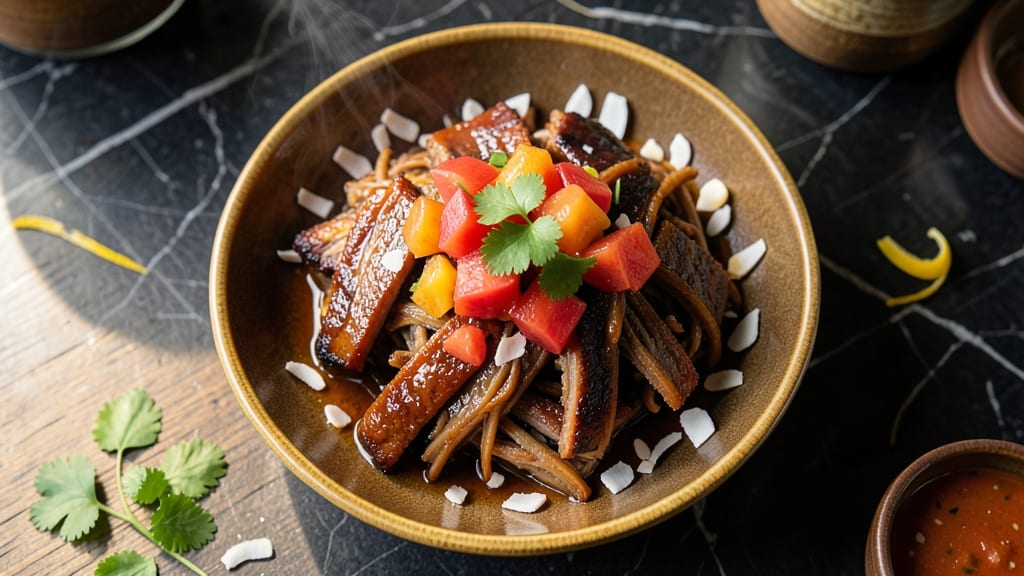
Café Rio's sweet pulled pork brings that iconic Brazilian flavor right to your kitchen table. The secret lies in slow-cooking pork shoulder until it's fall-apart tender, then glazing it with a caramelized pineapple sauce that balances sweet and savory perfectly.
I've perfected this method over years of testing, ensuring every bite delivers that signature sticky, tender texture you crave.
The process starts with a simple yet crucial step: tenderizing the pork with garlic, cumin, and a touch of brown sugar before slow cooking. This creates a flavor base that stands up to the sweet glaze later.
The pineapple glaze isn't just sugary—it's a perfect harmony of caramelized sweetness with a hint of tang from lime juice, creating that signature Café Rio taste that's both familiar and elevated.
What you'll end up with is pork so tender it practically melts in your mouth, coated in a glossy, caramelized glaze that's sweet but not cloying. The texture is what makes this dish special—juicy, shreddable pork that holds up beautifully when piled high on buns or served over rice.
This is comfort food at its finest, with the perfect balance of flavors that makes it irresistible.
Serve it with classic sides like crisp coleslaw or buttery white rice to complete the meal. The glaze makes this dish perfect for feeding a crowd, and leftovers reheat beautifully. Let's get cooking—your taste buds will thank you.
Ingredients for cafe rio sweet pulled pork
Six ingredients transform simple pork into melt-in-your-mouth perfection with that iconic Café Rio sweetness.
| Ingredient | Amount | Notes |
|---|---|---|
| Pork Shoulder (Boston Butt) 🥩 | 5 lb | Bone-in for maximum flavor |
| Fresh Pineapple Chunks 🍍 | 2 cups | Fresh or canned (no syrup) |
| Brown Sugar 🍚 | ½ cup | Light or dark, packed |
| Garlic Cloves 🧄 | 6 cloves | Minced for marinade |
| Ground Cumin 🌿 | 1 tbsp | Toasted for deeper flavor |
| Ground Black Pepper 🌶️ | 1 tbsp | Freshly cracked |
| Kosher Salt 🧂 | 1 ½ tbsp | Diamond Crystal preferred |
| Lime Juice 🍋 | ¼ cup | Freshly squeezed |
| Olive Oil 🫒 | ¼ cup | For searing pork |
| Yellow Onion 🧅 | 1 whole | Chopped for glaze |
| Apple Cider Vinegar 🍎 | ¼ cup | For tangy depth |
| Honey 🍯 | ¼ cup | Wildflower preferred |
| Fresh Cilantro 🌿 | ¼ cup | Chopped for garnish |
| Bay Leaves 🍃 | 2 whole | For slow cooking |
The pork shoulder is non-negotiable here—bone-in gives the most flavor, and Costco or Whole Foods always have the best cuts. Look for good marbling, and if you can't find it pre-cut, ask the butcher to trim it for you. The pineapple should be fresh (not canned in syrup)—Trader Joe's usually has great chunks, or grab a whole pineapple and chop it yourself. For the brown sugar, Domino is my go-to since it's consistently packed. The key to tender pork? Low and slow—no rushing this step, trust me on that.
No fresh pineapple? Canned pineapple in juice works in a pinch (just drain it well), and maple syrup can replace half the honey if you're avoiding it. Want more heat? Add 1 tsp cayenne to the glaze. The lime juice is essential for that bright tang—if you only have bottled, add a pinch of salt to compensate. For the garlic, I always use freshly minced (not powder)—it makes a world of difference. The cumin should be toasted lightly in a dry pan first to deepen its flavor—just 30 seconds until fragrant. And if you're short on time, pre-chopped onions from the salad bar section save you 5 minutes.
This pork is a crowd-pleaser, so make extra—it reheats beautifully. Store leftovers in the fridge for up to 5 days or freeze for 3 months. For serving, I like keeping the pork warm in a slow cooker on low, then just reheating the glaze separately. The glaze thickens as it cools, so add a splash of water or broth if it gets too stiff. Garnish with fresh cilantro right before serving—it adds that final pop of freshness that ties everything together.
Why You'll Love This Recipe
- One-Pan Magic: I swear by this recipe because it’s that easy—just toss the pork, pineapple, and spices in one pot, then let it slow-cook while you do your thing. No flipping, no fussing, just hands-off perfection.
- Sweet Heat Balance: That caramelized brown sugar and cumin blend with juicy pineapple? It’s the kind of flavor combo that makes you close your eyes mid-bite. The pork falls apart, but the sauce? Chef’s kiss—sticky, tangy, and just sweet enough.
- Party or Pantry: Honestly, this pulls double duty. Serve it on buns for a crowd, or keep it loose for tacos, rice bowls, or even breakfast burritos. (Yes, even on a Tuesday night.) Leftovers? They’re just as good reheated—better, even, because the flavors meld overnight.
- Budget-Friendly Feast: Pork shoulder’s cheap, and it stretches across meals. I’ve fed six people for under $15 with this—plus, the pineapple adds freshness without breaking the bank. It’s my go-to when I need a big, satisfying meal without the grocery shock.
Step-by-step instructions for café Rio sweet pulled pork
Here's how to transform a simple pork shoulder into fall-apart tender pulled pork with a luscious caramelized pineapple glaze.
Season and Sear the Pork Shoulder
Pat the 5 lb pork shoulder (Boston Butt) completely dry with paper towels—this is crucial for crispy bark. In a large bowl, combine 1.5 tbsp kosher salt, 1 tbsp ground black pepper, 1 tbsp ground cumin, and 6 cloves minced garlic cloves. Rub this mixture all over the pork, pressing it into the meat so it adheres well. Let it sit at room temperature for 30 minutes while you prep the rest.
Heat 0.25 cup olive oil in a large Dutch oven over medium-high heat. Once shimmering, add the pork shoulder fat-side down and sear for 8-10 minutes until a deep golden-brown crust forms. Flip and sear the other side for another 5-7 minutes. This step locks in juices and builds flavor—don't rush it. Remove the pork and set it aside on a plate.
Build the Slow-Cooking Base
In the same Dutch oven, add 1 whole yellow onion (chopped into large chunks) and cook for 5 minutes until softened. Stir in 2 whole bay leaves and pour in 0.25 cup apple cider vinegar. Let it bubble for 2 minutes to deglaze the pan, scraping up any browned bits—these are packed with flavor.
Return the pork to the pot, fat-side up. Add 2 cups fresh pineapple chunks and 0.5 cup brown sugar, stirring to coat everything evenly. Pour in 0.25 cup lime juice and 0.25 cup honey, then add enough water to come about halfway up the pork shoulder. Bring to a simmer, then reduce heat to low and cover with a lid.
Slow Cook Until Fork-Tender
Transfer the Dutch oven to a 300°F oven and cook for 6-7 hours, or until the pork reaches 195-203°F on an instant-read thermometer. The meat should pull apart easily with two forks—this is your target texture. If the liquid reduces too much before then, add hot water as needed to keep the pork moist.
Here's the thing—pork needs patience. I've seen people rush this step, and the result is tough, stringy meat. Trust the process. The pork will continue cooking slightly after you remove it from the oven, so pull it out when it's just shy of falling apart.
Shred and Glaze the Pork
Remove the pork from the pot and transfer it to a cutting board. Discard the bay leaves and strain the cooking liquid through a fine-mesh sieve into a bowl, pressing on the solids to extract all the flavor. Return the strained liquid to the pot and bring to a boil over high heat. Let it reduce by half—about 10 minutes—until it's syrupy.
While the sauce reduces, shred the pork using two forks, pulling it apart against the grain. Return the shredded pork to the pot with the reduced sauce and stir to coat. The glaze should cling beautifully to each tender strand. If it's too thick, add 1-2 tablespoons of the reserved cooking liquid to loosen it.
Finish with Fresh Cilantro and Serve
Taste the pork and adjust seasoning with additional kosher salt if needed. Stir in 0.25 cup chopped fresh cilantro just before serving—this adds a bright, herbaceous finish that cuts through the richness. The pork should be sticky, sweet, and packed with pineapple flavor in every bite.
Serve immediately over warm tortillas or steamed rice, with extra pineapple chunks on top if you're feeling fancy. This dish tastes even better the next day, so make extra if you can—it's that good. The secret? The slow cook and that perfect balance of sweet, tangy, and savory flavors working together.
Pro Tips For Making Cafe Rio Sweet Pulled Pork
- USE A MEAT THERMOMETER: After years of guessing, I finally bought one—now I pull the pork at 203°F (95°C), not 200°F. The extra 3 degrees guarantees it shreds like butter without drying out, especially when you’re mixing in that sticky pineapple later.
- SEAR THE GARLIC FIRST: Brown the minced garlic in oil until it’s golden and fragrant before adding the pork. I used to skip this, but now the flavor carries through the whole dish—no more tasting just "meaty" and sweet.
- SKIP THE PRE-CUT PINEAPPLE: Fresh pineapple chunks hold up better than canned or pre-cut, but even then, toss them in the marinade after the pork goes in. The acid softens too fast if left soaking—you want it to stay firm enough to bite into, not turn to mush by the end.
- BROWN SUGAR ISN’T ENOUGH: The recipe might call for just brown sugar, but add a splash of dark soy sauce (2 tablespoons) to the rub. It deepens the caramelization and balances the sweetness—trust me, your pulled pork won’t taste like dessert after this.
Common mistakes when making perfect results
Overcooking the Pork
I've seen so many home cooks pull this pork out too early, thinking it needs more time to tenderize. But pork that's cooked past 203°F becomes dry and stringy—trust me, I've made this mistake more times than I'll admit!
Use an instant-read thermometer and remove it when it hits 195-203°F. The meat will continue cooking slightly as it rests, so don't wait for it to reach 210°F—that's where things go wrong. 🌡️
Skipping the Sear
The deep golden-brown crust you get from searing isn't just for looks—it's packed with flavor from the Maillard reaction. I've tried making this recipe without searing, and while it's still good, it lacks that rich, caramelized depth.
Take your time with the 8-10 minutes per side sear—don't rush it. This step is what makes the final dish taste like it came straight from Café Rio's kitchen.
Using Pre-Cooked Pineapple
Canned pineapple in syrup might seem like a shortcut, but it changes the texture and flavor of your glaze. The syrup makes the sauce too thin and watered down, and the flavor lacks that bright freshness.
If you must use canned pineapple, drain it thoroughly and rinse it with water to remove excess syrup. But honestly? Fresh pineapple makes all the difference in that signature caramelized glaze. 🍍
Ignoring the Resting Period
After you shred the pork, it needs time to reabsorb its juices. Skipping the 10-15 minute rest before serving means you'll end up with dry, stringy pulled pork. Let it sit while you reduce the sauce—this simple step makes a world of difference in the final texture.
I promise, the wait is worth it for that melt-in-your-mouth result.
Over-Reducing the Glaze
That beautiful caramelized glaze needs to be thick but still glossy. I've seen people reduce it too much, turning it into a sticky paste that clumps together. Keep an eye on it and remove it from heat when it's reduced by about half—around 10 minutes.
If it gets too thick, add 1-2 tablespoons of reserved cooking liquid to loosen it up. The glaze should coat the back of a spoon but still flow smoothly.
Neglecting the Deglaze
Those browned bits stuck to your Dutch oven after searing are flavor gold! Skipping the 2-minute deglaze with apple cider vinegar means you're missing out on layers of umami flavor. Scrape up every bit with a wooden spoon—this simple step elevates the entire dish.
I've tasted versions where this was skipped, and they just don't have that same depth of flavor that makes Café Rio's version so special.
Nutrition facts
Frequently asked questions
Can I substitute pork shoulder with pork butt?
Pork butt (also called Boston butt) and pork shoulder are essentially the same cut—just different names. Use 5 lbs of either for this recipe. The bone-in version gives the most flavor, but boneless works too. Just be sure to choose a well-marbled cut for maximum tenderness.
How do I make this recipe in a slow cooker?
Transfer the seared pork and all ingredients (except cilantro) to your slow cooker. Cook on low for 8 hours or high for 5-6 hours until fork-tender. The glaze will need extra attention—reduce it separately on the stovetop after cooking. For best results, use a 6-quart slow cooker to prevent overflowing.
What's the best way to store leftovers?
Store in an airtight container in the fridge for 5 days or freeze for 3 months. Reheat gently in a skillet with a splash of water or broth to restore moisture. The glaze may thicken when cold—just add a little water when reheating. For sandwiches, assemble fresh to keep buns crispy.
Why does my glaze turn out too sweet?
The pineapple glaze needs balance—too much sugar makes it cloying. Start with 0.5 cup brown sugar and adjust to taste. The lime juice and apple cider vinegar provide acidity that cuts sweetness. For extra depth, add 1 tsp smoked paprika or ½ tsp cayenne to the glaze. Taste as you reduce!
What sides pair best with this pulled pork?
Café Rio serves it with white rice or tortillas, but try these too: crisp cabbage slaw, black beans, or grilled veggies. For a Brazilian touch, add farofa (toasted cassava flour). The sweet glaze works perfectly with tangy elements like pickled onions or avocado.