
Side Dishes
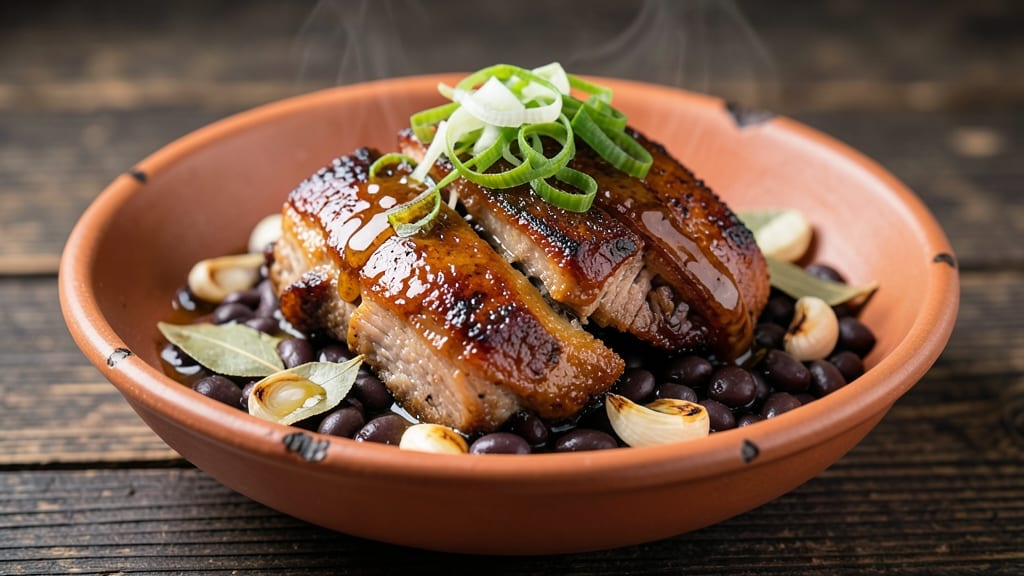
This Ilocano black beans with pork recipe brings the smoky-sweet harmony of Northern Philippines straight to your table. 🌟 After years of perfecting regional techniques, I've distilled the essence of guinamos into a dish where tender pork and rich black beans marry through slow simmering, garlic, and just the right touch of vinegar. The secret lies in balancing the earthy beans with pork that's been cooked until it's fall-apart tender, creating a sauce that's both hearty and delicate.
The traditional Ilocano method transforms simple ingredients into something extraordinary. Pork shoulder is braised until tender, while black beans simmer until their skins soften just enough to release their creamy texture. Garlic and soy sauce build the foundation, while a splash of vinegar brightens the dish without overpowering.
What makes this recipe special is how the flavors develop over time—each component working together to create a dish that's both comforting and complex.
By the time you serve this, you'll have a steaming bowl of black beans with pork that's rich in texture and flavor—creamy beans clinging to tender pork pieces, all bathed in a sauce that's perfectly balanced between smoky, sweet, and tangy.
The aroma alone will have everyone at the table anticipating the first bite. This is the kind of dish that turns a simple weeknight dinner into a celebration of Filipino comfort food.
Serve it with steamed rice to soak up every last bit of that flavorful sauce, or pair it with bagoong (fermented shrimp paste) for an authentic Ilocano touch. The leftovers taste even better the next day, making this a perfect meal for feeding a crowd or planning ahead.
Let's bring the flavors of Ilocano cuisine to your kitchen.
Ingredients for black beans with pork ilocano
Pork shoulder, black beans, and garlic—the Ilocano flavor trifecta for a dish that tastes like home.
| Ingredient | Amount | Notes |
|---|---|---|
| Pork Shoulder 🥓 | 2 lb | Bone-in for best flavor |
| Dried Black Beans 🫘 | 1 ½ cups | Rinsed before soaking |
| Garlic Cloves 🧄 | 8 cloves | Minced for deep flavor |
| Soy Sauce 🥄 | ½ cup | Use light soy for balance |
| White Vinegar 🍋 | ¼ cup | Brightens the dish |
| Bay Leaves 🌿 | 2 whole | Dried for aroma |
| Onion 🧅 | 1 whole | Chopped, yellow onion |
| Olive Oil 🫒 | ¼ cup | For searing pork |
| Salt 🧂 | 1 ½ tsp | Kosher or sea salt |
| Black Pepper 🌶️ | 1 tsp | Freshly ground preferred |
| Sugar 🍯 | 1 tbsp | Balances flavors |
| Ground Black Peppercorns 🌶️ | ½ tsp | For extra depth |
| Water 💧 | 4 cups | For soaking beans |
The pork shoulder is non-negotiable here. Bone-in stays juicier, and the marrow adds richness to the sauce. Grab one from Costco or your local butcher—look for good marbling. If you're using pre-cut pork, pat it dry before searing. The beans? Dried black beans are essential (canned just won't cut it)—soak them overnight or use the quick-soak method with boiling water. For garlic, 8 cloves might sound like a lot, but trust me on this—it's the backbone of the dish. The bay leaves? Don't skip them—they add that subtle earthiness that makes this dish sing.
No pork shoulder? Pork butt or even pork loin works in a pinch, but it won't be as tender. Short on black beans? Substitute kidney beans or pinto beans, but the texture won't be quite the same. The soy sauce can be swapped for tamari if you're gluten-free, but traditional light soy gives that authentic Ilocano touch. Vinegar substitute? Rice vinegar or even apple cider vinegar will work, but white vinegar is the classic choice. The sugar is key—it balances the saltiness and acidity, so don't skip it. If you're feeling adventurous, add a dash of annatto seeds for that signature Ilocano color, but it's not traditional.
This dish tastes better the next day—honestly, the flavors meld even more. Keeps for 4-5 days in the fridge, and freezes beautifully for up to 3 months. I always make a double batch because it disappears fast. Store it in an airtight container with a splash of water to keep it moist. When reheating, add a little water or broth to loosen the sauce. Serve with steamed rice—it's the perfect partner for soaking up all that smoky-sweet goodness.
Why You'll Love This Recipe
- Pork Melts Away: The shoulder breaks down into tender, pull-apart chunks—no fancy knife work needed. Just sear, simmer, and let time do the magic while you chop garlic (which, honestly, takes five minutes tops).
- Garlic-Soy Magic: That first bite? The vinegar cuts through the richness, while the soy and garlic create this perfect balance—salty, tangy, and just a little funky. It’s the kind of flavor that makes you want to eat it straight from the pot.
- Leftovers That Don’t Suck: Between us, this dish begs to be made extra. The beans soak up all the juices, and the pork stays moist for days. Pack it for lunches—it’s hearty enough to satisfy, but light enough to not weigh you down.
- Budget-Friendly Powerhouse: Pork shoulder and dried beans? You’re getting so much for so little. This feeds four for under $10, and the leftovers stretch into stir-fries or rice bowls. My wallet and my taste buds win.
Step-by-step instructions for black beans with pork Ilocano
Here's how to create this smoky, savory dish with tender pork and rich beans.
🍳 Step 1: Sear the Pork Shoulder for Deep Flavor
Pat the 2 lb pork shoulder dry with paper towels—this is key for crispy edges later. Heat 0.25 cup olive oil in a large pot over medium-high heat until shimmering. Add the pork and sear on all sides for 8-10 minutes, turning occasionally, until deep golden brown. You're building flavor here, so don't rush this step.
Once browned, remove the pork and set it aside. In the same pot, add the 1 whole chopped onion and cook for 3-4 minutes until softened. Stir in the 8 minced garlic cloves and cook for 30 seconds until fragrant—this prevents bitter garlic flavors. Real talk: if it starts to burn, lower the heat immediately.
👨🍳 Step 2: Soak and Prepare the Black Beans
While the pork sears, rinse the 1.5 cups dried black beans under cold water to remove any debris. Place them in a large bowl and cover with 4 cups water. Let them soak for at least 4 hours (overnight is best)—this ensures they cook evenly and stay tender. I know it seems like a long wait, but trust me, it makes all the difference.
After soaking, drain the beans and give them a quick rinse. In the same pot where you seared the pork, add the drained beans along with 0.5 cup soy sauce, 0.25 cup white vinegar, 1 tbsp sugar, 1.5 tsp salt, 1 tsp black pepper, and 0.5 tsp ground black peppercorns. Stir everything together and bring to a gentle boil over medium heat. Here's the thing—you want the beans to simmer, not boil vigorously, or they'll turn mushy.
🔥 Step 3: Simmer the Pork and Beans Together
Return the seared pork shoulder to the pot with the beans and aromatics. Add 2 whole bay leaves and enough water to just cover everything—about 3 cups should do it. Bring back to a gentle simmer (small bubbles, not a rolling boil) and cover with a lid. Reduce heat to low and let it cook for 2-2.5 hours until the pork is fork-tender and the beans are soft but still hold their shape.
Here's where patience pays off: check the pork occasionally and add water as needed to keep it covered. The beans should be tender but not falling apart—if they're too soft, they'll turn to mush. You'll know it's done when the pork pulls apart easily with two forks and the beans have absorbed all that smoky, savory goodness.
⏰ Step 4: Shred and Finish the Dish
Once everything is tender, remove the pork from the pot and let it rest for 5 minutes. Then shred it using two forks right in the pot—this keeps all those juices contained. Return the shredded pork to the pot with the beans and stir gently. Taste and adjust seasoning if needed; you might need a touch more soy sauce or salt to balance the flavors.
Let the whole thing simmer uncovered for another 10 minutes to let the flavors meld together. The dish should have a rich, smoky aroma with a perfect balance of sweet, salty, and tangy notes. Serve it hot over steamed rice—each bite delivers tender pork, hearty beans, and all those deep, savory flavors working together.
Pro Tips For Making Black Beans With Pork Ilocano
- SOAK BEANS OVERNIGHT: I used to toss dried black beans straight into the pot and wonder why they stayed hard. Soak them in warm water for 8–12 hours first—just cover them and let them sit. The beans will soften faster and absorb flavors better, especially that tangy vinegar kick. (Yes, even if you’re impatient like me, this makes a real difference.)
- SEAR PORK IN BATCHES: Crowding the pork shoulder in the pan leads to steaming, not browning. Cut it into 1.5-inch chunks and cook them in two rounds over medium-high heat—don’t rush it. The crust on those edges is what carries the soy-vinegar punch through the dish. (And skip the urge to stir constantly; let it develop that color.)
- USE AGED VINEGAR: White vinegar works, but if you’ve got aged vinegar (like cane or malt), swap it in. The subtle sweetness balances the saltiness of the soy sauce and pork, giving the dish that restaurant-quality depth. No aged vinegar? Add a teaspoon of sugar to the cooking liquid—it’s not the same, but it helps.
- SAVE THE SOY LIQUID: Don’t pour that leftover soy sauce down the drain after searing the pork. Strain it into a small bowl, then mix it back into the beans at the end. The concentrated umami from the pork fat and caramelized bits will make the sauce richer without overpowering the dish. (Your future self will notice the difference.)
Regional styles of this black beans with pork ilocano
Ilocano Roots
This dish hails from the Ilocos Region in Northern Philippines, where pork and beans are staples. The Ilocanos are known for their love of smoky, garlicky flavors—this recipe captures that essence perfectly.
The original version often includes bagoong (fermented shrimp paste) for an umami punch, but I've kept it simple for home cooks while staying true to the spirit. 🌍
Vigan's Influence
The nearby city of Vigan, a UNESCO World Heritage site, is famous for its century-old bahay na bato houses and rich culinary traditions. Many Ilocano dishes from Vigan incorporate slow-cooked pork with beans, often served with steamed rice and a side of sinigang (sour soup).
This recipe's balance of sweet, salty, and tangy flavors mirrors those classic Vigan dishes.
Pork Preparation Variations
Traditionally, Ilocanos use pork shoulder or belly for this dish, but some versions call for pork ribs or even pork hocks for extra collagen and richness. If you're feeling adventurous, try adding a 1-inch piece of ginger while simmering—it adds a subtle warmth that complements the garlic beautifully.
For a smokier twist, some cooks char the pork slightly before braising.
Bean Substitutions
While dried black beans are traditional, some Ilocano families use mung beans or adzuki beans for a nuttier flavor. If you can't find black beans, kidney beans work in a pinch, though they won't have the same creamy texture.
For extra depth, add a pinch of annatto seeds while simmering—they'll give the dish that signature Ilocano color without altering the taste.
Serving Traditions
In the Ilocos Region, this dish is often served during fiestas or family gatherings, paired with steamed rice and a side of pickled vegetables.
For an authentic touch, serve it with bagoong isda (fermented fish paste) on the side—its funky, salty flavor cuts through the richness of the pork and beans. Leftovers are even better the next day, making it a perfect meal for feeding crowds.
Modern Adaptations
Today, many Filipino chefs are putting their own spin on this classic. Some add chili flakes for heat or a splash of coconut milk for creaminess. I've kept the recipe traditional, but
Nutrition facts
Frequently asked questions
Why does the pork need to be bone-in for this recipe?
The bone-in pork shoulder stays juicier and adds rich marrow to the sauce, creating that authentic Ilocano depth of flavor. The marrow melts into the beans during cooking, enhancing the dish's natural richness. If you must use boneless, look for well-marbled cuts to maintain tenderness.
Can I make this recipe with canned black beans instead of dried?
While dried beans are traditional, you can use canned beans in a pinch—but expect a less creamy texture. Drain and rinse them well, then simmer for 15-20 minutes with the pork to absorb flavors. For best results, reduce the cooking liquid by half to maintain the dish's consistency.
What's the secret to getting tender pork without drying it out?
Low-and-slow cooking is key—simmer the pork covered for 2-2.5 hours on low heat. Check occasionally and add 1/4 cup water if the liquid evaporates. The pork should pull apart easily with forks, not be rubbery. Never rush this step!
How can I add more Ilocano flavor without changing the core recipe?
Try these authentic touches: Add 1 tsp toasted annatto seeds for color, or stir in 1 tbsp bagoong (fermented shrimp paste) at the end for umami. For extra smokiness, char the pork slightly before braising. These small additions keep the dish true to its roots!
Can I prepare this dish ahead of time?
This dish tastes even better the next day as flavors meld. Store in an airtight container in the fridge for 4-5 days or freeze for 3 months. Reheat gently with a splash of water or broth to restore moisture. Perfect for meal prep!