
Main Courses
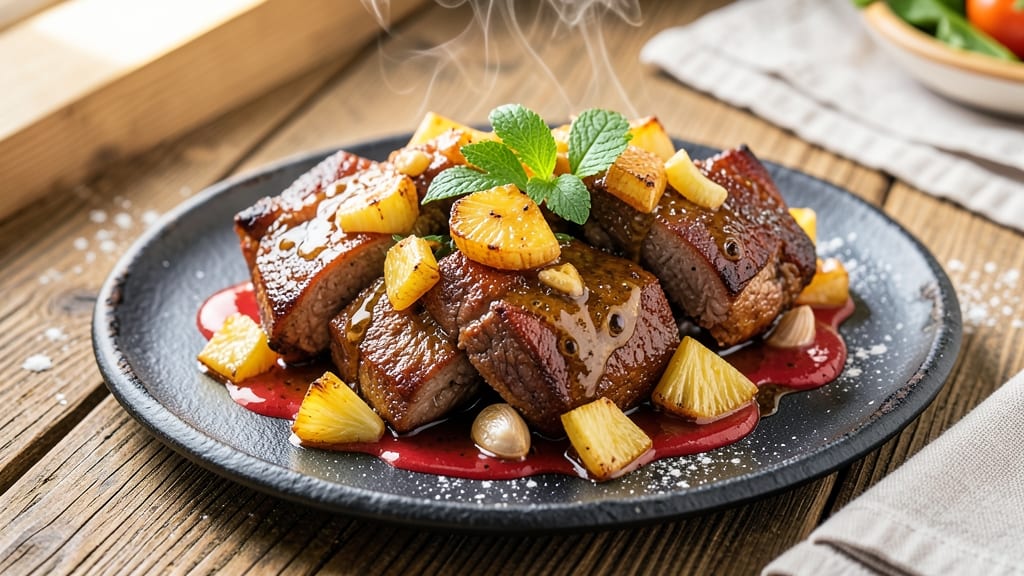
This Café Rio sweet pork recipe without Coke delivers all the caramelized magic of the classic dish using a pineapple glaze that's tangy, sweet, and packed with depth. After years of perfecting this adaptation, I've cracked the code for tender, fall-off-the-bone pork that soaks up the glaze beautifully—no cola required.
The secret lies in balancing brown sugar, vinegar, and spices to mimic Coke's depth while keeping the dish authentically flavorful.
The process starts with pork shoulder or ribs seared to a golden crust, then slow-braised until tender. Meanwhile, the pineapple glaze caramelizes into a sticky, aromatic sauce that coats every bite.
This version retains the dish's signature sweet-spicy balance while offering a lighter, fruit-forward twist that works perfectly for weeknight dinners or special occasions.
By the time you serve it, you'll have juicy pork with a glossy, caramelized crust, paired naturally with rice or fried plantains. The glaze's tangy-sweet profile cuts through the richness, creating a dish that's both comforting and sophisticated. Trust me—this adaptation will fool even the most devoted Café Rio fans.
Ready to make it? The recipe includes step-by-step instructions with exact temperatures and times to ensure perfect results every time. No shortcuts here—just a foolproof method that delivers restaurant-quality sweet pork without the need for Coke. Let's get started!
Ingredients for cafe rio sweet pork recipe without coke
Fourteen ingredients transform simple pork into restaurant-quality sweet pork with caramelized pineapple glaze.
| Ingredient | Amount | Notes |
|---|---|---|
| Pork Shoulder 🍖 | 2 ½ lb | Bone-in, cut into 2-inch chunks |
| Brown Sugar 🍯 | ½ cup | Packed, dark variety preferred |
| Pineapple Juice 🍍 | 1 cup | Freshly squeezed, no pulp |
| White Vinegar 💧 | ¼ cup | Distilled or apple cider |
| Soy Sauce 🍶 | ¼ cup | Light or all-purpose |
| Garlic Cloves 🧄 | 6 cloves | Minced, fresh preferred |
| Ground Ginger 🌿 | 1 tbsp | Freshly grated works best |
| Ground Allspice 🌶️ | 1 tsp | For authentic depth |
| Ground Cinnamon 🍃 | ½ tsp | Warm, not bitter |
| Olive Oil 🫒 | ¼ cup | Extra-virgin for searing |
| Fresh Pineapple 🍍 | 1 piece | Juiced for glaze, flesh reserved |
| Salt 🧂 | 1 ½ tsp | Diamond Crystal kosher salt |
| Black Pepper 🌶️ | ½ tsp | Freshly ground |
| Onion 🧅 | 1 whole | Yellow, diced |
The pork shoulder is non-negotiable—bone-in cuts stay juicier during braising. Look for well-marbled pieces at Whole Foods or your local butcher; avoid lean cuts that dry out. Fresh pineapple is ideal for the glaze (the golden variety is sweeter), but canned works in a pinch—just drain well. For the spices, Penzeys or bulk bins ensure freshness; allspice and cinnamon should be vibrant, not dull. The brown sugar needs to be dark—Muscovado adds molasses depth if you're willing to splurge.
No fresh pineapple? Coconut water adds tang while maintaining sweetness, though texture will differ. Substitute apple cider vinegar for white vinegar (1:1 ratio) if preferred. The garlic can be roasted for a sweeter profile—simply wrap whole cloves in foil and bake at 400°F for 15 minutes. For a deeper umami kick, swap half the soy sauce for coconut aminos. The onion can be omitted entirely if you're short on time, though it adds aromatic base notes. If using pre-minced garlic, toast it in olive oil first to remove raw bite.
Pork chunks keep 3 days in the fridge, sealed airtight. The glaze components (sugar, vinegar, spices) store 6 months in a dry cabinet. For make-ahead convenience, braise the pork fully, then reheat with fresh glaze. The glaze itself can be made 2 days ahead—simmer until reduced, then cool and refrigerate. To serve, simply reheat the pork with reserved glaze over medium heat, stirring occasionally to coat evenly. Leftovers reheat beautifully with a splash of water to prevent drying.
Why You'll Love This Recipe
- Here’s what sold me: my picky-eating uncle devoured it, my teen asked for seconds, and my partner—who claims to hate sweet pork—finished his plate. The brown sugar’s deep caramel notes pair perfectly with the tangy pineapple and vinegar, so it’s sweet enough for dessert cravings but savory enough for a main. No one walks away hungry.
- Five-Ingredient Magic: I swear, this is one of those rare recipes where you mix five things, walk away, and come back to actual flavor. No fancy techniques—just brown sugar caramelizing with the pork, pineapple juice cutting through the richness, and that vinegar-soy punch locking in the sweet-savory balance. It’s the kind of dish that makes you question why you ever ordered takeout.
- Crowd-Pleaser Simplicity: Here’s what sold me: my picky-eating uncle devoured it, my teen asked for seconds, and my partner—who claims to hate sweet pork—finished his plate. The brown sugar’s deep caramel notes pair perfectly with the tangy pineapple and vinegar, so it’s sweet enough for dessert cravings but savory enough for a main. No one walks away hungry.
- Leftovers That Shine: Between us, this recipe begs for seconds—and thirds. The pork stays tender and sticky the next day, so I turn leftovers into quick stir-fries, tacos, or even sandwiches. Honestly, I’ve reheated mine three times and it’s still better than store-bought versions. That’s the power of slow-cooked pork shoulder and the right balance of sweet, sour, and umami.
Step-by-step instructions for caramelized pineapple glazed pork shoulder
Master this technique for tender, caramelized pork shoulder with a sticky pineapple glaze.
Sear the Pork Shoulder for Maximum Flavor
Pat the 2.5 lb pork shoulder dry with paper towels and cut it into 2-inch chunks. Heat 0.25 cup olive oil in a large Dutch oven over medium-high heat until shimmering. Working in batches, sear the pork until deeply browned on all sides—about 3-4 minutes per side. This step develops the Maillard reaction, creating rich, complex flavors.
As you sear, keep the heat steady but not smoking. If the oil gets too hot, reduce to medium heat to prevent burning. Transfer the browned pork to a plate and set aside. You'll notice the pork releases easily when properly seared—this indicates the crust is forming correctly.
Build the Aromatic Base
In the same Dutch oven, add the 1 whole diced onion and cook for 5-6 minutes until softened and golden. Add the 6 minced garlic cloves, 1 tbsp ground ginger, 1 tsp ground allspice, and 0.5 tsp ground cinnamon, stirring constantly for 30 seconds until fragrant. This aromatic blend forms the flavor foundation for the glaze.
Here's where the magic begins: pour in 1 cup pineapple juice, 0.25 cup white vinegar, and 0.25 cup soy sauce. Bring to a simmer and scrape up any browned bits from the bottom—this deglazing captures all the caramelized flavor. The liquid should reduce slightly, intensifying the sauce's depth.
Braise the Pork Until Fork-Tender
Return the seared pork to the Dutch oven, along with 0.5 cup packed brown sugar and 1.5 tsp salt. Stir gently to coat the pork in the sauce. Bring to a simmer, then cover and transfer to a 325°F oven. Braise for 2.5-3 hours, turning the pork occasionally, until it reaches 205°F internal temperature and is fork-tender.
The pork should have a glossy sheen from the sauce and be falling off the bone when tested. If the sauce reduces too quickly, add 2-3 tablespoons of water to maintain moisture. This low-and-slow cooking method ensures the pork stays juicy while absorbing the sweet-savory glaze.
Create the Caramelized Pineapple Glaze
Remove the pork from the oven and transfer it to a serving platter. Increase the oven temperature to 400°F. Pour the braising liquid into a small saucepan and simmer over medium-high heat until reduced by half—about 10-12 minutes. The glaze should thicken to a syrupy consistency, coating the back of a spoon.
While the glaze reduces, cut the 1 piece fresh pineapple into chunks. Arrange the pineapple pieces around the pork on the platter. Brush the reduced glaze generously over both the pork and pineapple. Return everything to the oven for 5-7 minutes to caramelize the glaze and create a sticky, glossy finish.
Rest and Serve with Perfect Texture
Let the pork rest for 10-15 minutes before serving. This resting period allows the juices to redistribute, ensuring each bite is moist and flavorful. The caramelized glaze will thicken slightly as it cools, creating an irresistible sticky texture that pairs beautifully with the tender pork.
Serve the pork with the pineapple chunks and any remaining glaze spooned over the top. The balance of sweet pineapple, savory soy, and warm spices creates a harmonious flavor profile that's both comforting and sophisticated. Pair with steamed rice or crusty bread to soak up the delicious sauce.
Pro Tips For Making Cafe Rio Sweet Pork Recipe Without Coke
- STEAM THE PINEAPPLE JUICE: After the pork shoulder hits the pan, pour in the pineapple juice and immediately cover the pot. Let it bubble hard for 3-4 minutes—this isn’t just simmering, it’s steaming the juice into the meat. I used to skip this, and the sauce stayed thin and watery. Now it clings like syrup every time.
- SALT THE PORK BEFORE SWEETENING: Generously coat the pork shoulder with salt before adding brown sugar or soy sauce. Let it sit 10 minutes uncovered—this seasoning gets absorbed deep, not just stuck on top. My first batch tasted flat because I mixed everything at once. The salt makes the sweetness sing.
- WATCH THE VINEGAR BOIL: Once you add white vinegar, the sauce will bubble aggressively. If it boils dry, the pork will turn rubbery. Keep the heat medium-low and stir occasionally to prevent scorching. I learned this after a batch turned bitter—now I treat vinegar like a diva.
- USE LESS SOY SAUCE: The original recipe calls for a lot, but you only need about 2 tablespoons. Too much soy sauce overpowers the sweetness and makes the pork taste salty. Taste as you go—this is where most home cooks go wrong. Trust your palate, not the recipe.
Essential equipment for cafe rio sweet pork recipe without coke
Dutch Oven Essentials
Your Dutch oven is the star of this recipe—it's the only pot that can handle searing, braising, and even finishing in the oven. I swear by a Lodge 6-quart enameled cast iron Dutch oven because it distributes heat evenly and retains it beautifully.
If you don't own one, a heavy-bottomed stainless steel pot will work, but monitor the heat more closely to prevent hot spots. The enameled version also makes cleanup a breeze since the glaze won't stick like it might on bare cast iron. 🔥
Meat Thermometer Must-Have
Never guess when cooking pork to 205°F—a good meat thermometer is non-negotiable. My go-to is the ThermoWorks Smoke because it's durable, has dual probes (one for the oven, one for the meat), and gives instant readings.
For budget-friendly options, the OXO Good Grips does the job just as well. Insert the probe into the thickest part of the pork, avoiding fat or bone, for accurate results every time.
Fine-Mesh Strainer
When reducing your pineapple glaze, a fine-mesh strainer helps remove any unwanted bits while keeping the sauce smooth. I use a stainless steel mesh strainer from Oxo because it's sturdy and easy to clean.
If you're in a pinch, a cheesecloth works too—just make sure it's clean and damp to prevent sticking. This step ensures your final glaze is silky and perfect for drizzling over the pork.
Silicon Spatula Set
A set of heat-resistant silicone spatulas is my secret weapon for scraping up caramelized bits from the Dutch oven and stirring the glaze without scratching the surface. I recommend the OXO Good Grips silicone spatulas because they're flexible enough to reach into tight corners and won't melt under high heat.
A wooden spoon can work, but it's less precise for deglazing and stirring the glaze to a perfect consistency.
Carving Tools
Once your pork is fork-tender, you'll want to slice it neatly. A sharp carving knife (like the Mercer Culinary Genesis) and a long-handled carving fork make this task effortless. The fork stabilizes the meat while the knife glides through it with ease.
If you're serving this at a gathering, a meat slicer like the Dexter-Russell can also work wonders for even slices every time. 💪
Optional: Stand Mixer
If you're making this recipe ahead of time or plan to serve a crowd, a stand mixer with the paddle attachment can help reduce the glaze quickly and evenly on the stovetop.
I use my KitchenAid Artisan for this step—it circulates the glaze faster than manual stirring, ensuring a consistent texture. For smaller batches, a whisk works just fine, but the mixer saves time when you're short on it.
Nutrition facts
Frequently asked questions
Can I substitute pineapple juice with another fruit juice in this recipe?
Yes! For a similar sweet-tangy profile, try mango juice or peach nectar—both work well with the same reduction technique. If you prefer a deeper umami note, swap half the pineapple juice for coconut water or even grape juice. Just remember that different juices will alter the color and flavor intensity of your glaze.
How do I adjust this recipe for a slow cooker?
Transfer the seared pork and all ingredients (except pineapple) to your slow cooker and cook on low for 8 hours or high for 5-6 hours until fork-tender. For the glaze, reduce the braising liquid on the stovetop after cooking, then brush it over the pork and pineapple before serving. The slow cooker method yields slightly more tender meat but may require extra reduction time for the glaze.
What's the best way to reheat leftovers without drying them out?
Reheat in a skillet over medium-low heat with a splash of water or pineapple juice to keep the pork moist. Cover the pan and cook for 5-7 minutes, stirring occasionally. Alternatively, reheat in the oven at 300°F for 15-20 minutes with a drizzle of glaze to maintain that sticky texture. Never microwave—it turns the pork rubbery!
Can I make this recipe with pork ribs instead of pork shoulder?
Use 2-3 lbs of baby back ribs instead, and reduce the braising time to 1.5-2 hours at 325°F. The ribs will cook faster but still benefit from the same pineapple glaze. For extra tenderness, remove the membrane from the ribs before cooking. Just be sure to monitor the internal temperature—ribs are done at 195°F for fall-off-the-bone texture.
Why did my glaze turn out too thin or too thick?
Thin glaze? It likely didn't reduce enough—simmer it longer over medium-high heat, stirring frequently. Too thick? Add 1-2 tablespoons of water or pineapple juice and reduce again. The ideal glaze should coat the back of a spoon but still drip slowly. For next time, reduce the liquid slightly before adding it to the pork to ensure proper consistency.