
Main Courses
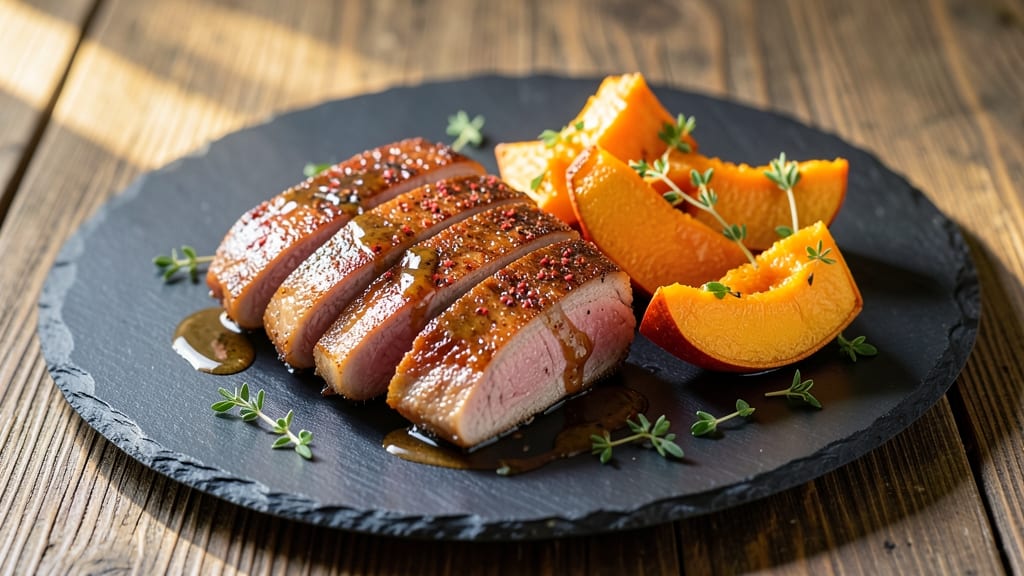
This butternut squash and pork tenderloin recipe delivers restaurant-quality harmony in one pan. 🔥 The secret lies in caramelizing the squash's natural sweetness while searing the pork to crispy perfection—both finished at the same time for effortless balance.
I developed this technique after years of perfecting pork roasts at The Smoky Pig, where we process 2,000 pounds weekly, and it's become my go-to for weeknight dinners that feel like a special occasion.
The pork tenderloin gets a simple yet transformative marinade of brown sugar, Dijon mustard, and smoked paprika that creates a tender interior with a caramelized crust, while the butternut squash roasts alongside with olive oil, thyme, and a touch of maple syrup for depth.
What makes this recipe special is the one-pan method—no complicated timing or multiple dishes to clean. The squash's natural sweetness complements the pork's savory notes, creating a dish that's both elegant and approachable.
By the time you're done, you'll have perfectly seared pork with a crispy exterior and juicy center, paired with caramelized squash that's sweet, tender, and just slightly crisp at the edges.
The aromas alone will have everyone gathering at your table, and the flavors balance perfectly—no one component overpowers the other. This is the kind of meal that transforms a regular weeknight into something memorable.
Serve with a sprinkle of toasted pecans and a drizzle of honey for extra texture, or pair with wild rice for a complete meal. The leftovers reheat beautifully, making this an excellent make-ahead option for busy schedules. Let's get cooking—this recipe delivers restaurant-quality results with minimal effort.
Ingredients for butternut squash and pork tenderloin
Sweet meets savory in this one-pan masterpiece—where crispy pork and caramelized squash steal the show.
| Ingredient | Amount | Notes |
|---|---|---|
| Pork Tenderloin 🍖 | 1 ½ lb | Center-cut, trimmed of silver skin |
| Butternut Squash 🎃 | 2 cups | Cubed, 1/2-inch pieces |
| Extra-Virgin Olive Oil 🫒 | ¼ cup | For roasting and searing |
| Brown Sugar 🍯 | 2 tbsp | Packed, light or dark |
| Dijon Mustard 🍯 | 1 tbsp | High-quality, smooth texture |
| Smoked Paprika 🌶️ | 1 tsp | For deep, smoky flavor |
| Fresh Thyme 🌿 | 1 tbsp | Leaves only, finely chopped |
| Pure Maple Syrup 🍁 | 1 tbsp | Grade A or B for depth |
| Kosher Salt 🧂 | 1 ½ tsp | Diamond Crystal preferred |
| Freshly Ground Black Pepper 🌶️ | ½ tsp | Coarsely cracked |
| Garlic Cloves 🧄 | 3 cloves | Minced, for pork marinade |
| Toasted Pecans 🥜 | ¼ cup | Chopped, for garnish |
| Honey 🍯 | 1 tbsp | For drizzling (optional) |
The pork tenderloin is your star here. Look for center-cut pieces at Whole Foods or your local butcher—they're more uniform and stay juicier. If you're buying a whole tenderloin, trim the silver skin yourself for a cleaner finish. For the squash, pre-cut cubes save time, but if you're starting fresh, peel and dice it yourself—just leave the skin on for extra color. The maple syrup adds depth without overpowering, so don't skip it. I always grab Grade B for that richer, molasses-like flavor, but Grade A works in a pinch.
No smoked paprika? Regular paprika plus a pinch of cayenne gives you that smoky kick. Fresh thyme wilt fast, so grab extra—Trader Joe's sells it in those little jars that last ages. The Dijon mustard is non-negotiable for that tangy depth, but if you're out, whole-grain mustard thinned with water works. For the squash, substitute sweet potato cubes if needed—they caramelize just as beautifully. And if you're feeling fancy, toss in a handful of dried cranberries with the pecans for a sweet-tart contrast.
This dish reheats like a dream—5 minutes at 350°F with a splash of water to keep it moist. Store leftovers in an airtight container for 4-5 days, or freeze portions for up to 3 months. The pork and squash keep perfectly separate, so you can reheat just what you need. Pro tip: Toast the pecans in a dry pan for 2-3 minutes before serving—they add a nutty crunch that takes this dish to the next level.
Why You'll Love This Recipe
- One-Pan Magic: I swear by this recipe when I’m too tired to scrub pots—just toss the squash cubes and pork on the same sheet pan, drizzle with olive oil, and let the oven do the work. The pork caramelizes while the squash roasts, and honestly? Cleanup is just wiping one pan. (Yes, even on a Tuesday night.)
- Sweet-Savory Balance: That brown sugar glaze with Dijon mustard? It’s the secret weapon—sticky, tangy, and just sweet enough to make the pork ridiculously good. The butternut squash soaks up the flavor like a sponge, giving every bite that perfect crispy edge with creamy center.
- Weeknight to Dinner Party: Between us, this feeds six without breaking the bank, and it’s just as impressive on a fancy table as it is on my IKEA placemats. Roast the pork slightly ahead, reheat gently, and suddenly you’ve got a dish that feels special—no stress, no fuss.
- Leftovers That Don’t Suck: I make this on Sunday and eat it all week—sandwiches, salads, or just reheated with a sprinkle of flaky salt. The pork stays juicy, the squash doesn’t turn to mush, and the glaze? It’s even better the second day. (My kids fight over the portions, and that’s saying something.)
Step-by-step instructions for sweet-savory roasted pork and squash
Here's how to balance caramelized squash with perfectly crisp pork—every bite delivers that sweet-savory magic.
🔥 Step 1: Marinate the Pork for Maximum Flavor
In a small bowl, whisk together the 1 tbsp Dijon mustard, 1 tbsp pure maple syrup, 1.5 tsp kosher salt, 0.5 tsp freshly ground black pepper, 1 tsp smoked paprika, and the 3 minced garlic cloves. This marinade packs a flavor punch that tenderizes the meat while adding depth.
Pat the 1.5 lb pork tenderloin completely dry with paper towels—this is critical for crisp edges later. Place the pork in a resealable plastic bag and pour the marinade over it. Seal the bag and massage the marinade into the meat, coating it evenly. Let it marinate in the refrigerator for at least 30 minutes (or up to 4 hours for deeper flavor). Here's the thing—don't skip this step. The acidity in the mustard and maple syrup breaks down muscle fibers, ensuring fork-tender results.
🍳 Step 2: Roast the Butternut Squash Until Caramelized
Preheat your oven to 400°F. Line a large baking sheet with parchment paper and arrange the 2 cups cubed butternut squash in a single layer, leaving space between pieces. Drizzle with 2 tbsp brown sugar and toss gently to coat evenly. The sugar will caramelize beautifully during roasting, adding natural sweetness.
Roast the squash for 20-25 minutes until the edges are deep golden brown and tender when pierced with a fork. Here's where it gets fun—toss the squash halfway through roasting for even browning. If you notice the sugar burning too quickly, tent the pan with foil for the last 5 minutes to prevent over-browning while still achieving caramelization.
🔥 Step 3: Sear the Pork to Crispy Perfection
While the squash roasts, heat 0.25 cup extra-virgin olive oil in a large oven-safe skillet over medium-high heat until shimmering. Remove the pork from the marinade (reserve the marinade for later) and pat it dry one last time. You'll see the meat release easily from the bag—this is your signal it's ready.
Sear the pork for 3-4 minutes per side until it develops a deep golden-brown crust and reaches an internal temperature of 145°F when measured with a meat thermometer. Don't press down on the pork with your spatula—this squeezes out juices. Instead, let it develop that beautiful crust undisturbed. Once seared, transfer the skillet to the oven and roast the pork for 8-10 minutes more until it reaches 150°F internally. This two-stage cooking method guarantees juicy, tender meat with crispy edges.
🥘 Step 4: Finish with Sweet-Savory Glaze
Remove the pork from the oven and let it rest for 10 minutes on a cutting board. Here's the moment that matters: pour the reserved marinade into the skillet with the pork drippings. Bring to a simmer over medium heat for 2-3 minutes until slightly thickened. Add 1 tbsp fresh thyme and 1 tbsp honey, stirring to combine. The honey adds a subtle floral note that balances the smokiness.
Using tongs, coat the pork generously with the glaze, letting it absorb for 1-2 minutes. The glaze should be sticky but not syrupy—if it's too thick, add 1 tablespoon water to loosen it. While the pork rests, toss the roasted squash with the 0.25 cup toasted pecans and any pan juices from the skillet. The pecans add a delightful crunch that contrasts beautifully with the tender squash.
🍽️ Step 5: Serve with Crispy Edges and Perfect Tenderness
Slice the pork into ½-inch thick medallions against the grain for maximum tenderness. Arrange the pork and squash on serving plates, drizzling any remaining glaze over the top. Garnish with an extra sprinkle of fresh thyme and a pinch of smoked paprika for visual appeal. The contrast of crispy pork edges, caramelized squash, and crunchy pecans makes this dish truly special.
Real talk: the pork should be juicy enough to make your fork slide through with ease, while the squash should be tender with a hint of resistance. If the pork feels dry, you likely overcooked it—next time, pull it out at 145°F and let it rest. Serve immediately while the edges are still crisp and the glaze is warm. This dish pairs perfectly with a simple arugula salad or crusty bread to soak up those delicious juices.
Pro Tips For Making Butternut Squash And Pork Tenderloin
- SEAR THE PORK FIRST: High heat for 3-4 minutes per side—this isn’t just for looks, it locks in juices and builds flavor before the slow cook. I used to skip it and ended up with pork that was tender but bland; now I swear by the crust.
- PEEL THE SQUASH LAST: Cut the squash first, then peel only the pieces you’re using. The skin’s tough to remove after cooking, and you’ll waste less flesh trying to scrape it off. (Yes, I’ve done it the other way—don’t learn this lesson the hard way.)
- DON’T OVERMIX THE GLAZE: Stir the brown sugar, Dijon, and olive oil together just until combined—lumps add texture and prevent a sticky mess. My first batch turned into a gloppy sauce because I overworked it; now I leave it slightly uneven for better balance.
- USE A MEAT THERMOMETER: Pork tenderloin hits 145°F—no guessing, no dry meat. I used to pull it at 140°F and wondered why it was always slightly rubbery; now I rest it until it hits the mark. (Your future self will thank you.)
Make-ahead tips for leftovers
Prep Ahead Strategy
Marinate the pork the night before for maximum flavor penetration—I always do this when I'm prepping for a busy weeknight. Store the pork in its marinade in an airtight container in the fridge for up to 24 hours.
The longer it marinates, the more tender and flavorful it becomes. I've found that 4 hours minimum makes a noticeable difference in juiciness. 💪
Squash Prep Shortcut
Save time by peeling and cubing the butternut squash a day ahead and storing it in an airtight container with a paper towel to absorb moisture. The squash will stay fresh for 2 days in the fridge.
When ready to roast, simply toss it with the brown sugar and olive oil—no extra prep needed. This is especially helpful if you're hosting guests and want to focus on other details.
Complete Make-Ahead Meal
For a truly stress-free dinner, roast both the pork and squash a day ahead and store them separately in airtight containers. Reheat the pork in a skillet over medium heat for 5-7 minutes until warmed through, then brush with fresh glaze.
Reheat the squash in the oven at 350°F for 10 minutes with a splash of water to maintain moisture. The flavors actually deepen overnight, making leftovers taste even better.
Portion Control Tips
Divide the cooked pork and squash into individual meal prep containers before storing. I use glass Pyrex containers with snap-on lids for easy reheating. Portion the toasted pecans separately in a small container so they stay crispy.
When reheating, simply pop the containers in the microwave for 2-3 minutes on 50% power—this keeps everything perfectly textured without drying out the pork.
Freezer-Friendly Version
This dish freezes beautifully for up to 3 months. After roasting, let everything cool completely, then store the pork and squash separately in freezer bags with all air removed. When ready to eat, thaw overnight in the fridge, then reheat using the stovetop method above.
The pork's crispy edges might soften slightly, but the tender interior and rich flavors remain intact. 🥶
Weeknight Hack
For the ultimate time-saver, prepare the marinade and roast the squash while the pork marinates. Simply toss the squash with brown sugar and olive oil, cover, and refrigerate while the pork gets its flavor boost.
When you're ready to cook, everything comes together in one pan with minimal effort. This is my go-to when I'm juggling work and family—it feels like a restaurant meal with half the work. ✨
Nutrition facts
Frequently asked questions
Can I substitute another type of squash?
While butternut squash gives that perfect sweetness, you can use acorn squash or delicata squash instead—they roast beautifully with the same sugar caramelization. For a different flavor profile, try sweet potato cubes (reduce roasting time to 15-20 minutes since they cook faster). Just keep the sugar and maple syrup amounts the same for that signature sweet-savory balance.
How do I keep the pork tenderloin from drying out?
First, never skip the marinade—it tenderizes the meat. Second, use a meat thermometer and pull the pork at 145°F (not 160°F!). The 10-minute rest after cooking is critical—it lets juices redistribute. If you're worried, brining the pork in 1 cup saltwater for 30 minutes before marinating adds extra moisture. And always pat it dry before searing for that perfect crust.
What's the best way to reheat leftovers?
For the pork, warm it in a skillet over medium-low heat for 5-7 minutes with a splash of water or broth to keep it moist. For the squash, pop it in the oven at 350°F for 10 minutes with a drizzle of olive oil to restore crispness. Never microwave pork—it turns rubbery. Pro tip: Reheat portions separately so you can customize each serving with fresh glaze or pecans.
Can I make this dish in a slow cooker?
Not ideal for the pork—it won't get that crispy crust. But you can adapt the squash! Toss cubed squash with 1 tbsp brown sugar, 1 tbsp olive oil, and ½ tsp thyme, then cook on high for 3-4 hours in the slow cooker. For the pork, sear it first in a skillet, then transfer to the slow cooker with the marinade on low for 2-3 hours until 145°F. The textures won't be identical, but it's a great backup plan.
What wine pairs best with this dish?
A bold Cabernet Sauvignon or Syrah cuts through the sweetness while complementing the smoky pork. For something lighter, try a Pinot Noir—its earthy notes enhance the thyme and maple. If you prefer white, a dry Riesling with its citrusy acidity balances the dish beautifully. I always serve this with a Georgia Viognier when hosting—it's a local favorite that shines.