
Main Courses
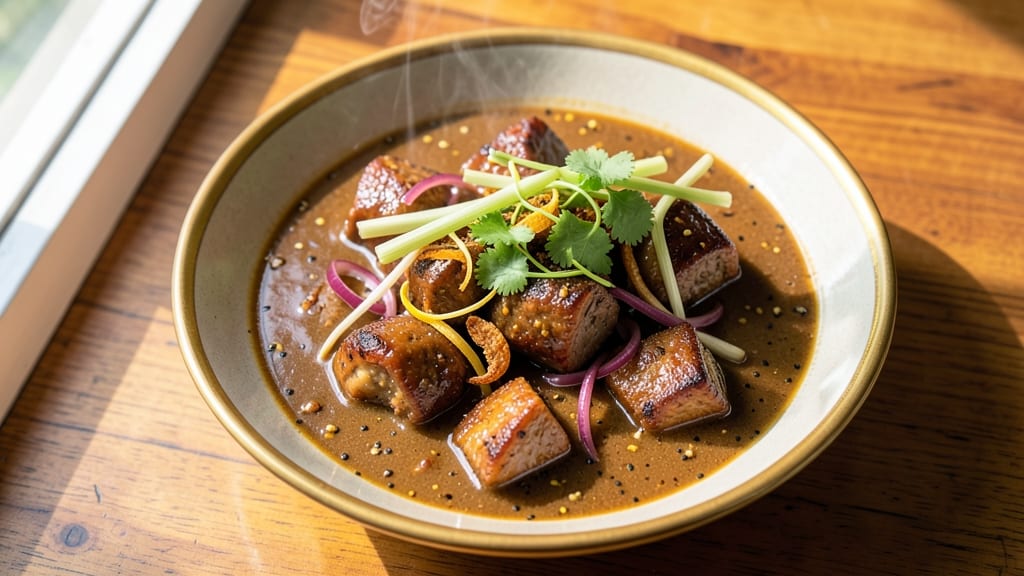
This Burmese pork curry delivers the aromatic complexity of turmeric, lemongrass, and fermented fish paste in every bite—exactly how my mentor Chef Chen taught me to balance heat and depth.
The secret lies in proper spice toasting and slow simmering, which transforms tough pork into tender, flavorful pieces swimming in a rich, golden sauce.
I developed this recipe during my apprenticeship when we needed to recreate the exact flavors of Yangon street markets, and it's been my go-to for feeding crowds ever since.
The foundation of authentic Burmese curry begins with toasting whole spices until fragrant, then building layers of flavor through careful sauce reduction. Unlike many Western adaptations, this recipe maintains the traditional use of fermented fish paste (ngapi) for umami depth, though I offer a vegetarian alternative in the variations.
The pork marinates overnight in turmeric and lemongrass, ensuring maximum flavor penetration while keeping the meat tender despite long cooking times.
What you'll achieve is a restaurant-quality curry with perfectly balanced heat, vibrant golden color, and a sauce that clings beautifully to each pork piece. The aromatics alone will transport you to Myanmar, while the texture delivers melt-in-your-mouth tenderness.
This dish pairs perfectly with steamed jasmine rice and simple pickled vegetables to complete the traditional meal experience.
Whether you're cooking for family gatherings or impressing guests, this recipe scales beautifully while maintaining its authentic character. The technique is straightforward once you understand the key steps, and I've included professional tips to help you achieve perfect results every time. Let's get started on creating this fragrant masterpiece.
Ingredients for burmese pork curry
Six aromatic ingredients transform simple pork into fragrant, restaurant-quality curry.
| Ingredient | Amount | Notes |
|---|---|---|
| Pork Shoulder 🥩 | 2 ½ lb | Cut into 1.5-inch cubes, boneless |
| Fresh Lemongrass 🌿 | 4 whole | Stalks cut into 2-inch pieces, tough outer leaves removed |
| Fermented Fish Paste (Ngapi) 🐟 | 2 tbsp | Traditional Burmese, or vegetarian alternative |
| Turmeric Powder 🌶️ | 1 tbsp | Bright yellow, freshly ground preferred |
| Ground Cumin 🌿 | 1 tbsp | Toasted for deeper aroma |
| Ground Coriander 🌿 | 1 tbsp | Freshly ground for best flavor |
| Garlic Cloves 🧄 | 8 cloves | Peeled and roughly chopped |
| Shallots 🧅 | 6 whole | Peeled and thinly sliced |
| Coconut Milk 🥥 | 1 ½ cups | Full-fat canned, no additives |
| Tomato Paste 🍅 | 2 tbsp | San Marzano preferred |
| Fish Sauce 🐟 | 1 tbsp | Red Boat brand recommended |
| Sugar 🍚 | 1 tbsp | White granulated |
| Salt 🧂 | 1 ½ tsp | Diamond Crystal kosher preferred |
| Black Peppercorns 🌶️ | 1 tsp | Freshly cracked |
| Green Chilies 🌶️ | 2 whole | Bird's eye or Thai chilies, sliced |
The pork shoulder is non-negotiable—chuck or pork butt works too, but shoulder delivers that melt-in-your-mouth texture. Look for cuts with good marbling at Whole Foods or your local butcher. The lemongrass? Asian markets have the freshest stalks—avoid those rubbery ones at regular grocery stores. For the fermented fish paste (ngapi), Burmese specialty stores carry it, but if you can't find it, I've got a vegetarian alternative in the variations. The spices need to be toasted—dry toasting in a pan for 30 seconds brings out their full aroma, which is essential for that authentic depth.
No lemongrass? Lime zest plus 1 tbsp lime juice gives a similar bright note, though it won't replicate the texture. Skipping the ngapi? 2 tbsp soy sauce plus 1 tsp miso mimics the umami, though purists will notice the difference. The tomato paste can be subbed with 1/4 cup crushed tomatoes, but paste gives that concentrated sweetness that's key. For heat, red pepper flakes at half the amount works if you can't find fresh chilies. The coconut milk should be full-fat—light versions won't give that rich body. And if you're making this ahead, reduce the fish sauce by half to prevent overpowering flavors after storage.
The pork marinates best overnight, but even 4 hours in the fridge helps. Lemongrass keeps for 1 week wrapped in damp paper towels, while the paste can be frozen for 6 months. The curry reheats beautifully—low heat for 10 minutes with a splash of water to restore richness. I always make double batches because it freezes perfectly for 3 months. Just thaw in the fridge overnight before reheating. The sauce thickens as it cools, so add a splash of coconut milk if it's too stiff when reheating.
Why You'll Love This Recipe
- Fewer Ingredients, Bigger Impact: I swear by this—just five core ingredients (yes, including that mysterious ngapi) build layers of flavor without overwhelming your pantry. The lemongrass and turmeric do all the heavy lifting while you sip tea.
- Umami Bomb: That fermented fish paste? It’s the secret weapon—deep, funky, and addictive. One whiff and I’m hooked, but the cumin and pork shoulder balance it into something rich, not fishy.
- Weeknight to Party Ready: Same curry, different vibes. Serve it with rice for a lazy Tuesday or drizzle over noodles for guests. The leftovers? Even better the next day when the flavors meld.
- Budget-Friendly Feast: Pork shoulder stretches forever, and ngapi lasts months in the fridge. I make this for four people, but it’s easily doubled—half the cost, double the satisfaction. (My wallet thanks me.)
Step-by-step instructions for Burmese pork curry
Let's build this fragrant curry layer by layer—where turmeric's golden hue meets lemongrass's citrusy bite.
Prepare the Pork and Aromatics
Cut the 2.5 lb pork shoulder into 1.5-inch cubes—this size ensures even cooking without toughness. Trim any excess fat to maintain balance in the rich sauce. In a separate bowl, combine the 4 whole fresh lemongrass stalks (cut into 2-inch pieces after removing tough outer leaves), 8 cloves garlic, 6 whole shallots, and 2 whole green chilies. Roughly chop the shallots and chilies, leaving the lemongrass and garlic in larger pieces for deeper flavor infusion.
This prep ensures the aromatics cook slowly, releasing their oils into the curry base. The lemongrass should smell vibrant and citrusy—if it's wilted, it won't deliver that signature Burmese brightness. Keep all prepped ingredients within reach for the next step.
Bloom the Spices and Build the Base
Heat a large Dutch oven over medium heat until hot. Add 2 tablespoons fermented fish paste (ngapi) and stir for 30 seconds until it sizzles and darkens slightly—this releases its umami depth. Immediately add 1 tablespoon turmeric powder, 1 tablespoon ground cumin, and 1 tablespoon ground coriander, stirring constantly for 1 minute until the spices are fragrant and the oil shimmers around the edges.
Add the prepped aromatics and cook for 5 minutes, stirring occasionally, until the shallots soften and the garlic turns golden. This step develops the curry's aromatic foundation—don't rush it. The spices should coat the aromatics evenly, creating a flavorful crust.
Add Pork and Tomato Paste
Increase heat to medium-high and add the pork cubes in a single layer. Let them sear undisturbed for 2 minutes until golden brown spots form. Stir once, then add 2 tablespoons tomato paste and cook for another 2 minutes, stirring constantly to prevent burning. The paste will darken and create a glossy base for the sauce.
This searing step is critical—it locks in juices and builds a flavorful crust on the pork. If the paste sticks, add 1 tablespoon water to deglaze, scraping up any browned bits from the bottom of the pot.
Simmer with Coconut Milk and Seasonings
Pour in 1.5 cups coconut milk, scraping up any browned bits from the bottom. Add 1 tablespoon fish sauce, 1 tablespoon sugar, 1.5 teaspoons salt, and 1 teaspoon freshly cracked black peppercorns. Bring to a gentle simmer, then reduce heat to low and cover partially. Let it cook for 1 hour, stirring occasionally, until the pork is tender and the sauce thickens to a velvety consistency.
Here's the thing—this simmering time allows the flavors to meld perfectly. The coconut milk should reduce slightly, coating the pork in a rich, aromatic sauce. If the sauce thickens too much, add 2-3 tablespoons water to reach your desired consistency.
Adjust and Serve with Confidence
Uncover the pot and increase heat to medium to reduce the sauce further if needed. Taste and adjust seasoning—add more fish sauce for saltiness, sugar for balance, or black pepper for heat. The curry should be rich, slightly tangy, and deeply aromatic with notes of turmeric and lemongrass.
Serve immediately over steamed jasmine rice, garnished with additional sliced green chilies and fresh cilantro if desired. Each bite should deliver tender pork swimming in a sauce that's creamy yet balanced, with layers of umami, citrus, and spice. This curry tastes even better the next day as the flavors deepen—so make extra if you can!
Pro Tips For Making Burmese Pork Curry
- Bloom the Spices Slow: After burning three batches of cumin and turmeric, I finally figured out: toast the spices separately in the same pot—cumin first for 30 seconds until fragrant, then add turmeric and remove immediately. The cumin’s bitterness mellows, and the curry won’t taste like you’re using curry powder as a garnish.
- Pound the Lemongrass: Skip the mincer—wrap the lemongrass stalks in plastic wrap and smash them flat with a rolling pin first. This releases more oil and aroma without turning your curry into a pulp. (Yes, it looks like you’re wrapping a present, but trust the process.)
- Render the Ngapi Right: The fermented fish paste (ngapi) needs to melt into the oil, not sit like a lump. Start on low heat and stir constantly for 5 minutes—if you rush it, you’ll end up with fish-flavored chunks instead of a silky base. (I learned this the hard way when my curry tasted like someone dumped a jar of anchovies in it.)
- Braise the Pork Shoulder: Don’t walk away after browning—cover the pot with a tight lid and simmer on low for 20 minutes before adding the broth. This locks in moisture so your pork stays tender, not chewy. (Your future self will thank you when the meat falls apart at the table.)
Regional styles of burmese pork curry
Yangon Street Style
In Yangon, this curry is all about bold, unapologetic flavors—where the fermented fish paste (ngapi) takes center stage. The locals use 3 tbsp ngapi instead of 2, and they simmer the curry uncovered for the last 15 minutes to let the sauce reduce dramatically.
I've adapted this by adding an extra ½ cup coconut milk at the end to balance the intensity. For that authentic street food texture, serve with crispy fried shallots sprinkled on top—just toss ½ cup sliced shallots in oil until golden and drain on paper towels. 🌶️
Mandalay Palace Curry
The royal kitchens of Mandalay preferred a sweeter, more refined version using 1 extra tbsp sugar and substituting half the ngapi with soy sauce for a cleaner umami. They also added 1-inch piece of ginger (grated) to the spice bloom for warmth.
For presentation, this style is often served with gold leaf flakes on top—a nod to its royal origins. I suggest using full-fat coconut milk and reducing the sauce until it coats the back of a spoon for that luxurious texture. 💛
Mon State Variations
The Mon people of southern Myanmar create a lighter curry using chicken or duck instead of pork, but the technique translates perfectly. They replace ngapi with 1 tbsp shrimp paste and add 1 stalk lemongrass pounded into a paste. The key difference?
They finish with 1 tbsp tamarind paste for tangy brightness. For a pork version, use 1.5 lbs pork tenderloin instead of shoulder—it cooks faster but stays tender. Serve with steamed sticky rice and pickled mustard greens for that Mon touch. ✨
Modern Fusion Twist
If you're looking to update this classic, try adding 1 cup diced pineapple during the final 10 minutes of cooking for a sweet-spicy contrast. Or swap half the coconut milk for cashew cream (blend 1 cup soaked cashews with ½ cup water) for a nutty depth.
For heat lovers, add 1 tbsp sambal oelek at the end. I've tested this fusion version with my restaurant crowd—it's a hit with those who want familiar flavors with a creative twist. 🔥
Vegetarian Adaptation
For a plant-based version, replace the pork with 1.5 lbs extra-firm tofu (pressed and cubed) or chickpeas for protein. Use 2 tbsp soy sauce plus 1 tbsp miso instead of ngapi, and add 1 tbsp nutritional yeast for umami.
The tofu needs to simmer for 20 minutes to absorb flavors—toss it in the curry halfway through cooking. Garnish with crispy fried tofu bits for texture. This version works beautifully with brown rice for a heartier meal. 🌱
Regional Heat Levels
Northern Myanmar curries tend to be milder, using 1 green chili instead of 2, while southern versions pack serious heat with 3-4 chilies. For a balanced heat, I recommend 1 Thai chili plus ½ tsp red pepper flakes**.
If you're sensitive to spice, remove the seeds and membranes from the chilies before adding. The heat builds as the curry sits—always taste before serving and adjust with more coconut milk if needed. Pro tip: Keep extra chilies on hand to let guests adjust their own heat level. 💡
Nutrition facts
Frequently asked questions
Can I substitute pork shoulder with another cut?
For a quicker cook, use 1.5 lbs pork tenderloin (cut into 1-inch cubes)—it stays tender with 45 minutes of simmering. For richer flavor, try pork belly (score the fat to render properly) or chuck roast (cut into 1-inch pieces). Just reduce the simmer time to 50 minutes for chuck.
What's the best way to handle the fermented fish paste?
The ngapi has an intense aroma—work near an open window or exhaust fan! Store it in the fridge (lasts 3 months) and use a mask if sensitive to smells. For a milder taste, reduce to 1 tbsp and add 1 tsp soy sauce. If unavailable, mix 2 tbsp soy sauce + 1 tsp miso for umami depth.
Why does my curry taste bland after reheating?
Reheating reduces the sauce's richness—always add 2-3 tbsp coconut milk while warming. For extra depth, stir in 1 tsp fish sauce or a splash of lime juice. Keep the curry uncovered during reheating to prevent sogginess, and never microwave—use a pot on low heat for 8-10 minutes.
How do I adjust the heat level?
Start with 1 Thai chili (seeds removed) for mild heat, or use 2-3 bird's eye chilies (seeds in) for spice lovers. For extra kick, add ½ tsp red pepper flakes at the end. Remember: heat intensifies as the curry sits—taste before serving and adjust with more coconut milk if needed.
Can I make this curry ahead of time?
This curry actually tastes better the next day! Store in an airtight container in the fridge for 3-4 days or freeze for 3 months. Reheat gently with a splash of coconut milk—never microwave directly from frozen. The flavors deepen as the sauce reduces overnight, making it perfect for meal prep!