
Soups & Stews
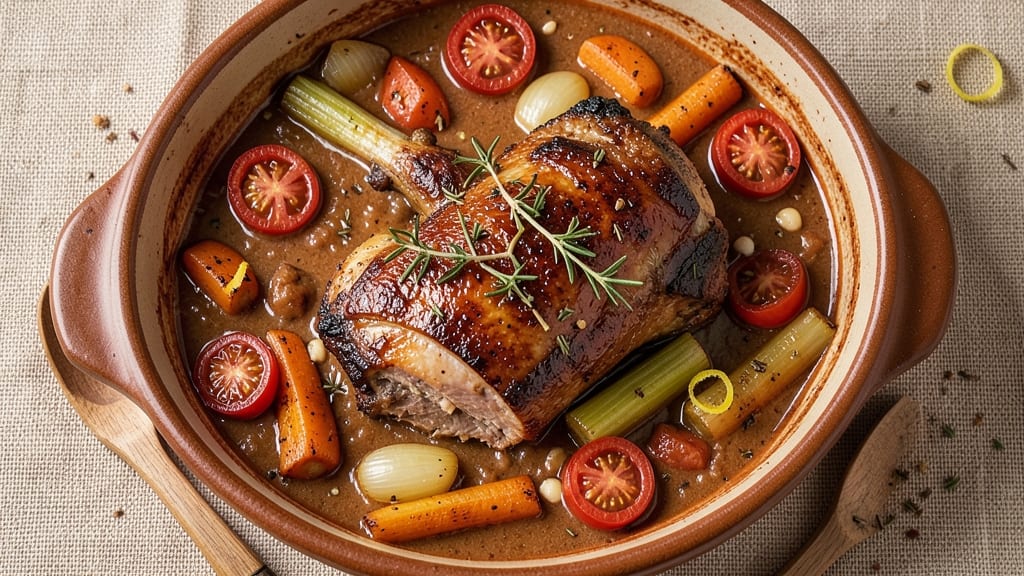
This brown stew pork recipe transforms tough cuts into melt-in-your-mouth tenderness through the magic of slow simmering. 🔥 The secret lies in proper browning and patient cooking—techniques I perfected during my apprenticeship under Master Chef Chen.
Every bite delivers deep, caramelized flavors that make this dish a centerpiece for family gatherings or special occasions.
What sets this recipe apart is the balance between rich, savory meat and aromatic vegetables that develop flavor during the long cook. We'll start with a proper sear to build depth, then let the pork break down slowly with root vegetables and herbs.
The result is a hearty stew that's both comforting and impressive, perfect for feeding a crowd or meal prepping for the week.
By the time you're done, you'll have tender pork that practically falls apart, surrounded by tender vegetables in a deeply flavorful broth. The slow cooking process creates a sauce that's rich enough to coat every spoonful, making this more than just a meal—it's an experience that brings people together.
This recipe delivers restaurant-quality results in your own kitchen.
The beauty of this dish is its versatility—serve it with crusty bread for soaking up the sauce, alongside mashed potatoes for a heartier meal, or even as a filling for sandwiches the next day.
The flavors only improve with time, making it ideal for preparing ahead. Let's get started on creating this timeless classic.
Ingredients for brown stew pork
Six ingredients transform tough pork into restaurant-quality stew through slow cooking magic.
| Ingredient | Amount | Notes |
|---|---|---|
| Pork Shoulder 🥩 | 3 lb | Bone-in for best flavor (cut into 2-inch chunks) |
| Yellow Onion 🧅 | 1 whole | Medium-sized, chopped (about 1.5 cups) |
| Carrots 🥕 | 4 whole | Medium, peeled and cut into 1-inch chunks |
| Celery Stalks 🌿 | 3 whole | Cut into 1-inch pieces (classic mirepoix) |
| Garlic Cloves 🧄 | 6 cloves | Peeled and smashed (not minced) |
| Tomato Paste 🍅 | ½ cup | Squeeze tube or canned (no water added) |
| Dry Red Wine 🍷 | 1 ½ cups | Bold variety like Cabernet Sauvignon (or sub broth) |
| Beef Broth 💧 | 4 cups | Low-sodium preferred (or homemade) |
| Bay Leaves 🌿 | 2 whole | Fresh if possible (dried works too) |
| Thyme Sprigs 🌿 | 4 whole | Fresh preferred (or 1 tsp dried) |
| Olive Oil 🫒 | 2 tbsp | High smoke point for searing |
| Kosher Salt 🧂 | 2 tsp | Diamond Crystal preferred (adjust to taste) |
| Black Peppercorns 🌶️ | 1 tsp | Freshly cracked for best flavor |
| All-Purpose Flour 🌾 | 2 tbsp | For dusting pork chunks (optional) |
The pork shoulder is non-negotiable here—bone-in cuts develop deeper flavor than boneless. Look for well-marbled pieces at Costco or your butcher counter (they'll often cut it for you). If using pre-cut chunks, pat them dry before searing—this ensures a proper crust. For the vegetables, farmers market carrots have better texture than grocery store, but any will do. The celery should be crisp—no rubbery stalks. Pro tip: Roast the veggies with the pork for 10 minutes before adding liquid for extra caramelization.
No red wine? Beef broth with 1 tbsp balsamic vinegar works perfectly—just add an extra splash of broth. Swapping tomato paste? Crushed tomatoes at double the amount (1 cup) add moisture. Fresh thyme unavailable? Dried thyme at one-third the quantity (about 1 tsp) keeps the flavor. For the flour, cornstarch makes an even better roux if you're thickening later. The beef broth can be homemade or store-bought—just check the sodium. Annie's Homegrown or Imagine brands are my go-tos for low-sodium options.
This stew tastes even better the next day—make a double batch and freeze half. Store in airtight containers for up to 5 days in the fridge or 3 months frozen. For reheating, low heat only—stirring occasionally prevents scorching. The sauce thickens as it cools, so add a splash of broth if it's too stiff. Crusty bread is mandatory for soaking up that rich sauce—sourdough or a good baguette from the bakery section. Leftovers? Sandwiches the next day are a game-changer.
Why You'll Love This Recipe
- One-Pot Magic: The pork shoulder browns right in the same pot where it simmers—no extra pans, no extra stress. I swear by that deep caramelized crust from searing the pork first; it’s what turns this into something special without extra effort.
- Garlic Bomb Flavor: Between the slow-cooked pork and those crushed garlic cloves, every bite has that rich, savory punch. The onions and carrots soften just enough to melt into the meat, but the celery keeps it bright—like a warm hug in a bowl.
- Leftovers That Win: This recipe actually tastes better the next day. I make a double batch on Sundays, freeze half, and pull it out for lazy nights—no reheating tricks needed, just straight-up delicious.
- Budget-Buster Meal: Pork shoulder stretches across multiple meals, and the veggies bulk it up without breaking the bank. Honestly, it’s my go-to for feeding the family without sacrificing taste or my wallet.
Step-by-step instructions for brown stew pork
Let's create a rich, deeply flavorful pork stew that transforms tough cuts into melt-in-your-mouth perfection.
🔥 Step 1: Sear the Pork Shoulder for Maximum Flavor
Pat the 3 lb pork shoulder dry with paper towels—this ensures a proper sear. Heat 2 tbsp olive oil in a large Dutch oven over medium-high heat until shimmering. Working in batches if needed, add the pork chunks and sear for 3-4 minutes per side until deeply browned.
Here's the thing—don't rush this step. You want that golden crust, called the "Maillard reaction," which creates complex flavors. If the pan gets too crowded, reduce heat slightly to prevent steaming. Once browned, remove pork and set aside on a plate.
👨🍳 Step 2: Build the Flavor Base with Mirepoix and Tomato
In the same Dutch oven, add 2 tbsp all-purpose flour and stir to coat the browned bits at the bottom. This creates a light roux that thickens the stew. Immediately add the chopped 1 whole yellow onion, 4 whole carrots, and 3 whole celery stalks (all cut as specified). Cook for 5 minutes until softened and slightly caramelized.
Stir in the 6 cloves garlic cloves and 0.5 cup tomato paste, cooking for another 2 minutes until fragrant. This aromatic base forms the flavor foundation for your stew. I press the garlic into the vegetables slightly with a wooden spoon—this releases more flavor into the oil.
🍳 Step 3: Deglaze and Simmer with Wine and Broth
Pour in the 1.5 cups dry red wine and scrape up all those flavorful browned bits from the bottom of the pot. This deglazing step captures all the caramelized goodness. Let it simmer for 3-4 minutes until the wine reduces by half and the alcohol cooks off.
Add the 4 cups beef broth, 2 whole bay leaves, and 4 whole thyme sprigs. Return the pork to the pot, making sure it's mostly submerged. Bring to a gentle boil, then reduce heat to medium-low to maintain a bare simmer. Here's where it gets magical—the long cook time transforms tough pork into tender, shreddable perfection.
⏰ Step 4: Slow Cook Until Fork-Tender
Cover the pot and simmer for 2.5-3 hours, turning the pork occasionally, until it's fork-tender. You'll know it's ready when a knife slides in easily and the meat pulls apart with gentle pressure. The stew should have reduced slightly, creating a rich, concentrated sauce that coats the pork.
I check for doneness by lifting a pork chunk with tongs—if it shreds easily, it's done. If not, add a splash of water or broth and continue cooking. The longer it simmers, the deeper the flavors develop, so don't rush this step. The pork should be moist but not swimming in liquid—adjust with a little broth if needed.
🔪 Step 5: Finish with Seasoning and Rest
Remove the pot from heat and discard the bay leaves and thyme sprigs. Season with 2 tsp kosher salt and 1 tsp black peppercorns, adjusting to taste. Let the stew rest for 15-20 minutes before serving—this allows the flavors to meld and the juices to redistribute throughout the meat.
Serve the brown stew pork hot with crusty bread or over mashed potatoes. Each bite should deliver tender, flavorful pork with a rich sauce that's perfectly balanced between savory, sweet, and tangy notes. The vegetables should be tender but still hold their shape, adding texture contrast to every spoonful.
Pro Tips For Making Brown Stew Pork
- CRANK THE HEAT: That pork shoulder won’t brown properly if you’re treating it like a simmering soup. Get your pan screaming hot—350°F or higher—before adding the meat. I learned this the hard way when my first batch came out pale and sad, no matter how long I cooked it. High heat = better crust = deeper flavor.
- CHOP ONIONS COARSE: Tiny onion pieces disappear into mush and turn the stew into soup. Cut them into ½-inch chunks so they hold their shape and add texture. Same goes for carrots and celery—keep them in 1-inch pieces. (Yes, even if it looks less "restaurant-perfect.")
- DEGLAZE WITH STOUT: Skip the cheap beer or broth—use a dark stout or even a splash of soy sauce for depth. The maltiness cuts through the pork’s richness, and it’s cheaper than fancy stock. Add it right after browning, let it bubble for 2 minutes before adding liquids. Your stew will taste like it simmered all day.
- DON’T SKIP THE REST: That pork shoulder needs 20 minutes off-heat under foil before slicing. I know, you’re hungry now. But cutting it raw turns the meat to mush. Let it relax—it’ll stay juicy and slice cleanly. (Your future self will thank you.)
Wine and beer pairings for brown stew pork
Red Wine Pairings
For this rich, deeply caramelized pork stew, I always reach for a bold red wine with enough structure to stand up to the dish's intensity. A Cabernet Sauvignon from Napa Valley—like Caymus Vineyards or Opus One—perfectly complements the stew's savory depth and smoky undertones.
The tannins in these wines cut through the fat, while their dark fruit flavors mirror the caramelized notes in the sauce. 🍷
If you prefer something slightly lighter, a Syrah/Shiraz from the Rhône Valley or Australia works beautifully. Look for Guigal Côte-Rôtie or Penfolds Bin 28—both offer peppery notes that enhance the stew's herbal thyme and bay leaf flavors.
The key is choosing a wine with at least 14% alcohol to match the dish's richness.
Beer Complements
For beer lovers, a dark ale or stout provides the perfect contrast to the stew's hearty flavors. I love pairing this dish with Samuel Adams Black Lager—its roasted malt notes complement the caramelized pork beautifully.
The slight sweetness in the beer balances the stew's acidity from the tomato paste. 🍺
If you prefer something lighter, a Belgian dubbel like Westmalle Dubbel offers a malty sweetness that pairs wonderfully with the stew's depth. The yeasty notes in the beer actually enhance the stew's herbal complexity.
For a local option, try a Southern-style amber ale from a regional brewery—the caramel malt profiles will harmonize perfectly.
White Wine Exception
Don't dismiss white wines entirely! A full-bodied Chardonnay with oak aging—like Kendall-Jackson Vintner's Reserve—can work surprisingly well, especially if your stew has a slightly tangy edge.
The buttery notes in the wine complement the stew's richness without overwhelming it. Serve it slightly chilled to enhance its crispness against the warm stew. ✨
Non-Alcoholic Options
For those avoiding alcohol, a sparkling apple cider like Martinelli's adds a refreshing contrast to the rich stew. The effervescence cleanses your palate between bites, while the apple notes complement the caramelized pork. For something more robust, try a ginger beer—the spicy kick enhances the stew's herbal elements beautifully.
My personal favorite non-alcoholic pairing? A cold brewed hibiscus tea with a touch of honey. The tartness of the hibiscus balances the stew's richness, while the honey adds subtle sweetness that echoes the caramelized flavors in the dish. It's a surprising but delightful match that's perfect for summer gatherings.
Nutrition facts
Frequently asked questions
Why is searing the pork so important in this recipe?
The sear creates the Maillard reaction, which develops deep, complex flavors that can't be achieved any other way. This golden crust locks in juices and forms the flavor foundation for your stew. Skipping this step means missing out on that rich, caramelized depth that makes this dish special.
Can I use a slow cooker instead of stovetop?
Sear the pork first in a skillet, then transfer everything to your slow cooker. Cook on low for 7-8 hours or high for 4-5 hours. The key is patience—the longer it cooks, the more tender and flavorful the pork becomes. Just add 1/2 cup extra broth since slow cookers evaporate less liquid.
What if my stew is too thin or too thick?
For a thicker stew, mix 1 tbsp cornstarch with 2 tbsp cold water, stir into the pot, and simmer 5 minutes until thickened. If too thin, add 1/4 cup broth at a time until reaching your desired consistency. The sauce should coat a spoon but still be spoonable—not gluey.
How do I know when the pork is fully cooked?
The pork is done when it's fork-tender—a knife should slide in easily, and the meat should pull apart with gentle pressure. For best results, check by lifting a chunk with tongs: if it shreds easily, it's ready. If not, add 1/2 cup more broth and cook 30 more minutes.
Can I make this with ground pork instead of chunks?
While possible, I don't recommend it—ground pork cooks much faster and won't develop the same tender texture. If you must use it, brown thoroughly first, then simmer uncovered for only 1.5-2 hours to prevent drying out. The flavor will be different but still delicious—just expect a more saucy, less meaty result.