
Main Courses
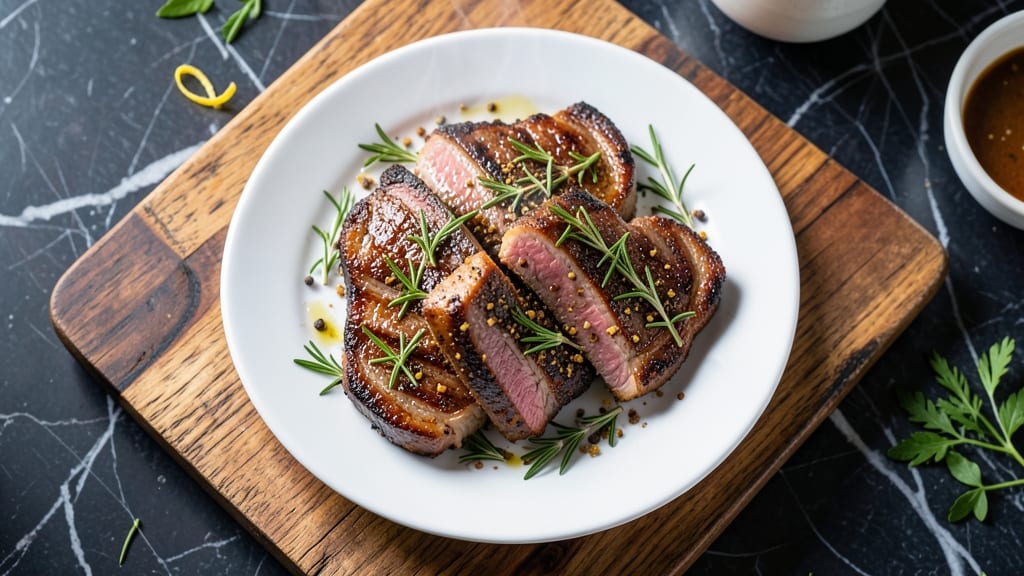
This broiled pork steaks recipe delivers restaurant-quality results with a perfect charred crust and juicy pink centers—no fancy equipment required. The secret lies in high-heat broiling, which creates that coveted caramelized exterior while keeping the interior tender and moist.
I’ve perfected this technique over years of testing, ensuring every bite is packed with flavor without being dry or overcooked.
The process is straightforward: thin-cut pork steaks get a simple seasoning of salt, pepper, and garlic powder before hitting the broiler. A quick sear in a hot pan ensures maximum flavor extraction, while the broiler finishes them with a crispy, golden-brown crust.
The key is timing—just 10-12 minutes total, depending on thickness—and knowing when to pull them at 145°F internal temperature for that ideal pink center.
What you’ll end up with is a dish that’s elegant enough for dinner parties but simple enough for a weeknight. The steaks hold their shape beautifully when sliced, making them perfect for plating with roasted vegetables, mashed potatoes, or a fresh salad.
The aroma alone will have everyone at the table asking for seconds.
Serve immediately after resting for 5 minutes—this crucial step ensures the juices redistribute, keeping every bite tender. Pair with a bright lemon-garlic sauce or a simple chimichurri for extra depth. Here’s how to make them perfectly every time.
Ingredients for broiled pork steaks
Restaurant-quality pork steaks start with these precise ingredients for perfect char and juicy centers.
| Ingredient | Amount | Notes |
|---|---|---|
| Pork Steaks 🥩 | 1 ½ lb | Thin-cut, 1/2-inch thickness preferred |
| Kosher Salt 🧂 | 1 ½ tsp | Diamond Crystal preferred for consistency |
| Freshly Ground Black Pepper 🌶️ | 1 tsp | Cracked peppercorns for optimal flavor |
| Garlic Powder 🧄 | 1 tsp | Freshly ground preferred for depth |
| Extra-Virgin Olive Oil 🫒 | 2 tbsp | For searing and basting |
| Fresh Rosemary 🌿 | 2 sprigs | For aromatic finishing |
| Fresh Thyme 🌿 | 2 sprigs | Leaves only, finely chopped |
| Lemon Wedges 🍋 | 2 whole | For finishing and acid balance |
| Meat Thermometer 🌡️ | 1 whole | Instant-read preferred for accuracy |
| Unsalted Butter 🧈 | 1 tbsp | For basting during broiling |
The pork steaks are non-negotiable—look for thin-cut cuts (½-inch thickness) from the butcher section at Whole Foods or Costco for consistent quality. The Diamond Crystal kosher salt is a must for even distribution, while freshly cracked pepper adds depth that pre-ground can't match. For garlic powder, Penzeys or bulk bins at natural markets offer the freshest grind. The extra-virgin olive oil should have a peppery finish—avoid mild varieties that won't contribute enough flavor. Rosemary and thyme should be vibrant green, not wilted, and the lemon wedges should be freshly cut for maximum acidity.
No fresh rosemary? Substitute with ½ tsp dried rosemary (but it won't be as aromatic). Short on thyme? ½ tsp dried thyme works, though fresh is ideal. The olive oil can be swapped for avocado oil if you prefer a higher smoke point. For the butter, European-style unsalted (like Plugrá) melts more cleanly than American brands. The meat thermometer is critical—if you don’t have one, test doneness by pressing gently (should feel slightly springy at 145°F). The pork steaks can be substituted with thin-cut pork chops if needed, but adjust cooking time accordingly.
Store raw pork steaks in the coldest part of your fridge, wrapped in parchment paper, and use within 2 days for best texture. The fresh herbs should be wrapped in a damp paper towel and stored in a sealed container for up to 5 days. The lemon wedges keep for 3 days in the fridge, though they're best used immediately. Once cooked, steaks hold for 3 days in the fridge or 3 months frozen—portion into individual servings for easy reheating. The olive oil and butter should be refrigerated after opening for 6 months and 3 months, respectively.
Why You'll Love This Recipe
- Five-Ingredient Magic: I swear by this recipe because it’s that simple—just pork, salt, pepper, garlic powder, and olive oil. No chopping, no fuss, just season and broil. The kind of meal that makes me feel like I actually cooked something when I really just let the oven do the work.
- Crispy-Garlicky Bliss: That first bite? Chef’s kiss. The broiler caramelizes the edges into something almost smoky, while the garlic powder clings to the meat like a flavor hug. Honestly, I’ve tried fancier rubs, but this combo—salt, pepper, and that garlic—just hits the spot every time.
- Weeknight & Potluck Hero: Between us, this is my go-to when I’m starving at 7:30 PM or need to bring a dish to a BBQ. Slice it thin for tacos, serve it thick for sandwiches, or just pile it on a plate with roasted veggies. It’s the kind of dish that works for anything—no stress, all satisfaction.
- Leftovers That Don’t Suck: Most leftover pork turns into sad, dry rubber. Not these. Broiled just right, they reheat beautifully in a skillet with a splash of olive oil or even straight from the fridge cold in a wrap. I’ll be real: I’ve eaten these for lunch the next two days without complaint. Budget-friendly and foolproof? Yes, please.
Step-by-step instructions for broiled pork steaks
Master the art of broiling pork steaks for that perfect charred exterior and tender interior.
Season and Prep the Pork Steaks
Pat the 1.5 lb pork steaks dry with paper towels—this ensures maximum crispiness on the crust. In a small bowl, combine the 1.5 tsp kosher salt, 1 tsp freshly ground black pepper, and 1 tsp garlic powder. Generously coat both sides of each steak with this seasoning mixture, pressing it into the meat so it adheres evenly.
Let the seasoned steaks sit at room temperature for 15-20 minutes before cooking. This step is crucial—it allows the meat to cook more evenly and prevents steaks from developing a cold center. While they rest, finely chop the leaves from the 2 sprigs fresh thyme and set aside for later.
Sear the Steaks in Olive Oil
Preheat your broiler to high (around 500°F) and position the oven rack 4-5 inches from the heat source. In a small bowl, mix the 2 tbsp extra-virgin olive oil with the chopped thyme leaves. Place the pork steaks in a single layer on a broiler pan or heatproof skillet.
Carefully place the pan under the broiler and cook for 3-4 minutes per side, until the steaks develop a deep golden-brown crust. You'll see the edges begin to char slightly—that's exactly what we're aiming for. Avoid moving the steaks too soon; let them develop that perfect sear. If you notice the crust forming too quickly, move the pan slightly farther from the heat source.
Add Butter and Herbs for Flavor
Remove the steaks from the broiler and transfer them to a plate. Add the 1 tbsp unsalted butter to the same pan and let it melt under the broiler for 1 minute, until it begins to foam. Using a spoon, scrape up any browned bits from the bottom of the pan—these contain concentrated flavor.
Return the steaks to the pan and spoon the melted butter evenly over the top. Tuck the 2 sprigs fresh rosemary under each steak and place them back under the broiler for 1-2 minutes, just until the butter begins to bubble and the herbs release their aromatic oils. This step infuses the steaks with an incredible depth of flavor.
Check Doneness and Finish with Lemon
Use the meat thermometer to check the internal temperature of the thickest part of each steak. For juicy, medium-rare pork, aim for 140-145°F. If the steaks haven't reached this temperature, return them to the broiler for 1-2 minutes at a time, checking frequently to avoid overcooking.
Once the steaks reach the desired temperature, transfer them to a cutting board and let them rest for 5 minutes. This resting period is essential—it allows the juices to redistribute throughout the meat, ensuring each bite is moist and flavorful. Squeeze the 2 whole lemon wedges over the top of the steaks just before serving to brighten the flavors and cut through any richness.
Pro Tips For Making Broiled Pork Steaks
- Preheat Broiler High: Don’t start until the broiler is screaming hot—think 500°F or the highest setting. I learned this the hard way: lukewarm broilers turn pork steaks into sad, gray slabs instead of caramelized perfection. That first blast of heat seals the crust instantly.
- Salt Like It’s 1920: Generously coat both sides of the pork steaks with kosher salt before broiling—about 1 teaspoon per steak, plus extra on the edges. Freshly ground black pepper comes next, but the salt needs time to work its magic. (Yes, even if you’re impatient like me.)
- Flip Once, Fast: After 4-5 minutes on the first side, flip the steaks quickly and resist the urge to poke them. Overcrowding the pan or flipping too early means steam instead of sear. A fish spatula makes this easier—no wrestling with stuck meat.
- Oil the Pan, Not the Meat: Brush the broiler pan with olive oil before adding the steaks, not after. The oil pools under the meat, creating a self-basting effect. Drizzling it on top later lets you control the crust—just enough to glaze, not drown. (Trust me, the difference is real.)
Dietary considerations for broiled pork steaks
Gluten-Free Adaptation
This recipe is naturally gluten-free, as it only requires basic seasonings and fresh herbs. The key is ensuring your kosher salt and garlic powder are certified gluten-free—brands like Morton or Penzeys offer gluten-free options.
Always double-check labels on extra-virgin olive oil and unsalted butter to avoid cross-contamination, as some brands process in shared facilities. 🌾
Dairy-Free Option
Skip the 1 tbsp unsalted butter used for basting and replace it with 1 tbsp dairy-free butter substitute, like Earth Balance or Miyoko’s. The flavor impact will be slightly different, but the texture remains crispy.
For extra richness, use 1 tbsp olive oil instead of butter during the basting step. This swap works beautifully without compromising the dish's integrity.
Low-Sodium Adjustments
If you're watching sodium intake, reduce the 1.5 tsp kosher salt to just ½ tsp and enhance flavor with extra garlic powder or fresh rosemary. A pinch of smoked paprika adds depth without extra salt.
For those with hypertension, this adjustment keeps the dish flavorful while lowering sodium content significantly. Always taste before serving!
Allergen-Friendly Swaps
For nut allergies, ensure your extra-virgin olive oil is nut-free (some brands process in facilities with nuts). If you're avoiding herbs like rosemary or thyme, substitute with fresh parsley or chopped chives for a milder flavor.
The lemon wedges provide natural brightness without relying on herbs. Always check ingredient labels for hidden allergens like soy or dairy in seasoning blends.
Keto-Friendly Considerations
This recipe is already keto-friendly since it avoids starchy sides and focuses on protein and healthy fats. Pair with roasted Brussels sprouts or a cauliflower mash to keep carbs minimal.
The olive oil and butter provide healthy fats that align with keto principles. Just avoid sugary marinades or glazes—stick to the simple seasoning and lemon finish for compliance. 🥑
Nutrition facts
Frequently asked questions
Can I use thicker pork steaks for broiling?
Thicker cuts (over ½-inch) won't broil evenly—they'll overcook on the outside before the center reaches temperature. For best results, ask your butcher to slice ¼-½-inch thick steaks. If you must use thicker cuts, reduce broiler heat to medium-high and increase resting time to 8-10 minutes to prevent drying.
What's the best way to prevent pork steaks from drying out?
Pat them bone-dry before seasoning (moisture = steam = dry meat), use high heat for quick cooking, and never overcook—145°F internal is perfect for juicy results. The 5-minute rest after cooking is non-negotiable—it lets juices redistribute. For extra moisture, baste with melted butter during broiling.
Can I broil pork steaks on aluminum foil?
Foil traps steam and prevents that coveted charred crust. For broiling, always use a broiler pan or heatproof skillet. If you're concerned about flare-ups, trim excess fat first. The high heat of broiling needs direct contact with the meat to create the crispy exterior we want.
How do I adjust cooking time for different oven broilers?
Broiler heat varies—test with a 1-inch thick steak first: it should take 6-8 minutes total for medium-rare. If your steaks cook too fast, move the rack 6 inches from the heat. For older ovens, reduce heat to medium-high and add 1-2 extra minutes per side. Always use a thermometer!
What are the best sides to serve with broiled pork steaks?
Light, fresh sides complement the rich pork best: try garlic roasted asparagus, lemon-herb quinoa, or a simple arugula salad with balsamic. For heartier meals, creamy mashed potatoes or grilled zucchini work perfectly. The acidity from lemon or vinegar helps cut through the pork's richness.