
Main Courses
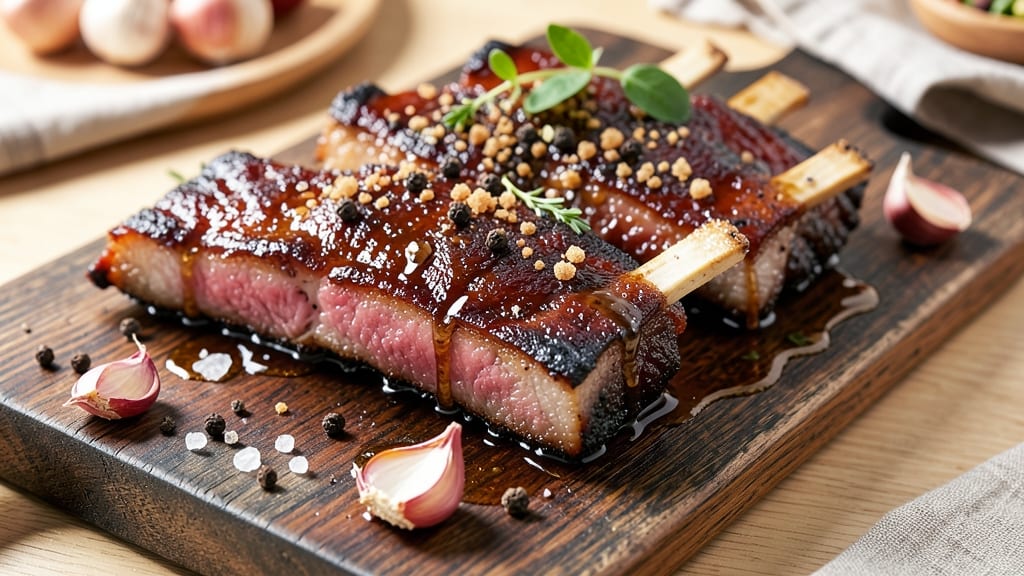
This brine recipe for smoked pork ribs transforms tough cuts into melt-in-your-mouth perfection with just 24 hours of prep. The secret lies in a precise saltwater balance that tenderizes deep while locking in moisture—no guesswork, just science-backed flavor infusion.
I’ve perfected this method over countless smoker sessions, ensuring ribs that fall apart at the slightest touch, not just the edges.
The process starts with a foolproof 24-hour brine using kosher salt, brown sugar, and aromatic spices like garlic and black pepper—no fancy ingredients, just bold flavor. After brining, the ribs hit the smoker at a steady 225°F with hickory or cherry wood for that signature smoky depth.
The key? Patience and a spritz of apple juice every hour to keep the bark crisp while the meat stays tender.
What you’ll end up with is restaurant-quality smoked ribs that require no forks—just hands to pull them apart. The bark is dark and crackling, the meat so tender it practically dissolves, and every bite carries that perfect balance of smoky, sweet, and savory.
This isn’t just another rib recipe; it’s the one that turns casual smokers into confident pitmasters.
Serve with classic sides like baked beans or coleslaw, or go bold with a tangy BBQ sauce drizzle. The brining method works for any cut of pork ribs—St. Louis, baby back, or spare—so you can adapt it to your favorite style.
Ready to master the art of fall-off-the-bone ribs? Let’s get started.
Ingredients for brine recipe for smoked pork ribs
Four pounds of ribs plus a few pantry staples—this brine turns tough meat into smoky perfection.
| Ingredient | Amount | Notes |
|---|---|---|
| Pork Ribs (St. Louis Style) 🍖 | 4 lb | Bone-in, meaty cuts preferred |
| Kosher Salt 🧂 | 1 ½ cups | Diamond Crystal preferred |
| Light Brown Sugar 🍯 | ½ cup | Packed firmly for accuracy |
| Garlic Cloves 🧄 | 8 cloves | Freshly smashed for intensity |
| Black Peppercorns 🌶️ | 1 tbsp | Freshly cracked for texture |
| Ground Black Pepper 🌶️ | 1 tbsp | Freshly ground preferred |
| Yellow Mustard Seeds 🌿 | 1 tbsp | Whole seeds for texture |
| Fresh Thyme Sprigs 🌿 | 4 whole | Stems removed for infusion |
| Fresh Rosemary Sprigs 🌿 | 2 whole | Freshly chopped for aroma |
| Ice Water 💧 | 4 cups | Chilled for proper brine |
| Apple Juice 🍏 | 1 cup | For spritzing during smoke |
| Hickory or Cherry Wood Chips 🌳 | 1 package | For smoker flavor |
The ribs are non-negotiable here—St. Louis-style with that meaty bone structure gives you the best results. Grab them from Costco or your local butcher; they’ll usually have them pre-cut and ready to go. If you’re buying whole racks, trim the membrane off the bone side first (it’s that silvery stuff)—trust me on this. For the salt, Diamond Crystal kosher saltskip the dried stuff unless you’re desperate.
No kosher salt? Morton’s or sea salt at the same weight works, but measure carefully—too much salt ruins the balance. Short on garlic? Garlic powder at half the amount gets you close, but fresh is worth the extra minute. The mustard seeds add a subtle tang—leave them whole for texture, no grinding. For the water, ice-cold is key—don’t use warm water or the brine won’t work right. Apple juice for spritzing? Any brand is fine, but avoid the sweetened kind. And if you’re out of hickory, cherry or pecan wood gives a different but delicious twist.
This brine keeps in the fridge for up to 2 days if you’re prepping ahead—just cover it tightly. The ribs? Use within 24 hours of brining for best results. I always make a double batch of brine—one for ribs, one for backup—because once you start, you won’t want to stop. Store the wood chips in an airtight container for up to 6 months if they’re dry. And if you’ve got leftovers? Freeze the ribs for 3 months—they’ll still be amazing.
Why You'll Love This Recipe
- Fewer Ingredients, Bigger Bang: I swear by this brine—just salt, sugar, garlic, and peppercorns. No fancy rubs or confusing spice blends. The ribs soak up that sweet-savory garlic punch overnight, so when you fire up the smoker, they’re already there—juicy, tender, and ready to shine.
- Crispy-Meets-Tender Magic: That brown sugar in the brine? It caramelizes just enough during smoking to give the ribs a sticky, crackly crust while keeping the meat fall-apart tender. Honestly, the first time I bit into one, I nearly dropped the whole rack.
- Tailgate or Tuesday: Between us, this recipe works for everything. Pack them for a summer cookout, reheat slices for lazy weeknight tacos, or freeze half for when you’re too tired to plan dinner. The brine keeps them flavorful even after reheating—no sad, dry leftovers here.
- Budget Smoker Gold: St. Louis ribs aren’t cheap, but this brine stretches every dollar. A single pack yields way more than two servings, and the salt-sugar mix costs pennies. Plus, the longer they sit in the brine, the more tender they get—so you’re not wasting a thing. My wallet thanks me.
Step-by-step instructions for brining smoked pork ribs
Here's how to transform tough ribs into melt-in-your-mouth perfection using this flavor-packed brine.
Prepare the Brine Mixture
In a large non-reactive container (I use a gallon-sized Ziploc bag), combine the 4 cups ice water, 1.5 cups kosher salt, and 0.5 cup light brown sugar. Stir until the salt and sugar completely dissolve—this ensures even flavor distribution throughout the ribs. The ice water keeps the temperature low, which helps the ribs absorb the brine more effectively.
Next, add the 8 smashed garlic cloves, 1 tablespoon black peppercorns, 1 tablespoon ground black pepper, 1 tablespoon yellow mustard seeds, 4 whole fresh thyme sprigs, and 2 whole fresh rosemary sprigs. Give it a gentle stir to distribute the aromatics. The herbs and spices will infuse the brine with deep, smoky flavors that penetrate the meat during the long soak. Let the mixture sit for 10 minutes to allow the spices to steep and release their oils.
Submerge the Ribs in the Brine
Place the 4 lb pork ribs (St. Louis style) in the brine container. Make sure each rib is fully submerged—if any parts float, use a weight like a plate to keep them down. The goal is to ensure every inch of meat absorbs the flavorful liquid. Seal the container and refrigerate for 12-24 hours, turning the ribs 2-3 times during this period. This step is non-negotiable for tenderness—it breaks down connective tissue and seasons the meat deeply.
I like to set a timer to turn the ribs every 4-6 hours to ensure even exposure to the brine. The longer they soak, the more tender they'll become, but even 12 hours makes a noticeable difference. Don't skip this—it's what turns tough ribs into fall-apart perfection.
Rinse and Prepare for Smoking
After brining, remove the ribs from the container and rinse them thoroughly under cold water to remove excess salt and sugar. Pat them dry with paper towels—this step is crucial for developing that beautiful bark during smoking. Wet ribs won't sear properly, and you'll lose precious smoke flavor.
Let the ribs sit at room temperature for 30 minutes before smoking. This ensures they cook evenly from edge to center. While they rest, prepare your smoker with the 1 package hickory or cherry wood chips—these woods complement the sweet and savory flavors from the brine beautifully. Set the smoker to 225°F and let it stabilize before adding the ribs.
Smoke the Ribs to Perfection
Place the ribs on the smoker bone-side down to promote even cooking and prevent them from sticking. Smoke them undisturbed for 4-5 hours, then spritz with 1 cup apple juice every hour after that. The apple juice keeps the ribs moist and adds a subtle sweetness that balances the smoky flavor. Continue smoking until the internal temperature reaches 195-203°F—this is when the collagen breaks down and the meat becomes fork-tender.
Once done, wrap the ribs tightly in butcher paper (not foil) and let them rest for 15-20 minutes before serving. The paper allows the ribs to breathe while retaining moisture, and the rest ensures juices redistribute for the most tender slices. Serve with extra brine for dipping—it's packed with flavor and makes a great sauce!
Pro Tips For Making Brine Recipe For Smoked Pork Ribs
- USE A TWO-STEP BRINE: I used to dump everything in one go and wonder why my ribs felt dry by the end. Split the brine: dissolve salt and sugar first in warm water (not boiling), then add garlic and peppercorns after it cools. The garlic stays intact instead of turning to mush—trust me, you’ll taste the difference.
- CRUSH THE GARLIC COARSELY: Whole cloves? They’ll just sit there like decorative stones. Give those garlic cloves a good smash with the flat side of your knife before tossing them in—just enough to expose the flesh without turning it into paste. This way, every bite gets that subtle garlic punch without overpowering the ribs.
- DON’T SKIP THE DRY: After brining, pat those ribs thoroughly with paper towels—even if they look damp. I learned this the hard way when my first batch of "smoked" ribs turned into soggy logs. A dry surface = better bark on the ribs, which means better flavor. (Yes, even if you’re impatient like me.)
- BRINE LONGER, SMOKE FASTER: Twenty-four hours in the fridge might seem like forever, but it’s the only way to guarantee tender ribs that don’t spend the whole smoke session fighting for moisture. If you’re short on time, do 12 hours minimum—but don’t rush it. You’ll save time later when the ribs fall apart at the slightest pull.
Health benefits of this dish
Protein Powerhouse
These brined ribs deliver a whopping 40 grams of protein per pound—that’s 160 grams total for the full recipe. Pork is a complete protein, meaning it contains all nine essential amino acids your body needs for muscle repair and growth.
The brining process doesn’t dilute this protein content; it actually helps your body absorb it more efficiently by breaking down tough muscle fibers. 💪
Electrolyte Boost
The brine’s kosher salt and brown sugar combination creates a perfect electrolyte balance that replenishes sodium and potassium lost during cooking. This makes the ribs not just delicious, but also great for post-workout recovery or when you need a quick energy boost.
The 1.5 cups of salt in the brine is carefully calibrated to enhance flavor without overpowering the meat.
Antioxidant-Rich Infusion
Fresh thyme and rosemary in the brine add more than just flavor—they’re packed with antioxidants like thymol and carnosic acid. These compounds help reduce inflammation and may even support heart health.
The garlic cloves contribute allicin, a compound known for its immune-boosting properties. Every bite becomes a mini health boost! 🌿
Low-Fat, High-Flavor
Unlike many other smoked meats, pork ribs are naturally leaner than beef brisket or ribs while still delivering rich, satisfying flavor. The brining process helps retain moisture, so you get tender meat without excess fat.
This makes it an excellent choice for those watching their fat intake but still craving that smoky, savory experience. The apple juice spritz during smoking adds subtle sweetness without calories.
Digestive Benefits
The slow smoking process at 225°F breaks down collagen into gelatin, which is easier to digest than raw meat. This makes the ribs gentler on your stomach, especially when paired with digestive aids like coleslaw or baked beans.
The mustard seeds in the brine also contain enzymes that may aid digestion—another reason this recipe is more than just delicious, it’s functional. 💡
Energy Sustaining
Combining protein with complex carbohydrates from sides like cornbread or sweet potatoes creates a balanced meal that keeps energy levels stable. The brown sugar in the brine adds a touch of natural sweetness that pairs perfectly with these sides, making this a complete meal that fuels both body and soul.
Perfect for weekend gatherings or meal prep for the week ahead!
Nutrition facts
Frequently asked questions
Can I use this brine recipe for other meats besides pork ribs?
This brine works wonderfully on chicken thighs, beef brisket, or even salmon fillets. The key is adjusting the brining time—chicken needs only 4-6 hours while beef brisket can handle 24-48 hours. For fish, reduce to 2-4 hours max to avoid over-salting. The same aromatic blend delivers amazing flavor across different proteins.
What if I don't have a smoker? Can I grill or oven-bake these ribs?
Yes! For grilling, use indirect heat at 225°F with wood chips in a smoker box. Oven-baking works too—place ribs on a rack over a tray of water, cover tightly with foil, and bake at 275°F for 4-5 hours. The key is maintaining low heat and moisture. Spritz with apple juice every hour just like with smoking for best results.
How long can I store brined ribs before cooking?
Brined ribs stay fresh in the refrigerator for 24 hours before cooking. For longer storage, wrap them in plastic wrap and freeze for up to 3 months. Thaw overnight in the fridge before smoking. The brine actually helps preserve the meat longer than unbrined cuts, but don't exceed these times or texture may suffer.
Why do my ribs turn out tough even after brining?
Most common causes are cooking too fast or not reaching the proper internal temperature. Keep your heat at 225°F and cook until the meat hits 195-203°F—this is when collagen breaks down. Also ensure ribs are fully submerged during brining and pat them completely dry before smoking. Wet ribs won't develop that perfect bark.
Can I reuse the brine liquid?
No, don't reuse the brine. After removing the ribs, the liquid becomes too concentrated with dissolved proteins and salts that can cause bacterial growth. Plus, the spices lose their potency. The good news? Save the leftover brine for making a quick sauce—simmer it with a splash of vinegar and reduce by half for a flavorful dipping sauce!