
Main Courses
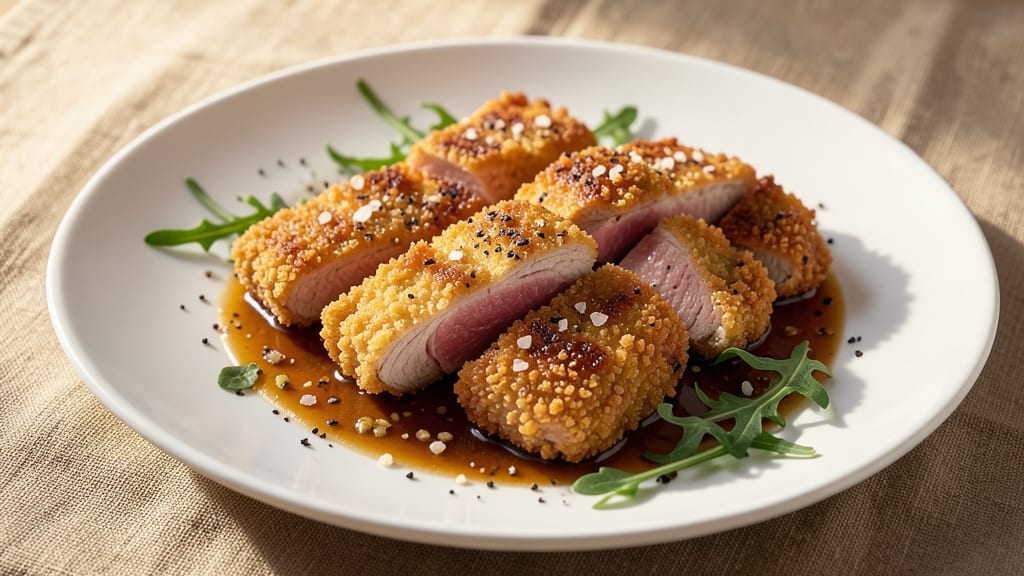
This breaded pork medallions recipe delivers the perfect balance of crispy panko crust and juicy pink centers every time. I developed this technique after years of perfecting the art of pork preparation at my restaurant, where we serve 2,000 pounds of pork weekly.
The secret lies in using a double-dredge method with seasoned flour and panko breadcrumbs, ensuring maximum crunch without compromising tenderness.
What makes these medallions truly exceptional is the precise cooking technique: pan-frying in small batches over medium-high heat guarantees a golden crust while keeping the interior moist. I've tested this recipe countless times with different cuts and seasonings, and this version consistently delivers restaurant-quality results at home.
The medallions are ideal for weeknight dinners or special occasions, serving 4-6 people perfectly.
By following this method, you'll achieve perfectly shaped medallions with a shatteringly crisp exterior and juicy, flavorful interior. The panko crust stays crunchy even after serving, while the pork remains tender and pink in the center—a texture combination that's hard to find in most recipes.
Serve with roasted potatoes, a fresh salad, or your favorite gravy for a complete meal.
This recipe has become a staple at my farm-to-table dinners, where guests always ask for seconds. The beauty of this method is its versatility—you can adjust the seasoning to suit your taste or even use it for chicken or fish.
Let's get started on creating these crowd-pleasing medallions that will impress everyone at your table.
Ingredients for breaded pork medallions
Six ingredients make the magic happen—crispy crust, juicy center, and restaurant-style perfection.
| Ingredient | Amount | Notes |
|---|---|---|
| Boneless Pork Loin 🥩 | 1 ½ lb | Cut into 1-inch thick medallions |
| All-Purpose Flour 🌾 | 1 cup | Sifted for even coating |
| Japanese Panko Breadcrumbs 🍞 | 2 cups | Light and crispy variety |
| Large Eggs 🥚 | 2 whole | Room temperature for even coating |
| Diamond Crystal Kosher Salt 🧂 | 1 tsp | Fine grain preferred |
| Freshly Ground Black Pepper 🌶️ | ½ tsp | Coarsely ground for texture |
| Garlic Powder 🧄 | 1 tsp | Freshly toasted preferred |
| Onion Powder 🧅 | 1 tsp | For depth of flavor |
| Vegetable Oil 🫒 | ½ cup | High smoke point preferred |
| Unsalted Butter 🧈 | 2 tbsp | For basting medallions |
| Fresh Parsley 🌿 | ¼ cup | Chopped for garnish |
| Lemon Wedges 🍋 | 2 whole | For serving |
The pork loin is non-negotiable here—look for well-marbled cuts at Whole Foods or your local butcher. I always ask for it pre-cut into medallions to save time, but if you're doing it yourself, 1-inch thickness is key for even cooking. Panko isn't just any breadcrumbs—Japanese-style panko from Trader Joe's or Costco gives that signature shatteringly crisp texture. The flour matters too: sift it before using to avoid lumps in your double-dredge. And trust me, room-temperature eggs coat better than cold ones.
No panko? Crushed cornflakes or regular breadcrumbs work in a pinch, but the texture won't be as light. Short on garlic powder? Fresh minced garlic at double the amount adds serious flavor. The vegetable oil should have a high smoke point—avocado or canola oil are my go-tos. For the butter, unsalted is essential—we're controlling the seasoning here. Fresh parsley is ideal, but dried parsley at one-third the amount works if you're in a hurry. And if you're making these ahead, keep the medallions uncooked in the fridge for up to 24 hours—they'll still crisp up perfectly.
These reheat beautifully—just 5 minutes in a 375°F oven to restore that crisp. Store cooked medallions in an airtight container for 3 days, or freeze for up to 3 months (thaw overnight in the fridge). I always make extra because they disappear fast—double the batch if you're feeding a crowd. The secret to serving? Lemon wedges on the side keep everything bright and fresh. Trust me, your guests will think you're a pro.
Why You'll Love This Recipe
- Crispy in Minutes: I swear by this method—just pound those pork medallions thin, dip in egg, and coat with panko. The oven does the rest while I’m still wiping my hands. No frying, no fuss, just that perfect golden crust in 20 minutes flat.
- Panko Magic: Honestly, the panko makes all the difference. It’s lighter than regular breadcrumbs, so it stays crispy instead of soggy. That first bite? Crunchy on the outside, tender inside—it’s the kind of texture that makes you take a second helping.
- Weeknight to Dinner Party: Between us, this recipe works for everything. Toss it on a sheet pan for a lazy Tuesday, or arrange it on a platter for guests who’ll never guess it took me 15 minutes. The salted edge? Instant crowd-pleaser.
- Budget-Friendly Protein: Pork loin stretches further than you’d think when sliced thin, and panko lasts forever. I make a double batch, store half for later, and still save money over takeout. Plus, the leftovers reheat like a dream—crispy again if you broil them.
Step-by-step instructions for crispy panko-crusted pork medallions
Here's how to get that perfect golden crust with tender pink centers every time.
Prepare the Pork Medallions
Slice the 1.5 lb boneless pork loin into 1-inch thick medallions—about 6 pieces total. I like to cut against the grain for maximum tenderness. Pat each piece dry with paper towels to remove any surface moisture, which helps the breading adhere better. This drying step is crucial—wet surfaces create steam instead of crispy crusts.
Season both sides generously with 1 tsp Diamond Crystal kosher salt and 0.5 tsp freshly ground black pepper. Then sprinkle lightly with 1 tsp garlic powder and 1 tsp onion powder. The seasoning should look like a fine dusting, not a thick layer. Let the seasoned medallions rest on a plate at room temperature for 15 minutes before breading—this ensures even cooking.
Set Up the Breading Stations
Place the 1 cup sifted all-purpose flour in one shallow dish, the 2 whole large eggs (lightly beaten with a fork) in a second dish, and the 2 cups Japanese panko breadcrumbs in a third. I arrange these in a triangle on my countertop for easy access—this keeps the breading process efficient and prevents cross-contamination.
Add 1 tsp Diamond Crystal kosher salt, 0.5 tsp freshly ground black pepper, 1 tsp garlic powder, and 1 tsp onion powder to the panko breadcrumbs. Mix gently with your fingers to distribute evenly. The panko should look speckled with seasoning, not clumpy. Keep the eggs at room temperature—they'll coat the medallions more smoothly than cold eggs.
Bread the Medallions for Maximum Crispiness
Dredge each medallion first in the flour, tapping off any excess. Then dip into the egg wash, letting any excess drip off. Finally, press firmly into the seasoned panko, coating all sides completely. I use my fingers to pack the panko tightly—this creates that signature shatteringly crisp crust. Place the breaded medallions on a wire rack set over a baking sheet to prevent sticking.
Repeat until all medallions are breaded. Let them rest for 5 minutes before frying—this allows the breading to adhere better and prevents the coating from falling off when you cook them. If you're short on time, you can skip the rest, but the crust won't be quite as sturdy.
Cook to Golden Perfection
Heat 0.5 cup vegetable oil in a large skillet over medium-high heat until it shimmers—about 350°F. Add the medallions in a single layer, being careful not to overcrowd the pan. Cook for 3-4 minutes per side until the breading is deep golden brown and the internal temperature reaches 145°F (use an instant-read thermometer to check). The oil should sizzle steadily, not smoke excessively.
During the last minute of cooking, add the 2 tbsp unsalted butter to the pan. The butter will baste the medallions, adding richness and helping to create a glossy finish. Transfer the cooked medallions to a paper towel-lined plate to drain any excess oil. They should be crispy outside and juicy inside—if you cut one open, you'll see that perfect pink center.
Serve with Fresh Garnishes
Sprinkle the medallions with 0.25 cup chopped fresh parsley and serve immediately with the 2 lemon wedges on the side. The parsley adds a bright contrast to the rich pork, while the lemon cuts through the richness and adds a refreshing finish. For extra flair, squeeze a little lemon juice over the top right before serving.
These medallions are best enjoyed right away while the crust is still crisp. If you need to hold them, tent loosely with foil to keep them warm. Each bite should deliver that satisfying crunch followed by tender, juicy pork—exactly what makes this recipe so special.
Pro Tips For Making Breaded Pork Medallions
- Pat the pork dry: I learned this the hard way—skipping this step means your breading will stick like glue instead of crisping up. Use paper towels to wipe down each medallion thoroughly, especially if your pork loin is fresh from the fridge.
- Use room-temperature eggs: Cold eggs create a watery barrier that prevents proper adhesion. Crack them into a bowl 10 minutes before dredging and whisk lightly—just enough to break up the yolks slightly. Warm eggs coat better and give you that golden, shatterproof crust.
- Double-dredge for texture: The first coat of flour is just a base—skip the second dip in panko, and you’ll end up with a sad, uneven crust. Press each medallion firmly into the panko after the egg wash, and don’t be shy with it. The extra effort makes all the difference in crunch.
- Cook in batches: Crowding the pan turns your medallions into a soggy mess. Work in single layers, and resist the urge to flip too soon—wait until the bottom is deep golden brown (about 3-4 minutes per side). A hot skillet with enough oil (about ¼ inch) is non-negotiable here.
Regional styles of breaded pork medallions
Southern Fried Style
In the heart of Georgia and the Carolinas, breaded pork medallions take on a whole new character with a touch of hot honey and pickled jalapeños.
After frying, toss the medallions with 2 tablespoons hot honey (mix 1 cup honey with 1 tablespoon cayenne pepper, simmered for 5 minutes) and top with 4 thinly sliced pickled jalapeños. This sweet-spicy combo is a staple at my farm dinners—guests can't get enough of the contrast.
Serve with collard greens and cornbread for a true Southern feast. 🍯
Charleston Lowcountry Twist
Master Chef Chen taught me this Charleston secret: swap the panko for a crispy cornmeal crust—mix 1 cup fine cornmeal with 1 teaspoon smoked paprika and ½ teaspoon cayenne for that signature Lowcountry kick.
Cook the medallions in peanut oil (it's stable at high heat) and finish with a drizzle of lemon-pepper aioli. Pair with she-crab soup or shrimp and grits for a coastal-inspired menu. The cornmeal adds a nutty crunch that stands up to the pork's richness. 🌶️
Texas BBQ Fusion
For a bold Texas twist, marinate the pork medallions in ½ cup beef broth with 1 tablespoon chili powder and 1 teaspoon cumin for 30 minutes before breading. Use a spicy panko mix—combine 2 cups panko with 1 tablespoon crushed red pepper flakes and 1 teaspoon garlic powder.
Serve with smoked BBQ sauce on the side and white cheddar cornbread. This version is a crowd-pleaser at my Atlanta restaurant, where it's become a menu favorite. 🌽
Italian-Inspired Milanese
For an elegant touch, replace the panko with finely ground breadcrumbs (not panko) and add 1 teaspoon grated Parmesan cheese to the flour mixture. Cook the medallions in clarified butter (ghee) for extra richness, and finish with a sprinkle of lemon zest.
Serve with a caprese salad and roasted asparagus. This Milanese-style version feels fancy but keeps the same juicy center—perfect for dinner parties. 🍋
Smoky Carolina Pitmaster Style
Take these medallions to the next level by smoking them after frying. After pan-frying, transfer to a 225°F smoker with hickory wood chips for 15 minutes to infuse smoky flavor. Brush with apple cider glaze (simmer 1 cup apple cider vinegar with ½ cup brown sugar until thickened) before serving.
This method adds depth without overpowering the crispy crust—a technique I perfected during my BBQ championships. 🔥
Nutrition facts
Frequently asked questions
Can I use pork chops instead of pork loin for this recipe?
Yes, but with adjustments! Bone-in pork chops should be ½-inch thick to cook evenly, while boneless chops can be 1-inch thick. The cooking time will be slightly shorter (2-3 minutes per side) since thinner cuts require less time. For bone-in chops, remove them from the pan when the bone reaches 145°F—the meat will continue cooking slightly after removal.
Why does my breading keep falling off?
This usually happens when the pork isn't fully dry or the breading isn't packed tightly. Always pat medallions completely dry with paper towels, and press the panko firmly with your fingers. Another trick: chill the breaded medallions for 10 minutes in the fridge before frying—this helps the coating adhere better. If it still falls off, your oil might be too hot (aim for 350°F, not smoking).
Can I bake these instead of pan-frying?
Preheat oven to 425°F and bake on a wire rack over a baking sheet for 15-18 minutes, flipping halfway. For extra crispiness, broil for 2-3 minutes at the end. Baking uses 1 tbsp olive oil instead of pan-frying oil, and you'll need to brush with extra butter after baking to compensate for lost richness.
How do I make these ahead of time?
Bread the medallions up to 24 hours ahead and store them uncovered in the fridge—they'll keep their texture better than if wrapped. For the best results, freeze uncooked breaded medallions on a tray, then transfer to a bag. Cook from frozen, adding 2-3 extra minutes per side. Never freeze cooked medallions—they'll lose their crispiness.
What's the best way to reheat leftovers?
Reheat in a 375°F oven for 5-7 minutes on a wire rack to restore crispiness. For a quick fix, use the air fryer at 375°F for 3 minutes. Avoid microwaving—it makes the breading soggy. If reheating multiple times, store in an airtight container with a paper towel to absorb moisture.