
Main Courses
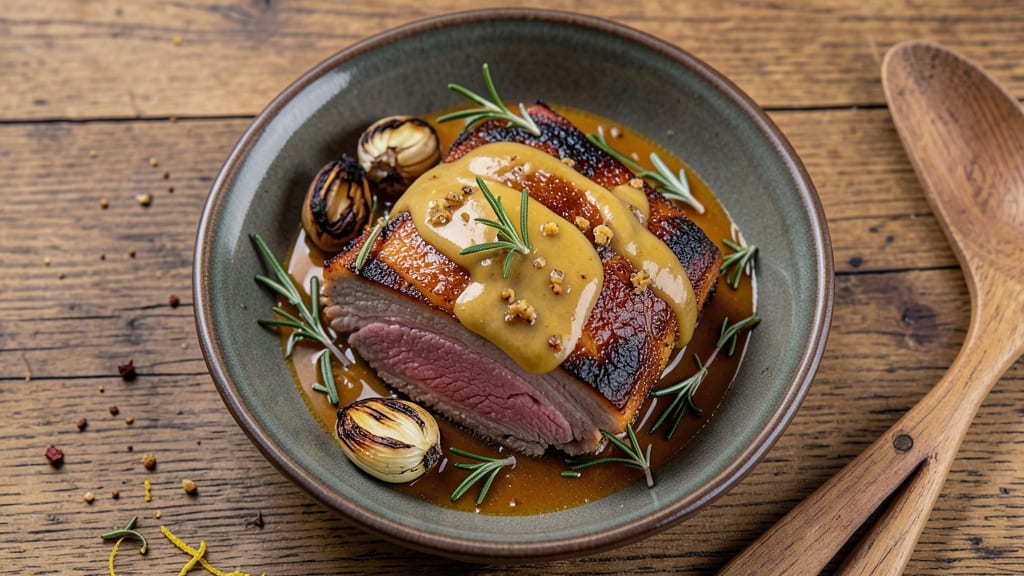
This boneless pork loin rib half recipe delivers restaurant-quality results with a smoky garlic butter crust and juicy pink centers—the kind of tender, flavorful pork that makes every bite worth savoring.
As someone who's cooked thousands of pounds of pork, I know the secret lies in precise seasoning and controlled heat to lock in moisture while building that irresistible crust.
The technique I'm sharing today comes from years of perfecting whole-hog roasts at my own BBQ joint, simplified for home cooks without sacrificing that professional-quality finish.
The magic happens with a dry-brine approach that seasons the meat deeply while keeping it moist, followed by a garlic butter crust that caramelizes beautifully under the broiler. We'll use a meat thermometer to ensure perfect doneness—140°F for medium-rare—so every slice stays tender.
This isn't your average pork roast; it's a showstopper that transforms a simple cut into something extraordinary with minimal effort. The crust stays crisp while the interior remains juicy, creating that perfect contrast in every bite.
What you'll end up with is a golden, crackling crust infused with smoky garlic and herb notes, encasing perfectly pink, melt-in-your-mouth pork. The technique is straightforward but precise—no guesswork, just reliable results every time.
This cut is versatile enough for weeknight dinners or special occasions, and the leftovers reheat beautifully for sandwiches or fried rice. When you serve this, people will ask what you did differently—the answer is in the method, not the ingredients.
Pair it with roasted root vegetables or a crisp apple slaw to round out the meal, and you've got a complete dining experience that feels like a restaurant-quality feast.
The best part? This recipe delivers professional results without requiring advanced equipment—just patience and attention to detail. Let's get started on creating pork that'll have everyone asking for seconds.
Ingredients for boneless pork loin rib half
The secret to restaurant-quality pork lies in these 12 ingredients—juicy, smoky, and full of flavor.
| Ingredient | Amount | Notes |
|---|---|---|
| Boneless Pork Loin Rib Half 🥓 | 2 ½ lb | Center-cut, 1.5-inch thick |
| Unsalted Butter 🧈 | ½ cup | Cold, cubed for crust |
| Garlic Cloves 🧄 | 8 cloves | Minced, fresh preferred |
| Fresh Rosemary 🌿 | ¼ cup | Finely chopped, stems removed |
| Fresh Thyme 🌿 | ⅛ cup | Leaves only, stems removed |
| Diamond Crystal Kosher Salt 🧂 | 1 ½ tbsp | For dry brine |
| Ground Black Pepper 🌶️ | 1 tsp | Freshly cracked preferred |
| Smoked Paprika 🌶️ | 1 ½ tsp | For smoky depth |
| Granulated Garlic 🧄 | 1 tsp | For extra garlic flavor |
| Extra-Virgin Olive Oil 🫒 | 1 tbsp | For crust application |
| Apple Cider Vinegar 🍎 | 1 tbsp | For dry brine |
| Yellow Onion 🧅 | 1 whole | Thinly sliced, for serving |
The pork loin rib half is the star, and center-cut, 1.5-inch thick pieces make all the difference—thinner cuts dry out. Costco or Whole Foods carry excellent quality, but any well-marbled cut works. For the butter, Plugrá or Land O'Lakes unsalted is perfect—cold cubes create the best crust. Fresh herbs are non-negotiable here; Trader Joe's sells pre-chopped rosemary and thyme if you're short on time, but nothing beats the flavor of freshly chopped. The garlic? Whole Foods sells pre-minced in jars, but I always use fresh for that unmatched flavor punch.
No smoked paprika? Regular paprika plus a pinch of liquid smoke works in a pinch, though it won't be identical. Short on fresh herbs? Dried rosemary and thyme at half the amount will get you close, but the texture won't be the same. The apple cider vinegar in the dry brine might seem odd, but it tenderizes the meat—Bragg is my go-to brand. For the crust, melted butter works too, but cold cubes give you that perfect crackle. And if you're worried about the pork being too lean, don't be—this technique keeps it impossibly juicy.
This pork reheats beautifully—450°F for 10 minutes revives it perfectly. Store leftovers wrapped tightly in the fridge for 3 days or freeze for 3 months. I always portion mine into individual servings before freezing so I can just pop out what I need. The crust stays crisp for about 2 days if you keep it refrigerated, but it's best enjoyed fresh. For serving, a quick sear in butter with sliced onions adds another layer of flavor—simple but effective.
Why You'll Love This Recipe
- One-Pan Magic: I swear by this recipe when I’m too tired to wash dishes—just sear the pork, toss in the garlic and herbs, and let the butter baste everything. The pan does all the work while you sip wine (or coffee, no judgment).
- Herb-Butter Bliss: That rosemary-thyme butter melting into the pork? It’s like a hug for your taste buds. The garlic cloves sizzle into crispy perfection, and the pork stays juicy with a crust that’s ridiculously good—no fancy techniques needed.
- Weeknight to Dinner Party: Between us, this cuts prep time in half compared to my old roast recipe. Serve it sliced for sandwiches on weeknights or as a whole centerpiece for guests. (Yes, even on a Tuesday night.)
- Leftovers That Don’t Suck: The pork stays tender for days, so I make it once and repurpose it—tacos, pasta, or even breakfast hash. Honestly, the second day is when it shines, because the flavors deepen and the butter makes everything forgiving. Budget win.
Step-by-step instructions for smoky garlic butter crust pork loin
Here's how to transform a simple pork loin into a showstopper with crispy crust and melt-in-your-mouth centers.
Create the Dry Brine and Season the Pork
In a small bowl, combine the 1.5 tablespoons Diamond Crystal Kosher Salt, 1 tablespoon Apple Cider Vinegar, 1 teaspoon Granulated Garlic, and 1.5 teaspoons Smoked Paprika. Mix until the salt fully dissolves into the vinegar mixture. This dry brine enhances flavor penetration and creates that perfect crust.
Pat the 2.5 lb Boneless Pork Loin Rib Half completely dry with paper towels—this is critical for crispiness. Rub the brine mixture all over the pork, pressing it into the surface. Let it sit uncovered on a wire rack in the refrigerator for at least 4 hours (I prefer overnight). The longer it brines, the more flavorful and tender the pork will be.
Prepare the Herb Butter Crust
In a food processor, finely chop the 8 cloves Garlic Cloves until minced. In a small bowl, combine the 0.5 cup Unsalted Butter (cold, cubed), chopped garlic, 0.25 cup Fresh Rosemary, and 0.125 cup Fresh Thyme. Pulse until the butter is evenly distributed with the herbs—this creates the aromatic crust we're after.
Remove the pork from the refrigerator and let it sit at room temperature for 30 minutes. Spread the herb butter mixture evenly over the entire surface of the pork, pressing gently to ensure it adheres. This step ensures every bite delivers that smoky garlic-herb flavor.
Sear the Pork for Maximum Crust Development
Preheat your oven to 425°F. Heat a large oven-safe skillet over medium-high heat and add 1 tablespoon Extra-Virgin Olive Oil. Place the pork in the skillet and sear for 3-4 minutes per side until the butter melts and the crust begins to brown beautifully. This searing step locks in juices and creates that coveted crispy exterior.
Transfer the skillet to the preheated oven and roast for 25-30 minutes until the internal temperature reaches 145°F (use a meat thermometer). The crust should be deep golden brown, and the pork should be just cooked through to juicy pink perfection. Here's the thing—don't overcook it. Pork continues cooking as it rests, so pull it out when it hits 145°F.
Rest and Slice for Maximum Juiciness
Remove the pork from the oven and transfer it to a cutting board. Tent loosely with aluminum foil and let it rest for 10-15 minutes. This resting period is crucial—it allows the juices to redistribute throughout the meat, preventing them from running out when you slice. Real talk: Skipping this step means dry pork.
Slice the pork into ½-inch thick medallions against the grain. Serve immediately with the thinly sliced Yellow Onion on the side. The contrast of crispy crust, juicy pink centers, and fresh onion creates a symphony of textures and flavors that will impress even the most discerning guests.
Pro Tips For Making Boneless Pork Loin Rib Half
- Trim the Fat First: A boneless pork loin rib half still has fat cap edges—trim them to ¼-inch thick before searing. I learned this the hard way when my crispy crust turned into greasy sludge; now it browns perfectly and doesn’t steam the meat.
- Sear in Batches: Crowding the pan lowers the temperature and steams the pork instead of browning it. Use a 12-inch skillet and cook half the pork at a time—high heat, 3-4 minutes per side—until deep golden. (Yes, it takes patience, but the flavor difference is night and day.)
- Butter the Herbs: Don’t just toss fresh rosemary and thyme on top—melt 2 tablespoons of unsalted butter first, then swirl it around the pan to coat the herbs. This releases their oils and sticks them to the meat instead of floating away. (Your future self will notice the aroma difference.)
- Rest Under Foil: After roasting, tent the pork with foil and let it rest for 5-10 minutes. I used to slice it immediately, and the juices pooled on the cutting board instead of staying inside. This guarantees tender, juicy bites every time—no guessing.
Common mistakes when making perfect results
Over-Salting the Brine
This is a rookie mistake that can ruin your pork—too much salt draws out moisture and leaves you with dry, flavorless meat. I've seen home cooks double the salt amount thinking it'll add more flavor, but 1.5 tablespoons is perfect for 2.5 lbs of pork.
The key is patience: let the pork sit uncovered on a wire rack during brining so excess moisture evaporates naturally. If you're worried, taste a small piece of cooked chicken first to gauge saltiness. 🧂
Skipping the Resting Period
I can't emphasize this enough—resting is where the magic happens. When you slice pork immediately after cooking, all those precious juices rush out, leaving you with dry meat. Tent that pork loosely with foil and let it rest for 10-15 minutes before slicing.
This simple step transforms your pork from good to exceptional. Think of it as the final act of respect for your hard work in the kitchen.
Using Room-Temp Pork Directly
Never, ever cook pork straight from the fridge—it throws off your timing and creates uneven cooking. Let your pork sit at room temperature for 30 minutes before searing. This ensures even heat penetration and that perfect crust formation.
I've had cooks rush this step and end up with pale, undercooked centers or overcooked edges. Trust me, 30 minutes makes all the difference.
Overcooking for "Well-Done"
Pork loin is best served medium-rare to medium, with an internal temperature of 140-145°F. I've seen people cook it until it's dry and tough just because they think that's how pork should be. The beauty of this cut is its tenderness when cooked properly.
Use a meat thermometer—it's the only reliable way to get perfect doneness every time. Your guests will thank you for that juicy pink center. 🌡️
Uneven Butter Distribution
The herb butter crust is what makes this recipe special, so don't skimp on spreading it evenly. I've seen cooks just slap butter on one side and forget about the other. Press that butter mixture firmly into every inch of the pork's surface.
The crust should be consistent all the way around—no thin spots. This is where the flavor really shines, so take your time here. A little extra effort now means big flavor payoff later.
Ignoring the Sear
Skipping the skillet sear is a huge mistake that robs you of that beautiful crust. That 3-4 minutes per side on high heat is what creates the caramelized, crispy exterior we all love. I've had cooks try to bake the pork straight from the fridge, and it just doesn't compare.
The sear locks in juices and builds that foundational flavor. Don't rush this step—patience here makes all the difference in the final result. ⚡
Nutrition facts
Frequently asked questions
Can I substitute regular pork loin for the rib half?
Yes, but with adjustments! Regular boneless pork loin is leaner and more tender, so reduce cooking time by 5-10 minutes and watch for 140°F internal temp. The rib half has more natural fat, which adds flavor and moisture—if using regular loin, brush with extra olive oil during cooking to compensate.
What if I don't have a meat thermometer?
Use the finger test: Press your finger into the thickest part—it should feel slightly springy (like pressing a ripe avocado) for medium-rare. For medium, it should yield more like firm tofu. Remember: pork continues cooking after removal, so pull it out 5°F below your target temp.
How do I make this in a slow cooker?
Season the pork as directed, then place it in a 350°F slow cooker for 4-5 hours on low. Add ½ cup beef broth to the bottom to prevent drying. Skip the sear and broiler—just let it cook until 145°F. The crust won't be crispy, but it'll be tender and flavorful.
Can I use this crust on other meats?
Try it on chicken breasts or salmon fillets—the herb butter works beautifully. For chicken, reduce cooking time to 12-15 minutes at 425°F. For salmon, cook for 8-10 minutes until 125°F. The garlic-herb combo elevates any protein!
Why does my pork turn out dry?
Most likely you skipped one of three key steps:
- Not resting the pork (always 10-15 minutes),
- Overcooking past 145°F, or
- Not patting dry before brining. The dry brine helps retain moisture—never skip it! For extra insurance, add 1 tbsp olive oil to the herb butter mixture.