
Main Courses
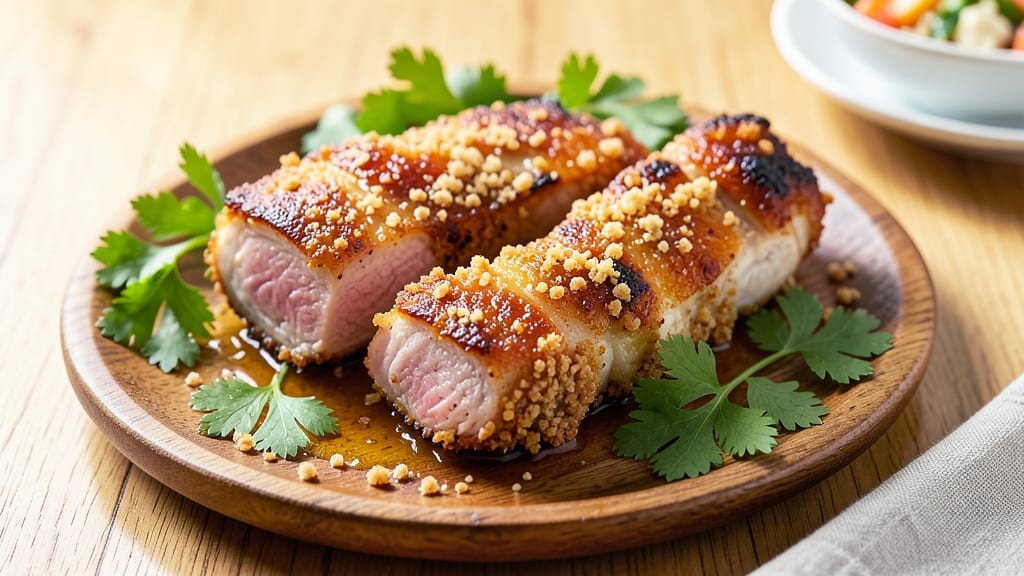
This breaded Pinoy pork chop recipe delivers the perfect balance of crispy celery crowns and tender meat—just like your favorite Filipino comfort dish. 💛 The secret lies in a simple yet effective breading technique using crushed celery leaves (or celery salt) for that signature crunch, paired with a sweet vinegar glaze that cuts through the richness.
I first tried this recipe during a family gathering when my husband's Filipino relatives insisted we recreate their childhood favorite, and it became an instant hit.
The magic happens in the breading process: a light coating of flour, beaten egg wash, and a mix of fine breadcrumbs and crushed celery leaves creates that iconic crispy exterior that stays golden even after frying.
Pan-frying in hot oil ensures the pork stays juicy inside while developing a caramelized crust outside. The sweet vinegar glaze, made with just a few pantry staples, adds a tangy brightness that perfectly complements the savory pork.
What makes this recipe truly special is how it captures the essence of Filipino home cooking—comforting, familiar, and deeply satisfying. The pork chops are tender yet firm, the celery crowns add a satisfying crunch with every bite, and that sweet vinegar glaze ties everything together.
It's the kind of dish that disappears quickly, leaving everyone asking for seconds.
Serve these breaded pork chops with steamed garlic rice and a side of atchara (Filipino pickled papaya) for the full experience. The combination of textures and flavors makes this a standout main course for any occasion. Ready to make this Filipino classic at home?
Ingredients for breaded pork chop recipe pinoy
These Filipino staples come together for crispy, juicy pork chops that taste just like lola's recipe.
| Ingredient | Amount | Notes |
|---|---|---|
| Bone-In Pork Chops 🥩 | 1 ½ lb | Center-cut, 1-inch thick |
| All-Purpose Flour 🌾 | ½ cup | For dredging |
| Large Eggs 🥚 | 2 whole | Beaten for egg wash |
| Fine Breadcrumbs 🍞 | 1 ½ cups | Panko for extra crunch |
| Celery Leaves 🧅 | ¼ cup | Crushed, or celery salt |
| Vegetable Oil 🫒 | 2 cups | For frying, high smoke point |
| White Vinegar 💧 | ½ cup | For glaze |
| Brown Sugar 🍯 | ¼ cup | Packed, for glaze |
| Soy Sauce 🍶 | 2 tbsp | For glaze |
| Garlic Cloves 🧄 | 3 cloves | Minced, for glaze |
| Salt 🧂 | 1 tsp | Kosher or sea salt |
| Black Pepper 🌶️ | ½ tsp | Freshly ground |
| Canola Oil 🫒 | 2 tbsp | For brushing after frying |
The pork chops make all the difference—center-cut with the bone ensures they stay tender. Filipino markets often carry bone-in cuts perfect for this, but the regular supermarket bone-in chops work too. Look for ones that are about 1-inch thick so they cook evenly. If you can't find celery leaves, celery salt is a great substitute, though fresh leaves give that signature crunch. I always grab extra breadcrumbs—half goes in the mix, half gets sprinkled on top before frying for that extra crunchy layer. Trust me, it's worth the extra minute.
No celery leaves? Celery salt at half the amount works in a pinch. Short on brown sugar? White sugar plus a pinch of cinnamon gets you close. The vinegar glaze can be made ahead—just store it in a jar in the fridge for up to 1 week. For the breading, I like to mix the crushed celery leaves right into the breadcrumbs so every bite has that signature flavor. If you're feeling fancy, add a pinch of ground black pepper to the breading mix for extra depth. The oil should be hot enough to sizzle when you add the chops—about 350°F.
These chops reheat beautifully—just pop them in a 350°F oven for 10 minutes with a splash of water to keep them moist. The glaze thickens as it cools, so if it's too syrupy, thin it with a teaspoon of water. Store leftover chops in the fridge for 3 days, covered tightly. Freeze them for up to 3 months by wrapping each chop individually in parchment paper. The celery crowns stay crispy for hours, so make extra if you're serving a crowd.
Why You'll Love This Recipe
- No-Fuss Crispy Magic: I swear by the celery leaf trick—it adds that herbal kick without extra prep. Just toss the leaves in the breadcrumbs, and boom, instant umami. The bone-in chops stay juicy while the crust gets that satisfying crunch.
- Pork Chop Versatility: This works for lunch, dinner, or even a quick picnic. I’ve served it with rice for a hearty meal, sliced thin for sandwiches, or straight-up as a snack with a side of vinegar dip. (Yes, even on a Tuesday night.)
- Budget-Friendly Feast: Bone-in pork chops stretch further, and the ingredients? Pantry staples. A few eggs, flour, and breadcrumbs—no specialty items. My wallet and my family thank me every time.
- Leftovers That Don’t Suck: Unlike some fried dishes, these stay crispy when reheated (air fryer or oven, 350°F for 5 mins). I make a double batch—one for dinner, one for "emergency" lunches. Zero food waste, all flavor.
Step-by-step instructions for crispy celery crown pork chops
Here's how to get that perfect golden crust and sweet-tangy glaze every time.
👨🍳 Step 1: Prep the Pork Chops and Celery Crown
Pat the 1.5 lb bone-in pork chops completely dry with paper towels—this is key for crispy breading. Season both sides generously with 1 tsp salt and 0.5 tsp black pepper. I like to press the seasoning in lightly so it sticks to the meat.
For the celery crown, crush the 0.25 cup celery leaves in your hands until you have fine, green crumbs. This adds that signature Pinoy flavor and texture. If you can't find celery leaves, celery salt works in a pinch, but fresh is best for that bright, herbal note.
🍳 Step 2: Bread the Chops for Maximum Crunch
Set up three shallow bowls. In the first, place the 0.5 cup all-purpose flour. In the second, crack the 2 whole large eggs and beat them lightly with a fork. In the third, mix the 1.5 cups fine breadcrumbs with the crushed celery leaves.
Dredge each pork chop first in the flour, shaking off any excess. Dip into the egg wash, letting any excess drip off, then press into the breadcrumb mixture, coating evenly on both sides. Here's the thing—don't overcrowd your frying pan later, so work in batches if needed. Let the breaded chops rest for 5 minutes before frying to help the coating adhere better.
🔥 Step 3: Fry Until Golden Brown
Heat 2 cups vegetable oil in a deep skillet over medium-high heat until it reaches 350°F—use a thermometer for accuracy. Fry the breaded pork chops for 3-4 minutes per side until they're deep golden brown and the coating is crispy. You'll know they're ready when the breading stops sizzling and turns a rich caramel color.
Transfer the fried chops to a paper towel-lined plate to drain excess oil. Keep them warm in a 200°F oven while you make the glaze—this prevents them from getting soggy. If the oil starts smoking before you reach temperature, let it cool slightly and try again.
🥘 Step 4: Make the Sweet Vinegar Glaze
In a small saucepan, combine the 0.5 cup white vinegar, 0.25 cup packed brown sugar, 2 tbsp soy sauce, and 3 minced garlic cloves. Bring to a simmer over medium heat and cook for 5-7 minutes until the mixture thickens slightly and the garlic is fragrant.
Here's where it gets good—taste the glaze and adjust the sweetness or tang to your preference. If it needs more depth, add a pinch of salt. Once you're happy with the flavor, remove from heat and let it cool slightly. The glaze should coat the back of a spoon but still be pourable.
🍽️ Step 5: Glaze and Serve
Brush the warm pork chops generously with the 2 tbsp canola oil to help the glaze stick better. Then, spoon the vinegar glaze over the top, letting it drip down the sides. The heat from the chops will make the glaze bubble slightly—that's when you know it's working its magic.
Let the chops rest for 2-3 minutes before serving. The glaze should be sticky and glossy, with a perfect balance of sweet, tangy, and savory flavors. Serve immediately with steamed rice and a simple green salad to let the flavors shine. Each bite should deliver that satisfying crunch from the celery crown followed by juicy pork and that addictive glaze.
Pro Tips For Making Breaded Pork Chop Recipe Pinoy
- Pound the Chops First: Bone-in pork chops are stubborn—thin them to ½-inch or less before breading, or the crust will burn before the meat cooks through. Use a meat mallet (or a heavy pan) and work in one direction to avoid tearing the edges.
- Dry the Celery Leaves: Fresh celery leaves add aroma, but damp ones turn the breadcrumbs into glue. Pat them dry with a paper towel before mixing into the flour—this keeps the coating crispy instead of soggy.
- Use Cold Eggs for Dipping: Room-temperature eggs coat unevenly and make the breading slide off. Crack them straight from the fridge into a bowl, whisk lightly, and dip each chop just once—double-dipping = mushy crust.
- Rest Before Frying: Let the breaded chops sit on a wire rack for 5 minutes after dredging. This lets the flour absorb moisture, so the crust stays golden and doesn’t fall apart when you flip it. (Yes, even if you’re impatient like me.)
Essential equipment for perfect results
Deep Skillet Essentials
You’ll need a 10-12 inch heavy-duty skillet—I swear by my Lodge cast iron—for even heat distribution and that perfect sear. The deep sides help contain splatter when frying, and cast iron retains heat beautifully.
If you don’t have cast iron, a stainless steel skillet with a thick base works too. Just preheat it properly to avoid temperature fluctuations that can make your breading soggy. 🔥
Thermometer Precision
A kitchen thermometer is non-negotiable for this recipe. I use a Thermoworks Smoke to monitor both the oil temperature (350°F) and the pork’s internal temperature (145°F). Without one, you risk burning the breading or undercooking the meat.
If you’re frying without a thermometer, test the oil by dropping a small piece of bread in—it should sizzle and turn golden in 30 seconds.
Breading Tools
Set up your breading station with three shallow bowls (I use glass pie dishes) for the flour, egg wash, and breadcrumb mixture. A fine-mesh strainer helps crush celery leaves evenly, and a fork works best for beating the eggs lightly.
For extra crunch, I sprinkle an additional ¼ cup breadcrumbs on top of each chop right before frying—this step makes all the difference. 💡
Oil Management
Use vegetable oil or canola oil for frying—they have high smoke points and neutral flavors. I like to heat the oil in a deep skillet until it reaches 350°F, then reduce heat slightly to maintain that temperature.
Keep a wire rack or paper towel-lined plate nearby to drain excess oil after frying. Never reuse oil for multiple batches—fresh oil ensures the best texture every time.
Glaze Equipment
For the sweet vinegar glaze, a small saucepan with medium heat works perfectly. A wooden spoon helps prevent scorching while stirring. After making the glaze, I transfer it to a small bowl and let it cool slightly before brushing it over the chops.
This prevents the glaze from sliding off before it sets. A pastry brush makes application cleaner than spooning.
Resting Setup
Keep fried chops warm in a 200°F oven while finishing the glaze. I line a baking sheet with parchment paper for easy cleanup. For serving, a wooden board or platter elevates the dish beautifully.
The glaze should be sticky and glossy—if it’s too thick, thin it with a teaspoon of water. Serve immediately to enjoy that perfect crunch and juicy texture. ✨
Nutrition facts
Frequently asked questions
Why does the recipe call for bone-in pork chops?
The bone-in cuts stay juicier and more flavorful while cooking, just like traditional Filipino-style dishes. The bone adds natural moisture and helps the meat cook more evenly, giving you that perfect tender texture inside while keeping the breading crispy. Plus, it's what you'd typically find in Filipino markets!
Can I substitute celery leaves with something else?
Yes! If you can't find celery leaves, use ¼ cup celery salt mixed with the breadcrumbs for that signature flavor. For extra crunch, try adding 1 tablespoon crushed cornflakes or a pinch of onion powder to the breading mix. Just remember fresh celery leaves give the most authentic taste.
How do I keep the breading from getting soggy?
Pat the pork chops completely dry before breading, and let them rest for 5 minutes after coating to help the breading adhere. Fry at 350°F in small batches to maintain oil temperature, and keep fried chops warm in a 200°F oven while making the glaze. Never cover them while resting—they need to stay crispy!
What's the best way to reheat these pork chops?
Reheat in a 350°F oven for 10-12 minutes with a splash of water to keep them moist. For extra crispiness, broil for 1-2 minutes at the end. The microwave will make the breading soggy—avoid it if you want that satisfying crunch. Reheated chops taste best within 2 days of cooking.
Can I make this recipe ahead of time?
Bread the chops and store them in the fridge for up to 1 day before frying. For the glaze, make it ahead and store in a jar for 1 week**. To serve, fry the chops fresh and glaze them right before eating. The breading stays crispy when fried fresh, but the glaze can be prepped in advance for convenience.