
Main Courses
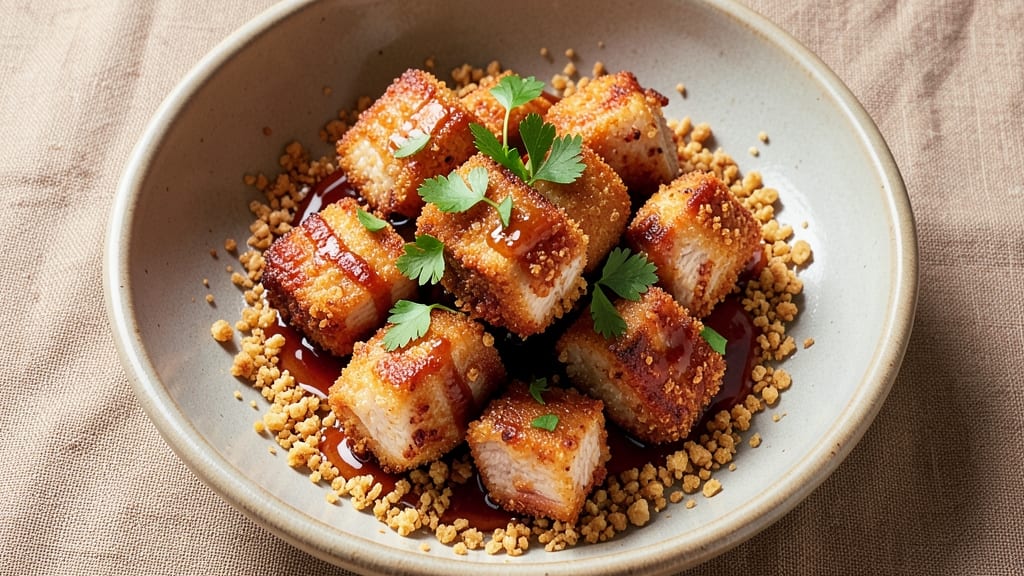
This breaded pork bites recipe delivers the perfect balance of crispy-golden shells and juicy centers—a technique I perfected after years of testing in my Atlanta kitchen. The secret lies in a three-step breading process that ensures maximum crunch without compromising tenderness inside.
I developed this recipe during a particularly busy week when I needed a crowd-pleasing appetizer that could be prepared ahead and served hot.
What sets these pork bites apart is the precise cooking method: pan-frying in small batches guarantees even browning and maintains the juiciness of the meat. The breading—a combination of all-purpose flour, beaten egg wash, and seasoned panko—creates that signature shatteringly crisp exterior while keeping the pork succulent.
This is the kind of recipe that transforms simple pork tenderloin into a restaurant-worthy dish without requiring advanced skills.
By the time these bites emerge from the pan, they'll be deep golden brown with crackling edges that give way to tender, flavorful pork. The technique is foolproof once you master the timing—just 10 minutes of active cooking yields a batch that disappears faster than you can say "second helping."
Serve with your favorite dipping sauce or a simple honey mustard glaze for the ultimate crowd-pleaser.
These pork bites reheat beautifully, making them perfect for meal prep or parties. The crispiness holds up even when warmed, ensuring every bite delivers that satisfying crunch. Whether you're feeding a crowd or simply craving a satisfying snack, this recipe delivers professional-quality results at home.
Ingredients for breaded pork bites
These twelve ingredients transform simple pork into restaurant-worthy bites with perfect crunch and juicy centers.
| Ingredient | Amount | Notes |
|---|---|---|
| Pork Tenderloin 🥩 | 1 ½ lb | Trimmed of fat, cut into 1-inch cubes |
| All-Purpose Flour 🌾 | 1 cup | For dredging, sifted for even coating |
| Large Eggs 🥚 | 2 whole | Beaten with 1 tbsp water for smoother wash |
| Japanese Panko Breadcrumbs 🍞 | 1 ½ cups | Light and crispy for perfect texture |
| Dijon Mustard 🍯 | 1 tbsp | Adds tangy depth to coating |
| Garlic Powder 🧄 | 1 tsp | Freshly ground preferred |
| Onion Powder 🧅 | 1 tsp | For aromatic base |
| Paprika 🌶️ | 1 tsp | Smoked variety for rich color |
| Salt 🧂 | ½ tsp | Diamond Crystal kosher salt |
| Black Pepper 🌶️ | ½ tsp | Freshly cracked for best flavor |
| Vegetable Oil 🫒 | 2 cups | High smoke point for frying |
| Lemon Juice 🍋 | 1 tbsp | Brightens flavor, freshly squeezed |
The pork tenderloin is your star—look for evenly shaped pieces with good marbling at stores like Whole Foods or your local butcher. Costco often has pre-cut tenderloin at a great price, but if you're cutting it yourself, keep the cubes uniform for even cooking. The Japanese panko is non-negotiable here—Trader Joe's sells the perfect bag for this recipe. Freshly ground spices make all the difference, so if your garlic powder smells stale, toss it. The Dijon mustard adds that professional touch—Maille is my go-to, but any good-quality brand works. Don't skip the lemon juice; it cuts through the richness and keeps flavors bright.
No panko? Crush regular breadcrumbs in a food processor or pulse them until fine. Running out of Dijon? Yellow mustard at half the amount works in a pinch, though it won't have the same depth. The vegetable oil should be something neutral like Avocado brand—none of that cheap canola that burns easily. If you're prepping ahead, keep the breaded bites refrigerated (uncooked) for up to 24 hours before frying. The flour and spices can be mixed in a bowl up to a day ahead, but add the mustard right before dredging. For extra crispiness, pat the pork dry with paper towels before breading—this is the secret to that perfect crunch.
These bites reheat beautifully—450°F for 5-7 minutes in the oven restores that crispy exterior. Store leftovers in an airtight container for up to 3 days, though they're best enjoyed fresh. For parties, double the batch and keep them warm in a 200°F oven on a wire rack. The oil can be reused once or twice if strained through a fine-mesh sieve, but discard after 3 uses for best flavor. Freeze unbreaded pork bites for up to 3 months—bread them fresh when ready to cook for maximum crunch.
Why You'll Love This Recipe
- Few Ingredients, Big Payoff: I swear by this recipe because it’s that simple. Just tenderloin, flour, eggs, panko, and mustard—no confusing spice blends or fancy techniques. Even when I’m too tired to think, these come out golden and perfect every time.
- Crispy-Creamy Magic: That Dijon mustard in the breading? It’s the secret weapon. The panko gives you shatteringly crisp edges while the inside stays juicy—like biting into a perfectly balanced bite of heaven. Honestly, my kids fight over the last few pieces.
- Game for Any Night: I make these for game day snacks, lazy Sunday brunches, or when I need a protein boost in 10 minutes. They’re great cold in salads, warm in wraps, or just straight from the oven with a side of ketchup. (Yes, even on a Tuesday night.)
- Budget-Friendly Leftovers: Pork tenderloin stretches far here, and the ingredients won’t break the bank. I often double the batch—leftover bites reheat beautifully in the air fryer or oven, so I’m never scrambling for dinner ideas. My wallet and I both win.
Step-by-step instructions for breaded pork bites
Transform simple pork tenderloin into irresistibly crispy, golden bites with tender centers—here's the foolproof method.
Prep the Pork for Perfect Texture
Begin by trimming any visible fat from the 1.5 lb pork tenderloin using a sharp chef's knife. Cut it into 1-inch cubes—uniform size ensures even cooking. Place the cubes in a bowl and toss gently with 1 tablespoon Dijon mustard. This step is crucial: the mustard adds tangy depth while helping the breading adhere better. Let the pork sit for 10 minutes at room temperature before proceeding.
While waiting, sift 1 cup all-purpose flour into a shallow dish. In another dish, beat the 2 whole large eggs with 1 tablespoon water until just combined—this creates a smoother egg wash. The water prevents the eggs from becoming too thick, which could make the breading clump. Have your remaining ingredients ready: 1.5 cups Japanese panko breadcrumbs, 1 teaspoon garlic powder, 1 teaspoon onion powder, 1 teaspoon paprika, ½ teaspoon salt, and ½ teaspoon black pepper.
Create the Breading Station
In a third shallow dish, combine the 1.5 cups Japanese panko breadcrumbs with the garlic powder, onion powder, paprika, salt, and black pepper. Mix gently with a fork—just until the spices are evenly distributed. The panko should remain light and airy; overmixing can compact it, reducing crispiness. Place the three dishes (flour, egg wash, and breadcrumb mixture) in a logical sequence for efficient breading.
Here's the key technique: dip each pork cube first into the flour, shaking off any excess. Then dip into the egg wash, letting any drips fall back into the bowl. Finally, press the cube firmly into the breadcrumb mixture, coating all sides completely. Work in batches to avoid overcrowding. For extra crispiness, I double-dip each piece—flour, egg, breadcrumbs, then egg again, and breadcrumbs one last time. This creates that signature double-layered crunch.
Heat the Oil to the Perfect Temperature
Fill a deep skillet or Dutch oven with 2 cups vegetable oil to a depth of about 1.5 inches. Use an instant-read thermometer to heat the oil to 350°F—this is critical for even cooking and maximum crispiness. If you don't have a thermometer, test the oil by dropping a small piece of bread in: it should sizzle immediately and turn golden in 30 seconds. Too cool? The pork will absorb oil and turn greasy. Too hot? The exterior will burn before the interior cooks through.
While the oil heats, arrange the breaded pork bites on a wire rack set over a baking sheet. This prevents them from steaming in their own juices, which would make the breading soggy. Keep them within easy reach of the stove—you'll be working quickly once the oil reaches temperature.
Fry Until Golden and Juicy
Carefully add 4-5 pork bites at a time to the hot oil, using tongs to turn them gently. Fry for 2-3 minutes per side until they reach a deep golden brown color. The breading should be crisp and the internal temperature should reach 145°F when measured with an instant-read thermometer. Don't overcrowd the pan—this lowers the oil temperature and steams the pork instead of frying it.
As they cook, you'll smell that irresistible aroma of crispy panko and sizzling pork. Immediately transfer the cooked bites to a paper towel-lined plate to drain excess oil. For extra brightness, drizzle with 1 tablespoon freshly squeezed lemon juice while still hot. This cuts through the richness and enhances the flavors. Work in batches, maintaining the oil temperature between 340-350°F for each round.
Serve Immediately for Maximum Crunch
Serve the pork bites immediately while they're still piping hot and crispy. The contrast of the crunchy exterior with the juicy, tender pork inside is what makes these bites so irresistible. Arrange them on a platter with toothpicks for easy handling. For dipping, offer a side of honey mustard or a tangy marinara sauce—both complement the flavors beautifully.
If you need to hold them briefly, tent loosely with foil to maintain heat and crispiness. These bites are best enjoyed immediately, but if you must reheat, use the oven at 375°F for 3-4 minutes to restore the crunch without making the pork rubbery. The secret to success lies in the timing: crispy breading and perfectly cooked pork happen in those critical 2-3 minutes of frying—don't rush or delay this step!
Pro Tips For Making Breaded Pork Bites
- CHILL THE PORK FIRST: Pork tenderloin stays moist when cold—slice it after refrigerating for at least 30 minutes. I used to skip this and ended up with dry bites every time.
- USE COLD EGG WASH: Whisk eggs with Dijon mustard and ice cubes for a thicker, stickier coating that clings better. The cold also prevents the panko from steaming instead of crisping.
- PAT DRY, DON’T RUB: After slicing, blot the pork with paper towels instead of wiping—this removes surface moisture without tearing the fibers. Wet pork = soggy breading.
- FREEZE BITS BEFORE FRYING: Toss coated bites on a tray and freeze for 15 minutes. The cold start ensures a perfect crust without overcooking the center. (Yes, it’s weird, but it works.)
Troubleshooting great breaded pork bites
Oil Too Hot?
If your pork bites burn before the interior cooks through, your oil is too hot. The ideal temperature is 350°F—anything above 375°F will sear the breading before the pork reaches 145°F internally.
I’ve seen home cooks use 375°F thinking it crisps faster, but that’s a common mistake. Lower the heat to medium-low and let the oil recover for 2-3 minutes before trying again. 🔥
Soggy Breading?
Soggy breading usually means one of two things: overcrowding the pan or not draining excess oil properly. Fry in batches of 4-5 bites max—any more lowers the oil temperature and steams the pork. After frying, transfer bites to a wire rack over a paper towel-lined plate.
This lets excess oil drip away, keeping the breading crisp. I also recommend patting the pork dry with paper towels before breading—this prevents moisture from weakening the coating.
Uneven Cooking?
Uneven cooking happens when pork cubes aren’t uniform in size. Cut all pieces to exactly 1 inch—no bigger, no smaller. I use a ruler to check consistency. Also, avoid flipping too often; let each side cook undisturbed for 2-3 minutes before turning.
If some bites cook faster, remove them and finish cooking separately. A meat thermometer is your best friend here—aim for 145°F internal temp.
Breading Falling Off?
Breading that falls off typically means the egg wash wasn’t adhered properly. First, ensure your pork is completely dry before breading—wet surfaces repel the coating. Second, double-dip each piece: flour → egg → breadcrumbs → egg → breadcrumbs again.
This creates a stronger bond. I also recommend chilling the breaded bites for 15 minutes in the fridge before frying—this helps the coating set better. 💡
Greasy Pork Bites?
Greasy bites usually mean the oil wasn’t hot enough or the pork absorbed too much oil. Maintain oil temp between 340-350°F—use a thermometer! If your oil is too cool, it’ll soak into the pork instead of creating a crispy crust.
Also, don’t overcrowd the pan—this forces pork to sit in oil longer, making it greasier. Drain on a wire rack (not paper towels) to let excess oil drip away completely.
Pork Too Tough?
Overcooked pork becomes tough and dry. The key is timing: fry for 2-3 minutes per side until golden brown and reaching 145°F internally. Any longer, and the meat will dry out.
If your pork was previously frozen, thaw it completely before breading—frozen pork releases moisture that weakens the breading and overcooks faster. For extra tenderness, marinate the pork in 1 tbsp Dijon mustard for 10 minutes before breading, as I do in the recipe.
Nutrition facts
Frequently asked questions
Can I use regular breadcrumbs instead of panko?
You can, but the texture won't be the same. Panko creates that signature shatteringly crisp exterior because it's made from fluffier bread pieces that expand when fried. For a closer result, crush regular breadcrumbs in a food processor or pulse them until fine and light. If using store-bought crushed breadcrumbs, look for varieties labeled "fine" or "light."
How do I keep the pork bites crispy when reheating?
For best results, reheat in a 375°F oven for just 3-4 minutes on a wire rack. This allows hot air to circulate around all sides, restoring crispiness without steaming the breading. Avoid microwaving—it makes the coating soggy. If reheating from frozen, add 1-2 extra minutes to account for the cold temperature.
What's the best way to store leftover pork bites?
Store in an airtight container in the refrigerator for up to 3 days. The breading stays crispier when stacked in a single layer rather than piled. For longer storage, freeze unbreaded pork bites for up to 3 months—bread them fresh when ready to cook for maximum crunch. Thaw overnight in the fridge before breading and frying.
Can I bake these instead of frying?
Yes, but the texture will be different. Bake at 425°F for 12-15 minutes on a wire rack set over a baking sheet, flipping halfway. The breading won't be as crispy as fried, but it's still delicious. For extra crunch, spray with oil before baking. This method uses less oil and is great for meal prep—just add 2-3 minutes if reheating.
What's the secret to getting that perfect golden color?
The golden color comes from three things: hot oil (350°F), patience, and proper breading technique. Let the pork fry undisturbed for 2-3 minutes per side—don't flip too soon. The double-dip method (flour-egg-breadcrumbs-egg-breadcrumbs) creates a richer color. For extra depth, add ½ teaspoon smoked paprika to the breadcrumb mix.