
Main Courses
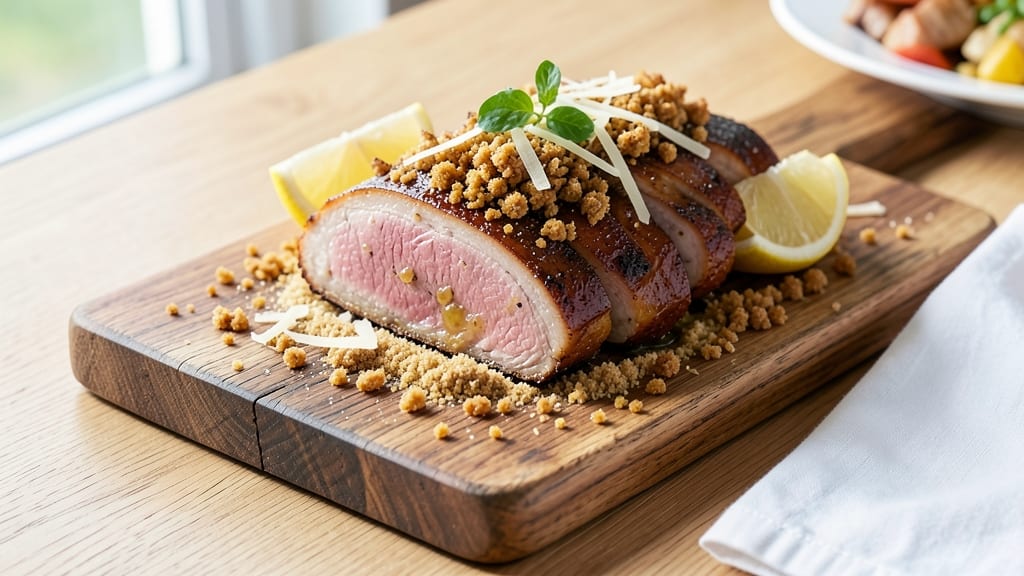
Brazilian Parmesan pork delivers the perfect marriage of crispy, golden crust and tender, juicy pork that'll transport you to a bustling São Paulo churrascaria. 🔥 I developed this technique after years of perfecting Brazilian-style cuts—where the secret lies in a double breading method and a toasted farofa topping that adds an extra layer of crunch and smoky depth. This isn't your average pork cutlet; it's a restaurant-quality dish with a technique that's surprisingly approachable for home cooks.
The magic begins with a marinade of citrus and garlic that tenderizes the meat while building bright, aromatic flavors. Then comes the breading—first a layer of seasoned flour, followed by a Parmesan-herb coating that creates that signature crispy crust.
For the finishing touch, we top it with toasted farofa, a traditional Brazilian toasted cassava flour that adds a nutty, earthy contrast to the rich pork. This technique ensures your pork stays juicy inside while achieving that coveted golden-brown exterior.
What you'll end up with is a dish that's impossible to resist: tender, pull-apart pork with a crust so crispy it'll shatter at the slightest touch, all topped with that smoky-sweet farofa.
The combination of textures and flavors makes this more than just a weeknight dinner—it's an experience. Serve with a simple side of black beans and steamed rice to complete the Brazilian feast.
This recipe is designed to impress whether you're cooking for family or hosting a dinner party. The method is straightforward, but the results are anything but ordinary. Let's get started on creating this Brazilian-inspired masterpiece that'll have everyone asking for seconds.
Ingredients for brazilian parmesan pork
Crispy crust meets juicy pork with these Brazilian-inspired ingredients—simple but packed with flavor.
| Ingredient | Amount | Notes |
|---|---|---|
| Pork Shoulder 🐖 | 2 lb | Boneless, cut into 1-inch cubes |
| All-Purpose Flour 🌾 | 1 cup | For first breading layer |
| Parmesan Cheese 🧀 | 1 cup | Freshly grated from block |
| Italian Seasoned Breadcrumbs 🍞 | 1 ½ cups | Panko-style for extra crisp |
| Farofa (Toasted Cassava Flour) 🌾 | ½ cup | Store-bought or homemade |
| Fresh Lemon Juice 🍋 | ½ cup | Brightens the marinade |
| Garlic Cloves 🧄 | 6 cloves | Minced for marinade |
| Olive Oil 🫒 | ¼ cup | Extra-virgin for richness |
| Fresh Parsley 🌿 | ¼ cup | Chopped, for garnish |
| Fresh Cilantro 🌿 | ¼ cup | Chopped, for garnish |
| Salt 🧂 | 2 tsp | Diamond Crystal kosher |
| Ground Black Pepper 🌶️ | 1 tsp | Freshly cracked |
| Ground Cumin 🌿 | 1 tsp | Toasted for depth |
| Smoked Paprika 🌶️ | 1 tsp | For smoky flavor |
The pork shoulder is non-negotiable here—it's got the right fat-to-meat ratio for juicy, pull-apart texture. Costco or your butcher's counter will have the best cuts, but any grocery store should carry boneless pork shoulder. Look for pieces with good marbling—it's what keeps this dish tender. If you can't find pre-cubed, ask the butcher to cut it into 1-inch chunks for even cooking. The farofa is the secret weapon; Trader Joe's sells it pre-toasted, but if you're feeling ambitious, toast your own cassava flour in a dry pan until nutty-smelling. That's what gives it that authentic Brazilian crunch.
No Italian breadcrumbs? Panko plus a pinch of Italian seasoning works just as well—trust me, it's even crispier. Fresh herbs are ideal, but dried parsley or cilantro at half the amount won't ruin the dish. The marinade is where the magic happens—don't skip the lemon juice, even if you're not a fan of citrus in meat. It tenderizes the pork and balances the richness. For the olive oil, any extra-virgin brand works, but avoid the cheap stuff—you'll taste the difference. And if you're out of smoked paprika, regular paprika plus a pinch of liquid smoke gets you close.
This dish reheats beautifully—just pop it in a 350°F oven for 10-15 minutes until crispy again. The farofa topping stays fresh for 3 days in an airtight container, so make extra for other dishes. Store the breaded pork in the fridge for up to 2 days before frying, but don't bread it ahead—it gets soggy. For a crowd, double the recipe—this is one of those dishes people will beg you to make again.
Why You'll Love This Recipe
- One-Pan Wonder: I swear by this for lazy nights—just sear the pork, toss in the flour mix, and let the oven do the work. No chopping, no fussing, and that farofa soaks up all the juices like a dream.
- Umami Bomb: That combo of parmesan, breadcrumbs, and farofa? It’s like a flavor grenade. The crispy crust gives way to tender meat, and the toasted cassava adds this earthy depth I can’t get enough of.
- Weeknight Workhorse: I make this when I’m hosting or feeding the kids after soccer practice. It’s hearty enough for a main, but easy enough to pair with anything—rice, mashed potatoes, or even a simple salad.
- Budget Stretch: Pork shoulder is my go-to for affordable protein, and this recipe turns it into something restaurant-worthy. The farofa and breadcrumbs add texture without cost, and leftovers reheat like a champ for lunch the next day.
Step-by-step instructions for Brazilian Parmesan pork with farofa crust
Here's how to get that perfect balance of crispy farofa topping and melt-in-your-mouth pork every time.
🍳 Step 1: Marinate and Prep the Pork for Maximum Flavor
In a large bowl, combine the 2 lb pork shoulder cut into 1-inch cubes with the 0.5 cup fresh lemon juice, 6 cloves minced garlic, 0.25 cup olive oil, 2 tsp salt, 1 tsp ground black pepper, 1 tsp ground cumin, and 1 tsp smoked paprika. Mix gently but thoroughly to coat each piece evenly.
Transfer the pork to a resealable plastic bag and massage the marinade into the meat, ensuring every surface gets coated. Let it sit at room temperature for 15 minutes (no longer—bacteria risk) before cooking. This marinade does double duty: tenderizing the meat and building deep, smoky flavors that shine through the crispy crust.
👨🍳 Step 2: Create the Triple-Layer Breading for Ultimate Crunch
Set up three shallow bowls. In the first, place the 1 cup all-purpose flour. In the second, combine the 1 cup freshly grated Parmesan cheese with 1.5 cups Italian seasoned breadcrumbs. In the third, mix the 0.5 cup farofa (toasted cassava flour) with 1 tablespoon of the breadcrumb mixture to lighten it.
Working in batches, remove the pork from the marinade (reserve the marinade for later) and dredge each piece first in the flour, shaking off any excess. Then dip into the Parmesan-breadcrumb mixture, pressing gently to adhere. Finally, roll in the farofa mixture, pressing firmly so it sticks. The farofa will give you that signature Brazilian crunch while the Parmesan adds salty depth.
🔥 Step 3: Pan-Fry to Golden Perfection for Maximum Crispiness
Heat 0.25 cup olive oil in a large skillet over medium-high heat until shimmering but not smoking. Working in batches (don't overcrowd!), add the breaded pork and cook for 3-4 minutes per side until the farofa coating is deep golden brown and the pork registers 160°F internally.
Transfer the fried pork to a paper towel-lined plate to drain excess oil. Here's the thing—don't skip the batches. Crowding the pan steams the pork instead of crisping it, and you'll end up with soggy farofa. The golden color should be consistent across all pieces, with the farofa looking almost toasted in spots.
🥘 Step 4: Braise Until Fork-Tender with Flavorful Marinade
Pour the reserved marinade into the same skillet and bring to a simmer over medium heat. Return the pork to the skillet, spooning the marinade over the top. Cover and reduce heat to low, then braise for 2-2.5 hours until the pork shreds easily with two forks and the sauce has reduced to a glossy consistency.
Check the pork after 2 hours—it should be falling apart when tested. If it's not quite there, add 2 tablespoons water to the pan and continue cooking. The farofa crust will soften slightly during braising, but the initial crisp will still shine through. The pork should be juicy with just a hint of resistance when you press it between your fingers.
🍽️ Step 5: Garnish and Serve with Fresh Herbs
Transfer the pork to a serving platter and let it rest for 5 minutes before garnishing with the 0.25 cup chopped fresh parsley and 0.25 cup chopped fresh cilantro. The herbs add a bright contrast to the rich pork and smoky farofa. Serve immediately with the braising sauce spooned over the top.
Each bite should deliver that perfect textural contrast: crispy farofa giving way to tender, juicy pork infused with smoky, garlicky flavors. The sauce should cling to every strand of pork, tying all the elements together. For extra drama, sprinkle additional farofa on top right before serving—it'll crisp up instantly from the residual heat.
Pro Tips For Making Brazilian Parmesan Pork
- Prep the Pork Right: Trim excess fat from the pork shoulder and slice it thick—about 1-inch chunks. Thin slices will dry out in the oven, and too much fat just makes cleanup a nightmare. I learned this the hard way when my first batch turned out greasy and uneven.
- Toast the Farofa First: Heat your farofa in a dry skillet over medium until it’s deeply golden and smells nutty—about 3-4 minutes. Cold farofa will just sit like dust on your pork, but toasted? It adds that crisp, earthy texture that makes this dish sing. (Yes, even if you’re impatient like me.)
- Don’t Rush the Parmesan Layer: Press the grated parmesan firmly onto the pork after baking, then broil for just 1-2 minutes until it melts into a bubbly blanket. Skipping this step leaves you with crumbly cheese instead of a rich, gooey crust. Trust me, the extra minute pays off.
- Use a Mix of Flours: Swap half the all-purpose flour for cornstarch in your breading—it creates a lighter, crispier crust without losing flavor. I was skeptical until I tried it; now I won’t go back to 100% flour. The pork stays juicier, too.
Serving suggestions for this recipe
Classic Brazilian Feast
Serve this Brazilian Parmesan pork with steamed white rice and black beans for the ultimate Brazilian churrascaria experience. The rice soaks up the rich pork sauce beautifully, while the black beans add a hearty, fiber-rich contrast. I always make extra rice—it's the foundation of any Brazilian meal. 🌱
Farofa Side Dishes
For an authentic touch, serve with farofa salad—mix the leftover farofa with diced tomatoes, cucumber, red onion, and a squeeze of lime. The toasted cassava flour adds a nutty crunch that pairs perfectly with the pork's richness.
Another great option is farofa with eggs, where you fry the farofa in butter and top with a poached egg for breakfast or brunch.
Citrusy Accompaniments
Brighten the plate with lima caipirinha sauce—mix lime juice, sugar, and chopped mint to drizzle over the pork. The tangy citrus cuts through the richness and adds a refreshing contrast.
For something heartier, try avocado slices with a sprinkle of flaky sea salt and cracked black pepper. The creamy texture balances the crispy farofa perfectly.
Brazilian-Style Garnishes
Elevate the presentation with pickled red onions—thinly slice red onions and soak in vinegar, sugar, and a pinch of salt for 30 minutes. The sweet-tangy onions add a pop of color and flavor.
Another pro tip: scatter toasted coconut flakes over the top for a tropical twist that complements the smoky pork. 🥥
Drink Pairings
For a true Brazilian experience, pair this dish with a caipirinha—Brazil's national cocktail made with cachaça, lime, and sugar. If you prefer beer, a Brazilian lager like Brahma or Skoll works perfectly, while a crisp Sauvignon Blanc from the southern hemisphere adds a refreshing contrast.
For non-alcoholic options, try guaraná soda or hibiscus iced tea.
Make-Ahead Serving Tips
If prepping ahead, store the breaded pork in the fridge for up to 2 days before frying—just don’t bread it ahead of time to keep the coating crisp. Reheat the cooked pork in a 350°F oven for 10-15 minutes to restore the crispy farofa.
For the farofa topping, toast it fresh before serving to maximize its nutty flavor and crunch. The braising sauce can be reheated gently on the stovetop and adjusted with a splash of water if needed. 💡
Nutrition facts
Frequently asked questions
Can I use a different cut of pork for this recipe?
Pork shoulder is ideal for its fat content and tenderness, but you can substitute with bone-in pork chops or pork loin. For chops, cut them into ½-inch thick slices and reduce braising time to 1 hour. Loin should be cut into 1-inch cubes like the shoulder. Avoid lean cuts like tenderloin—they dry out during braising.
How do I make the farofa crispy again after reheating?
Toast fresh farofa in a dry skillet over medium heat for 3-5 minutes, stirring constantly, until it turns golden and smells nutty. Sprinkle it over the pork just before serving—it'll crisp instantly from residual heat. For extra crunch, mix it with 1 tablespoon melted butter before toasting.
What if I don't have farofa? Can I substitute?
Yes! Use toasted panko breadcrumbs mixed with 1 tsp smoked paprika for a similar texture. For a closer flavor, blend ½ cup cassava flour with ¼ cup cornmeal and toast in a dry pan until golden. The cornmeal adds a subtle sweetness that mimics farofa's depth.
Can I bake this instead of pan-frying?
Preheat oven to 425°F and bake the breaded pork on a wire rack over a baking sheet for 20-25 minutes, flipping halfway. For extra crispiness, broil for 2-3 minutes at the end. The oven method gives a lighter crust but still delivers that smoky, tender pork. Use the same braising step for moisture.
Why did my farofa coating fall off?
This usually happens from one of three things: overcrowding the pan (steams instead of crisps), not pressing the coating firmly during breading, or cooking at too low heat. Work in batches, pat the pork dry before breading, and use medium-high heat for that perfect seal. The coating should stick like armor!