
Main Courses
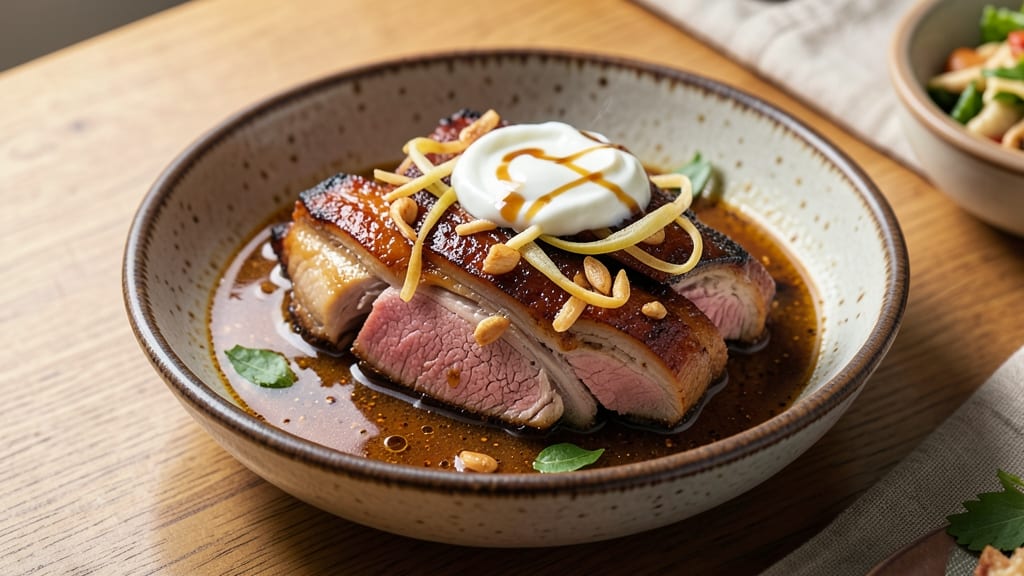
This Singaporean-style braised pork belly transforms rich, fatty pork into tender, aromatic shreds with a signature coconut-curry crunch. 🌟 The secret lies in slow-braising with coconut milk, five-spice powder, and kecap manis—creating a sauce that's both sweet and savory, with just the right amount of heat.
I developed this recipe after years of experimenting with Singaporean home cooking, balancing traditional techniques with home-kitchen practicality.
The process begins with marinating the pork belly in soy sauce, garlic, and ginger overnight, ensuring deep flavor penetration. After searing to render fat and build crust, it braises for hours until fork-tender, then finishes with a coconut-curry glaze that caramelizes into a glossy, textured topping.
This method delivers restaurant-quality results without requiring specialized equipment—just patience and attention to aromatics.
What you'll end up with is fall-apart pork belly swimming in a velvety coconut sauce, garnished with crispy fried shallots and fresh cilantro. The dish pairs perfectly with jasmine rice or kaya toast, making it ideal for weekend feasts or special occasions.
The flavors are complex yet approachable, with sweet, spicy, and umami notes that harmonize beautifully.
This recipe serves 4-6 and takes about 4 hours of active and passive cooking time. The long braising ensures maximum tenderness, while the final coconut glaze adds a satisfying crunch that elevates the dish from ordinary to extraordinary. Let's get started on creating this Singaporean-inspired centerpiece!
Ingredients for braised pork belly recipe singapore
Sixteen ingredients transform fatty pork into Singaporean-style tender shreds with coconut-curry crunch.
| Ingredient | Amount | Notes |
|---|---|---|
| Pork Belly 🥓 | 3 lb | Skin-on, cut into 2-inch cubes |
| Soy Sauce 🥫 | ½ cup | Kecap manis preferred for sweetness |
| Garlic Cloves 🧄 | 8 cloves | Minced, for marinade and braising |
| Fresh Ginger 🌿 | ½ cup | Finely grated, peeled |
| Five-Spice Powder 🌶️ | 1 ½ tbsp | Authentic Singaporean blend |
| Coconut Milk 🥥 | 2 cups | Full-fat, canned preferred |
| Brown Sugar 🍯 | ¼ cup | Light or dark, packed |
| Lemongrass 🌿 | 1 stalk | Bruised, cut into 2-inch pieces |
| Kaffir Lime Leaves 🍋 | 4 whole | Bruised, or substitute lime zest |
| Shallots 🧅 | 6 whole | Sliced, for garnish and braising |
| Vegetable Oil 🫒 | ½ cup | For searing pork belly |
| Fresh Cilantro 🌿 | ¼ cup | Chopped, for garnish |
| Salt 🧂 | 1 ½ tsp | Kosher or sea salt |
| Black Pepper 🌶️ | 1 tsp | Freshly ground |
The pork belly is non-negotiable—skin-on cuts render fat for flavor and texture. Asian grocery stores like H Mart or T&T Supermarket carry premium cuts, but any well-marbled belly works. Five-spice powder must be authentic (look for brands like Kwality or Fong Chan in Asian markets)—it's the aromatic backbone. Coconut milk should be full-fat canned brands like Aroy-D or Chaokoh; lighter versions won't deliver the same richness. For lemongrass, fresh stalks are essential—dried lacks the citrusy punch.
No five-spice powder? Mix 1 tsp each cinnamon, cloves, fennel, star anise, and Szechuan peppercorn as a substitute. Substituting coconut milk? Heavy cream plus 1 tbsp sugar mimics some richness, but texture will differ. Fresh ginger and garlic can be swapped for 2 tbsp ginger paste and 2 tbsp garlic paste in a pinch. Shallots can be replaced with yellow onions (double the amount), though shallots add delicate sweetness. For kaffir lime leaves, lime zest plus 1 tbsp lime juice provides a similar citrus note.
Marinated pork belly keeps 3 days in the fridge—use within that time for best texture. The braised dish reheats beautifully; store in an airtight container with sauce for up to 5 days. For make-ahead convenience, freeze portions of the shredded pork (without sauce) for 3 months1 week in the fridge.
Why You'll Love This Recipe
- One-Pot Magic: I swear by this for nights when I’d rather not dirty six pans. Just sear the pork belly, toss in the garlic, ginger, and five-spice, then let the soy sauce work its sauce magic—no flipping, no fuss.
- Umami Bomb: That crispy, caramelized edge on the pork belly? It’s where the soy sauce and five-spice team up like old friends. The ginger and garlic don’t just add flavor—they make every bite sing with depth.
- Leftovers I Crave: Between us, the second day is often better. The pork gets even more tender, and the sauce thickens into a glossy, savory glaze. I’ll eat it cold in rice paper rolls or reheated over steamed jasmine—no judgment.
- Budget Feast: Pork belly isn’t cheap, but you’re not cooking for one. A slab feeds four, and the leftovers stretch into lunches or late-night snacks. Honestly, it’s the kind of dish that makes grocery day feel like a victory.
Step-by-step instructions for braised pork belly recipe singapore
Here's the method for achieving tender, aromatic pork belly with crispy edges and a fragrant coconut curry sauce.
🔥 Step 1: Sear the Pork Belly for Maximum Flavor
Heat the 0.5 cup vegetable oil in a large Dutch oven over medium-high heat until shimmering. Working in batches, add the 3 lb pork belly cubes (skin-side down first) and sear for 4-5 minutes until the skin is golden brown and crispy. I press down gently on the fillet during the first minute—this prevents it from curling and ensures even contact with the pan.
Flip the pork belly and sear the other sides for 2-3 minutes until lightly browned. Remove the pork and set aside on a plate. The goal here is to develop a rich, caramelized crust that will dissolve into the braising liquid, adding deep umami flavor. Don't rush this step—proper searing is what gives this dish its signature depth.
👨🍳 Step 2: Build the Aromatic Base
In the same Dutch oven (no need to clean it—the browned bits are flavor gold), add the 6 whole sliced shallots and cook over medium heat for 2 minutes until softened. Add the 8 cloves minced garlic and 0.5 cup finely grated fresh ginger, cooking for 1 minute until fragrant and the raw garlic smell disappears.
Sprinkle in the 1.5 tbsp five-spice powder and 1.5 tsp salt, stirring constantly for 30 seconds to toast the spices and release their aromas. Add the 1 stalk bruised lemongrass and 4 whole bruised kaffir lime leaves, letting them infuse for 1 minute. This aromatic base forms the flavor foundation of the dish—take your time to develop these layers properly.
🍳 Step 3: Braise with Coconut Milk and Soy Sauce
Pour in the 0.5 cup soy sauce and 0.25 cup brown sugar, stirring to combine with the spiced shallots. Return the pork belly to the pot, skin-side up, and pour in the 2 cups coconut milk. The liquid should come about halfway up the pork belly—if it's too shallow, add ¼ cup water to help the pork cook evenly.
Bring to a gentle simmer over medium-low heat, then reduce heat to low and cover with a tight-fitting lid. Simmer for 1 hour and 15 minutes until the pork is fork-tender and the sauce has thickened slightly. I check the pork after 45 minutes—it should be easily shredding with a fork at this point. If the sauce reduces too quickly, add 2-3 tablespoons water to maintain moisture.
⏰ Step 4: Finish and Garnish for Restaurant-Quality Presentation
Once the pork is tender, carefully remove it from the pot and shred it using two forks. Return the shredded pork to the sauce and stir gently to coat. Taste and adjust seasoning with black pepper—I usually add about 1 tsp to enhance the flavors. The sauce should be rich, slightly sweet, and aromatic with coconut and lemongrass notes.
Ladle the pork and sauce into serving bowls, garnishing each portion with 2 tablespoons sliced shallots and 1 tablespoon chopped fresh cilantro. The presentation should be vibrant—golden pork against the creamy coconut sauce with bright green garnishes. Serve immediately with steamed jasmine rice to soak up all that delicious sauce.
Pro Tips For Making Braised Pork Belly Recipe Singapore
- CRACK THE BELLY FIRST: I learned this the hard way—skipping the knife work makes the texture uneven. Score the fat in a crosshatch pattern (about ½-inch apart) before braising. This lets the five-spice powder and soy sauce penetrate deeper, turning the pork belly into silky layers instead of a chewy mess.
- CHAR THE GINGER-GARLIC: Don’t just toss in minced ginger and garlic—brown them until they’re fragrant and slightly crispy (3-4 minutes on medium-high). The deeper color and nutty aroma cut through the richness of the pork belly, balancing the soy sauce’s saltiness. (Yes, even if you’re impatient like me.)
- SIMMER LOW AND LONG: The real magic happens at 160°F (70°C)—not boiling, not simmering fast. Cover the pot and let it cook for at least 2 hours, stirring occasionally. The fat renders slowly, and the five-spice powder blooms into a warm, aromatic sauce. Rushing this step means tough, dry pork belly.
- USE DARK SOY SAUCE LAST: Stir in the dark soy sauce only in the final 15 minutes—it’s not just for color, but for a glossy finish. If you add it too early, the pork belly absorbs it unevenly, leaving some pieces bland. (Pro move: Mix a teaspoon with a splash of water first to help it emulsify.)
Essential equipment for perfect results
Dutch Oven Essentials
This recipe demands a large Dutch oven—I use my Le Creuset 6-quart because it distributes heat evenly and handles the long braising time without hot spots. The heavy enamel coating prevents sticking, which is crucial when dealing with fatty pork belly.
If you don’t own one, a stainless steel pot with a tight-fitting lid (like All-Clad) works too, but watch for browning on the bottom. 🌡️
Must-Have Tools
First, grab two forks for shredding the pork—wooden ones work, but I prefer stainless steel for durability. A measuring spoon set is non-negotiable for the five-spice powder and brown sugar. For the lemongrass and kaffir lime leaves, a sharp chef’s knife and cutting board are essential.
I also recommend a fine-mesh strainer if you want to remove the bruised leaves after braising for a cleaner presentation.
Optional Upgrades
A meat thermometer (like ThermoWorks Smoke) ensures perfect doneness—aim for 203°F for ultra-tender pork. For the final crunch, a deep fryer or small saucepan is needed to fry shallots in vegetable oil at 350°F until golden.
If you’re lazy like me, store-bought fried shallots from an Asian market save time. The Chaokoh brand is my go-to for quality.
Budget-Friendly Swaps
Skip the fancy Dutch oven? A heavy-bottomed stainless steel pot (like Cuisinart) works, but avoid thin aluminum—it won’t hold heat well. For five-spice powder, Kwality brand is affordable and widely available.
Substitute kaffir lime leaves with lime zest + 1 tbsp lime juice—it’s not identical, but it adds citrus brightness. A handheld immersion blender can help emulsify the sauce if it separates during braising.
Pro Tips for Success
Line your Dutch oven with parchment paper if you’re nervous about sticking—just poke holes in the bottom for drainage. I also keep a small bowl of ice water nearby to refresh herbs like cilantro after chopping.
For the coconut milk, shake the can well before opening to prevent separation. And trust me, patience is key—rushing the braising time leads to tough pork. 💪
Nutrition facts
Frequently asked questions
Can I substitute regular soy sauce for kecap manis in this recipe?
You can, but the flavor will be less authentic. Kecap manis adds natural sweetness and depth that regular soy sauce lacks. If substituting, reduce the brown sugar to 1 tbsp and add 1 tsp honey to mimic the caramelized sweetness. For best results, use dark soy sauce which has more molasses content.
How do I prevent the pork belly from becoming too greasy?
Start by patting the pork dry before searing, and remove any excess fat that rises to the surface during braising with a spoon. Skim the fat every 15 minutes while cooking, and avoid covering the pot completely—leave a small gap in the lid to allow steam to escape. This helps render fat without making the sauce overly oily.
What's the best way to reheat leftovers without drying out the pork?
Reheat gently in a skillet with 1 tbsp coconut milk over low heat for 5-7 minutes, stirring occasionally. For microwave reheating, cover with a damp paper towel and heat in 30-second intervals until warmed through. Never reheat uncovered—this causes the pork to dry out and the sauce to separate.
Can I make this recipe in an Instant Pot or pressure cooker?
Yes, but with adjustments. Sear the pork first in a separate pan, then transfer to the Instant Pot with all ingredients except coconut milk. Cook on high pressure for 20 minutes, then quick-release. Stir in coconut milk and simmer for 5 minutes to thicken. The texture will be slightly different but still delicious—just don't expect the same caramelized crust.
What are good side dishes to serve with this Singaporean pork belly?
Jasmine rice is the classic pairing, but try kaya toast for a Singaporean breakfast twist. For freshness, serve with cucumber salad (thinly sliced cucumbers with lime, chili, and salt) or quick-pickled vegetables. Steamed bok choy or stir-fried greens with garlic and soy sauce also complement the rich pork beautifully.