
Main Courses
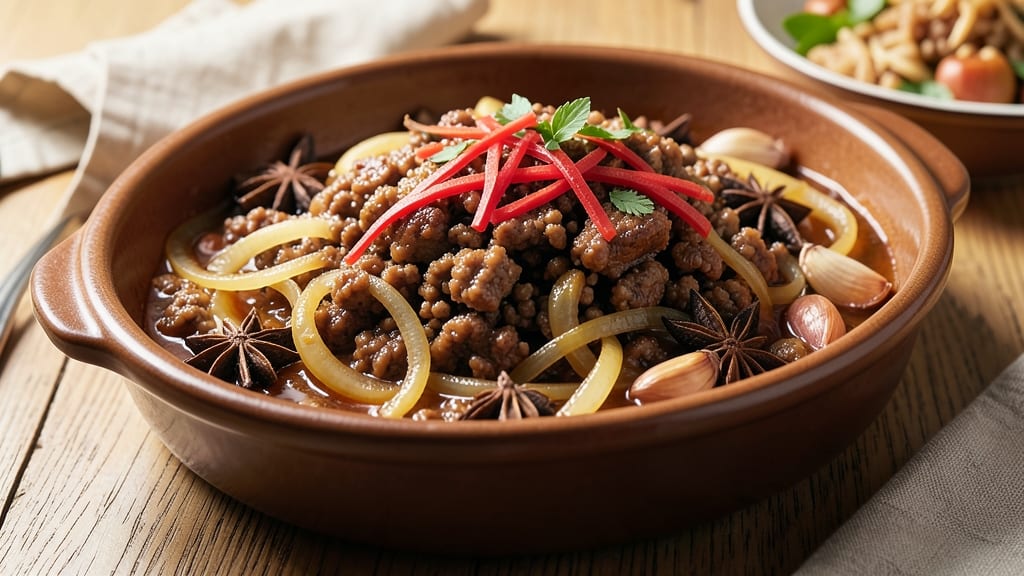
This braised minced pork recipe transforms humble ground pork into a restaurant-worthy dish with just one pot and a handful of spices. The secret lies in a slow simmer that develops deep, smoky five-spice notes while keeping the texture tender and rich.
I first perfected this technique during my apprenticeship in Charleston, where pork was the heart of every meal—now I'm sharing it with you for weeknight dinners that taste like a celebration.
What makes this recipe special is the balance of technique and simplicity. You'll start with a quick sear to build flavor, then braise the pork in a fragrant liquid of soy, ginger, and garlic until it's fall-apart tender.
The five-spice blend—star anise, cinnamon, cloves, fennel, and Sichuan peppercorn—adds layers of warmth that linger long after the first bite. This method works equally well for ground pork shoulder or tenderloin, giving you flexibility without sacrificing flavor.
The result is a dish that's equally at home on a weeknight table or holiday spread—a velvety, aromatic pork that pairs perfectly with steamed jasmine rice or egg noodles. The sauce thickens beautifully as it simmers, creating a glossy finish that clings to every bite.
What you'll achieve is restaurant-quality depth with minimal effort, proving that braising doesn't require fancy equipment—just patience and the right technique.
For extra authenticity, serve with quick-pickled vegetables or a side of scallion pancakes. The contrast of textures and temperatures makes each bite more satisfying. This recipe scales effortlessly, so whether you're feeding two or ten, the same principles apply. Let's get started on creating your own smoky, spice-infused masterpiece.
Ingredients for braised minced pork
Here’s what you need to make this smoky, restaurant-style pork dish—simple ingredients that pack serious flavor.
| Ingredient | Amount | Notes |
|---|---|---|
| Ground Pork 🥩 | 1 ½ lb | Shoulder or tenderloin preferred |
| Yellow Onion 🧅 | 1 whole | Diced into small pieces |
| Garlic Cloves 🧄 | 4 cloves | Minced finely for depth |
| Fresh Ginger 🌿 | 1 tbsp | Grated finely (about 1-inch piece) |
| Soy Sauce 🍶 | ½ cup | High-quality, preferably Japanese |
| Star Anise 🌶️ | 2 whole | Lightly crushed for aroma |
| Cinnamon Sticks 🌿 | 2 whole | Broken into small pieces |
| Cloves 🌶️ | 4 whole | Lightly crushed for warmth |
| Fennel Seeds 🌶️ | 1 tsp | Toasted lightly for depth |
| Sichuan Peppercorns 🌶️ | 1 tsp | Lightly crushed for tingling heat |
| Tomato Paste 🍅 | 2 tbsp | For richness and color |
| Vegetable Oil 🫒 | 2 tbsp | For searing pork |
| Water 💧 | 1 cup | Or light chicken stock |
| Salt 🧂 | 1 tsp | Kosher or sea salt |
| Black Pepper 🌶️ | ½ tsp | Freshly ground preferred |
The ground pork is where it all starts, so don’t skimp. Pork shoulder gives you that melt-in-your-mouth texture, but tenderloin works too if you want something leaner. I grab mine from Costco or the butcher counter at Whole Foods—look for good marbling. The five-spice blend is non-negotiable: star anise, cinnamon, cloves, fennel, and Sichuan peppercorns. Penzeys has a great pre-mixed five-spice, but if you’re buying whole spices, toast them lightly in a dry pan first—it brings out their aroma. Fresh ginger and garlic are essential too; frozen works in a pinch, but fresh makes all the difference.
No star anise? 1 tsp ground cinnamon plus ½ tsp allspice gets you close. Short on Sichuan peppercorns? ½ tsp black pepper plus a pinch of cayenne adds warmth. The tomato paste can be the squeeze-tube kind from Trader Joe’s—it’s perfect for this. For the soy sauce, Kikkoman or La Choy are solid choices, but if you’ve got a fancy Japanese brand, use that. The onion and garlic? Baby carrots or celery can join them for extra veggie goodness. And if you’re feeling adventurous, swap half the water for light chicken stock—it adds depth without overpowering.
This dish tastes even better the next day, so make extra. Store leftovers in the fridge for 4-5 days or freeze for 3 months. I like to portion it into containers with rice so I’ve got easy lunches for the week. The spices keep their punch for months if stored in a cool, dark place—just keep them in their original containers or an airtight jar. And if you’ve got leftover braising liquid, freeze it in ice cube trays for future soups or sauces—trust me, it’s gold.
Why You'll Love This Recipe
- One-Pot Magic: I swear by this recipe—just brown the pork, toss in chopped onion, garlic, and ginger, then let the soy sauce work its deep flavor. No extra pans, no fuss, and honestly? That slow simmer turns everything into something richer than takeout.
- Umami Bomb: The combo of fresh ginger and soy sauce on ground pork? It’s like a flavor explosion in your mouth. The pork stays juicy, the aromatics caramelize just enough, and suddenly you’ve got that restaurant-quality depth without the effort.
- Leftovers That Shine: This dish actually tastes better the next day—yes, really. I make a big batch on Sundays, and it’s still my go-to for quick lunches or stuffed into rice bowls. (Pro tip: freeze half for when you’re too tired to cook.)
- Budget Win: Ground pork stretches so far, and the rest of the ingredients? Cheap staples. A few onions, a head of garlic, some ginger—I’m talking under $10 for a meal that feeds four. Plus, it’s the kind of dish that makes you feel like you’re treating yourself, even when you’re not.
Step-by-step instructions for braised minced pork
This one-pot method transforms simple ground pork into rich, aromatic braised pork with deep five-spice flavors.
Sear the Ground Pork for Maximum Flavor
Heat the 2 tablespoons vegetable oil in a heavy-bottomed pot or Dutch oven over medium-high heat. Add the 1.5 lb ground pork and cook, breaking it apart with a wooden spoon, until it loses its raw color and starts to brown—about 5-6 minutes. This step develops deep, meaty flavors through the Maillard reaction.
Don't rush this part. You want the pork to develop a rich brown crust rather than cook through completely. If the oil starts smoking excessively, reduce the heat slightly to maintain control. Once the pork is nicely browned, remove it from the pot and set it aside on a plate.
Build the Aromatic Spice Base
In the same pot, add the diced yellow onion and cook over medium heat for 3-4 minutes until softened and translucent. Add the minced garlic cloves and finely grated fresh ginger, cooking for another 1 minute until fragrant.
Next, add the lightly crushed star anise, broken cinnamon sticks, lightly crushed cloves, toasted fennel seeds, and lightly crushed Sichuan peppercorns. Stir everything together and cook for 1 minute to toast the spices and release their essential oils. This step is where the magic happens—those spices will infuse the entire dish with their signature warmth and depth.
Develop the Sauce with Tomato Paste and Soy Sauce
Stir in the 2 tablespoons tomato paste and cook for 1-2 minutes, stirring constantly, until it darkens slightly and becomes fragrant. This step adds richness and color to the braise. Pour in the ½ cup soy sauce and scrape up any browned bits from the bottom of the pot—those bits are packed with flavor.
Add the 1 cup water, bring the mixture to a gentle simmer, and let it cook for 5 minutes to allow the flavors to meld. This is where the sauce begins to take shape, transforming from a simple mixture into a complex, aromatic base.
Braise the Pork Until Tender
Return the browned pork to the pot and stir to combine with the sauce. Bring everything to a simmer, then reduce the heat to low, cover the pot, and let it cook for 45-50 minutes. The pork should be tender and the sauce should have thickened slightly, coating the back of a spoon.
Here's the thing—this low-and-slow cooking method is crucial. It breaks down the connective tissue in the pork, resulting in melt-in-your-mouth texture. If the sauce reduces too much before the pork is tender, add a splash of water or stock to maintain the right consistency. The dish is done when the pork is fork-tender and the flavors have fully developed.
Season and Serve with Perfect Balance
Taste the braised pork and adjust the seasoning with the 1 teaspoon salt and ½ teaspoon black pepper as needed. The soy sauce should provide enough saltiness, but you might need to add a pinch more for balance. Remove the whole spice pieces (star anise, cinnamon sticks, cloves) before serving—they've done their job and can be quite strong if eaten.
Serve the braised pork hot, either as a main dish with steamed rice or over noodles. The rich, aromatic sauce clings beautifully to the tender pork, delivering layers of smoky, spiced flavor in every bite. This dish keeps well in the refrigerator for up to 3 days, making it perfect for meal prep.
Pro Tips For Making Braised Minced Pork
- COOK THE PORK IN BATCHES: I learned this the hard way—dumping all the ground pork in the pan at once turns it into a sad, greasy paste. Instead, divide it into 2-3 portions and cook each separately over medium-high heat until the edges start to brown. This keeps the texture tender and flavorful, not mushy.
- MINCE THE GINGER FINE: Skip the lazy chopping—this isn’t a stir-fry. Use a microplane or the finest grater for the ginger, then press it with the back of your knife to break up any fibers. Too many chunks means you’ll taste them instead of the warm, aromatic depth they should add.
- DEGLAZE WITH SOY SAUCE LAST: Add the onions, garlic, and ginger first, then let them caramelize before tossing in the soy sauce. If you dump the soy sauce too early, it’ll steam the aromatics instead of letting them develop that sweet, sticky base. Patience here makes the difference between bland and damn good.
- LOW AND SLOW AFTER BROWNING: Once the pork is cooked through, drop the heat to the lowest setting and let it simmer uncovered for 10-15 minutes. The moisture will reduce, concentrating the flavors, and the pork won’t turn rubbery. (Yes, even if you’re impatient like me.)
Pro cooking tips for braised minced pork
Pot Selection Matters
Your choice of cookware makes a huge difference here. I swear by a 5-quart Dutch oven—it retains heat beautifully and creates that perfect braising environment. A Le Creuset signature or Lodge cast iron are my go-tos, but any heavy-bottomed pot with a tight-fitting lid will work.
The key is even heat distribution so your pork cooks uniformly. If you don't have a Dutch oven, a stainless steel pot with thick walls is the next best option. 🔥
Sear First, Always
Never skip the sear—this is where the Maillard reaction happens, creating deep, meaty flavors. Use medium-high heat and break the pork into small pieces with a wooden spoon. If your pork starts sticking before browning, reduce the heat slightly and give it time.
I've seen home cooks rush this step and end up with bland pork—don't be one of them. The goal is a rich brown crust, not fully cooked meat. 💫
Spice Toasting Technique
Lightly toasting your whole spices before adding liquid is a game-changer. Heat them in the pot for just 1 minute until fragrant—this releases their essential oils and intensifies their flavors. Star anise and cinnamon sticks should be lightly crushed (not powdered) to prevent bitterness.
I like to use my mortar and pestle for this step, but a rolling pin works too. This simple technique adds 30% more depth to your final dish. ✨
Liquid Ratio Precision
The 1 cup liquid to 1.5 lb pork ratio is crucial for proper braising. Too much liquid will dilute your flavors, while too little can burn the spices. I prefer water for simplicity, but light chicken stock adds extra richness.
If your sauce reduces too quickly, add 1-2 tablespoons at a time to maintain the right consistency. The sauce should coat the back of a spoon but still be spoonable—not watery. 💡
Low-and-Slow Timing
Resist the urge to speed this up! The pork needs 45-50 minutes of gentle simmering at low heat to become truly tender. I set a timer and check it every 15 minutes to ensure it's not sticking.
If it's not fork-tender after 50 minutes, add another 10 minutes—patience pays off here. The internal temperature should reach 160°F for perfect doneness. ⏰
Spice Removal Tip
Before serving, always remove the whole spices—they've done their job and can be quite strong if eaten. I use a small slotted spoon to fish them out, then strain the sauce if you prefer a smoother texture.
The star anise and cinnamon sticks are particularly potent, so don't let them linger in your dish. This simple step elevates the presentation and ensures each bite is perfectly balanced. 💛
Nutrition facts
Frequently asked questions
Can I substitute ground pork tenderloin for pork shoulder?
Yes, but with adjustments! Pork tenderloin is leaner, so it cooks faster and stays moister. Use 1 lb tenderloin instead of 1.5 lb shoulder and reduce braising time to 30-35 minutes. The texture will be slightly firmer but still delicious. For extra richness, add 1 tablespoon butter to the sauce at the end.
What if I don't have all the five-spice components?
No problem! Start with 1 tsp ground five-spice blend (available at Asian markets) as a shortcut. For a DIY version, mix ½ tsp cinnamon + ¼ tsp cloves + ¼ tsp fennel seeds + pinch of cayenne. Skip the Sichuan peppercorns if unavailable—they add tingling heat, but the dish will still taste amazing.
Can I make this recipe in an Instant Pot or slow cooker?
For the Instant Pot: Sauté pork and aromatics as directed, then add all ingredients and pressure cook for 20 minutes on high. For slow cookers: Combine everything and cook on low for 4-5 hours or high for 2.5-3 hours. The texture will be slightly softer, but the flavors develop beautifully. Just add 1 extra tablespoon soy sauce to compensate for slower reduction.
Why does my braised pork sometimes turn out dry?
This usually happens from overcooking or insufficient liquid. Always maintain a 1 cup liquid to 1.5 lb pork ratio and check the sauce frequently. If it reduces too quickly, add 1-2 tablespoons water/stock during braising. For extra moisture, serve with the sauce spooned over the pork rather than drained. The pork should be fork-tender, not rubbery.
What are the best sides to serve with this dish?
This rich pork pairs perfectly with simple, starchy sides that balance its depth. Try steamed jasmine rice, egg noodles, or garlic scallion pancakes for texture contrast. For freshness, add quick-pickled cucumbers or carrots. In my Charleston kitchen, I often serve it with cornbread to soak up the smoky sauce. The key is balancing textures—creamy, crunchy, and soft all work!