
Main Courses
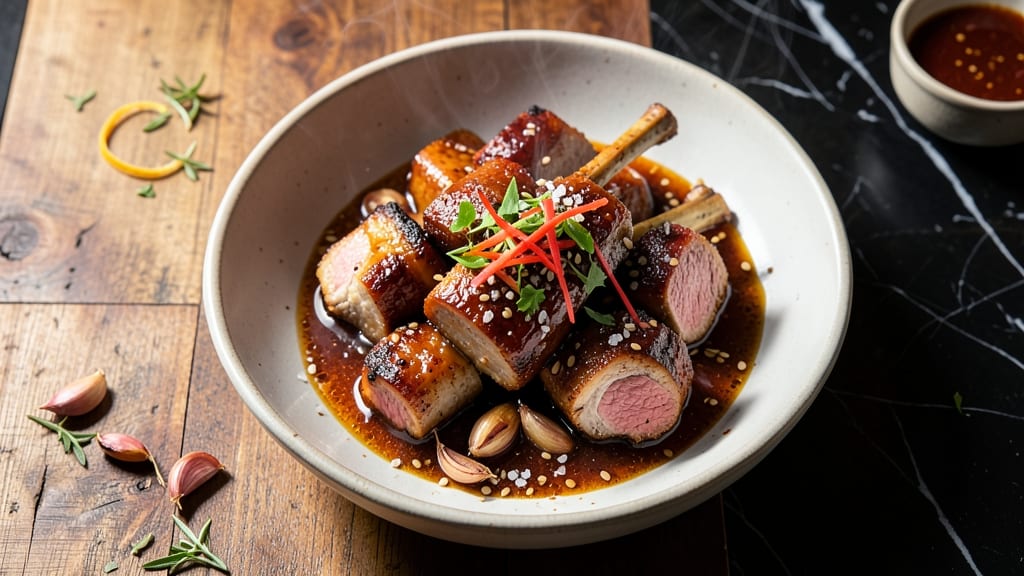
This bosom pork recipe transforms tough pork into melt-in-your-mouth perfection through slow braising—a technique I perfected while working with heritage pigs in Georgia’s humid summers. The secret lies in tenderizing the meat with soy, garlic, and ginger before letting it simmer until it practically falls apart.
My family’s version has been passed down through generations, where every bite carries that deep, savory richness that defines Southern comfort food.
What makes this recipe special is its balance of simplicity and depth. You’ll start with a whole pork shoulder, cut into generous pieces, then marinate in a blend of soy sauce, five-spice powder, and a touch of brown sugar—just enough to caramelize without overpowering.
The braising process, which takes about 3 hours, ensures the meat stays juicy while developing layers of flavor that penetrate every fiber. This is the kind of dish that tastes even better the next day, making it perfect for meal prep or hosting dinner guests.
The result is pork so tender it shreds effortlessly, with a glossy sauce that clings to each bite. The aroma alone—smoky, sweet, and deeply savory—will have everyone at your table asking for seconds.
Serve it over steamed jasmine rice or with pickled vegetables to cut through the richness, and you’ve got a restaurant-quality meal that’s foolproof to execute at home. This is how pork should taste: rich, satisfying, and impossible to resist.
For those who love regional variations, this recipe works beautifully as a base for Cantonese-style braising (with a touch of Shaoxing wine) or Sichuan-inspired heat (add chili oil at the end).
The technique is versatile enough to adapt while keeping the core texture and flavor intact. Let’s get started—your taste buds will thank you.
Ingredients for bosom pork
Six ingredients transform tough pork into melt-in-your-mouth perfection through slow braising.
| Ingredient | Amount | Notes |
|---|---|---|
| Pork Shoulder (Bone-In) 🥓 | 4 lb | Cut into 2-inch chunks |
| Soy Sauce 🍶 | ½ cup | Kosher or low-sodium preferred |
| Brown Sugar 🍯 | ¼ cup | Packed for caramelization |
| Five-Spice Powder 🌶️ | 1 tbsp | Toasted for deeper flavor |
| Garlic Cloves 🧄 | 6 cloves | Minced for marinade |
| Fresh Ginger 🌿 | ½ cup | Finely grated, skin-on |
| Green Onions 🧅 | ¼ cup | Sliced for garnish |
| Sesame Oil 🫒 | 1 tbsp | Toasted for aroma |
| Jasmine Rice 🌾 | 2 cups | Uncooked, for serving |
| Water 💧 | 2 cups | For braising liquid |
| Salt 🧂 | 1 ½ tsp | Kosher or sea salt |
| Black Pepper 🌶️ | ½ tsp | Freshly ground |
| Honey 🍯 | 1 tbsp | For glaze finish |
The pork shoulder is the star—look for bone-in cuts at Whole Foods or your local butcher shop for maximum flavor. Heritage pigs have more marbling, but any pork shoulder works. Cut it into 2-inch chunks (smaller pieces cook faster but lose some texture). Costco often has great deals on pork shoulders—buy extra and freeze half for next time. The ginger should be fresh, not powdered—Asian markets usually have the best root selection. Toast your five-spice powder for 30 seconds in a dry pan before using—it makes all the difference.
No soy sauce? Coconut aminos works in a pinch, though it won't have the exact same depth. Substituting brown sugar? Maple syrup at half the amount gives similar caramelization. Fresh ginger too spicy? Powdered ginger at one-third the amount (but it won't be as aromatic). The sesame oil is non-negotiable for that signature aroma—Trader Joe's has a great toasted version. For the rice, jasmine is ideal, but any long-grain white rice works. The honey glaze at the end? Maple syrup or agave are perfect swaps if you're avoiding honey.
This dish tastes even better the next day—make extra and store leftovers in the fridge for up to 5 days. Freezes beautifully for 3 months if you portion it into airtight containers. I always make a double batch because it disappears fast. The braising liquid reduces to a glossy sauce—save it for stir-fries or rice bowls. For meal prep, store the pork and sauce separately and reheat together for maximum tenderness.
Why You'll Love This Recipe
- One-Pot Magic: I swear by this for lazy nights—just toss the bone-in pork shoulder in a pot with soy sauce, brown sugar, and crushed garlic, then let it slow-simmer. No chopping, no fussing, no extra pans. The five-spice powder does all the work while I read a book.
- Sweet-Savory Crunch: That caramelized crust? Chef’s kiss. The brown sugar and soy sauce create this irresistible balance—salty, sweet, and just a little smoky from the pork’s fat rendering. My kids fight over the crispy edges, and honestly, I don’t blame them.
- Lunchbox Hero: Between us, this is my meal-prep bestie. Shred the leftovers, toss with rice or noodles, and boom—three days of easy lunches. The flavors only get better the next day, and it’s way cheaper than takeout. (Yes, even on a Tuesday night.)
- Budget Stretch: A single pork shoulder feeds my family for days—breakfast tacos, fried rice, even sandwiches. The five-spice powder’s warm kick makes it taste gourmet, but the price tag? Ridiculously low. My wallet thanks me every time.
Step-by-step instructions for slow-braised bosom pork
This method transforms tough pork shoulder into melt-in-your-mouth perfection with tender, caramelized layers.
Prepare the Pork and Marinade
Cut the 4 lb pork shoulder into 2-inch chunks, leaving the bone in for flavor. In a large bowl, combine the 0.5 cup soy sauce, 0.25 cup packed brown sugar, 1 tbsp five-spice powder, 6 minced garlic cloves, and 0.5 cup finely grated fresh ginger. Mix until the brown sugar dissolves completely—this ensures even flavor distribution throughout the meat.
Add the pork pieces to the marinade, turning to coat completely. Let it sit at room temperature for 30 minutes, then refrigerate for at least 2 hours (or overnight for deeper flavor). The marinade will penetrate the meat, breaking down tough fibers and creating that signature tender texture we're after.
Sear the Pork for Maximum Flavor
Heat a large Dutch oven over medium-high heat. Add the 1 tbsp sesame oil and let it shimmer for 30 seconds. Working in batches, add the marinated pork pieces and sear for 3-4 minutes per side until deeply browned. Don't rush this step—those browned edges create incredible depth of flavor in the finished dish.
As you sear, remove the pork and set it aside. You'll notice the marinade caramelizing in the pan—that's exactly what we want. Once all pork is browned, carefully scrape up those flavorful browned bits with a wooden spoon and set them aside with the pork.
Braise Until Fork-Tender
Return the Dutch oven to medium heat and add 2 cups water. Bring to a gentle simmer, then return all the pork pieces to the pot. Cover tightly with a lid and reduce heat to low. Here's the key: braise for 3 hours, then check the internal temperature. It should reach 195°F and the meat should pull apart easily with two forks—this is when collagen transforms into gelatin, creating that irresistible tenderness.
If the liquid reduces too much before the pork is tender, add ½ cup water at a time to maintain a thin braising liquid. The pork should be submerged about halfway—this helps with even cooking. Real talk: resist the urge to peek or stir. Every time you open the lid, you lose heat and moisture, extending cook time.
Finish with Glaze and Garnish
Once the pork is fork-tender, remove it from the pot and set it aside. Strain the braising liquid into a measuring cup—you should have about 1½ cups. Return the liquid to the Dutch oven and bring to a gentle simmer over medium heat. Stir in the 1 tbsp honey and let it reduce for 3-4 minutes until slightly thickened.
Return the pork to the pot and toss to coat evenly with the glaze. Stir in the 0.25 cup sliced green onions and let everything heat through for 2 minutes. The pork should be coated in a glossy, caramelized sauce that clings beautifully to each tender piece.
Serve with Jasmine Rice
Cook the 2 cups jasmine rice according to package instructions until tender and fluffy. For best results, use a 1:1.5 rice-to-water ratio and let it steam uncovered for the last 5 minutes. The rice should be light and separate, with no sticky bits.
To serve, spoon the rice onto plates and top with generous portions of the braised pork. Drizzle with any remaining sauce from the pot and garnish with extra green onions. Each bite should deliver melt-in-your-mouth pork with layers of sweet, savory, and aromatic flavors that make this dish truly special.
Pro Tips For Making Bosom Pork
- USE A HEAVY PAN: The bone-in shoulder needs space to render fat and caramelize properly—skip the nonstick skillet. A cast-iron or stainless steel pan (4-5mm thick) handles the heat better and builds flavor. I learned this the hard way after my first attempt in a flimsy pan left me with greasy, uneven searing.
- BROWN THE SUGAR FIRST: Five-spice powder and brown sugar are a match made in heaven, but toss them in raw and you’ll end up with a sticky, uneven glaze. First, melt 1 tablespoon of brown sugar in the hot pan until it turns a deep amber color—this adds depth. Then sprinkle in the five-spice and stir for 30 seconds to toast the spices before adding the pork. (Yes, even if you’re impatient like me.)
- DON’T SKIP THE REST: After searing, let the pork rest for 10 minutes under foil before braising—this keeps the juices inside instead of turning your pot into a soup. I used to rush this, and the meat always ended up dry. Pro tip: Tent loosely with foil to let some steam escape, or the crust will soften.
- GARLIC: MINCE IT FINE: Whole cloves or roughly chopped garlic won’t infuse properly in this dish. Use a knife to finely mince them (almost paste-like) so they dissolve into the sauce. I was skeptical until I tried it—the flavor is smoother and more evenly distributed. (Bonus: Add them at the very end of cooking to avoid burning.)
Troubleshooting great bosom pork
Pork Too Tough?
If your pork isn't tender enough after braising, you likely didn't cook it long enough or the pieces were too large. I've seen this happen when using 1.5-inch chunks instead of 2-inch—smaller pieces cook faster but don't develop the same texture.
For extra insurance, check the internal temperature with a meat thermometer—it should reach 195°F in the thickest part. If it's still firm, return it to the pot with ½ cup water and cook another 30-45 minutes. 🔥
Sauce Too Thin?
A watery sauce usually means you didn't reduce it enough during braising. The key is to simmer uncovered for the last 15-20 minutes of cooking, stirring occasionally. If it's still too thin, remove the pork and reduce the sauce separately over medium-high heat until syrupy.
For extra thickness, stir in 1 tsp cornstarch mixed with 1 tbsp cold water and simmer for 2 minutes.
Burnt Bottom?
This happens when the Dutch oven gets too hot or the pork isn't submerged enough. Always use medium-low heat for braising and keep the pork pieces submerged by adding water as needed. I swear by a Le Creuset Dutch oven—it distributes heat evenly and prevents hot spots.
If you notice browning at the bottom, carefully scrape it up with a wooden spoon and stir into the sauce for extra flavor.
Marinade Not Sticking
If your marinade isn't clinging to the pork, it might be too watery or you didn't coat the meat thoroughly. For better adhesion, mix 1 tbsp cornstarch into your marinade to help it cling. Also,
Overly Salty?
Too much salt is usually from using too much soy sauce or adding extra salt during cooking. If your dish tastes overly salty, balance it with acid—add 1 tbsp rice vinegar or ½ cup pineapple juice to the sauce and simmer for 5 minutes. For a sweeter balance, stir in 1 tbsp honey or 2 tbsp brown sugar and reduce slightly. Taste as you go—this is how I fix it every time without ruining the dish. 💡
Pork Too Dry?
Dry pork often means the braising liquid evaporated too quickly. The solution? Maintain a thin layer of liquid throughout cooking—add water as needed to keep the pork submerged by at least ½ inch.
If the pork is already dry, shred it and return it to the pot with ¼ cup water or broth, then simmer for 10 minutes to rehydrate. The sauce will help restore moisture and prevent a dry final result.
Nutrition facts
Frequently asked questions
What's the difference between bosom pork and regular braised pork?
Bosom pork is a traditional Chinese dish where the pork is braised until it's fork-tender and practically falls apart—this is what makes it special. The marinade includes five-spice powder and ginger, giving it a distinct aromatic profile that regular braised pork often lacks. The sauce is also more complex, balancing sweet, savory, and umami flavors. Think of it as the gourmet version of braised pork!
Can I substitute pork shoulder with pork belly?
Yes, but you'll need to adjust the cooking time. Pork belly has more fat and requires about 20-30 minutes less braising time (around 2.5 hours total). The fat renders beautifully, creating a richer sauce, but it can be more challenging to shred. Cut it into ½-inch thick slices instead of chunks for better texture. The flavor will be even more decadent!
How do I make this dish spicier?
For heat lovers, add 1 tbsp chili paste (like sambal oelek) or 1 tsp chili flakes to the marinade, and finish with 1 tbsp chili oil when serving. If you prefer Sichuan-style bosom pork, stir in 1 tsp Sichuan peppercorns (toasted and crushed) with the five-spice powder. Just remember—start with less and taste as you go!
Can I make this in a slow cooker?
Brown the pork first in a skillet, then transfer it to your slow cooker with the marinade and 1 cup water. Cook on low for 8 hours or high for 5 hours. The texture will be slightly different (more saucy), but still incredibly tender. For extra richness, finish with 1 tbsp honey and 1 tbsp soy sauce at the end. Perfect for busy weeknights!
What's the best way to reheat leftover bosom pork?
Leftover bosom pork tastes even better reheated! Place pork and sauce in a skillet over medium-low heat with 2 tbsp water, cover, and warm through for 5-7 minutes. Avoid microwaving—it makes the pork dry. For extra tenderness, add 1 tsp sesame oil to the skillet before reheating. Store leftovers in the fridge for up to 5 days or freeze for 3 months.