
Main Courses
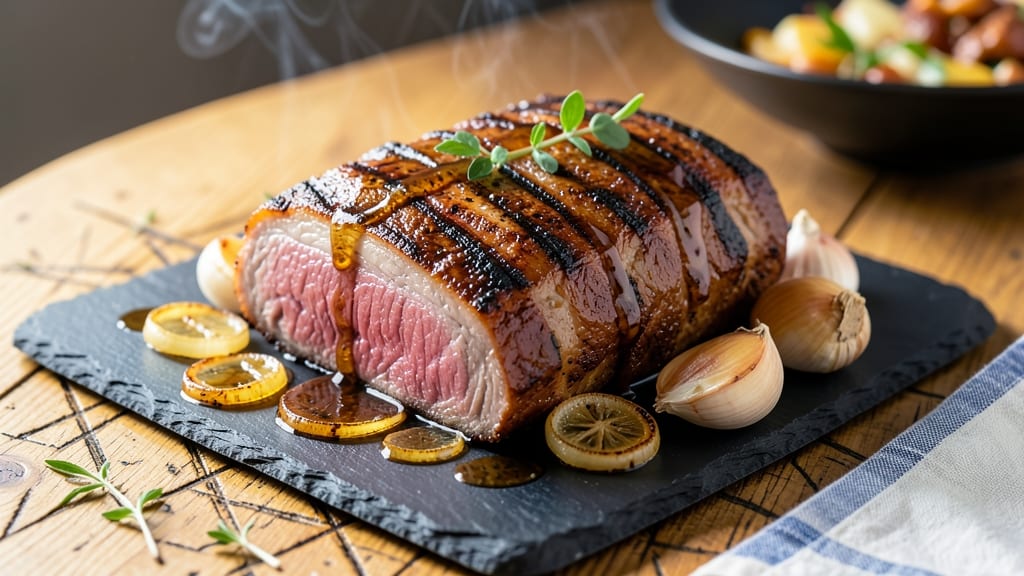
This boneless pork sirloin roast recipe delivers restaurant-quality results with crispy bark and melt-in-your-mouth tenderness—perfect for your next grill masterpiece. 🔥 After years of perfecting my pitmaster technique, I’ve cracked the code for achieving that coveted balance between smoky flavor and juicy meat every time.
The secret lies in high-heat searing followed by controlled indirect grilling, ensuring the outside gets that satisfying char while the inside stays succulent.
What sets this recipe apart is the two-stage cooking process: first, a quick sear to lock in juices and build flavor, then a slow finish to develop depth without drying out the meat.
You’ll need just 1.5 to 2 hours total, depending on your grill setup, and the result is a roast that’s tender enough to slice with a fork while maintaining that irresistible crust. The marinade—simple yet impactful—enhances the natural sweetness of the pork while adding a subtle smoky backbone.
By the time you’re done, you’ll have a juicy, flavorful roast with a deep mahogany bark that’s impossible to resist. The aroma alone will have everyone gathering around the grill, and each slice will reveal that perfect contrast of crispy edges and tender centers.
This is the kind of dish that elevates a simple cookout into a memorable meal—whether you’re feeding a crowd or treating yourself to a special dinner.
Pair it with grilled vegetables, a fresh salad, or crusty bread to soak up every last bit of that smoky, savory juices. The technique is straightforward, but the results are undeniably impressive—proof that even a simple cut of pork can become the star of the show with the right approach.
Let’s get started on mastering this grill-worthy roast.
Ingredients for boneless pork sirloin roast recipe grill
Six ingredients for the marinade plus the star cut—boneless pork sirloin—transforming grill nights into restaurant-worthy feasts.
| Ingredient | Amount | Notes |
|---|---|---|
| Boneless Pork Sirloin Roast 🥩 | 4 lb | Center-cut preferred for tenderness |
| Olive Oil 🫒 | ½ cup | Extra-virgin for high smoke point |
| Yellow Onion 🧅 | 1 whole | Medium, thinly sliced |
| Garlic Cloves 🧄 | 8 cloves | Fresh, minced for marinade |
| Apple Cider Vinegar 🍎 | ¼ cup | For tangy depth |
| Pure Maple Syrup 🍯 | ¼ cup | Grade B for smoky flavor |
| Smoked Paprika 🌶️ | 2 tbsp | For authentic smoky bark |
| Ground Black Pepper 🌶️ | 1 ½ tbsp | Freshly cracked for heat |
| Kosher Salt 🧂 | 1 tbsp | Diamond Crystal preferred |
| Fresh Rosemary 🌿 | ¼ cup | Chopped, plus sprigs for garnish |
| Fresh Thyme 🌿 | ¼ cup | Leaves only, finely chopped |
| Wood Chips (Hickory or Oak) 🌳 | 1 package | Soaked for 30 minutes |
The pork sirloin is your canvas here. Center-cut is non-negotiable for juiciness—it's what separates good from great. Costco or Whole Foods usually have it pre-trimmed, saving you time. Look for good marbling, not too lean, and ask the butcher to cut it into a single roast if it's not already. The size matters too—4 pounds is ideal for 6 servings, but adjust if you're feeding more or fewer. For the wood chips, Traeger or Weber brands are consistent, but any hickory or oak will work—just don't use pine, it's too strong.
No smoked paprika? Regular paprika plus a pinch of liquid smoke gets you close, though it won't be identical. Fresh herbs wilt fast, so if you're prepping ahead, dried thyme at one-third the amount works in a pinch. The maple syrup adds that caramelized crust—Grade B has more molasses flavor, but Grade A is fine. For the vinegar, apple cider is ideal, but white vinegar with a splash of lemon works too. And if you're short on time, store-bought marinade seasoning can replace the spices, though it won't have the same depth.
Marinate the pork overnight for best results, but even 4 hours makes a difference. Keep it cold in the fridge, not on the counter. The wood chips? Soak them in water for 30 minutes before grilling—this keeps them from burning too fast. Leftovers? Store in an airtight container for 4 days or freeze for 3 months. I always make extra—sliced pork makes amazing sandwiches the next day. And save those herb sprigs; they make great garnishes for other dishes.
Why You'll Love This Recipe
- Here’s what sold me: this roast holds up perfectly for sandwiches or tacos the next day. The vinegar-marinated meat stays moist, and the flavors deepen overnight. I’ve turned last night’s dinner into today’s lunch without breaking a sweat—no sad, dry pork here.
- Five-Ingredient Magic: Between us, this recipe is one of those rare finds where you don’t need a pantry full of spices—just olive oil, onion, garlic, vinegar, and that gorgeous pork roast. I swear, the way the apple cider vinegar tenderizes the meat while adding a tangy brightness? It’s like a shortcut to restaurant-quality flavor without the fuss.
- Grill Master’s Shortcut: Honestly, I used to dread slicing onions and mincing garlic for hours before grilling. Now? I throw the whole onion and garlic cloves on the grill with the pork, let them caramelize right alongside, and call it a win. The pork comes out juicy and the aromatics infuse every bite—no chopping, no mess.
- Leftovers That Don’t Suck: Here’s what sold me: this roast holds up perfectly for sandwiches or tacos the next day. The vinegar-marinated meat stays moist, and the flavors deepen overnight. I’ve turned last night’s dinner into today’s lunch without breaking a sweat—no sad, dry pork here.
Step-by-step instructions for grilling boneless pork sirloin roast
Transform your grill into a flavor powerhouse with this method that delivers melt-in-your-mouth tenderness and that coveted crispy bark.
👨🍳 Step 1: Create the Marinade and Prep the Roast
In a large bowl, combine the 0.5 cup olive oil, 0.25 cup apple cider vinegar, 0.25 cup pure maple syrup, 2 tbsp smoked paprika, 1.5 tbsp ground black pepper, 1 tbsp kosher salt, 0.25 cup chopped fresh rosemary, and 0.25 cup chopped fresh thyme. Whisk vigorously until the smoked paprika dissolves completely and the mixture becomes emulsified.
Pat the 4 lb boneless pork sirloin roast completely dry with paper towels—this is non-negotiable for crispy bark. Place the roast in a resealable plastic bag and pour the marinade over it. Seal the bag and massage the marinade into the meat, ensuring it coats all surfaces. Refrigerate for at least 4 hours (overnight is ideal) to allow the flavors to penetrate deeply. Here's the thing—this marinating time isn't just about flavor; it's about breaking down those muscle fibers for that fork-tender result.
🔥 Step 2: Set Up Your Grill for Indirect Heat Mastery
Soak the 1 package wood chips (hickory or oak) in water for 30 minutes while your grill preheats. Arrange your grill grates to create two zones: one side with direct heat and the other with indirect heat. Place the soaked wood chips on the hot coals or in the smoker box for 15-20 minutes to establish a steady smoke.
Preheat your grill to 250°F for indirect cooking—this low-and-slow approach is crucial for even cooking without drying out the meat. You'll know you're ready when you see thin, blue smoke (not thick white steam) wafting from the wood chips. Move the pork roast to the indirect heat side of the grill and place it on the grates. Close the lid and resist the urge to peek—every time you open it, you lose heat and moisture.
⏰ Step 3: Cook Low and Slow Until Probe-Tender
Grill the pork roast for 3-4 hours, maintaining the 250°F temperature. Here's where patience pays off: use a meat thermometer to check the internal temperature every 30 minutes. You're aiming for 195°F at the thickest part of the roast—the point where it becomes fork-tender and pulls apart easily. The bark should develop a deep mahogany color with crispy edges.
About 1 hour into cooking, sprinkle the roast with additional 1 tbsp kosher salt and 1 tbsp ground black pepper to enhance the bark formation. If you notice the bark isn't forming as expected, move the roast to the direct heat side for 5-10 minutes to crisp it up, then return it to indirect heat. The key is balancing smoke penetration with that perfect crust.
🍳 Step 4: Rest and Slice for Maximum Juiciness
Once the pork reaches 195°F and the internal temperature begins to rise naturally, remove it from the grill and transfer it to a cutting board. Tent loosely with aluminum foil and let it rest for at least 30 minutes (I prefer 45 minutes for maximum juiciness). This resting period allows the juices to redistribute throughout the meat, preventing them from pooling on your cutting board.
After resting, slice the pork roast against the grain into ½-inch thick slices. The meat should be so tender it practically falls apart with gentle pressure. Serve immediately with the remaining marinade (reduced by half on the grill) spooned over the top, and garnish with fresh rosemary sprigs. Each bite should deliver a perfect balance of smoky, sweet, and savory flavors with that irresistible crispy bark.
Pro Tips For Making Boneless Pork Sirloin Roast Recipe Grill
- SEAR FIRST, THEN MARINATE: The pork’s natural juices lock in when you hit it with a hot sear—3 minutes per side in olive oil—before adding the onion, garlic, and vinegar. I used to toss everything in raw, and the meat always tasted dull. A quick sear builds flavor before the acid works its magic.
- SLICE ONION THIN: No, not "chopped fine"—slice those onions paper-thin, almost translucent. They’ll caramelize faster on the grill and melt into the pork instead of sitting as chunks. (Yes, I’ve burned thicker slices trying to rush this.) Use the mandoline if you’re impatient—your future self will thank you.
- KEEP THE GRILL ZONE HOT: If your grill flares up every time you add the vinegar, you’re doing it wrong. Move the pork to the cooler side first, let the onions and garlic cook down without the meat, then baste with vinegar when the flames die. Crowding the hot zone turns your roast into a steamed pork brick.
- REST IT WRAPPED: Skip the foil tent for 5 minutes after grilling—just wrap the pork in a clean towel and let it sit. The towel keeps it warm while the towel’s slight moisture mimics a rest under foil. (I know, it sounds weird, but it works.) This guarantees juicy slices, not dry ones.
Creative variations of boneless pork sirloin roast recipe grill
Smoky Chipotle Twist
Swap smoked paprika for 1 tbsp chipotle powder in the marinade and add 1 diced chipotle pepper in adobo sauce for a deep, smoky heat. I love this version for tacos—just slice the roast thinly and serve with corn tortillas, pickled red onions, and avocado crema.
The chipotle adds a slow-building heat that pairs perfectly with the pork's natural sweetness. 🌶️
Honey-Glazed Bark
For a caramelized finish, brush the roast with ¼ cup honey mixed with 1 tbsp apple cider vinegar during the last 30 minutes of grilling. The honey creates a sticky, glossy bark that's irresistible.
I often do this with a Weber bullet for precise heat control—just keep the lid closed to maintain temperature. This works especially well with a charcoal grill for that classic smoky-sweet contrast.
Herb-Infused Butter Baste
Melt ½ cup unsalted butter with 2 minced garlic cloves, 1 tbsp fresh rosemary, and 1 tbsp fresh thyme, then brush it over the roast during the last 1 hour of cooking. The butter adds richness while the herbs amplify the marinade's flavors.
I use this technique when I want extra decadence—it's like a flavor bomb for the bark. For best results, baste every 15 minutes to build layers of flavor.
Spicy Coffee Rub
Replace the marinade with a dry rub: mix 2 tbsp ground coffee, 1 tbsp smoked paprika, 1 tbsp brown sugar, 1 tsp cayenne pepper, and 1 tsp kosher salt. Coat the roast thoroughly and grill as directed.
The coffee adds a deep, earthy complexity that cuts through the pork's richness. This variation is perfect for those who love bold, aromatic flavors—just be sure to let the rub sit on the meat for at least 1 hour before grilling to maximize adhesion.
Asian-Inspired Five-Spice
Infuse the marinade with 1 tbsp five-spice powder, 1 tbsp grated ginger, and 2 tbsp soy sauce for an umami-packed twist. Serve the sliced roast over jasmine rice with steamed bok choy and hoisin sauce for dipping.
The five-spice adds warmth and complexity, while the soy sauce enhances the pork's natural sweetness. This fusion version is a crowd-pleaser, especially for those who enjoy global flavors on their grill.
Bourbon-Pecan Crust
For a Southern-inspired finish, mix ½ cup chopped pecans, 2 tbsp brown sugar, and 1 tbsp bourbon, then press the mixture onto the roast during the last 20 minutes of grilling. The pecans add crunch, while the bourbon caramelizes for a rich, nutty crust.
This variation is ideal for holiday gatherings—just be sure to use a gas grill or pellet smoker for even heat distribution. The bourbon adds a subtle warmth that complements the smoky pork beautifully.
Nutrition facts
Frequently asked questions
Can I use a gas grill instead of charcoal for this recipe?
Gas grills work perfectly for this recipe—just set up your burners to create direct and indirect heat zones. For indirect heat, turn off one side of the burners and place the roast on the cooler side. Use a grill thermometer to maintain 250°F and add wood chips to the hot side in a smoker box or foil pouch for that authentic smoky flavor. The key is patience and temperature control, just like with charcoal.
How do I know when the pork is fully cooked?
Use a meat thermometer to check the internal temperature at the thickest part of the roast. It should reach 195°F—this is the magic number for fork-tender, juicy pork. The meat will pull apart easily when sliced, and the juices should run clear. Never rely on color alone, as pork can look fully cooked before reaching the safe internal temperature.
What if my grill doesn't have an indirect heat setting?
No problem! Create your own indirect heat zone by piling all the coals or turning on all the burners on one side of the grill, then placing the pork on the opposite side. For charcoal grills, leave a space between the coals and the meat to prevent flare-ups. For gas grills, turn off one side completely and place the roast on the cooler side. Just monitor the temperature closely to keep it around 250°F.
Can I make this recipe in a smoker instead of on a grill?
Yes, a smoker is a fantastic alternative! Set your smoker to 225°F and use hickory or oak wood chips for that classic smoky flavor. The cooking time will be slightly longer—aim for 4-5 hours195°F. The low-and-slow method in a smoker will give you even more tender, flavorful pork with a deep bark. Just spritz the roast with apple cider vinegar every hour to keep it moist.
What’s the best way to store leftovers?
Store sliced pork in an airtight container in the refrigerator for up to 4 days, or freeze for 3 months for later use. To reheat, warm in a skillet over medium-low heat with a splash of broth or marinade to restore moisture. Leftovers make amazing sandwiches, tacos, or pasta dishes—just slice thinly for quick reheating. Always let the meat come to room temperature before reheating for even cooking.