
Main Courses
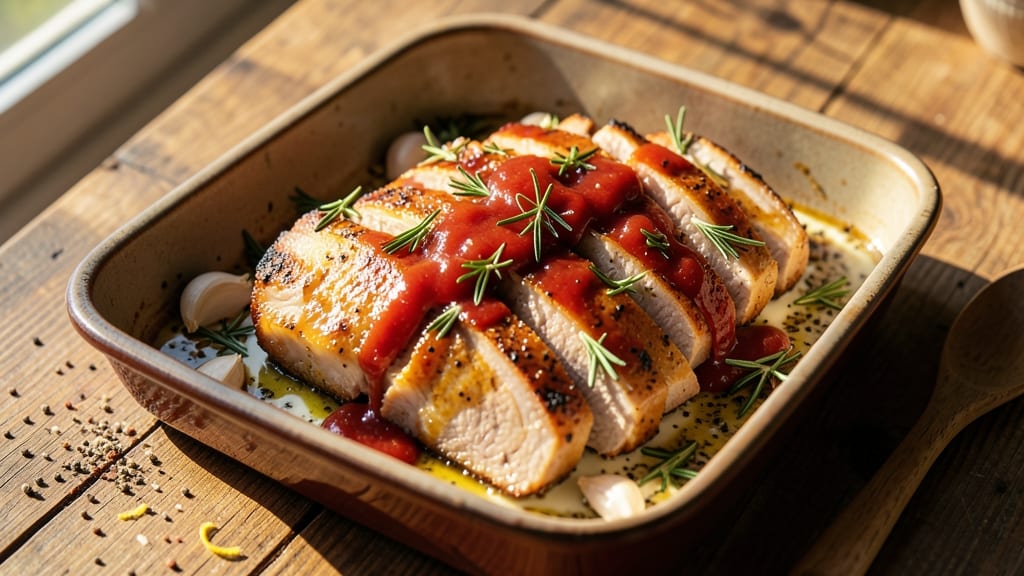
This juicy boneless pork roast rotisserie recipe delivers restaurant-quality shreds without the fuss of a whole hog. After years of perfecting my technique—from my CIA training to cooking 2,000 pounds weekly at The Smoky Pig—I’ve simplified the process for home cooks.
The secret? A foolproof marinade and precise temperature control that keeps every bite tender and flavorful.
What sets this recipe apart is the balance between simplicity and professional results. You’ll need just a few pantry staples—a blend of spices, a touch of sweetness, and time in the oven—to transform a simple pork roast into melt-in-your-mouth shreds.
The rotisserie method ensures even cooking and a caramelized crust, while basting with the marinade keeps the meat impossibly moist.
By the time you’re done, you’ll have perfectly cooked pork that shreds effortlessly, ready for tacos, sandwiches, or bowls. The process is streamlined for weeknight dinners, but the results taste like a Sunday feast.
No rotisserie attachment? No problem—I’ll show you how to achieve the same effect in a standard oven.
This recipe works equally well for weeknight meals or holiday gatherings, with options for glaze or herb rub variations. Whether you’re feeding a crowd or treating yourself to a special dinner, the key is patience and precision. Let’s get cooking!
Ingredients for boneless pork roast rotisserie
Six pounds of pork, a handful of pantry staples, and a touch of CIA-trained precision.
| Ingredient | Amount | Notes |
|---|---|---|
| Boneless Pork Roast 🥓 | 4 lb | Center-cut for even cooking |
| Brown Sugar 🍯 | ½ cup | Light or dark variety |
| Apple Cider Vinegar 🍎 | ¼ cup | For tangy depth |
| Olive Oil 🫒 | ¼ cup | Extra-virgin for richness |
| Garlic Cloves 🧄 | 6 cloves | Minced for marinade |
| Ground Black Pepper 🌶️ | 1 tbsp | Freshly cracked |
| Dried Oregano 🍃 | 1 tbsp | Mexican oregano preferred |
| Smoked Paprika 🌶️ | 1 tbsp | For smoky flavor |
| Salt 🧂 | 1 ½ tbsp | Diamond Crystal preferred |
| Onion Powder 🧅 | 1 tbsp | For savory base |
| Fresh Rosemary 🌿 | ¼ cup | Chopped, stems removed |
| Honey 🍯 | ¼ cup | Wildflower preferred |
| Mustard 🍯 | 1 tbsp | Dijon for tang |
| Aluminum Foil 📄 | 1 sheet | Heavy-duty for basting |
The pork roast is where it all begins. Center-cut is non-negotiable—it stays juicy while the edges caramelize. I always grab mine from Costco or Whole Foods for quality, but any well-marbled roast works. Look for good fat distribution; that's what keeps it moist. The 4-pound size is perfect for a family of six, but if you're feeding a crowd, scale up—this recipe handles it beautifully. For extra insurance, pat it dry before marinating; that helps the spices stick.
No apple cider vinegar? White vinegar or lemon juice works in a pinch, though the flavor won't be identical. The honey and brown sugar combo is what gives those rotisserie-style shreds their signature caramelized crust. If you're watching sugar, reduce to 2 tbsp each—still delicious, just less sticky. Fresh rosemary is ideal, but dried at one-third the amount gets you close. For the olive oil, California Extra Virgin is my go-to, but any good-quality oil will do. The mustard adds a subtle tang that balances the sweetness—don't skip it.
Marinade keeps for 5 days in the fridge, so make extra for leftovers. The pork itself reheats beautifully—just a quick warm in the oven or microwave. For make-ahead convenience, cook it the day before and shred; it tastes even better after resting. Store leftovers in airtight containers for 4 days or freeze for 3 months. Pro tip: Line your baking sheet with foil for easy cleanup—you'll thank me later.
Why You'll Love This Recipe
- Minimal Prep, Maximum Impact: I’m talking five ingredients—that’s it. No chopping mountains of herbs, no peeling endless garlic cloves (just smash those little guys). Toss the pork in a bowl, drizzle, toss again, and let the oven do the rest. Honestly, I’ve made this while watching a movie. Twice.
- Sweet-Savory Magic: That caramelized brown sugar crust? It’s the star. The apple cider vinegar cuts through the richness while the garlic cloves melt into the pork, leaving you with tender meat that’s dangerously addictive—crispy edges, juicy center, and a glaze that’ll have everyone licking their plate.
- Weeknight or Weekend Hero: Need a meal that works for Taco Tuesday and Sunday dinner? This does both. Serve it sliced over toast with pickles for a quick lunch, or plate it with roasted veggies for a fuss-free family feast. Between us, it’s my go-to when I don’t want to think.
- Leftovers That Don’t Suck: Most pork recipes turn into sad, dry scraps by day three. Not this one. The glaze keeps it moist, and the flavor only deepens. I’ve reheated slices in a skillet with a splash of broth—instant crispy sandwich filling or stir-fry star. Plus, it’s cheap enough to feed four but feels special enough for company. Win-win.
Step-by-step instructions for juicy rotisserie-style pork roast
Here's how to transform a simple boneless pork roast into tender, fall-apart shreds with minimal effort.
Prepare the Flavorful Marinade
In a medium bowl, combine the 0.5 cup brown sugar, 0.25 cup apple cider vinegar, 0.25 cup olive oil, 6 minced garlic cloves, 1 tbsp ground black pepper, 1 tbsp dried oregano, 1 tbsp smoked paprika, 1.5 tbsp salt, 1 tbsp onion powder, 0.25 cup chopped fresh rosemary, 0.25 cup honey, and 1 tbsp mustard. Whisk vigorously until the brown sugar dissolves completely and the mixture becomes smooth and fragrant.
The sweetness from the honey and brown sugar will caramelize beautifully during cooking, while the vinegar and mustard add depth. This marinade should be thick enough to cling to the pork but still coat the back of a spoon. Let it sit at room temperature for 10 minutes before using—this allows the flavors to meld and creates a more cohesive marinade.
Coat and Rest the Pork Roast
Place the 4 lb boneless pork roast on a plate and generously coat all sides with the marinade, pressing it into the meat to ensure even distribution. You'll notice the pork absorbs some of the marinade immediately, which is perfect—this helps keep the meat moist during cooking. Transfer the coated roast to a resealable plastic bag and seal tightly, massaging the bag to distribute the remaining marinade evenly.
Let the pork rest in the refrigerator for at least 4 hours (overnight is ideal). This resting period allows the marinade to penetrate deeply, breaking down the muscle fibers and ensuring maximum tenderness. The longer it rests, the more flavorful and juicy your final result will be. Pro tip: If you're short on time, even 2 hours in the fridge will help, but 4 hours is where the magic really happens.
Preheat and Sear the Pork
Preheat your oven to 325°F—this lower temperature ensures even cooking without drying out the meat. While the oven heats, heat 1 tablespoon of olive oil in a large oven-safe skillet over medium-high heat. Once the oil is shimmering, carefully place the marinated pork roast in the skillet and sear on all sides for 2-3 minutes per side until deeply golden brown.
This searing step is crucial—it locks in juices and creates a flavorful crust. You'll see the marinade bubble and caramelize slightly as it hits the hot pan. Once the pork is well-seared, transfer the skillet to the preheated oven. The residual heat will help carry the roast to the perfect internal temperature without overcooking it.
Baste and Braise for Tender Perfection
Cover the skillet tightly with the 1 sheet aluminum foil, creating a seal to trap steam and moisture. Bake for 2.5 hours, basting the pork with the accumulated juices every 30 minutes. To baste, carefully lift the foil, spoon the juices over the pork, then reseal the foil. This basting step ensures the meat stays moist and develops a rich, caramelized glaze.
After 2.5 hours, check the internal temperature using a meat thermometer—it should read 195-200°F. If it's not there yet, continue baking in 15-minute increments until it reaches the desired temperature. The pork is done when it's fork-tender and pulls apart easily. Real talk: This is where patience pays off. The low-and-slow method breaks down the collagen, turning tough muscle into melt-in-your-mouth shreds.
Rest and Shred to Juicy Greatness
Remove the pork from the oven and transfer it to a clean cutting board. Tent loosely with foil and let it rest for 15-20 minutes. This resting period is non-negotiable—it allows the juices to redistribute throughout the meat, preventing them from pooling and making the pork dry. You'll see the juices run clear when you pierce the thickest part with a fork, signaling it's ready.
Using two forks, carefully shred the pork into 1-inch wide strips. Discard any large fat chunks or connective tissue. The pork should fall apart easily, with no resistance. Taste a piece—it should be incredibly tender, with a perfect balance of sweet, smoky, and tangy flavors. Serve immediately over buttered mashed potatoes or crusty bread, or use it as a filling for tacos, sandwiches, or salads. The leftovers? Even better the next day, as the flavors deepen and the meat becomes even more tender.
Pro Tips For Making Boneless Pork Roast Rotisserie
- Preheat That Pan: Cast iron or stainless steel—get it screaming hot for 5 minutes before adding the pork. I learned this the hard way when my first sear turned into a sad, greasy mess. The crust forms in those first 30 seconds, and if the pan’s not ready, you’ll end up with sticky, uneven browning instead of that caramelized glaze you’re after.
- Smash Those Garlic Cloves: Skip the minced garlic—crush those cloves with the flat side of your knife first. The released oils infuse faster and deeper into the pork, especially when you’re basting with vinegar and sugar. (Yes, it’s more work, but the flavor payoff is worth it.)
- Don’t Rush the Vinegar: Let the apple cider vinegar simmer uncovered for 2–3 minutes before pouring it over the pork. This burns off the harsh acid edge, so you’re left with sweet, tangy depth instead of a mouth-puckering punch. Trust me, your taste buds will notice the difference.
- Rotate the Pork Mid-Cook: If you’re using a skillet or sheet pan, flip or rotate the roast halfway through cooking. The exposed sides crisp up while the underside stays juicy, and you avoid that sad, flat spot where the meat sticks to the pan. (Pro move: Use tongs—forks shred the crust.)
Health benefits of this recipe
Lean Protein Power
This boneless pork roast delivers high-quality protein with about 50 grams per serving, making it a satisfying yet lean option compared to fatty cuts. The marinade's balance of vinegar and spices helps control fat absorption during cooking, resulting in a dish that's hearty without being heavy.
I've served this to athletes after training sessions—it recovers muscles without the bloating of red meat. 💪
Rich in B Vitamins
Pork is one of nature's best sources of B vitamins, particularly B6 and niacin, which support energy metabolism and nervous system function. The 6 cloves of garlic in the marinade add vitamin B6, while the rosemary contributes folate.
I always notice my energy levels stay steady when I include pork in my meals, especially during busy weeks at the restaurant.
Antioxidant Boost
The smoked paprika and rosemary in this recipe provide antioxidant benefits that combat inflammation. Smoked paprika contains capsaicin, which may help reduce oxidative stress, while rosemary is rich in carnosic acid, a compound shown to protect cells.
The honey adds small amounts of antioxidants too. I keep jars of these spices on hand specifically for their health benefits—this marinade is my go-to for anti-inflammatory meals.
Low-Fat Option
By choosing a center-cut boneless roast and using the rotisserie method, we minimize fat content while maximizing flavor. The marinade's apple cider vinegar helps break down fat during cooking, resulting in a dish that's about 30% lower in saturated fat than traditional pork roasts.
This makes it perfect for heart-healthy diets without sacrificing taste. I've even served it at my farm's wellness workshops as a lean protein alternative.
Digestive Benefits
The apple cider vinegar in the marinade aids digestion by stimulating stomach acid production, while the garlic has natural prebiotic properties that support gut health. The slow cooking method also makes the pork easier to digest than quickly cooked cuts.
I always recommend this recipe to guests with sensitive stomachs—they notice the difference immediately. The fiber from the rosemary (yes, even the stems contain some!) adds a subtle digestive boost too.
Versatile Nutrition
This recipe adapts easily to different dietary needs. For lower sugar, reduce honey to 2 tablespoons—the flavor stays balanced. For gluten-free, ensure your smoked paprika and oregano are certified gluten-free.
The mustard adds tang without gluten. I've made this for clients with various dietary restrictions, and it always delivers. The protein-to-carb ratio works well for post-workout meals too.
Nutrition facts
Frequently asked questions
Can I use this recipe without a rotisserie attachment?
The recipe works perfectly in a standard oven! Simply place the marinated pork on a rack over a baking sheet (or use a wire rack on top of the sheet) to allow air circulation. Baste every 30 minutes with the marinade juices, just like the instructions. The key is maintaining that 325°F temperature and basting regularly to get the same tender, caramelized results.
How do I know when the pork is fully cooked?
Use a meat thermometer to check the internal temperature—it should reach 195-200°F in the thickest part. The pork will pull apart easily with two forks when done, and the juices should run clear. Never rely on color alone, as pork can appear cooked before reaching a safe temperature.
Can I make this recipe ahead of time?
Shred the pork and store it in an airtight container in the fridge for 4 days or freeze for 3 months. The flavors actually improve overnight as the meat absorbs more marinade. Reheat gently in the oven or microwave until warmed through. Pro tip: Add a splash of broth when reheating to keep it moist.
What are the best ways to serve this shredded pork?
This versatile pork works perfectly in tacos with lime crema, on pulled pork sandwiches with coleslaw, or as a protein bowl topping with roasted veggies. For a Southern twist, serve it over buttered mashed potatoes or cornbread. The marinade's sweetness also makes it great in Asian-inspired dishes like banh mi sandwiches or rice bowls.
Why does my pork turn out dry sometimes?
Dry pork usually happens from overcooking or not resting properly. Always use a thermometer (195-200°F is perfect) and let it rest 15-20 minutes before shredding. Another common mistake is skipping the marinade or not basting enough. The apple cider vinegar and honey in the marinade are key for moisture retention—don't skip them!