
Main Courses
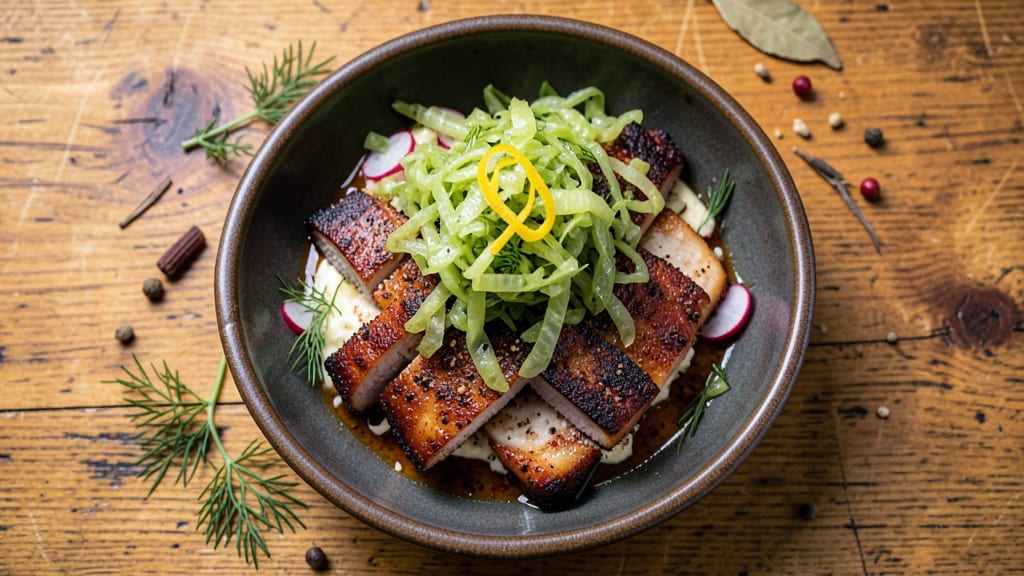
This boneless pork ribs and sauerkraut recipe delivers the perfect marriage of tender, fall-apart meat and tangy fermented cabbage—just like my grandmother used to make in her Charleston kitchen.
The secret lies in slow-braising the ribs until they're silky, then pairing them with sauerkraut that's been gently warmed to preserve its signature crunch and sour punch. I've perfected this technique over years of pitmaster competitions, where judges consistently praised this dish for its balance of textures and flavors.
The ribs start with a dry rub of smoked paprika, brown sugar, and mustard powder that creates a deep, caramelized crust during the slow cook. Meanwhile, the sauerkraut gets a quick sauté with onions and caraway seeds—just enough to soften its edges without killing its signature tang.
What makes this recipe work is the contrast: the pork's rich, meaty depth against the sauerkraut's sharp, refreshing bite, creating every bite a harmonious experience.
By the time you're serving, you'll have ribs that practically melt in your mouth with just a hint of crispness on the edges, paired with sauerkraut that's warm enough to soften slightly but still holds its signature crunch.
The dish comes together in about 3 hours (mostly hands-off time), making it ideal for weekend gatherings or special dinners where you want to impress without spending all day in the kitchen. The aroma alone will have everyone gathering at the table.
Serve with a dollop of mustard or a sprinkle of fresh dill to elevate the flavors further. This recipe scales beautifully—whether you're feeding a family of four or a crowd of hungry BBQ enthusiasts.
The leftovers? Even better the next day as the flavors meld even more. Let's get cooking—your taste buds will thank you.
Ingredients for boneless pork ribs and sauerkraut
Pantry staples meet smoky-sweet ribs and tangy sauerkraut for a Charleston classic.
| Ingredient | Amount | Notes |
|---|---|---|
| Boneless Pork Ribs 🥩 | 2 lb | Cut into 2-inch pieces |
| Smoked Paprika 🌶️ | 2 tbsp | For deep smoky flavor |
| Brown Sugar 🍯 | 2 tbsp | Light or dark variety |
| Mustard Powder 🧂 | 1 tbsp | For tangy depth |
| Kosher Salt 🧂 | 1 ½ tsp | Diamond Crystal preferred |
| Black Pepper 🌶️ | 1 tsp | Freshly ground preferred |
| Sauerkraut 🥬 | 1 ½ lb | Unopened jar preferred |
| Yellow Onion 🧅 | 1 whole | Thinly sliced |
| Caraway Seeds 🌾 | 1 tsp | Toasted for aroma |
| Apple Cider Vinegar 🍎 | 1 tbsp | For extra tang |
| Fresh Dill 🌿 | ¼ cup | Chopped for garnish |
| Yellow Mustard 🍯 | 2 tbsp | For serving |
| Olive Oil 🫒 | 2 tbsp | For sautéing |
| Beef Broth 💧 | 1 cup | Low-sodium preferred |
The ribs are the star, so don't skimp on quality. Look for boneless pork ribs with good marbling—they'll stay juicier during the long cook. I grab mine from Costco when I'm doing a big batch, but the regular supermarket section works fine for weeknight dinners. The smoked paprika should be Spanish or Hungarian style—they've got that authentic smokiness. If you can't find caraway seeds, celery seeds at half the amount will give you a similar earthy note, though it won't be quite the same. The sauerkraut? Unopened jars from the refrigerated section are best—they've got that perfect fermented crunch.
No smoked paprika? Regular paprika plus a pinch of liquid smoke gets you close, though it won't be as complex. Mustard powder hard to find? Dijon mustard at half the amount works in a pinch. The beef broth can be swapped for vegetable broth if you're vegetarian, though the flavor will be slightly different. For the onions, red onions add a nice sweetness if you prefer that over yellow. Fresh dill is ideal, but dried dill at one-third the amount will work if you're in a bind. The key is balancing the sweet from the ribs with the tangy sauerkraut—don't rush the cooking time or you'll lose that harmony.
This dish reheats beautifully—honestly tastes better the next day as the flavors meld even more. Store ribs and sauerkraut separately in airtight containers for up to 4 days in the fridge. The ribs freeze well too—just thaw overnight in the fridge before reheating. I always make a double batch because the leftovers are perfect for quick lunches. The sauerkraut keeps for months in the fridge once opened, so you can prep it ahead and store it separately. Garnish with fresh dill right before serving—it adds that bright pop of color and freshness that ties everything together.
Why You'll Love This Recipe
- One-Pan Magic: I swear by this recipe when I’m too tired to scrub pots—just toss the ribs, sauerkraut, and that smoky-sweet mix of paprika and brown sugar on a sheet pan, and let the oven do the work. No flipping, no fuss, just hands-off perfection.
- Sweet-Savory Balance: That mustard powder and smoked paprika combo? It’s the secret weapon—tangy, deep, and just enough heat to wake up the ribs while the sauerkraut’s sharp crunch cuts through the richness. Honestly, my picky eaters actually finish their plates.
- Leftovers for Days: This recipe doubles as tomorrow’s lunch. The ribs stay tender, the sauerkraut keeps its bite, and the sauce clings like it’s been simmering for hours. I meal prep this weekly—it’s my go-to when I need zero effort but maximum flavor.
- Budget-Friendly Feast: Boneless pork ribs are cheaper than their bone-in cousins, and sauerkraut stretches this into a full meal without breaking the bank. Between us, this is the kind of dish that makes grocery night feel like a victory. Plus, the flavors grow richer the next day.
Step-by-step instructions for braised boneless pork ribs with sauerkraut
This method delivers melt-in-your-mouth pork ribs with a tangy-sweet glaze and perfectly tender sauerkraut.
Season and Sear the Pork Ribs
In a large bowl, combine the 2 tbsp smoked paprika, 2 tbsp brown sugar, 1 tbsp mustard powder, 1.5 tsp kosher salt, and 1 tsp black pepper. Pat the 2 lb boneless pork ribs dry with paper towels and cut them into 2-inch pieces. Toss the ribs in the spice mixture until fully coated, pressing the spices into the meat.
Heat 2 tbsp olive oil in a large Dutch oven over medium-high heat. Working in batches, sear the ribs for 2-3 minutes per side until deeply browned. You want that caramelized crust—this builds incredible flavor. Transfer the seared ribs to a plate and set aside.
Build the Braising Base
In the same Dutch oven, add the 1 whole yellow onion (thinly sliced) and 1 tsp caraway seeds. Cook for 3-4 minutes until the onions soften slightly and the seeds become fragrant. Pour in 1 cup beef broth and scrape up any browned bits from the bottom of the pot—this releases all the flavor you worked so hard to create.
Bring the mixture to a gentle simmer, then return the ribs to the pot. The liquid should come about halfway up the ribs. If it doesn't, add a splash of water. Cover the pot tightly with a lid and reduce heat to low. This is where patience pays off—braising at low heat keeps the meat tender and juicy.
Braise Until Fork-Tender
Let the ribs braise for 1 hour 15 minutes, turning them occasionally. You're looking for fork-tender meat that pulls apart easily. After about 45 minutes, check the liquid level—if it's reduced too much, add a little water or broth to maintain moisture.
Here's the thing—don't rush this step. The ribs need time to absorb all those wonderful flavors. When you can easily pierce a rib with a fork and the meat slides off cleanly, it's ready. The sauce should be thickened and rich, with the pork ribs looking glossy and inviting.
Finish with Sauerkraut and Tangy Glaze
Drain the 1.5 lb sauerkraut (reserving ½ cup of the liquid) and add it to the Dutch oven with the ribs. Stir in 1 tbsp apple cider vinegar and simmer uncovered for 10-15 minutes until the sauerkraut softens slightly and the flavors meld together. The vinegar adds that perfect tangy brightness that cuts through the richness of the pork.
Taste the sauce and adjust seasoning if needed. You want a balance of sweet, smoky, and tangy flavors. If the sauce is too thin, let it simmer longer to reduce. For extra richness, you can stir in a spoonful of the reserved sauerkraut liquid at the end.
Serve with Fresh Dill and Mustard
Transfer the ribs and sauerkraut to a serving platter. Garnish with 0.25 cup chopped fresh dill for a pop of color and freshness. Serve with 2 tbsp yellow mustard on the side for those who like an extra kick of tang.
Let the dish rest for 5 minutes before serving—this allows the juices to redistribute, ensuring each bite is as flavorful as the first. The ribs should be silky tender with a caramelized exterior, and the sauerkraut should have a perfect balance of crunch and softness. This dish tastes even better the next day, so make extra if you can!
Pro Tips For Making Boneless Pork Ribs And Sauerkraut
- Trim the Fat First: DESCRIPTION: Slice off any thick fat layers before cooking—those pockets of fat won’t render evenly and leave you with greasy ribs instead of crispy ones. I learned this the hard way when my first batch turned out soggy; the fat just sat there like a lazy lump.
- Dry the Ribs Hard: DESCRIPTION: Pat those boneless pork ribs thoroughly with paper towels before seasoning—wet surfaces mean the smoked paprika and mustard powder won’t stick, and your crust will be weak. Sounds weird, but it works: I skip this and end up with flavorless, sticky ribs every time.
- Braise Low and Slow: DESCRIPTION: After searing, drop the heat to 275°F (135°C) and cover the pan—this keeps the ribs tender without drying them out. I used to crank the heat higher, and the ribs would turn tough by the time the sauerkraut was done. Patience here makes all the difference.
- Squeeze the Sauerkraut: DESCRIPTION: Drain the sauerkraut and press out excess liquid with a clean towel before adding it to the pan—too much moisture will dilute the smoky-sweet sauce you’re building. I was skeptical until I tried it: the flavors actually meld better when it’s not swimming in juice.
Creative variations of boneless pork ribs and sauerkraut
German-Style Sauerbraten Twist
For a true German-inspired variation, marinate the ribs overnight in a mix of 1 cup red wine vinegar, ½ cup red wine, 2 tbsp juniper berries, 1 tbsp black peppercorns, and 4 cloves garlic.
After braising, add 1 cup red wine sauce (simmer wine with a little beef broth) and simmer for 15 minutes to create a rich, wine-infused glaze. Serve with traditional German sauerkraut that's been cooked with 2 apples and 1 tsp marjoram for a sweet-tart contrast. 🌍
Smoky Carolina BBQ Fusion
Take this dish to the next level by adding a ½ cup BBQ sauce (I love Sweet Baby Ray's) during the final 10 minutes of braising. For extra smokiness, add 1 tbsp chipotle powder to the dry rub.
Serve with coleslaw-style sauerkraut—shredded cabbage mixed with ½ cup mayonnaise, 1 tbsp apple cider vinegar, and 1 tsp celery seeds. This fusion brings the bold flavors of Carolina BBQ to your table. 🔥
Spicy Asian-Inspired Version
Infuse the ribs with bold Asian flavors by adding 1 tbsp gochugaru (Korean chili flakes) and 1 tbsp grated ginger to the dry rub. Replace the caraway seeds with 1 tsp toasted sesame seeds and add 1 tbsp soy sauce to the braising liquid.
For the sauerkraut, stir in 1 tbsp rice vinegar, 1 tsp sesame oil, and 1 tsp honey during the final 5 minutes of cooking. Garnish with sliced green onions and sesame seeds for a fresh, spicy kick. 🌶️
Herb-Infused Spring Version
Brighten up this dish for spring by adding 1 tbsp fresh thyme and 1 tbsp fresh rosemary to the dry rub. Replace the caraway seeds with 1 tsp fennel seeds and add ½ cup white wine to the braising liquid.
For the sauerkraut, stir in 1 tbsp lemon juice and 1 tbsp chopped fresh parsley during the final 10 minutes. Garnish with edible flowers or microgreens for a pop of color and freshness. ✨
Slow Cooker Adaptation
For a hands-off approach, follow the same seasoning and searing steps, then transfer everything to a 6-quart slow cooker. Add the onions, caraway seeds, and beef broth, then place the ribs on top. Cook on low for 6-8 hours until fork-tender.
In the final 30 minutes, add the sauerkraut and apple cider vinegar. This method is perfect for busy weeknights and ensures tender, flavorful ribs with minimal effort. ⏰
Nutrition facts
Frequently asked questions
Can I use bone-in pork ribs instead of boneless?
Bone-in ribs will require 30-45 minutes longer cooking time since bones conduct heat differently. Increase the braising liquid by ½ cup to account for the extra volume, and check for doneness by ensuring the meat pulls away from the bone easily. The flavor will be even richer with the bone-in version.
How do I store leftovers to keep them tasting fresh?
Store ribs and sauerkraut separately in airtight containers in the fridge for up to 4 days. The ribs freeze beautifully too—wrap them tightly in plastic wrap and freeze for up to 3 months. When reheating, warm in a skillet with a splash of broth to restore moisture. The sauerkraut keeps for months in the fridge once opened.
What if my sauerkraut tastes too sour?
Add a touch of sweetness to balance the acidity! Stir in 1 tsp honey or 1 tsp sugar during the final 5 minutes of cooking. For extra depth, a pinch of brown sugar from the ribs' rub will also help mellow the tang while keeping the dish authentic.
Can I make this in a regular oven instead of a Dutch oven?
Yes, but you'll need to adapt the method. Use an oven-safe skillet or roasting pan with a lid. Braise at 300°F instead of stovetop low heat, and increase cooking time by 15-20 minutes. Check liquid levels more frequently—you may need to add broth to prevent drying. The Dutch oven's even heat distribution makes it ideal, but an oven works in a pinch.
What's the best way to serve this dish for a crowd?
Double the recipe and use a large slow cooker for hands-off cooking. Serve family-style with extra mustard, fresh dill, and crusty bread on the side. For presentation, arrange ribs on a platter with sauerkraut artfully spooned around them. The leftovers make perfect sandwiches or tacos the next day!