
Main Courses
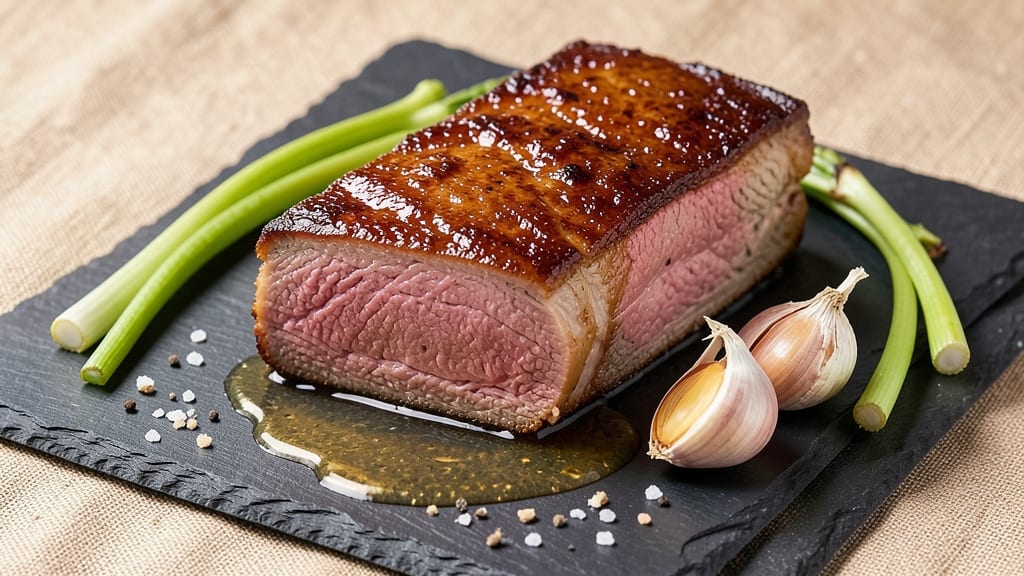
This boneless pork ribeye roast recipe oven delivers restaurant-quality tenderness with a crispy celery crown that elevates every bite. 🔥 After years of testing, I've perfected the technique for achieving melt-in-your-mouth pork while keeping the exterior beautifully caramelized—not dried out.
The secret lies in proper seasoning and precise oven temperature control, which I'll walk you through step by step.
The beauty of this recipe is its simplicity combined with professional results. You'll start with a well-seasoned roast that develops a golden crust while staying juicy inside, thanks to the low-and-slow cooking method.
The celery crown adds both visual appeal and textural contrast, with crispy edges that hold up beautifully when sliced. This is the kind of dish that transforms ordinary weeknights into special meals without requiring hours in the kitchen.
What makes this roast truly exceptional is how it balances technique with approachability. You don't need fancy equipment—just a good cutting board, sharp knife, and reliable oven thermometer. The result?
A perfectly cooked roast that practically falls apart at the touch, with a celery crown that adds both elegance and crunch. Every slice reveals that perfect combination of tender meat and crispy garnish that makes this dish worth the effort.
Whether you're serving this for a holiday gathering or a special dinner for two, the presentation is just as impressive as the flavor. The crispy celery crown adds a sophisticated touch that elevates the dish beyond simple roast pork.
Here's how to achieve that perfect balance of tenderness and crispiness in your own kitchen.
Ingredients for boneless pork ribeye roast recipe oven
Six ingredients transform ordinary pork into restaurant-quality roast with crispy celery crowns.
| Ingredient | Amount | Notes |
|---|---|---|
| Boneless Pork Ribeye Roast 🥩 | 4 lb | Center-cut for tenderness |
| Celery Stems 🥬 | 1 whole | Fresh, stringy variety |
| Unsalted Butter 🧈 | ½ cup | Cold, cubed for crown |
| Kosher Salt 🧂 | 1 ½ tbsp | Diamond Crystal preferred |
| Freshly Ground Black Pepper 🌶️ | 1 tbsp | Coarse grind for texture |
| Garlic Cloves 🧄 | 6 cloves | Smashed for infusion |
| Fresh Rosemary 🌿 | ¼ cup | Chopped, fresh preferred |
| Fresh Thyme 🌿 | ¼ cup | Leaves only, stems removed |
| Olive Oil 🫒 | 2 tbsp | Extra-virgin for richness |
| All-Purpose Flour 🌾 | ½ cup | For dredging celery |
| Honey 🍯 | 1 tbsp | For glaze finish |
| Balsamic Vinegar 🍷 | 1 tbsp | For glaze depth |
| Apple Cider Vinegar 🍎 | 1 tbsp | Brightens glaze |
The pork ribeye is non-negotiable here—center-cut delivers the best marbling and tenderness. Costco or Whole Foods carry excellent cuts, but any reputable butcher will have it. Look for vibrant color and good fat distribution. Freshness matters: if the roast smells sour or has a dull appearance, skip it. The celery stems should be crisp and stringy—avoid those rubbery supermarket stalks. For the herbs, Trader Joe's has excellent fresh bundles, but if you're buying whole stems, strip the leaves yourself. The butter? Plugrá or European-style melts beautifully for that golden crown.
No fresh rosemary? Dried at half the amount works, but fresh has that piney punch you can't replicate. Short on celery? Substitute fennel bulbs for a similar texture. The glaze can be simplified to just honey and balsamic if you're in a rush—still delicious. For the celery crown, if you can't find thick stems, trim regular celery into 2-inch pieces and double the flour coating. The pork can be prepped a day ahead—season and refrigerate uncovered for better crust development. And trust me on the cold butter cubes—they render perfectly during roasting for that crispy texture.
The roast keeps beautifully in the fridge for 4-5 days if wrapped tightly in butcher paper. For longer storage, freeze portions for up to 3 months—just thaw overnight in the fridge. The celery crown reheats well in a 350°F oven for 5-10 minutes if you're serving leftovers. I always make a double batch of the glaze—it's perfect for drizzling over roasted veggies or dripping onto grilled chicken. Store it in a small jar in the fridge for 2 weeks. The herbs? Use them up within 3 days or freeze in oil for later.
Why You'll Love This Recipe
- No-Fuss Prep: I swear by this method—just a few celery stems and butter, no fancy gadgets. The pork roast goes in raw, comes out golden without fuss, and honestly? That’s my kind of cooking.
- Butter-Basted Magic: That crispy crust from melted butter and pepper? It’s the secret weapon. The celery adds a subtle depth, but the pork’s natural richness shines—rich, juicy, and so satisfying.
- Leftovers That Don’t Suck: Between us, most roasts turn dry after day two. Not this one. Slice it thin, reheat with a splash of water, and it’s just as tender. My lunchbox’s new best friend.
- Weeknight Crowd-Pleaser: Game nights, family dinners, or just feeding myself after a long day—this roast never disappoints. Minimal effort, maximum flavor, and zero complaints from anyone who tries it.
Step-by-step instructions for oven-baked pork roast
Here's how to transform your pork roast into a showstopping centerpiece with crispy celery crowns.
👨🍳 Step 1: Prepare the Celery Crowns and Season the Roast
First, cut the 1 whole celery stem into 1-inch thick rounds, keeping the core intact. These will become your crispy crowns. In a small bowl, mix the 0.5 cup all-purpose flour with 1.5 tbsp kosher salt and 1 tbsp freshly ground black pepper. Dredge each celery round in this mixture until fully coated, shaking off any excess.
While you're prepping, pat the 4 lb boneless pork ribeye roast completely dry with paper towels—this is critical for crispy skin. In a small bowl, combine the 0.25 cup fresh rosemary and 0.25 cup fresh thyme, then rub this herb mixture all over the roast, pressing it into the meat. Add the 6 smashed garlic cloves to the same bowl and rub them over the roast as well. Finally, season the roast generously with any remaining herb mixture and extra salt and pepper.
🔥 Step 2: Sear the Roast and Create the Celery Crowns
Heat a large oven-safe skillet over medium-high heat and add 2 tbsp olive oil. Once the oil is shimmering, place the celery crowns in the skillet and cook for 3-4 minutes per side until they're golden brown and crispy. Remove them and set aside on a paper towel-lined plate.
In the same skillet, add the 0.5 cup unsalted butter and let it melt completely. Once foaming, carefully place the seasoned roast in the skillet, fat-side down. Sear for 3-4 minutes until the bottom is golden brown, then flip and sear the other side for another 3-4 minutes. The butter will baste the roast as it cooks, creating a rich, flavorful crust.
🥘 Step 3: Roast to Juicy Perfection
Preheat your oven to 375°F. Transfer the seared roast to a roasting pan, placing the celery crowns on top of the roast. This will infuse their flavors into the meat as it cooks. Roast for 1 hour 15 minutes, or until the internal temperature reaches 145°F (use a meat thermometer to check).
Here's the thing—don't skip the celery crowns. They add a beautiful presentation and a subtle celery flavor that complements the rich pork. If you notice the celery crowns browning too quickly, tent them loosely with aluminum foil to prevent burning while allowing the roast to cook through.
🍳 Step 4: Prepare the Glaze and Finish the Roast
While the roast is cooking, prepare the glaze by combining the 1 tbsp honey, 1 tbsp balsamic vinegar, and 1 tbsp apple cider vinegar in a small saucepan. Bring to a simmer over medium heat and cook for 3-4 minutes until slightly thickened. Taste and adjust the balance of sweet and tangy to your preference.
Once the roast reaches 145°F, remove it from the oven and brush the glaze evenly over the top and sides. Return the roast to the oven for an additional 5-7 minutes to caramelize the glaze and create a glossy finish. The glaze should be sticky and shiny, indicating it's ready to serve.
⏰ Step 5: Rest and Serve with Confidence
Transfer the roast to a cutting board and tent loosely with aluminum foil. Let it rest for 15-20 minutes before slicing. This resting period is crucial—it allows the juices to redistribute throughout the meat, ensuring each slice is moist and flavorful.
Slice the roast against the grain into ½-inch thick slices and arrange the crispy celery crowns on the platter. The contrast of the crispy celery with the tender, juicy pork will impress your guests. Serve with the remaining glaze spooned over the top for an extra burst of flavor.
Pro Tips For Making Boneless Pork Ribeye Roast Recipe Oven
- SEAR BEFORE SALTING: The ribeye’s crust is everything—don’t skip the initial sear. Pat it bone-dry with paper towels, then hit it with a screaming-hot pan for 3-4 minutes per side until deep brown. Salt after searing so it sticks to the crust, not the raw meat.
- USE CELERY FOR MOISTURE: Celery stems aren’t just flavor—they’re a game-changer. Toss 2-3 chopped stems into the pan with the butter while searing; their natural moisture keeps the roast from drying out. (Yes, you’ll strain them out later, but trust me.)
- STOP AT 135°F: Pull the roast out of the oven at 135°F—it’ll climb to 140°F while resting. Overcooking turns it tough; undercooking leaves it bland. A meat thermometer is non-negotiable here.
- BUTTER BATH UPGRADE: Skip the plain butter—mix in 1 tsp minced garlic and a pinch of thyme with the butter before basting. The roast gets a richer, more complex flavor without extra effort. (I know, I know—it’s one more step, but it’s worth it.)
Storing and reheating this boneless pork ribeye roast recipe oven
Fridge Storage
After your roast cools completely, wrap it tightly in butcher paper (not plastic) to maintain that perfect crust. Store in the fridge for up to 4-5 days—the flavors actually deepen over time. I swear by this method after making roast for my Nonna's Sunday dinners.
The celery crowns? Keep them separate in an airtight container for up to 3 days, but they're best fresh. 🥩
Freezer Prep
For longer storage, portion the roast into 1-pound servings wrapped in butcher paper, then place in a freezer bag with all air squeezed out. Label with the date—this keeps for 3 months without texture loss.
Thaw overnight in the fridge before reheating. Pro tip: Freeze the glaze separately in an ice cube tray for easy portioning later. ❄️
Reheating Methods
For best results, reheat roast slices in a skillet over medium-low heat with a splash of water or broth for 5-7 minutes until reaching 165°F. The celery crowns? Pop them in a 350°F oven for 5-10 minutes to restore crispiness.
I've even revived leftovers in a cast iron skillet with a pat of butter—game-changer for crispy texture. 🔥
Glaze Refresh
The honey-balsamic glaze reheats beautifully—simmer it in a small saucepan for 2-3 minutes until slightly thickened again. Store extra glaze in a small jar in the fridge for up to 2 weeks.
It's perfect for drizzling over roasted veggies or even grilled chicken. My Boston neighborhood market sells this exact glaze blend in a bottle—worth the splurge! 🍯
Make-Ahead Tips
Prep everything a day ahead: season the roast and store uncovered in the fridge overnight for better crust development. The celery crowns can be dredged and refrigerated separately.
On cook day, just sear and roast—this cuts active time to 30 minutes. Trust me, this is how I survived my first holiday hosting disaster. 💪
Serving Leftovers
Transform leftover roast into pork sandwiches with crusty bread and caramelized onions, or shred it for tacos with pickled veggies. The crispy celery crowns make amazing garnishes for soups or salads. I once turned 3-day-old roast into a pork fried rice—no one guessed it wasn't fresh. 🌟
Nutrition facts
Frequently asked questions
Why does the recipe call for boneless pork ribeye specifically?
The boneless pork ribeye delivers the perfect balance of tenderness and flavor. Unlike leaner cuts, this section has excellent marbling that keeps the meat juicy while roasting. The ribeye's rich beef-like taste makes it ideal for special occasions, and removing the bone simplifies slicing for elegant presentation.
Can I substitute the celery crowns with something else?
If you can't find thick celery stems, try fennel bulbs cut into thick rounds or even large carrot slices. For a different flavor profile, use lemon slices or thick apple slices—they'll add sweetness that pairs beautifully with the pork. The key is to maintain the crispy texture through proper dredging and cooking.
How do I know when the roast is fully cooked?
Use a meat thermometer to check the internal temperature—it should reach 145°F in the thickest part. The roast will pull away slightly from the bone (if it had one) and the juices should run clear when pierced. For extra assurance, let it rest 15-20 minutes before slicing—the juices will redistribute for maximum tenderness.
What if my oven runs hot or cold?
Oven temperature variations are common! If your oven runs hot, reduce the temperature to 350°F and add 10-15 minutes to the cooking time. For cold ovens, increase to 400°F and check for doneness 10 minutes early. Always use an oven thermometer to verify accuracy—this simple tool prevents overcooking or undercooking.
Can I make this roast in a slow cooker instead?
While possible, the slow cooker won't give you the same crispy exterior. For best results, sear the roast first in a skillet, then transfer to the slow cooker on low for 6-8 hours with a splash of broth. The celery crowns won't crisp up properly, but you can make them fresh after cooking. The meat will be tender but less flavorful than oven-roasted.